Contemporary Realism · 1874
Forgiven (Τόμας Φέιντ, 1874)
Το έργο Forgiven δημιούργησε ο/η Τόμας Φέιντ (1826–1900). Χρονολογείται στο 1874. Ανήκει στο κίνημα Contemporary Realism. Είναι φτιαγμένο σε Oil On Canvas. Αποθηκεύεται στο Guildhall Art Gallery στο Λονδίνο, United Kingdom. Οι διαστάσεις είναι 36 × 48 cm.
- 1874
- Oil On Canvas
- 36 × 48 cm
- Guildhall Art Gallery, Λονδίνο

 Προεπισκόπηση σε πραγματική κλίμακα

 Ελαιογραφικό Χειροποίητο Έργο
 Αποστολή
 Κοινοποίηση
 Φύλλο πληροφοριών


 Λήψη
 Παρόμοια αντικείμενα συλλογής
 Ακτινογραφία
 Παρουσίαση
 Ερωτήσεις & Απαντήσεις

 Στατιστικά
Forgiven, εν συντομία
- Τίτλος
- Forgiven
- Καλλιτέχνης
- Τόμας Φέιντ (1826–1900)
- Γεννημένος/η το
- Κερκυρα, Ηνωμένο Βασίλειο
- Ημερομηνία
- 1874
- Μέσο
- Oil On Canvas
- Διαστάσεις
- 36 × 48 cm
- Πού εκτίθεται
- Guildhall Art Gallery, Λονδίνο, United Kingdom
- Κίνηση
- Contemporary Realism
- Εποχή
- 19th Century
- Θέμα
- family portrait, domestic scene, victorian era, warmth, rural life, intimate moment
Τι απεικονίζει το Forgiven;
Identification of Forgiven by Thomas Faed
In this intimate oil on canvas, titled Forgiven, the Scottish artist Thomas Faed explores the quietude of domestic life. Created in 1874, the work offers a glimpse into the sentimental realism that defined much of Faed's career. The piece is modest in scale, measuring 36 x 48 cm, which encourages a close, personal encounter with the figures depicted.
Faed, born in 1826 in Gatehouse of Fleet, United Kingdom, possessed a particular sensitivity to the textures of everyday existence. Through Forgiven, he captures a specific moment of familial connection, utilizing the medium of oil to build a sense of warmth within a humble setting. The work remains a significant example of his ability to translate human emotion into a visual narrative.
The Composition and Visual Elements
The scene unfolds within a dimly lit, rustic interior, capturing a quiet moment of domesticity. At the center of the composition, a family group is gathered around a table, consisting of an older man, a woman, and a young child. The arrangement feels somewhat cluttered, with various objects scattered throughout the space to suggest a lived-in, humble setting. This density of detail creates a sense of immediacy, as if we have stumbled upon a private, unposed instance of daily life.
Lighting is used with great subtlety here. The primary source of illumination emanates from a fireplace located on the left side of the frame, casting soft light across the figures and creating deep shadows that provide a sense of volume. This interplay of light and shadow allows for a clear sense of depth, achieved through the careful layering of the figures and the surrounding furniture. The atmosphere remains somber and quiet, grounded by a color palette dominated by muted greens, browns, and grays.
Technique and Style
The work is executed in oil on canvas, utilizing a painterly technique that prioritizes the immediate sensation of the scene. You can see the visible brushstrokes throughout the composition, which lend a sense of immediacy to the domestic setting. The lines are predominantly organic and slightly loose, avoiding the rigid precision of more academic works. This approach allows the forms to settle into the space with a natural, unforced quality.
The lighting is subdued, emanating from a fireplace to the side, which has a profound effect on how the shapes are perceived. Because of this soft illumination, the edges of the figures and objects lack sharpness; instead, they appear somewhat softened, blending gently into the shadows. This creates a palpable sense of volume and depth within the rustic interior. You can feel the tactile nature of the environment through the way the paint is applied to the rough wooden surfaces and the heavy folds of the fabric.
Where to See This Work Today
You may find this work at the Guildhall Art Gallery in London, United Kingdom. It is part of the collection held by the City of London, England. The gallery is situated within the Moorgate area, offering a quiet space to observe the nuances of Faed's brushwork.
The museum itself is housed in a stone building designed in a semi-Gothic style. It provides a dignified setting for such intimate domestic scenes. If you find yourself in the city, the architecture of the gallery complements the historical weight of the pieces within its walls.
Related Works by Thomas Faed
To understand the breadth of Faed's output, one might look toward his earlier compositions, such as His Only Pair, which dates from about 1860. This period of his career also produced Listeners Ne'er Hear Any Good Of Themselves, a work that reflects his interest in the nuances of human interaction. His ability to handle narrative was further demonstrated in The Last of the Clan, completed in 1865. These pieces offer a glimpse into the development of his specific approach to genre painting and the quietude of domestic life.
Several of his most significant paintings are held in permanent collections, allowing for a deeper study of his technical skill. The Silken Gown is part of the collection at the Tate Gallery. In the Aberdeen Art Gallery, one can find both Highland Mary and The Reaper. These works, alongside celebrated pieces like The Motherless Bairn and Scott and His Literary Friends at Abbotsford, illustrate the range of his subject matter, from intimate studies to more expansive, literary-inspired scenes.
Σε ποιο μουσείο βρίσκεται το Forgiven;
Guildhall Art Gallery
Λονδίνο, United Kingdom
Ένα Υφασμά της Χρόνου: Εκεί όπου η Βικτωριανή Λαμπρότητα Συναντά τις Ρωμαϊκές Αναστροφές Στην παλλόμενη καρδιά της ιστορικής περιοχής City του Λονδίνου, η Guildhall Art Gallery προσφέρει κάτι πολύ παραπάνω από μια απλή θέαση καναβών· προσφέρει ένα βαθύ αισθητηριακό ταξίδι μέσα στα στρώματα της ανθρώπινης πολιлізації. Το να εισέλθετε μέσα, σημαίνει να εισέρχεστε σε έναν χώρο όπου η εκλεπτυσμένη κομψότητα της βικτωριανής εποχής αναπνέει δίπλα στους άγριους και ανθεκτικούς λίθους της Ρωμαϊκής Βρετανίας. Αυτός ο μοναδικός θεσμός επιτυγχάνει ένα σπάνιο κατόρθωμα στον κόσμο των μουσείων, υφάζοντας άψογα τα λεπτομερή πινελιδιά των δ masters του δέκατου νεοκεντούριου με τις απτόρπητες, υπόγειες αναστροφές ενός αρχαίου αυτοκρατορίας.

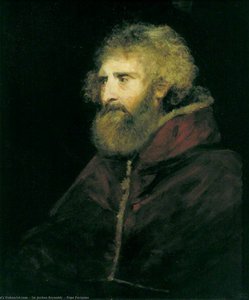

Εικόνες υψηλής ανάλυσης του Forgiven
Δημόσιος τομέας: ο καλλιτέχνης απεβίωσε το 1900.
Τόμας Φέιντ, Forgiven (1874), Guildhall Art Gallery. Δημόσιο περιουσιακό δικαίωμα
Ερωτήσεις για το Forgiven, απαντημένες
Πού μπορώ να δω το πρωτότυπο "Forgiven" του Τόμας Φέιντ;
Το πρωτότυπο έργο "Forgiven" εκτίθεται στο Guildhall Art Gallery, Λονδίνο, United Kingdom.
Πότε δημιουργήθηκε το "Forgiven";
Το έργο "Forgiven" του Τόμας Φέιντ δημιουργήθηκε το 1874.
Με ποιο υλικό έχει εκτελεστεί το έργο "Forgiven" του Τόμας Φέιντ;
Ο/Η Τόμας Φέιντ χρησιμοποίησε την τεχνική του/της Oil On Canvas για το έργο "Forgiven". Η τεχνική αυτή ορίζει τη υλική φύση του πρωτότυπου έργου.
Ποια είναι οι πραγματικές διαστάσεις του έργου "Forgiven" του Τόμας Φέιντ;
Οι διαστάσεις του πρωτότυπου έργου "Forgiven" του Τόμας Φέιντ είναι 36 x 48 cm.
Περί τι αφορά το "Forgiven";
Τα θέματα που περιλαμβάνονται στο "Forgiven" του Τόμας Φέιντ περιλαμβάνουν το/τα family portrait, domestic scene, victorian era, warmth, rural life, intimate moment, family bonds, soft lighting. Μαζί, συνοψίζουν το περιεχόμενο του έργου τέχνης.
Το έργο "Forgiven" ανήκει στο δημόσιο περιουσιακό αγαθό;
Το έργο "Forgiven" του Τόμας Φέιντ ανήκει στο στην ελεύθερη χρήση - τα δικαιώματα αυτορούς δικαίωσης έχουν λήξει. Η κατάσταση αυτή διέπει τον τρόπο με τον οποίο μπορεί να αναπαραχθεί η εικόνα του έργου.
Ποιος δημιούργησε το "Forgiven";
Το έργο "Forgiven" αποδίδεται στον/στην Τόμας Φέιντ.
Προς ποιο καλλιτεχνικό ρεύμα ανήκει το έργο "Forgiven" του Τόμας Φέιντ;
Το έργο "Forgiven" του Τόμας Φέιντ ανήκει στο καλλιτεχνικό κίνημα Contemporary Realism. Αυτό το κίνημα παρέχει το στυλιστικό πλαίσιο του έργου.
Ποια εποχή της καριέρας του/της Τόμας Φέιντ αντιπροσωπεύει το έργο "Forgiven";
Το "Forgiven" αντιπροσωπεύει την περίοδο Mature Period του Τόμας Φέιντ.
Σχετικά με τον καλλιτέχνη, Τόμας Φέιντ

1826–1900, Ηνωμένο Βασίλειο
Τόμας Φέιντ
Ένα Κληροτόμο Σκωτσέζικου Συναισθήματος Ο Τόμας Φέιντ καταλαμβάνει μια μοναδική θέση στα αρχεία της σκωτσέζικης τέχνης, συχνά περιγράφοντας με την βαθιά ευλάβεια που θα μπορούσε κάποιος να αποδώσει στην επίδραση του Robert Burns στο σκωτσέζικο τραγούδι. Γεννημένος στο Kirkcudbrightshire, στο Barlay Mill, ο Φέιντ ήταν μέρος μιας αξιοσημείωτης οικογένειας δημιουργών· οι αδελφοί του, James και John, μαζί με την αδελφή του, Susan, μοιράζονταν όλοι αυτό το βαθύ καλλιτεχνικό κάλεσμα. Η πρώιμη ζωή του ήταν ριζωμένη στο άγριο και πανέμορφο τοπίο του Galloway, ένα περιβάλλον που αναμφίβολα επηρέασε τη ζεστασιά και την οικειακή ατμόσφαιρα που συναντάμε στα πιο αγαπημένα του έργα. Αφού ολοκλήρωσε την επίσημη καλλιτεχνική του εκπαίδευση στη σχολή σχεδίου στο Εδιμβούργο, ξεκίνησε ένα ταξίδι που θα τον οδήγησε από την καρδιά της Σκωτίας στα κορυφαία στούντιο του Λονδίνου.
Εργασίες του Τόμας Φέιντ
 Worn Out
 Highland Mary1857
 Faults on Both Sides1861
 The Doctor's Visit1889
Μελέτες για το Forgiven
 The Timeless Beauty of Oil on Canvas: A Masterclass in Texture, Impasto, and Artistic MasteryDiscover the profound allure of oil on canvas. Explore the mastery of impasto textures, the science of pigment longevity, and expert guides…
 Masterpieces of Quinten Metsys: The Top 25 Essential ArtworksExplore 25 iconic works by Quinten Metsys, the master of the Antwerp School. Discover his Flemish Renaissance gems on OriginalUniqueArt.com.
 Masterpieces of Realism: The Top 25 Artworks by Thomas EakinsExplore the top 25 masterpieces of American Realism by Thomas Eakins. Discover his iconic works and find curated art on OriginalUniqueArt.c…