In echtem Maßstab anzeigen
 Versenden als Grußkarte
 Teilen
 Details anzeigen
 Leitfaden öffnen

 Herunterladen
 Ähnliche Objekte
 Röntgenaufnahme
 Diashow
 Besucherstatistiken
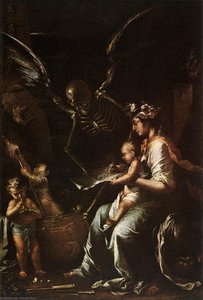
Self-Portrait as a Philosopher
 Oil On Canvas
- WallArt
- Baroque
 1645
1645- Renaissance
 94.0 x 116.0 cm
 National Gallery
 Mehr anzeigen
Handgefertigte Ölreproduktion
Handgemaltes Ölgemälde auf Leinwand in Ihrer Wunschgröße und mit Rahmen, auf Bestellung von unseren Künstlern angefertigt. ( Zum Druck wechseln Zum digitalen Bild wechseln)




P118B $10

P118H $10

P118W $10

P438Z $10

P508JH $12

P508YH $12

P805H $10

P805Z $10

P919BZ $10

P919G $10

P919XJ $10

P959ZH $10

P968JZ $12

W106C $8

W218G $10

W218JH $8

W218Y $10

W307PJ $10

W316G $10

W316PJ $8

W316Y $10

W398PJ $8

W4111J $10

W500HY $15

W500JH $15

W692G $12

W849H $8

W940BG $15

W953PJ $8




Wählen Sie aus unseren vordefinierten Formaten, die den ursprünglichen Proportionen des Kunstwerks entsprechen.

Sie können Ihre eigenen Maße eingeben, um einen bestimmten Rahmen oder Platz auszufüllen. Wenn die gewählte Größe nicht den Proportionen des Originalbildes entspricht, werden wir das Kunstwerk entweder beschneiden oder das Gemälde durch zusätzliche, handgemalte Elemente erweitern. Ein digitales Mockup wird Ihnen zur Genehmigung zugesandt, bevor die Produktion beginnt.
Bitte beachten Sie, dass die Bildschirmvorschau nicht die tatsächliche Beschneidung oder Erweiterung widerspiegelt. Nur das Mockup zeigt die endgültige Komposition exakt an.
Obwohl Sondermaße verfügbar sind, empfehlen wir, eine Größe aus der vordefinierten Liste zu wählen, um die ursprünglichen Proportionen beizubehalten.
Nach der Bestellung wird das OriginalUniqueArt.com-Team dem Kunden Anweisungen per E-Mail zusenden und eine Mockup-Vorschau bereitstellen.
Weltweiter Versand () in nur 3 bis 4 Wochen statt der üblichen 5 Wochen. (26 September). Keine Kompromisse bei der Qualität.

Kostenloser weltweiter Expressversand

Hochwertige Leinenleinwand

Vollständiger Versicherungsschutz beim Versand

Zollgebühren-Rückerstattungsgarantie

Garantie für exakte Farbtreue

100-tägiges Rückgaberecht (nur bei Mängeln)

100% Geld-zurück-Garantie

Angebot für Mengenrabatt
 Die Glasoption ist nur für Größen unter 110 cm verfügbar.

Self-Portrait as a Philosopher
Reproduktionsmedium
Format der Reproduktion
-


Gesamtpreis
$ 300
Salvator Rosa’s Philosophical Portrait: A Meditation on Silence and Wisdom
Salvator Rosa’s “Self-Portrait as Philosopher,” painted around 1645, stands as a testament to the artist's profound engagement with philosophical thought and his distinctive Baroque style. More than just a depiction of his physical appearance—though meticulously rendered—the painting embodies themes of silence, wisdom, and mortality—a poignant meditation on human existence that continues to resonate with viewers today. Rosa’s artistic vision sought to elevate painting beyond mere representation, aiming instead for an expression of inner contemplation and intellectual rigor, aligning him squarely with the burgeoning spirit of Romanticism.- Subject Matter: The portrait captures Rosa himself in a contemplative pose against a stormy grey sky, emphasizing his solemn gaze and conveying a sense of profound seriousness. He is dressed in dark attire typical of the Baroque period, reflecting the artistic sensibilities of the time.
- Style & Technique: Executed in oil on canvas, “Self-Portrait” exemplifies Rosa’s masterful Baroque technique—characterized by dramatic chiaroscuro (contrast between light and shadow)—which powerfully illuminates his face and contributes to the painting's overall mood of solemn reflection. The artist skillfully employs shading to sculpt the contours of Rosa’s features, creating a palpable sense of depth and realism.
- Symbolism: Several symbolic elements enrich the portrait’s meaning. Rosa wears a black scholar’s cap—a deliberate gesture signifying intellectual pursuits—and grips a scroll inscribed with the Latin phrase “Aut tace, aut loquere meliora silentio,” which translates to “Be silent, unless what you have to say is better than silence.” This quote encapsulates Rosa's belief in the power of contemplative reflection and underscores the painting’s philosophical core.
- Historical Context: Painted during a period marked by intellectual ferment—the Renaissance and Baroque eras—Rosa’s work reflects the humanist ideals prevalent at the time, emphasizing human reason and moral virtue. It aligns with the broader artistic movement that sought to explore profound psychological states and grapple with existential questions.
- Emotional Impact: “Self-Portrait” evokes a powerful emotional response in viewers—a sense of melancholy contemplation mingled with an appreciation for Rosa’s artistic skill. The painting's subdued palette and masterful use of light contribute to its contemplative atmosphere, inviting introspection and prompting reflection on the nature of wisdom and silence.
Provenance & Recognition
Rosa’s “Self-Portrait” holds a significant place in art history—recognized as one of his most innovative landscapes and a precursor to Romanticism. It was presented to Henry Petty-Fitzmaurice, 6th Marquess of Lansdowne, in memory of his father, the 5th Marquess, who had died in 1927. Subsequently, it entered the collection of Rev. John Sanford at Bowood House before finding its way into the Wadsworth Atheneum in 1956—a testament to its enduring artistic merit and historical importance. Recent scholarship has affirmed Rosa’s pioneering role as a landscape painter and his influence on Romantic artists like Turner and Constable, cementing his legacy as one of the Baroque period's most visionary figures.Further Exploration
To delve deeper into Salvator Rosa’s artistic oeuvre and philosophical convictions, consider examining his other paintings—particularly “Torture of Prometheus,” which showcases his dramatic flair and masterful use of color—and exploring biographical accounts detailing his life and artistic journey. Examining Rosa's engagement with humanist philosophy illuminates the intellectual currents shaping Baroque art and underscores the artist’s commitment to conveying profound psychological states through visual imagery.Reproductions & Artistic Inspiration
High-quality reproductions of “Self-Portrait as Philosopher” offer an opportunity to appreciate Rosa’s artistic brilliance and immerse oneself in the contemplative atmosphere of his masterpiece. Collectors and interior designers alike can draw inspiration from this iconic artwork—recognizing its enduring relevance as a symbol of intellectual integrity and serene contemplation.Biografie des Künstlers
Frühes Leben und Ausbildung
Salvator Rosa, ein italienischer Barockmaler, Dichter und Grafiker, wurde am 20. Juni oder 21. Juli 1615 in Arenella, Neapel, geboren. Seine Mutter, Giulia Greca Rosa, entstammte einer griechischen Familie aus Sizilien. Trotz seines Vaters Wunsches, dass er Jurist oder Priester wird, zeigte Salvator schon früh eine Vorliebe für die Künste.Künstlerische Karriere
Salvators künstlerische Karriere war geprägt von seinem unkonventionellen und extravaganten Stil, der ihn von seinen Zeitgenossen abhob. Er war in Neapel, Rom und Florenz tätig und seine Arbeit wurde sowohl vom Naturalismus des Ribera als auch vom Klassizismus des Poussin beeinflusst. Dennoch weigerte er sich, sich an einen bestimmten Stil oder eine bestimmte Bewegung zu binden.- Pythagoras, der aus der Unterwelt hervorkommt (Kimbell Art Museum, Fort Worth, USA), eines seiner berühmtesten Werke, zeigt seine einzigartige Mischung aus philosophischen und künstlerischen Themen.
- Seine Taufe des Eunuchen (Chrysler Museum of Art, Norfolk, USA) demonstriert seine Fähigkeit, selbst in kleinere biblische Geschichten dramatische Elemente einzufügen.
Einflüsse und Vermächtnis
Salvators Werk hatte einen bedeutenden Einfluss auf die Entwicklung der Barockkunst. Sein Einfluss ist in den Werken späterer Künstler wie Luca Giordano zu erkennen, der die Grenzen künstlerischen Ausdrucks weiter verschob. Wichtige Links: Salvator Rosas Profil auf OriginalUniqueArt Wikipedia: Salvator Rosa Pythagoras, der aus der Unterwelt hervorkommt auf OriginalUniqueArtEntwicklung und Bedeutung
Salvator Rosa war ein Rebell gegen die Konventionen seiner Zeit. Seine Landschaften waren oft wild und ungezähmt, seine Figuren dramatisch dargestellt und seine Kompositionen dynamisch. Er schuf Werke, die sowohl religiöse als auch mythologische Themen behandelten, aber immer mit einer persönlichen Note der Rebellion und des Zweifelhaften. Er war ein Pionier in der Darstellung von Landschaften als eigenständige Elemente seiner Gemälde, nicht nur als Kulisse für Figuren. Seine Arbeiten spiegeln oft eine pessimistische Weltsicht wider, die sich in düsteren Farben und dramatischen Szenarien manifestiert.Schlussfolgerung
Salvators Leben und Werk faszinieren Kunstliebhaber und Historiker gleichermaßen bis heute. Sein unkonventioneller Stil und seine ständige Rebellion gegen die Normen seiner Zeit haben seinen Platz in den Annalen der Barockkunst gefestigt. Als Maler, Dichter und Grafiker bleibt er eine enigmatische Figur, und seine Arbeit inspiriert weiterhin neue Generationen von Künstlern und Kunstenthusiasten.
Salvator Rosa
1615 - 1673 , Italien
Eckdaten zum Künstler
- Bemerkenswerte Kunstwerke:
- Pythagoras entsteigt der Unterwelt
- Die Taufe des Eunuchen
- Geburtsdatum: 20./21. Juni 1615
- Geburtsort (Stadt, Land): Arenella, Italien
- Künstler Oder Bewegungen, Die Von Diesem Künstler Beeinflusst Wurden: ['Luca Giordano']
- Künstler, Die Diesen Künstler Beeinflussten:
- Ribera
- Poussin
- Künstlerische Bewegung/Stil: Barockmalerei
- Nationalität: Italienisch
- Sterbedatum: 1673
- Vollständiger Name: Salvator Rosa
Verwandte Artikel

Barock Meisterwerke: Die 10 prägendsten Kunstwerke für Ihr Zuhause |
Entdecken Sie die 10 prägendsten Meisterwerke des Barock! Caravaggio, Rembrandt & Co. – Erfahren Sie die Geschichten hinter ikonischen Gemälde und finden Sie hochwertige Kunst Reproduktionen für Ihr Zuhause auf .

The Visceral Stage: Exploring Dramatic Narratives & Emotional Intensity in Baroque Art
Explore the dramatic world of Baroque art! Discover iconic masters like Caravaggio & Rembrandt, their techniques, and the movement's lasting impact. Expert insights for collectors & enthusiasts at OriginalUniqueArt.

Giclée Prints: Archival Quality & Aesthetic Nuances for the Discerning Collector
Explore the world of giclée prints with OriginalUniqueArt. Learn about archival quality, aesthetic nuances & investment potential. Expert guidance for discerning art collectors seeking museum-quality reproductions and lasting value.

Salvator Rosa: Visionen der Landschaft und die Allegorie des Barock
Entdecken Sie das faszinierende Werk von Salvator Rosa! Unsere Expertenanalyse beleuchtet Leben, Stil und die tiefgründigen Botschaften des Barockmalers. Jetzt lesen!

Drama and Light: A Definitive Guide to the Italian Baroque Masterpieces and the Revolution of Chiaroscuro
Explore the dramatic world of Italian Baroque art. Discover how masters like Caravaggio used chiaroscuro and tenebrism to revolutionize painting through light, shadow, and profound realism. A definitive guide for history lovers and art collectors.