Gongbi Landscape · 1530
Handscroll (Čchiou Jing, 1530)
Čchiou Jing (1494–1552) vytvořil dílo Handscroll. Pochází z roku 1530. Patří k hnutí Gongbi Landscape. Je vyrobeno z Acrylic On Canvas. Nachází se v Metropolitan Museum of Art v New York, Spojené státy americké.
- 1530
- Acrylic On Canvas
- Metropolitan Museum of Art, New York

 Náhled v interiéru

 Ručně malovaná olejná reprodukce
 Sdílet
 Sdílet
 Informační list pro studenty


 Stáhnout
 Podobné položky
 Rentgenové snímky
 Slideshow
 Otázky a odpovědi

 Statistiky
Handscroll v kostce
- Název díla
- Handscroll
- Autor
- Čchiou Jing (1494–1552)
- Rok narození umělce
- Tchaj-cchang, Čína
- Datum vytvoření
- 1530
- Technika
- Acrylic On Canvas
- Kde jej vidět
- Metropolitan Museum of Art, New York, Spojené státy americké
- Pohyb
- Gongbi Landscape
- Období
- Late Medieval
- Motiv
- ming dynasty, landscape, scroll, qiu ying, luohans, chinese art
Co przedstawuje dílo Handscroll?
Qiu Ying’s “Up the River During Qingming”: A Masterpiece of Ming Dynasty Serenity
“Up the River During Qingming,” painted by Qiu Ying during the mid-16th century, is more than just a landscape; it's a carefully constructed meditation on harmony, leisure, and the enduring beauty of nature. Attributed to one of China’s Four Masters of the Ming Dynasty – alongside Shen Zhou, Tang Yin, and Wen Zhengming – this exquisite handscroll offers a rare glimpse into the refined aesthetic sensibilities of Suzhou during that era. The work, currently residing in the collection of the National Gallery of Canada, invites viewers into a tranquil scene brimming with subtle symbolism and masterful brushwork.
Qiu Ying’s artistic journey was remarkably unconventional for his time. Rather than pursuing formal training within established art circles, he began as a lacquer artisan, honing his skills in meticulous detail – a foundation that profoundly influenced the precision and control evident throughout “Up the River During Qingming.” This early experience instilled in him an unparalleled understanding of line and color, qualities he would later translate into his celebrated landscape paintings. His apprenticeship with Zhou Chen in Suzhou further solidified his technical abilities, exposing him to the techniques of the Wu School, known for its emphasis on ink washes and a more expressive approach to nature.
A Symphony of Detail: Technique and Style
The painting’s remarkable quality stems from Qiu Ying's mastery of the gongbi technique – a highly detailed, realistic style that was favored by court painters. Each element—from the meticulously rendered bamboo stalks to the delicate folds of the pavilions—is executed with painstaking precision, creating an illusion of incredible depth and texture. Notice the subtle gradations of color achieved through layering washes of ink and pigment; this creates a luminous quality that brings the scene to life. The composition is carefully balanced, drawing the eye across the landscape in a deliberate and engaging manner. The artist’s use of loose brushwork, particularly in depicting the distant mountains and flowing river, contrasts beautifully with the tightly controlled detail of the foreground elements, demonstrating Qiu Ying's versatility and his ability to seamlessly blend different artistic approaches.
Symbolism Woven into the Landscape
“Up the River During Qingming” is rich in symbolic meaning. The scene depicts a scholar leisurely enjoying a day by the river, surrounded by carefully arranged pavilions and gardens. This imagery reflects the Confucian ideals of scholarly pursuits, contemplation, and harmony with nature – values highly esteemed during the Ming Dynasty. The presence of the tavern and the farmer gathering water vegetables adds a touch of everyday life to the scene, reminding us that even amidst beauty and tranquility, human activity continues. The bamboo grove, a recurring motif in Chinese art, symbolizes resilience, integrity, and longevity—qualities admired in virtuous individuals. The distant mountains represent permanence and stability, while the flowing river embodies fluidity and change.
A Window into Ming Dynasty Culture
Beyond its aesthetic beauty, “Up the River During Qingming” offers a valuable insight into Ming Dynasty culture. It reflects the importance of gardens as spaces for contemplation, artistic expression, and social interaction. The lavish furnishings within the pavilions—including the exquisite celadon vase—demonstrate the wealth and sophistication of the era’s elite. The painting also reveals the influence of philosophical ideas, particularly those associated with Zhou Dunyi, whose “On the Love for the Lotus” inspired the scene's composition and symbolism. Qiu Ying’s ability to seamlessly integrate these diverse elements into a cohesive and harmonious whole is a testament to his artistic skill and cultural awareness.
Collecting a Legacy: Reproduction and Inspiration
Reproductions of “Up the River During Qingming” capture only a fraction of the painting's original impact. The subtle nuances of color, texture, and brushwork are difficult to replicate fully, but high-quality reproductions offer an accessible way to appreciate Qiu Ying’s artistry. This work serves as a powerful reminder of the enduring appeal of Chinese landscape painting—a genre that continues to inspire artists and captivate viewers with its beauty, symbolism, and profound sense of serenity.
Ve kterém muzeu se nachází Handscroll?
Metropolitan Museum of Art
New York, Spojené státy americké
Původy a historie Metropolitan Museum of Art Cesta Metropolitan Museum of Art začala s vizí, kterou sdílel skupina podnikatelů, financierských magnátů i předních umělců a myslitelů. Po své založení v roce 1870 instituce hledala trvalé sídlo, které by mohlo pojmout její neustále rostoucí sbírky. Než se muzeum usadilo na svém současném místě, krátce sídlilo v areálu sídla Douglas Mansion na West 14th Street.


Vysokorozlišené fotografie díla Handscroll

Čchiou Jing, Handscroll (1530), Metropolitan Museum of Art. Veřejná doména
Odpovědi na otázky k dílu Handscroll
Kde je dnes možné vidět dílo „Handscroll“ od Čchiou Jing?
Dílo „Handscroll“ od Čchiou Jing je vystaveno v instituci Metropolitan Museum of Art, New York, Spojené státy americké. Uvedené muzeum se vztahuje k originálu, nikoliv k reprodukcím.
V jakém roce vzniklo dílo "Handscroll"?
Dílo „Handscroll“ od Čchiou Jing vzniklo v roce 1530.
V jaké technice je vytvořeno dílo „Handscroll“ od Čchiou Jing?
Čchiou Jing pro dílo „Handscroll“ použil/a techniku Acrylic On Canvas. Tato technika definuje materiální podstatu originálního díla.
Jaká témata se objevují v díle „Handscroll“ od Čchiou Jing?
Témata obsažená v díle „Handscroll“ od Čchiou Jing zahrnují ming dynasty, landscape, scroll, qiu ying, luohans, chinese art, gongbi. Tato témata společně shrnují obsah celého uměleckého díla.
Je dílo „Handscroll“ volné z autorských práv?
Stav autorských práv pro dílo „Handscroll“ od Čchiou Jing: toto dílo spadá do v rámci volného užití – autorská práva vypršela. To určuje, zda lze volně vytvářet reprodukce tohoto obrazu.
Kdo vytvořil "Handscroll"?
Dílo "Handscroll" vytvořil/a Čchiou Jing. Informace na této stránce popisují originální dílo umělce Čchiou Jing.
K kterému uměleckému směru patří „Handscroll“ od Čchiou Jing?
Dílo „Handscroll“ od Čchiou Jing patří k období směru Gongbi Landscape, který dílu dodává jeho stylistický kontext.
Do které éry tvorby Čchiou Jing spadá dílo "Handscroll"?
V rámci kariéry umělce Čchiou Jing spadá dílo „Handscroll“ do období Mid-16th Century. Tato fáze umožňuje jeho srovnání s dalšími díly tohoto umělce.
V jakém věku vytvořil/a Čchiou Jing dílo „Handscroll"?
Čchiou Jing bylo 36 let, když v roce 1530 vytvořilo dílo „Handscroll“. Věk je vypočítán z roku narození umělce, 1494.
O umělci, Čchiou Jing
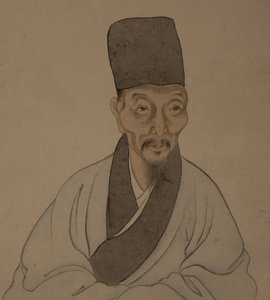
1494–1552, Čína
Čchiou Jing
Život vytesaný štětcem: Svět Qiu Ying Narodil se v pokročilých, skromných podmínkách roku 1494 ve městě Taicang, nedaleko dnešní provincie Jiangsu, a Qiu Ying vzlétl k nebesům jako jeden z nejslavnějších malířů dynastie Ming. Na rozdíl od mnoha umělců své éry, kteří těžíli ze vzdělaného rodinného původu a formálního vzdělání v ugruntovaných uměleckých kruzích, byla cesta Qiu Yingova neuvěřitelně vlastní. Svoji uměleckou cestu nezačal tradičními způsoby, ale jako učedník lakýrnika, kde si zdokonaloval dovednosti v detailní dekorativní práci – což byl základ, který hluboce ovlivnil preciznost charakteristickou pro jeho pozdější díla. Tato raná zkušenost mu vštěpila mistrovství v ovládání linie a barvy, vlastností, které dále zdokonaloval pod vedením Zhou Chena v Suzhou, tehdejším pulzujícím kulturním centru období Ming.
Také od autora Čchiou Jing
 Up the River During Qingming1644
 Zhao Mengfu Writing the Heart (Hridaya) Sutra in Exchange for Tea1542
 Lady Su Hui and Her Verse Puzzle501
 The Seven sages of the bamboo grove1552

Eseje k tématu Handscroll
 Understanding Chinese Painting: A Comparison of Gongbi and XieyiMaster the differences between Gongbi and Xieyi styles. Discover the history and techniques of Chinese ink painting now.
 25 Must-See Masterpieces at Berlin's Alte NationalgalerieExplore 25 iconic masterpieces from Berlin's Alte Nationalgalerie. From Romanticism to Impressionism, discover them all on OriginalUniqueAr…
 Understanding Chinese Art: Literati Painting and Song Academy PaintingMaster the distinction between Song Academy and Literati painting styles. Explore Chinese art history through expert analysis today.