

 Náhled v interiéru
 Sdílet
 Sdílet
 Podrobnosti o díle
 Průvodce

 Stáhnout
 Podobné položky
 Rentgenové snímky
 Slideshow
 Statistiky
Up the River During Qingming
 Acrylic On Canvas
- WallArt
- Ming Dynasty Landscape Painting
 1644
1644 34.0 x 804.0 cm
 Národní palácové muzeum v Taipei
 Zobrazit více
Ručně malovaná olejová reprodukce
Rukou malované olejné plátno v libovolném rozměru i s rámem, vyrobené našimi umělci na zakázku. ( Přepnout na tisk Přepnout na digitální obraz)




P118B Kč10

P118H Kč10

P118W Kč10

P438Z Kč10

P508JH Kč12

P508YH Kč12

P805H Kč10

P805Z Kč10

P919BZ Kč10

P919G Kč10

P919XJ Kč10

P959ZH Kč10

P968JZ Kč12

W106C Kč8

W218G Kč10

W218JH Kč8

W218Y Kč10

W307PJ Kč10

W316G Kč10

W316PJ Kč8

W316Y Kč10

W398PJ Kč8

W4111J Kč10

W500HY Kč15

W500JH Kč15

W692G Kč12

W849H Kč8

W940BG Kč15

W953PJ Kč8




Vyberte si z našich přednastavených velikostí, které odpovídají původním proporcím díla.

Zadejte šířku a výšku, které potřebujete pro váš rám nebo stěnu. Protože se jedná o ruční malbu, při výběru jiného formátu může umělec kolem obrazu domalovat o něco více, nebo jej mírně oříznout — rozhodnete si vy. Před zahájením malby vám zašleme digitální náhled ke schválení. Obraz zobrazený na této stránce neodpovídá skutečnému výsledku — pouze digitální náhled jej zobrazuje.
Po přijetí objednávky vám tým OriginalUniqueArt.com zašle e-mail s pokyny a poskytne náhledovou verzi.
Celosvětová doprava () za 3–4 týdny namísto standardních 5 týdnů. (26 říjen). Bez kompromisů v kvalitě.

Zdarma celosvětová expresní doprava

Vysoce kvalitní lněné plátno

Kompletní pojištění přepravy

Záruka vrácení celního poplatku

Záruka věrného barevného souladu

100dení lhůta pro vrácení zboží (pouze při vadách výroby)

100% záruka vrácení peněz

Sleva při více objednávkách
 Skleněná varianta je dostupná pouze u rozměrů menších než 110 cm

Up the River During Qingming
Technika reprodukce
Rozměry reprodukce
-


Celková cena za vybrané možnosti reprodukcí
Kč 6415
A Celebration of Springtime Majesty: Exploring Qiu Ying’s “Up the River During Qingming”
“Up the River During Qingming,” attributed to Qiu Ying (ca. 1494-1522), stands as a monumental achievement in Ming Dynasty landscape painting, embodying not merely visual beauty but also profound cultural significance. Executed during the reign of Emperor Huizong of the Song dynasty (1644–1911), this scroll captures the vibrant spirit of Qingming Festival – Tomb Sweeping Day – a solemn yet joyous occasion commemorating ancestors and honoring springtime renewal. Its enduring appeal lies in its masterful blend of meticulous observation, artistic innovation, and symbolic representation, cementing Qiu Ying’s place among China's Four Masters.The Landscape Vision: Detail and Illusion
The painting depicts a bustling scene along Lake Jinming, showcasing an astonishing level of detail that transcends mere topographical accuracy. The artist skillfully employs techniques honed under Zhou Chen’s tutelage to create an illusionistic space—a cornerstone of gongbi painting—where buildings appear to recede into the distance, trees shimmer with reflected light, and ripples dance across the water's surface. Mineral blue and green pigments dominate the palette, complemented by touches of cinnabar, gamboge, whitewash, and violet, resulting in a color scheme that is both opulent and harmonious. The layering of landscape forms—mountains, hills, pavilions, boats—is executed with painstaking precision, reflecting a deep understanding of perspective and atmospheric effects. This deliberate artistry elevates the scene beyond a simple depiction of nature; it aspires to evoke a feeling of grandeur and tranquility.A Symphony of Activity: Capturing Qingming Festivities
Beyond its breathtaking visual splendor, “Up the River During Qingming” is notable for its portrayal of diverse activities associated with Qingming Festival. The scroll depicts an imperial boat race—a spectacle designed to honor the deceased—complete with elaborately decorated boats and competitive racers vying for pennants. Furthermore, scenes of willow shooting, acrobatics, tightrope walking, and a military review underscore the festival’s multifaceted character. These figures are rendered with remarkable realism, capturing expressions of joy, excitement, and reverence. The artist's attention to detail extends beyond human subjects; he meticulously portrays architectural elements—the ornate pavilions and buildings lining the lake—emphasizing the grandeur of imperial patronage and celebrating the blossoming beauty of springtime.Symbolism Rooted in Tradition: Echoes of Confucian Values
The painting’s symbolism resonates deeply with Confucian ideals prevalent during the Ming Dynasty, reflecting a reverence for ancestors and an acknowledgment of the cyclical nature of life and death. The lake itself symbolizes purity and immortality—concepts central to Confucian cosmology—while the boats represent journeys toward enlightenment and remembrance. The meticulous depiction of rituals and ceremonies underscores the importance of filial piety and honoring familial heritage. Moreover, the inclusion of willow shooting—a traditional pastime symbolizing resilience and renewal—suggests a belief in overcoming adversity and embracing new beginnings.A Legacy Enduring Through Time: Influence and Reproduction
“Up the River During Qingming”’s impact extends far beyond its original creation. Dozens of copies bearing Qiu Ying's name survive today, demonstrating the painting’s enduring popularity and artistic prestige. Notably, three scrolls reside in the National Palace Museum collection, providing invaluable insight into Ming Dynasty art history. Its stylistic innovations—particularly the masterful illusionistic space and the vibrant color palette—have served as inspiration for subsequent generations of artists, ensuring that Qiu Ying's vision continues to captivate audiences worldwide. Reproductions of this masterpiece offer a tangible connection to China’s artistic heritage, allowing viewers to experience the sublime beauty and profound symbolism of “Up the River During Qingming.”Otázky a odpovědi
Jak mohu objevit umělecká díla podobná dílu „Up the River During Qingming“ od Qiu Ying?
Stránka Podobná díla pro dílo „Up the River During Qingming“ od Qiu Ying obsahuje související umělecká díla.
Jakou úroveň kontrastu má dílo „Up the River During Qingming“ od Qiu Ying?
Kontrast světla a stínu u díla „Up the River During Qingming“ je klasifikován jako Serene. Kontrast popisuje, jak výrazně se liší světlé a tmavé oblasti.
K kterému uměleckému směru patří „Up the River During Qingming“ od Qiu Ying?
„Up the River During Qingming“ je dílo z období Ming Dynasty Landscape Painting. Tento směr představuje uměleckou tradici, jejíž je dílo součástí.
Biografie umělce
Život vytesaný štětcem: Svět Qiu Ying
Narodil se v pokročilých, skromných podmínkách roku 1494 ve městě Taicang, nedaleko dnešní provincie Jiangsu, a Qiu Ying vzlétl k nebesům jako jeden z nejslavnějších malířů dynastie Ming. Na rozdíl od mnoha umělců své éry, kteří těžíli ze vzdělaného rodinného původu a formálního vzdělání v ugruntovaných uměleckých kruzích, byla cesta Qiu Yingova neuvěřitelně vlastní. Svoji uměleckou cestu nezačal tradičními způsoby, ale jako učedník lakýrnika, kde si zdokonaloval dovednosti v detailní dekorativní práci – což byl základ, který hluboce ovlivnil preciznost charakteristickou pro jeho pozdější díla. Tato raná zkušenost mu vštěpila mistrovství v ovládání linie a barvy, vlastností, které dále zdokonaloval pod vedením Zhou Chena v Suzhou, tehdejším pulzujícím kulturním centru období Ming. Právě v tomto dynamickém prostředí Qiu Ying skutečně začal rozkvétat, vstřebával techniky a vyvíjel svůj vlastní, jedinečný umělecký hlas.Mistr všestrannosti: Styl a technika
Genius Qiu Yingův nespočíval v rigidním dodržování jedné školy či stylu, ale v jeho neobyčejné všestrannosti. Zatímco Suzhou bylo pevninou jemného štěpkového malování (shuimohua) preferovaného školou Wu, Qiu Ying prokázal výjimečnou schopnost ovládnout jak tento nuancovaný přístup, tak živobné a detailní techniky gongbi. Tato přizpůsobivost mu umožnila vyhovět rozmanitému klientelu s různým vkusem a ugruntovala jeho postavení vysoce žádaného umělce. S obratností propojoval tyto techniky a často do svých kompozic vnášel prvky stylu zelené a modré – známého svou bohatou kolorací a intricátní detailností. Jeho malby jsou odlišné neuvěřitelnou vyvážeností barev, pečlivou pozorností k detailu a schopností zachytit jak velkolepé panoramatické krajiny, tak intimní, jemně vykreslené scény. Tato technická zdatnost nebyla pouze otázkou dovednosti; byla to snaha o vyprávění příběhů, o předávání emocí a o vdechování života narativům na hedvábí či papíře.Mecenášství a rozkvět kariéry
Kariéra Qiu Yingova rozkvětala díky štědré podpoře bohatých patronů, kteří si neobjednávali díla z širokého spektra témat. Maloval krajiny naplno prosycené atmosférickou perspektivou, náboženské scény vyzařující duchovní oddanost, jemné zobrazení květin a zahrad pulzujících životem i poutavé figurativní kompozice, které zachycovaly samotnou podstatu svých postav. Mezi jeho nejslavnější tvorbu patří mistrovná ztvárnění jako Up the River During Qingming, inspirované ikonickým dílem ze severní dynastie Song; Lady in a Bamboo Grove, demonstrující jeho schopnost vykreslit elegantní postavy v přírodním prostředí; The Seven Sages of the Bamboo Grove, prokazující jeho pochopení klasických literárních témat; a Spring Morning in the Han Palace, živoucí zobrazení dvorského života. Klíčoví patroni, jako Chen Guan ze Suzhou, a později Zhou Fenglai a Xiang Yuanbian – oba významní sběratelé umění – hráli zásadní roli v podpoře jeho uměleckých snah a poskytovali mu svobodu k prozkoumávání vlastní kreativity a zdokonalování techniky.Odkaz a trvalý vliv
Talent a všestrannost Qiu Yingovi vynesly místo mezi „Čtyřmi mistry“ dynastie Ming – což je důkaz jeho hlubokého dopadu na čínské malířství. Propojil propast mezi tradičními styly a tehdejšími vkusy a vytvářel díla, která byla technicky brilantní i esteticky příjemná. Jeho malby odrážejí vlivy dřívějších mistrů, zejména těch ze dynastie Song, ale on tyto historické předchůdce uměle skloubil s estetikou své vlastní doby. On jen neimitoval; on syntetizoval, inovoval a nakonec vytvořil styl, který byl zcela jeho vlastní. Po svou smrt se vliv Qiu Yingův rozšířil na generace umělců, kteří obdivovali jeho mistrovskou techniku a inovativní přístup. Zůstává oslavovanou postavou v historii čínského umění, uctívanou pro svou schopnost zachytit krásu, předat význam a zanechat nezmazatelnou stopu v umělecké krajině. Dokonce i dnes zdobí jeho jméno kráter na Merkuru – což je důstojná pocta umělci, jehož vize sahala daleko za pozemské hranice. Jeho odkaz nadále vyvolává úžas a obdiv mezi milovníky umění po celém světě.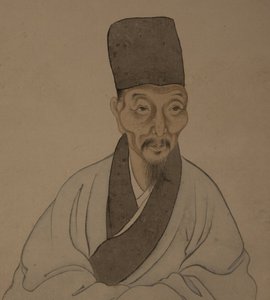
Qiu Ying
1494 - 1552 , Čína
Rychlé informace o umělci
- Artistic Movement Or Style: Gongbi, Wu School
- Artists Or Movements Influenced By This Artist: ['Umělci dynastie Ming']
- Artists Who Influenced This Artist: ['Mistři dynastie Song']
- Date Of Birth: 1494
- Date Of Death: 1552
- Full Name: Qiu Ying
- Nationality: Čínský
- Notable Artworks:
- Cesta vzhůru řekou během festivalu Qingming
- Dáma v bambusovém háji
- Sedmi mudrci v bambusovém háji
- Jarní ráno v paláci Han
- Place Of Birth: Taicang, Čína
Související články
Evoking Nature's Sublime: A Comprehensive Exploration of 19th-Century Landscape Painting
Explore the captivating world of 19th-century landscape painting! Discover renowned artists like Friedrich & Monet, key movements, and find the perfect artwork to bring nature's serenity into your home. Expert insights at OriginalUniqueArt.

John Constable: 25 mistrovských děl krajinářské poezie | OriginalUniqueArt.com
Prozkoumejte 25 ikonických děl Johna Constabla, mistra anglického krajinářství a romantismu. Obdivujte jeho olejomalby, plátna s venkovskou atmosférou a inspirujte se pro dekoraci interiéru. Reprodukce obrazů nejvyšší kvality na OriginalUniqueArt.com

Romantická krajina v malbě: 10 mistrovských děl, které definovaly umělecký proud | OriginalUniqueArt
Prozkoumejte 10 ikonických děl romantické krajinářské malby! Objevte příběhy Caspara Davida Friedricha, Turnera a dalších mistrů. Reprodukce obrazů nejvyšší kvality pro váš interiér na OriginalUniqueArt.com.

Evocations of Place: A Historical Journey Through Landscape Art
Explore the rich history of landscape art with OriginalUniqueArt. Discover renowned artists, movements like Impressionism & tonalism, and expert guidance for collecting timeless pieces. Find your perfect serene escape today!

Evocations of Place: A Historical Journey Through Landscape Art
Explore the rich history of landscape art with OriginalUniqueArt. Discover renowned artists, movements like Impressionism & Romanticism, and expert guidance for collecting timeless pieces. Find your perfect serene escape today!