
 Náhled v interiéru
 Sdílet
 Sdílet
 Podrobnosti o díle
 Průvodce

 Stáhnout
 Podobné položky
 Rentgenové snímky
 Slideshow
 Q&A
Q&A Statistiky
Rock Form

- 70.0 x 90.0 cm

 Zobrazit více
Umělecké dílo zobrazené na této stránce je chráněno autorským zákonem, což znamená, že nemůžeme legálně vytvářet ani prodávat jeho identickou reprodukci. Tato ochrana je vymáhána na základě mezinárodních dohod, jako například Berberská úmluva a národními zákony, včetně těch stanovených v Americký autorský zákon – Díl 17. Všechna práva vyhrazena.
Tato metoda je plně v souladu s autorským právem, protože nezahrnuje kopírování ani duplikování chráněného díla. Jde o kreativní reinterpretaci – nový obraz, který je inspirován originálem, ale není s ním identický.
Giclée / Umělecký tisk
Giclée nebo plátěný tisk muzeální kvality s rychlou výrobou a širokou nabídkou povrchových úprav. ( Koupit ručně malovaný obraz Přepnout na digitální obraz)




































Vyberte si z našich přednastavených velikostí, které odpovídají původním proporcím díla.

Zadejte šířku a výšku, které potřebujete pro váš rám nebo stěnu. Tisk lze pouze oříznout, nikdy však nelze zvětšit obraz nad jeho původní rozměr, proto při výběru jiného formátu dochází ke ztrátě části obrazu. Před samotným tiskem vám zašleme digitální náhled k schválení. Obraz zobrazený na této stránce nenabízí skutečný výřez — ten uvidíte pouze v náhledu.
Celosvětové doručení () do 2 týdnů namísto standardních 4/5 týdnů. (31 říjen)

Zdarma celosvětová expresní doprava

Vysoce kvalitní lněné plátno

Kompletní pojištění přepravy

Záruka vrácení celního poplatku

Záruka věrného barevného souladu

100dení lhůta pro vrácení zboží (pouze při vadách výroby)

100% záruka vrácení peněz

Sleva při více objednávkách
 Skleněná varianta je dostupná pouze u rozměrů menších než 110 cm

Rock Form
Giclée / Umělecký tisk
Rozměry reprodukce
-


Celková cena za vybrané možnosti reprodukcí
Kč 1739
Biografie umělce
Early Life and Artistic Training
John Elwyn, born William John Davies in Adpar, Newcastle Emlyn, South Cardiganshire, on November 20, 1916, was steeped in the traditions of a rural Welsh landscape from his earliest years. His childhood unfolded amidst the rolling hills and close-knit communities of West Wales, experiences that would profoundly shape his artistic vision for decades to come. He attended Carmarthen School of Art from 1935 to 1937, laying the groundwork for his future career, followed by studies at the Bristol College of Art (1937–1938) and ultimately the prestigious Royal College of Art in London (1938–1940 and 1946–1947). It was during his time at the Royal College that he adopted the name John Elwyn, a deliberate choice reflecting his deep connection to his homeland. The rigorous training provided him with technical skills – particularly in watercolor techniques – alongside exposure to broader artistic movements, though he remained steadfastly rooted in his own distinctive style. His conscientious objection during World War II led him away from formal study and into the more immediate realities of rural labor, working as a forestry worker and later in market gardening in Cardiff’s Quaker community—a period that would inform his later depictions of agricultural life.The Development of a Distinctive Style
Elwyn's artistic journey wasn't immediately defined by grand pronouncements or radical experimentation. Initially influenced by the British watercolour tradition, particularly the work of artists like William Orpen, he gradually developed a unique approach characterized by a remarkable sensitivity to light and atmosphere. His early works, produced in the late 1940s and early 1950s, depicted scenes of everyday rural life – chapel gatherings, festivals, and funerals—rendered with a quiet dignity and an intimate understanding of Welsh social customs. These paintings weren’t merely representations; they were imbued with a palpable sense of community and tradition. A pivotal shift occurred in the mid-1950s when Elwyn began to focus on the lives of miners and their surroundings near Pont-Rhyd-y-Fen, capturing the harsh beauty of the Swansea Valley landscape and the stoic resilience of its inhabitants. This period marked a move towards greater social commentary within his work. Later, between 1955 and 1960, he explored the changing seasons in his own garden at Winchester, moving toward a more introspective style.Abstraction and Return to Landscape
In the early 1960s, Elwyn embarked on a period of experimentation with abstraction, driven by a desire to explore the inner structures of natural forms – the intricate patterns within blooms and seed pods. This phase, lasting approximately ten years, saw him moving away from direct representation, focusing instead on capturing the essence of his subjects through color and form. However, he didn’t remain confined to abstract expressionism for long. Around 1970, Elwyn made a conscious decision to return to landscape painting, drawing upon his lifelong memories of Cardiganshire. This return was not simply a nostalgic retreat; it represented a deepening of his artistic commitment to portraying the region's unique character and spirit. He continued to draw inspiration from the rolling hills, solitary farms, and quiet villages that defined his childhood, creating paintings that were both evocative and deeply personal.Recognition and Legacy
Throughout his career, John Elwyn received numerous accolades recognizing his contribution to Welsh art. He was elected a member of the Royal Cambrian Academy in 1979, an honor bestowed upon artists who have demonstrated exceptional skill and dedication to their craft. In 1982, he became an Honorary Member of the Gorsedd of Bards, a prestigious organization dedicated to preserving Welsh culture and tradition. In 1996, on his 80th birthday, the National Library of Wales staged a major retrospective exhibition showcasing his extensive body of work, accompanied by a comprehensive monograph by Robert Meyrick. His paintings are now held in significant public collections across Wales and beyond, including the National Library of Wales, the National Museum of Wales, and Leeds University. John Elwyn’s legacy lies not only in the beauty of his paintings but also in their profound evocation of Welsh identity—a testament to a life dedicated to capturing the spirit of a landscape and its people. He died on November 13, 1997, leaving behind a substantial body of work that continues to resonate with viewers today.
John Elwyn
1916 - 1997
Rychlé informace o umělci
- Full Name: William John Elwyn Davies
- Nationality: Welsh
- Date Of Birth: 1916
- Date Of Death: 1997
- Place Of Birth: Adpar, Newcastle Emlyn
- Notable Artworks:
- Sparshot Village
- Dyfed Landscape
- Artistic Movement Or Style: Landscape painting
- Artists Who Influenced This Artist: ['John Frederick Lewis']
- Artists Or Movements Influenced By This Artist: ['Welsh landscape tradition']
Související články

John Singer Sargent: 25 mistrovských děl a inspirace pro váš domov | OriginalUniqueArt.com
Objevte 25 ikonických děl Johna Singera Sargenta – portrétů, impresionistických krajin a elegantních kompozic. Prozkoumejte příběhy umění, techniky a inspiraci pro váš interiér s reprodukcemi nejvyšší kvality na OriginalUniqueArt.com

John Constable: 25 mistrovských děl krajinářské poezie | OriginalUniqueArt.com
Prozkoumejte 25 ikonických děl Johna Constabla, mistra anglického krajinářství a romantismu. Obdivujte jeho olejomalby, plátna s venkovskou atmosférou a inspirujte se pro dekoraci interiéru. Reprodukce obrazů nejvyšší kvality na OriginalUniqueArt.com

Top 10 mistrovských děl abstraktního expresionismu | Umění a dekorace s OriginalUniqueArt.com
Prozkoumejte 10 ikonických děl abstraktního expresionismu od Pollocka, Rothka a dalších. Objevte příběhy za obrazy, techniky a barevné palety tohoto revolučního uměleckého hnutí. Reprodukce obrazů s OriginalUniqueArt.com – luxusní dekorace pro váš interiér. Prozkoumejte celou kolekci online!

Romantická krajina v malbě: 10 mistrovských děl, které definovaly umělecký proud | OriginalUniqueArt
Prozkoumejte 10 ikonických děl romantické krajinářské malby! Objevte příběhy Caspara Davida Friedricha, Turnera a dalších mistrů. Reprodukce obrazů nejvyšší kvality pro váš interiér na OriginalUniqueArt.com.
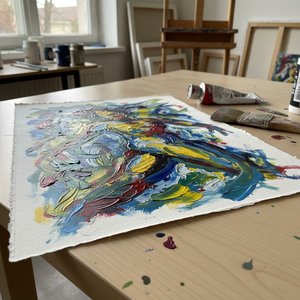
Acrylic on Paper: A Modern Canvas for Contemporary Expression
Explore the versatility of acrylic painting on paper! Discover expert techniques, artist insights & archival practices for creating stunning contemporary art. Learn more at OriginalUniqueArt.