

 Zobrazit v interiéru
 Odeslat
 Sdílet
 Podrobnosti
 Průvodce

 Stáhnout obrázek
 Podobné kousky
 Rentgenové snímky
 Slideshow
 Statistiky
Crossing the Bridge
 Oil On Canvas
- WallArt
- Rococo Elegance
 1730
1730- Early Modern
 59.0 x 72.0 cm
 Státní Ermitáž
 Přečíst si více
Ručně malovaná olejová reprodukce
Ručně malované olejné plátno v libovolném rozměru i s rámem, vyrobené našimi umělci na zakázku. ( Přepnout na tiskové verze Přepnout na digitální verzi obrazu)




P118B Kč10

P118H Kč10

P118W Kč10

P438Z Kč10

P508JH Kč12

P508YH Kč12

P805H Kč10

P805Z Kč10

P919BZ Kč10

P919G Kč10

P919XJ Kč10

P959ZH Kč10

P968JZ Kč12

W106C Kč8

W218G Kč10

W218JH Kč8

W218Y Kč10

W307PJ Kč10

W316G Kč10

W316PJ Kč8

W316Y Kč10

W398PJ Kč8

W4111J Kč10

W500HY Kč15

W500JH Kč15

W692G Kč12

W849H Kč8

W940BG Kč15

W953PJ Kč8




Vyberte si z našich přednastavených velikostí, které odpovídají původním proporcím díla.

Zadejte šířku a výšku, které potřebujete pro váš rám nebo stěnu. Protože se jedná o ruční malbu, při výběru jiného formátu může umělec kolem obrazu domalovat o něco více, nebo jej mírně oříznout — rozhodnete si vy. Před zahájením malby vám zašleme digitální náhled ke schválení. Obraz zobrazený na této stránce neodpovídá skutečnému výsledku — pouze digitální náhled jej zobrazuje.
Po přijetí objednávky vám tým OriginalUniqueArt.com zašle e-mail s pokyny a poskytne náhledovou verzi.
Celosvětová doprava () za 3–4 týdny namísto standardních 5 týdnů. (23 říjen). Bez kompromisů v kvalitě.

Zdarma celosvětová expresní doprava

Vysoce kvalitní lněné plátno

Úplné pojištění přepravy

Záruka vrácení celního poplatku

Záruka věrného barevného shodu

100dení lhůta pro vrácení zboží (pouze při vadách výroby)

100% garance vrácení peněz

Sleva při více objednávkách
 Skleněná varianta je dostupná pouze u rozměrů menších než 110 cm

Crossing the Bridge
Technika provedení
Velikost reprodukce
-


Celková cena
Kč 6434
A Pastoral Dream in Pastel: The Enchantment of Crossing the Bridge
In the soft, luminous glow of the 18th century, few artists captured the ephemeral beauty of a summer afternoon as masterfully as François Boucher. His work, "Crossing the Bridge," serves as a breathtaking window into the Rococo era—a period defined by an unapologetic pursuit of grace, leisure, and aesthetic delight. At first glance, the viewer is transported to an idealized countryside, where the stresses of urban life dissolve into a tranquil tableau of pastoral serenity. A woman, moving with effortless poise, leads her horse and sheep across a weathered stone bridge, her journey mirrored by the slow, rhythmic presence of grazing cows and a watchful dog. This is not merely a landscape; it is a carefully orchestrated symphony of movement and stillness, designed to evoke a sense of profound peace and aristocratic nostalgia.
< p>The composition itself is a masterclass in balance and visual storytelling. Boucher employs a sophisticated pyramidal structure, anchoring the eye with the imposing silhouette of a majestic castle perched atop a distant hillside. This architectural weight provides a sense of permanence that contrasts beautifully with the fleeting, delicate nature of the foreground elements. The bridge acts as more than just a physical path; it serves as a narrative conduit, guiding the observer’s gaze from the intimate details of the animals and the traveler toward the grand, aspirational heights of the fortress. Through this clever arrangement, Boucher creates a sense of depth that invites the viewer to step into the canvas, wandering through the lush greenery and feeling the warmth of the sun-drenched landscape.Technique and the Radiance of Rococo Light
To behold "Crossing the Bridge" is to witness the pinnacle of Rococo technique. Boucher was a virtuoso of trompe l'oeil effects, utilizing meticulous layering of pigments to breathe life into textures that feel almost tactile. One can almost sense the coarse wool of the sheep, the sturdy grain of the stone bridge, and the velvet softness of the meadow grass. His palette is famously ethereal, dominated by a romantic spectrum of pinks, peaches, and lavenders. These pastel hues do not merely decorate the scene; they bathe it in an atmospheric light that softens the edges of reality, creating a dreamlike quality that is both captivating and soothing.
The artist’s brushwork remains a subject of profound admiration for collectors and historians alike. While his strokes are delicate enough to capture the subtle gradations of a cloud or the gentle ripple of water, they possess an underlying confidence that lends the scene its vitality. This balance between precision and fluidity is what allows the painting to transcend mere imitation of nature, instead offering an elevated, idealized version of it. For the interior designer or the discerning art lover, this piece offers a unique opportunity to introduce a sense of historical grandeur and luminous warmth into a space, acting as a focal point that radiates elegance and timeless charm.
A Legacy of Elegance for the Modern Collector
Beyond its aesthetic brilliance, "Crossing the Bridge" carries the weight of historical significance. Created in 1730, during the reign of Louis XV, the painting reflects the cultural values of a society that found beauty in the pastoral and the idyllic. The inclusion of livestock is not merely incidental; it pays homage to the agricultural foundations of French life, reimagined through a lens of aristocratic refinement. It is a celebration of a world where nature and civilization exist in perfect, harmonious equilibrium.
For those seeking to adorn their homes or galleries with works of profound emotional impact, a high-quality reproduction of this Boucher masterpiece offers more than just decoration. It provides an infusion of culture and a constant reminder of the enduring power of beauty. Whether placed in a sunlit morning room or a sophisticated study, "Crossing the Bridge" continues to inspire awe, offering a quiet sanctuary of color and light that remains as relevant and enchanting today as it was three centuries ago.
Otázky a odpovědi
Do jaké místnosti se doporučuje „Crossing the Bridge“ od François Boucher?
Dílo „Crossing the Bridge“ od François Boucher je doporučeno do Living Room. Toto doporučení vychází z tématu, barevnosti a nálady daného díla.
Z jakého materiálu je vyrobeno dílo "Crossing the Bridge"?
„Crossing the Bridge“ je vytvořeno v technice Oil On Canvas.
Je dílo „Crossing the Bridge“ od François Boucher spíše světlé, nebo tmavé?
„Crossing the Bridge“ má celkovou jasnost shadow a jeho luminance je Soft Shadow.
Biografie umělce
François Boucher: The Painter of Rococo Dreams
François Boucher (1703–1770) remains one of the most captivating and enduring figures in the history of French art. More than just a painter, he was a master orchestrator of beauty, a conduit for the aristocratic sensibilities of his time, and a pivotal architect of the Rococo style. His canvases shimmer with pastel hues, overflow with mythological grace, and whisper tales of pleasure, leisure, and an idealized world – a realm where elegance reigned supreme.
Early Years and Artistic Foundations
Born in Paris on September 29th, 1703, François Boucher’s artistic journey began not within the hallowed halls of a prestigious academy, but under the watchful eye of his father, Jean Boucher, a skilled embroiderer and painter of decorative patterns. This early exposure to craftsmanship instilled in him a meticulous attention to detail and an appreciation for refined aesthetics. At seventeen, he secured an apprenticeship with François Lemoyne, a leading painter at the Louvre, gaining invaluable experience in fresco painting – a demanding discipline that honed his technical skills and understanding of composition. Crucially, he also studied under Jean-François Cars, a renowned engraver, which significantly influenced his later work, particularly his use of line and detail.
The Grand Prix de Rome and Italian Influence
A defining moment in Boucher’s career arrived in 1720 when he won the prestigious Grand Prix de Rome. This competition, established by Pope Benedict XIV to encourage French artists to study in Italy, provided Boucher with a rare opportunity to immerse himself in the artistic treasures of Rome. He spent several years absorbing the influence of masters like Caravaggio and Tiepolo, particularly their dramatic use of light and shadow, and their ability to imbue religious subjects with intense emotion. The experience profoundly shaped his style, introducing him to new techniques and inspiring a shift towards a more dynamic and expressive approach – though he retained the delicate elegance characteristic of Rococo.
Ascension at Court: Madame de Pompadour and Royal Patronage
Upon his return to France in 1727, Boucher was immediately admitted to the Académie Royale de Peinture et de Sculpture. His debut work, “Rinaldo and Armida” (1734), a grand historical painting depicting a legendary love story, instantly established him as a rising star. However, it was his association with Madame de Pompadour, Louis XV’s influential mistress, that truly propelled him to the pinnacle of artistic fame. She became his most devoted patron, commissioning numerous works – portraits, mythological scenes, and decorative panels – that adorned her lavish estate at Versailles. Boucher's ability to capture the essence of aristocratic elegance and create a world of refined beauty made him indispensable to the court.
A World of Myth and Grace: Key Works and Themes
Boucher’s oeuvre is remarkably diverse, encompassing a wide range of subjects while consistently maintaining his signature style. His paintings frequently depict scenes from classical mythology – “The Triumph of Venus” (1740-1751) stands as a particularly dazzling example of his mastery in this genre, showcasing a multitude of nude figures amidst lush landscapes. He also excelled at portraiture, capturing the beauty and charm of noblewomen like Madame de Pompadour herself. Beyond these subjects, Boucher created numerous idyllic pastoral scenes – “The Breakfast” (1739) is a delightful example of domestic tranquility – and even ventured into landscape painting, producing works such as "The Setting of the Sun," characterized by their lyrical beauty and evocative atmosphere. Throughout his work, recurring themes include love, beauty, leisure, and an idealized vision of nature.
Legacy and Lasting Influence
François Boucher’s influence extended far beyond his own paintings. He designed costumes and sets for the theater, created elaborate tapestries for the Beauvais workshops, and collaborated with the Gobelins Manufactory, shaping the visual language of the French court and contributing significantly to the development of decorative arts. Despite facing criticism later in his career – some critics accused him of prioritizing superficial beauty over genuine emotion – Boucher’s impact on subsequent generations of artists is undeniable. He profoundly influenced figures like Jean-Honoré Fragonard, and his style helped pave the way for Neoclassicism through the work of his students. Today, François Boucher remains a celebrated figure in art history, remembered as the quintessential painter of Rococo – a master of elegance, grace, and the pursuit of beauty.

François Boucher
1703 - 1770 , Francie
Rychlé informace
- Artistic Movement Or Style: Rokoko
- Artists Or Movements Influenced By This Artist: ['Neoklasicismus']
- Artists Who Influenced This Artist:
- François Lemoyne
- Jean-François Cars
- Date Of Birth: 29. září 1703
- Date Of Death: 30. května 1770
- Full Name: François Boucher
- Nationality: Francouzský
- Notable Artworks:
- Rinaldo a Armida
- Snídaně
- Triumf Veny
- Vulcan a Venuše
- Place Of Birth: Paříž, Francie
Související články
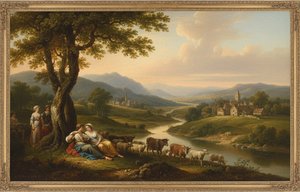
Idyllic Visions: Exploring the Pastoral Tradition in Western Art – Themes, Techniques & Enduring Appeal
Explore the rich history of pastoral art from classical Arcadia to contemporary interpretations. Discover key artists, themes & collecting tips at OriginalUniqueArt.

Top 10 mistrovských děl rokokového umění | OriginalUniqueArt.cz
Prozkoumejte 10 ikonických děl rokokového umění – Fragonard, Boucher a další. Objevte příběhy mistrů, techniky a pastelové barvy tohoto elegantního stylu. Reprodukce obrazů nejvyšší kvality na OriginalUniqueArt.cz!
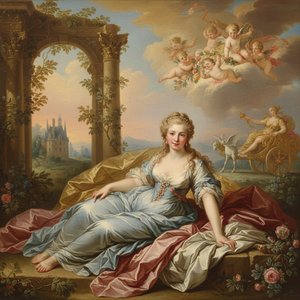
François Boucher: Rococo Master of Myth, Sensuality, and the French Court
Explore the captivating world of François Boucher, master of Rococo painting! Discover his iconic works, aristocratic patronage, and lasting influence on French art history. Learn more at OriginalUniqueArt.

Idyllic Visions: Exploring the Pastoral Scene in Art History – From Arcadia to Modern Interpretations
Explore the captivating history of pastoral art from classical Arcadia to modern masterpieces. Discover key artists like Millet & Cole at OriginalUniqueArt. Find serene landscape paintings for your home.

The Rococo Aesthetic: Opulence, Rebellion & the Pursuit of Pleasure in 18th-Century Art
Explore the opulent world of Rococo art! Discover its origins, key artists like Watteau & Boucher, and lasting influence on design. Expert insights for collectors & enthusiasts.

