1of 71
Ел Греко 1541–1614
Гръцки-Испански Born in Ираклио Ренесанс и Барокко Wikipedia in 31/32 languages

Mannerist, one artist at a time
Ел Греко (1541–1614) is the most famous Mannerist художник, whose singular vision gave us Погребението на граф Оргаз и Вид на Толедо. Next stand Тинторето, Джузепе Арчимболдо, Аньоло Брондзино и Софонизба Ангуисола. These 71 художници, from Амико Аспертини (born 1475) to Кристофано Алори (born 1577), came from 14 countries.
Our selection. Artists whose works our catalogue attaches to Mannerist, in the order of our fame ranking. Artists born after 1955 with no Wikidata identifier stay out until verified. The Wikipedia figure counts our 32 languages with an article on the artist.
In brief
One artist at a time
1of 71
Гръцки-Испански Born in Ираклио Ренесанс и Барокко Wikipedia in 31/32 languages
2of 71
Италианец Born in Венеция Маньелизъм, Венецианска школа Wikipedia in 31/32 languages

3of 71
Италианец Born in Милано Манериз, Сюрреализъм Wikipedia in 30/32 languages

4of 71
Италиански Born in Флоренция Мannerism Wikipedia in 29/32 languages

Bronzino’s formative years were marked by exposure to the artistic currents of Florence under Pontormo's guidance. Simultaneously, he absorbed lessons from Andrea del Sarto, mastering the techniques of sfumato and chiaroscuro—methods pioneered by Leonardo da Vinci—which would become hallmarks of his later work.
5of 71
Италиански Born in Кремона Ренесанс изкуство Wikipedia in 29/32 languages

8of 71
Италианец Born in Арецо Ренесансова школа Wikipedia in 31/32 languages

This groundbreaking text wasn’t merely a collection of biographies; it established a narrative framework for the development of Italian Renaissance art, tracing its evolution from the early masters like Cimabue and Giotto to his contemporaries Michelangelo and Raphael.
Teacher of Jacopo Zucchi #54, Federico Zuccari #41
10of 71
Италиенец Born in Флоренция Маниеризъм Wikipedia in 27/32 languages

11of 71
Италианец Born in Венеция Ренесанс, Маниеризм Wikipedia in 23/32 languages

12of 71
Нюландски Born in Брауншвейг Северен маниеризъм & Барок Wikipedia in 19/32 languages

Hendrik Goltzius, a name synonymous with the vibrant dynamism of Northern Mannerism in Dutch art, was born in 1558 in Mulebrecht, a small village nestled within the Duchy of Jülich (now part of Germany). Furthermore, Goltzius’s own compositions—including series depicting the Story of Ruth, the History of Lucretia, and scenes from the life of Christ—demonstrated his exceptional artistic vision and technical skill.
13of 71
Italian Born in Кастелнуово Берарденга Mannerism Wikipedia in 21/32 languages

Born around 1486 in Montaperto, a humble Tuscan village near Siena, his artistic journey unfolded with remarkable dynamism, culminating in a style that bridged the High Renaissance and the burgeoning complexities of Mannerism. More than merely mastering technique; Beccafumi possessed an unwavering conviction—a sensibility rooted in Sienese heritage yet boldly embracing innovation. Returning to Siena after Rome, Beccafumi continued to refine his artistic style—a synthesis that solidified his reputation as a champion of Sienese tradition while simultaneously anticipating the stylistic upheavals of Mannerism.
14of 71
Нидерландски Born in Амстердам Северен манеризъм Wikipedia in 28/32 languages

15of 71
Фламандска Born in Антверпе Северен маньеризъм Wikipedia in 18/32 languages

16of 71
Италианка Born in Болоня Манеризм, Барокo Wikipedia in 26/32 languages

17of 71
Born in Урбино Wikipedia in 24/32 languages

“Пет скици на мъжка фигура и две на дясната му ръка и рамо” (Галерия Уфици, Флоренция) са ярък пример за способността му да улавя човешката форма с невероятна прецизност и реализъм. “Композиционен ескиз” (за “Обрязването”, Лувър, Париж) демонстрира неговия усет към баланса на композицията и изразяването на емоции.
Signature works · The 100 signature works
18of 71
Германец Born in Кьолн Маниеристично рисуване Wikipedia in 26/32 languages

19of 71
Италианец Born in Флоренция Маниеризъм Wikipedia in 23/32 languages

20of 71
Италианец Born in Флоренция Манеризъм Wikipedia in 24/32 languages

Jerome" фреска допълнително демонстрира умението му за повествователно изкуство и илюзорно пространство. Allori’s paintings remain valuable testaments to the elegance and intellectual complexity of Florentine Mannerism, offering a glimpse into a world where art was not merely about representation but about the pursuit of idealized beauty and refined expression.
21of 71
Италианец Born in Модена Маниеризъм Wikipedia in 25/32 languages

24of 71
Италиански Born in Флоренция Маниеризъм Wikipedia in 17/32 languages

26of 71
Фламандска Born in Мюлебеке Северен маньеризъм Wikipedia in 20/32 languages

27of 71
Италиенец Born in Волтера Маниеризъм Wikipedia in 17/32 languages

Signature works · The 100 signature works
29of 71
Италианец Born in Болоня Позден Ренесанс и Маниеризъм Wikipedia in 18/32 languages

Signature works · The 100 signature works
30of 71
Нидерландска Born in Утрехт Маниеризъм Wikipedia in 14/32 languages

31of 71
Италианец Born in Болоня Маниеризъм Wikipedia in 22/32 languages

Whether through the delicate line work of a chalk drawing like Ceres or the monumental scale of fresco fragments such as Ulysses Winning the Archery Contest in the Presence of Penelope, Primaticcio’s oeuvre remains a testament to an artist who could navigate the complexities of myth, majesty, and the human psyche with unparalleled grace.
32of 71
Фламен Born in Лайден Манеризъм Wikipedia in 15/32 languages

A significant undertaking during this period was a series of twelve paintings depicting battles between Romans and Batavians, commissioned by the Dutch States General based on earlier engravings he had produced.
Pupil of Federico Zuccari #41
33of 71
Италиенец Born in Монеля Генуезска школа, Маниеризъм Wikipedia in 15/32 languages

35of 71
Италианец Born in Басано дел Грапа Венецианско Ренесанс Wikipedia in 12/32 languages

36of 71
Flemish Late Mannerism

Early Life & Training: De Clerck’s formative years are shrouded in obscurity, though evidence suggests he received training under Jan Brueghel the Elder, a titan of Flemish landscape painting and a pivotal influence on de Clerck's artistic approach. Among De Clerck’s most celebrated achievements is “The Deposition,” commissioned for St.
37of 71
Италиански Born in Басано дел Грапа Маниеризъм Wikipedia in 13/32 languages

38of 71
Italian Born in Florence Mannerist Painting Wikipedia in 15/32 languages

Whether depicting the celestial grace of a Madonna with Child or the dramatic tension found in works like The Fall of the Giants, Perino possessed a unique talent for blending the monumental with the delicate.
39of 71
Flemish Born in Bruges Renaissance, 16th Century Painting Wikipedia in 15/32 languages

In 1550, Stradanus embarked on a transformative journey to Florence, where he entered the service of the Medici family, then one of the most powerful and influential families in Europe. The Metropolitan Museum of Art’s collection features a significant drawing by Stradanus – “ Allegory of America” – offering valuable insight into his artistic vision and providing a tangible connection to this remarkable Florentine master.
Teacher of Antonio Tempesta #56
40of 71
Италиенец Born in Порденоне Ренесансова живопис Wikipedia in 16/32 languages

41of 71
Italian Born in Sant'Angelo in Vado Mannerism Wikipedia in 18/32 languages

Their collaborative spirit yielded masterpieces such as “The Holy Family ” in Palazzo Vecchio, a work that serves as a testament to their unified artistic language. This ambition is perhaps most tangibly felt in Casa Zuccari in Florence, a residence built around 1578.
43of 71
Dutch Born in Gouda Mannerism Wikipedia in 13/32 languages

Encouragement also came from Dirck Crabeth, a celebrated stained-glass artist and brother to Wouter Crabeth, whose wife may have been related to Ketel – suggesting a network of familial support within the artistic community.
44of 71
Flemish Born in Hulst Mannerism, Renaissance Wikipedia in 8/32 languages

The influence of Hieronymus Bosch is also readily apparent in Mostaert’s oeuvre, particularly in compositions derived from tapestries based on Bosch's fantastical creations. Perhaps his most famous work, The Haywain (Allegory on Worldly and Clerical Abuses), exemplifies this inspiration. He played a crucial role in the development of both genre and landscape art within Antwerp, pushing boundaries and inspiring subsequent generations of artists.
45of 71
Италианец Born in Флоренция Флорентински маньеризъм Wikipedia in 11/32 languages

Unlike the balanced compositions favored by his contemporaries, Bacchiacca often employed asymmetrical arrangements, creating a feeling of instability and tension. He was particularly adept at portraying women, imbuing them with a captivating blend of vulnerability and strength. John the Baptist,” now housed in Berlin, and “Ghismonda with Heart of Guiscardo,” a dramatic portrayal of a tragic love story displayed at the Lowe Art Museum in Miami.
47of 71
Italian Born in Florence Proto-Baroque & Counter-Maniera Wikipedia in 14/32 languages

The legacy of Santi di Tito is etched into the very fabric of Italian art history.
48of 71
Италианец Born in Караваджо Маниеризъм Wikipedia in 10/32 languages

49of 71
Италианска Born in Кремона Фламандски стил / Ломбардски натурализъм Wikipedia in 13/32 languages

50of 71
Italian Born in Zadar Baroque Sculpture; Mannerism Wikipedia in 14/32 languages

The career of Andrea Schiavone was one of prolific achievement, leaving behind a body of work that includes everything from intimate etchings to monumental religious narratives.
51of 71
Италиенец Born in Верона Късен Ренесанс и Маниеризъм Wikipedia in 11/32 languages

52of 71
Italian Born in Bologna Mannerism Wikipedia in 10/32 languages
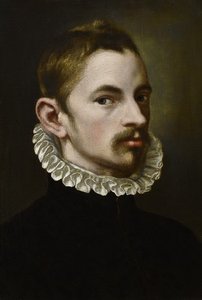
The historical significance of Bartolomeo Passarotti lies in his role as a foundational figure for the Carracci Academy and the broader Bolognese tradition.
53of 71
Italian Born in Vicenza Late Renaissance/Mannerist Wikipedia in 5/32 languages

Through his work, the halls of the palace—including the Sala del Senato and Sala dello Scrutinio—were transformed into theatrical stages where history and myth converged.
54of 71
Italian Born in Florence Mannerist Painting Wikipedia in 11/32 languages

His works often serve as windows into the complex allegories of the 16th century: Religious Devotion: In pieces such as Allegory of the Creation, Zucchi captures profound moments of divine connection, utilizing dramatic lighting and celestial figures to evoke a sense of awe and religious fervor.
55of 71
Италианец Born in Венеция Маниеризъм Wikipedia in 9/32 languages

56of 71
Italian Born in Florence Mannerism Wikipedia in 11/32 languages

As a fresco painter, he contributed significantly to some of the most celebrated decorative programs of the age, including works for Villa Lante and Palazzo Farnese. He remains a testament to the interconnectedness of the European art world during the Renaissance and Baroque periods, serving as a bridge between the classical traditions of Italy and the burgeoning artistic spirit of the North.
Pupil of Stradanus #39
58of 71
German Born in Vienna Northern Mannerism

This rigorous training instilled in him a profound understanding of goldsmithing techniques—a craft that demanded precision, artistry, and meticulous attention to detail. Notably, he studied alongside Euclid's Elements and Plato’s Timaeus, texts considered foundational for geometric reasoning and philosophical contemplation – influences that would profoundly shape his later artistic pursuits. Born in Vienna, Italy, Wenzel was the son of Hans Jamnitzer the Elder, a goldsmith who established a tradition of excellence that would continue through subsequent generations.
59of 71
Italian Born in Vicenza

His monumental two-volume treatise, L'idea dell'architettura universale, published in Venice in 1615, stands as one of the final great works of the Renaissance.
Signature works · The 100 signature works
60of 71
Italian Born in Melide Late Renaissance
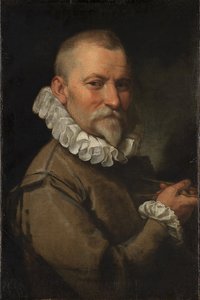
Born in Melide, a small village nestled on the shores of Lake Lugano in Switzerland – a region then caught between Swiss cantons and Italy – in 1543, Fontana’s life was one of relentless innovation and service to the Papal States. The Fontana dell'Acqua Felice (Fountain of Moses), built for Pope Sixtus V, stands as a prime example.
61of 71
Born in Antwerp Antwerp Mannerism Wikipedia in 9/32 languages
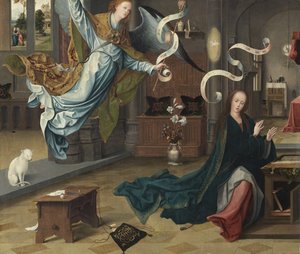
Though his name fell into obscurity following the end of the sixteenth century, Jan De Beer’s influence endured through the lasting impact of the Antwerp Mannerist style.
62of 71
Italian Born in Mazzo di Valtellina Mannerist Wikipedia in 10/32 languages

His most celebrated achievement remains the scaled oil copy of the Last Judgment, commissioned by Cardinal Alessandro Farnese.
63of 71
Френски Born in Париж Втора школа на Фонтенблейс; Манеризъм; Италианско изкуство Wikipedia in 8/32 languages

While relatively obscure compared to contemporaries like François Dubois and Ambroise Guillimaux, Dubreuil’s oeuvre possesses a distinctive character marked by elongated forms, undulating draperies, and densely populated compositions reminiscent of artists such as Francesco Primaticcio, reflecting the profound impact of Italian artistic ideals on French painting during his lifetime.
65of 71
Italian Born in Florence Mannerist Wikipedia in 10/32 languages

Beyond his fresco cycles, Conte also produced a series of individual portraits, most notably his portrait of Michelangelo (c. 1540). The “Virgin and Child with Saint Elizabeth and John the Baptist ” (1535), now housed in the Uffizi Gallery, exemplifies this evolution, showcasing a masterful command of perspective, drapery, and emotional expression. Conte's career took a significant turn in 1547-48 when he joined forces with Siciolante da Sermoneta on the ambitious fresco decoration of the chapel of San Remigio in San Luigi dei Francesi.
66of 71
Flemish Born in Antwerp Landscape with mythological and allegorical Wikipedia in 8/32 languages

By the time of his death in 1596, Fiammingo had left an indelible mark on the development of the Italianate Flemish School.
67of 71
French Born in Bassigny Northern Mannerism Wikipedia in 9/32 languages

Though his life was cut short in 1616, Bellange’s influence endured far beyond the borders of Lorraine.
68of 71
Italian Born in Parma Mannerist Painting Wikipedia in 8/32 languages

The significance of Girolamo Mazzola Bedoli extends beyond the individual canvases he left behind.
69of 71
Italian Born in Novellara Mannerist Wikipedia in 7/32 languages

Born in the small town of Novellara around 1508 or 1511, Orsi navigated an era defined by shifting theological certainties and the complex intellectual currents of humanism.
70of 71
Italian Born in Florence Renaissance and Mannerism Wikipedia in 5/32 languages

The historical significance of Michele Tosini lies in his role as a bridge between eras. His work serves as a luminous window into a time when Florence was the epicenter of the art world, reflecting both the spiritual devotion of the early century and the courtly sophistication of the later years. His early training under Lorenzo di Credi and Antonio del Ceraiolo anchored him in the refined traditions of the High Renaissance.
Signature works · The 100 signature works
71of 71
Spanish Born in Mascaraque Renaissance, Mannerism Wikipedia in 6/32 languages

Correa's early commissions, such as the altarpiece for the monastery of Santa María de Guadalupe in Mascaraque (circa 1532-1534), demonstrate a clear adherence to Raphael’s principles – elegant figures, balanced compositions, and harmonious color palettes.
Signature works
A timeline
Figures
| Италия | 35 |
|---|---|
| Italy | 14 |
| Нидерландия | 3 |
| Франция | 3 |
| Belgium | 3 |
| Германия | 2 |
| Белгия | 2 |
| Netherlands | 2 |
| 1470s | 2 |
|---|---|
| 1480s | 3 |
| 1490s | 5 |
| 1500s | 11 |
| 1510s | 10 |
| 1520s | 8 |
| 1530s | 7 |
| 1540s | 11 |
| 1550s | 7 |
| 1560s | 4 |
| 1570s | 3 |
| Kunsthistorisches Museum | 21 |
|---|---|
| Музей Прадо | 9 |
| Национална галерия | 9 |
| Държавен музей „Ермитаж“ | 8 |
| Галерия Уфици | 6 |
| Rijksmuseum | 6 |
| Лувър | 6 |
| Баварски държавни списъци с произведения на изкуството | 6 |
Every name
Ел ГрекоГръцки-Испански · 1541–1614ТинторетоИталианец · 1519–1594Джузепе АрчимболдоИталианец · 1527–1593Аньоло БрондзиноИталиански · 1503–1572Софонизба АнгуисолаИталиански · 1532–1625 ПонтормоИталианец · 1494–1556
 Пармиджанино1503–1540Джорджо ВазариИталианец · 1511–1574
 Джюлио РоманоИталианец · 1499–1546Росо ФиorentinoИталиенец · 1494–1540Себастиано дел ПиомбоИталианец · 1485–1547Хендрик ГолтциусНюландски · 1558–1617Доменико БекафумиItalian · 1484–1551Питер АертсенНидерландски · 1508–1575Бартоломеус СпрангерФламандска · 1546–1611Лавиния ФонтанаИталианка · 1552–1614Федерико Барочи1535–1612Ханс Фон АахенГерманец · 1552–1615Кристофано АлориИталианец · 1577–1621Алесандро АлориИталианец · 1535–1607Николо Дел АббатеИталианец · 1512–1571
 Джовани Батиста Морони1525–1578
 Бенвентуто Челлини1500–1571Франческо СалвиатиИталиански · 1510–1563
 ДжамболоняФламандски · 1529–1608Карел Ван Мандър СтаршиФламандска · 1548–1606Даниеле Да ВолтераИталиенец · 1509–1566
 Жан ГожонФренска · 1510–1567Проспереро ФонтанаИталианец · 1512–1597Йоахим ВтевеелНидерландска · 1566–1638Франческо ПриматичоИталианец · 1504–1570Ото ван ВийнФламен · 1556–1629Лука КамбиасоИталиенец · 1527–1585
 Джузепе ЧезариИталианска · 1568–1640Франческо Басано МладиятИталианец · 1549–1592Hendrick De ClerckFlemish · 1570–1630Леандро БасаноИталиански · 1557–1622Perino del VagaItalian · 1501–1547StradanusFlemish · 1523–1605Джовани Антонио Де Сакис (Ил Порденоне)Италиенец · 1484–1539Federico ZuccariItalian · 1539–1609
 Чекино Дел СавиатиИталианска · 1510–1563Cornelis KetelDutch · 1548–1616Gillis MostaertFlemish · 1528–1598Франческо БакиакаИталианец · 1494–1557
 Скипионе Пулцоне1550–1598Santi di TitoItalian · 1536–1603Полидоро Да КараваджоИталианец · 1499–1543Винченцо КампиИталианска · 1536–1591Andrea SchiavoneItalian · 1522–1563Джакопо ЛигоциИталиенец · 1547–1627Bartolomeo PassarottiItalian · 1529–1592Andrea VicentinoItalian · 1542–1617Jacopo ZucchiItalian · 1542–1596Доменико ТинторетоИталианец · 1560–1635Antonio TempestaItalian · 1555–1630
 Амико АспертиниИталианска · 1475–1552Wenzel JamnitzerGerman · 1507–1585Vincenzo ScamozziItalian · 1548–1616Domenico FontanaItalian · 1543–1607Jan De Beer1475–1528Marcello VenustiItalian · 1510–1579Тъсьо ДобреуилФренски · 1561–1602
 Тобиас ШтимерSwiss · 1539–1584Jacopino del ConteItalian · 1510–1598Paolo FiammingoFlemish · 1540–1596Jacques BellangeFrench · 1575–1616Girolamo Mazzola BedoliItalian · 1500–1569Lelio OrsiItalian · 1508–1587Michele TosiniItalian · 1503–1577Juan Correa De VivarSpanish · 1510–1566
Questions
First place goes to Ел Греко (#1); Тинторето (#2) and Джузепе Арчимболдо (#3) complete the podium.
Ел Греко (#1), Тинторето (#2), Джузепе Арчимболдо (#3), Аньоло Брондзино (#4) и Софонизба Ангуисола (#5).
Италия: 35 of the 71 художници in this list were born there, then Italy (14) и Нидерландия (3).
Most художници in this list were born in the 1540s (11 of 71), between 1475 and 1577 overall.
Джорджо Вазари (#8) taught Jacopo Zucchi (#54) и Federico Zuccari (#41); Stradanus (#39) taught Antonio Tempesta (#56).
The earliest-born художник in this list is Амико Аспертини (#57), born in 1475.
The museums holding the most key works of this list are Kunsthistorisches Museum (21), Музей Прадо (9) и Национална галерия (9).
This list includes 2 women: Софонизба Ангуисола (#5) и Лавиния Фонтана (#16).
The highest-ranked художници born in Италия are Тинторето (#2), Джузепе Арчимболдо (#3), Аньоло Брондзино (#4), Софонизба Ангуисола (#5) и Понтормо (#6).
Флоренция: 8 of the художници in this list were born there.
“Simultaneously, he absorbed lessons from Andrea del Sarto, mastering the techniques of sfumato and chiaroscuro—methods pioneered by Leonardo da Vinci—which would become hallmarks of his later work.” — from our biography of Аньоло Брондзино (#4).
Our catalogue holds 5,179 works by these художници.
Read
Other movements
 Знаменити художници от BaroqueНощна стража · Рембранд ван Рейн
 Знаменити художници от Contemporary RealistКосачките · Жан-Франсоа Миле
 Знаменити художници от ImpressionistЗвездна нощ (Ню Йорк, MoMA) · Винсент Ван Гог
 Знаменити художници от RomanticistСатурн поглъщащ сина си · Франсиско Гоя
 Знаменити художници от NeoclassicistСмъртта на Марат · Жак-Луи Давид
 Знаменити художници от RealistПроизход на света · Гюстав Курбе
 Знаменити художници от RenaissanceМона Лиза (Ла Джоконда) · Леонардо Да Винчи
 Знаменити художници от Dutch Golden AgeМомичето с перлена обица · Йоханес Вермер
 Знаменити художници от ExpressionistКомпозиция VII · Василий Кандински
 Знаменити художници от RococoОтплаване към Китера · Антоан Вато
Other periods
 Знаменити художници от Early MedievalSnowy River · Уан Вей
 Знаменити художници от High MedievalMadonna in Maest (Ognissanti Madonna) · Джото
 Знаменити художници от Late MedievalБлаговещението и двама светили · Симоне Мартини
 Знаменити художници от RenaissanceСътворението на Адам · Микеланджело Буонароти
 Знаменити художници от Early ModernПовикаването на Свети Матей · Микеланджело да Караваджо
 Знаменити художници от 19th CenturyВодни лилии (или Нимфеи) · Клод Моне
 Знаменити художници от ModernГерника · Пабло Пикасо
 Знаменити художници от ContemporaryWind Sculpture III (one in a series of nine) · Yinka Shonibare
Discover more