Rococo, one artist at a time
100 Famous Rococo Художници Who Shaped the Movement
Антоан Вато (1684–1721) is the most famous Rococo художник, whose singular vision gave us Жил и Отплаване към Китера. Next stand Каналето, Джовани Батиста Тиеполо, Франсоа Буше и Жан-Оноре Фрагонар. These 100 художници, from Жан-Франсоа Дьо Тро (born 1645) to Едуар Оноре Аве (born 1818), came from 18 countries.
Our selection. Artists whose works our catalogue attaches to Rococo, in the order of our fame ranking. Artists born after 1955 with no Wikidata identifier stay out until verified. The Wikipedia figure counts our 32 languages with an article on the artist.


In brief
Rococo in brief
- 100Художници
- 1645–1818Години на раждане
- 18Страни на раждане
- 5Жени
- 1Живи артисти
- 11037Работи в нашия каталог
- Музеи, притежаващи най-голям брой ключови произведения
- Лувър (13), Държавен музей „Ермитаж“ (13), Национален музей (9), Метрополитън Музей на изкуствата (7)
- Жените в този списък
- Розалка Кариера, Adélaïde Labille-Guiard, Анна Валье-Костер, Elisabeth-Louise Vigée-Lebrun, Anna Dorothea Therbusch
One artist at a time
100 Rococo Художници and their signature works


2of 100
Каналето 1697–1768
Италианец Born in Венеция Ведути, топографски стил Wikipedia in 30/32 languages
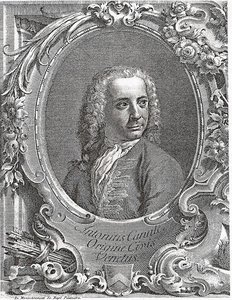
After returning to Venice, Canaletto began to settle into a signature topographical style. He also recorded the movement of the water and the crowds during public events, such as the Regatta on the Grand Canal. Across the Atlantic, the National Gallery of Art in Washington holds his 1742 work, View of the Church and the Doge's Palace from the Procuratie Vecchie.
Where to see His presence remains felt in the collections of major institutions across Europe and beyond.


5of 100
Жан-Оноре Фрагонар 1732–1806
Френска Born in Грас Рококо Wikipedia in 28/32 languages

The brush moves with a speed that borders on the frantic. His late Rococo manner leans heavily into hedonism, using dappled light and soft, creamy tones to build worlds of intimacy and veiled desire.
Where to see The physical traces of Fragonard’s brushwork remain scattered across major global institutions.


6of 100
Жан-Батист-Симеон Шарден 1699–1779
Френска Born in Париж Натурализъм Wikipedia in 27/32 languages


7of 100
Томас Гейнзбъро 1727–1788
Британска Born in Судобул Рококо, Романтизъм Wikipedia in 29/32 languages

Mr and Mrs Andrews (около 1750 г.). Г-жа Томас Гейнсбъроу, родена Маргерет Бър (1778 г.).


8of 100
Джошуа Рейнолдс 1723–1792
Британска Born in Плимут Голям стил Wikipedia in 31/32 languages
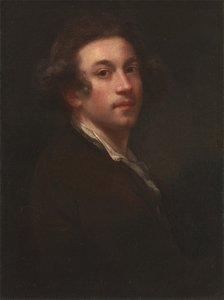
Between 1750 and 1752, Reynolds traveled to Italy. He returned to England with a clear vision for how British art could move beyond simple likenesses. His works remain central to the study of this era, held in significant collections such as the National Gallery and the National Portrait Gallery Collection.


9of 100
Жан-Батист Грьоз 1725–1805
Френски Born in Турнуш Рококо, Жанров пейзаж Wikipedia in 22/32 languages

Greuze’s breakthrough arrived in 1755 with Le Père de famille expliquant la Bible à ses enfants (The Father Explaining the Bible to His Children). The discerning collector Ange-Laurent de La Live de Jully immediately recognized its significance, acquiring it and catapulting Greuze to instant fame. He died in poverty within the Louvre itself in 1805, a poignant reminder of the challenges he faced throughout his career.


10of 100
Бернардо Белото 1722–1780
Италианец Born in Венеция Ведута, градски пейзаж, графика Wikipedia in 27/32 languages

Rio dei Mendicanti със Scuola di San Marco (детайл) (1738).


11of 100
Francesco Lazzaro Guardi 1712–1793
Италианец Born in Венеция *Vedute*, *Pittura di tocco* Wikipedia in 27/32 languages


12of 100
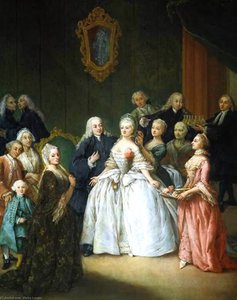
Пietro Longhi 1701–1785
Италиански Born in Венеция Венецианско изкуство, Рококо Wikipedia in 18/32 languages



13of 100
Джовани Доменико Тиеполо 1727–1804
Италианец Born in Венеция Рококо Wikipedia in 18/32 languages


14of 100
Джовани Батиста Пиацета 1683–1754
Италианска Born in Венеция Рококо Wikipedia in 16/32 languages


18of 100
Marc Nattier 1685–1766
Френски Born in Париж Рококо Wikipedia in 22/32 languages

The Baroque master Peter Paul Rubens served as an inspiration, prompting him to adopt Rubens’ dynamic compositions and expressive palette—though Nattier tempered Rubens’ exuberance with his own refined aesthetic sensibilities. He solidified his reputation as a court painter by securing commissions from Louis XV—a position that afforded him unparalleled access to the artistic tastes and sensibilities of the royal family. Furthermore, Nattier's dedication to copying masterpieces at the Luxembourg Gallery honed his observational skills and instilled in him a deep appreciation for classical art principles. ## Notable Achievements and Legacy Nattier’s contribution to French art history is undeniable.


19of 100
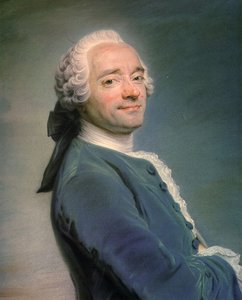
Морис Кьотен де Ла Тур 1704–1788
Френски Born in Свети Кръстово Рококо Wikipedia in 23/32 languages


21of 100
Йохан Зофани 1733–1810
Германец Born in Франкфурт на Майн Неокласицизъм, Реализъм Wikipedia in 15/32 languages


22of 100
Луи-Мишел ван Ло 1707–1771
Френска Born in Тулон Рококо Wikipedia in 17/32 languages

Pupil of Jean-Baptiste van Loo #53


26of 100
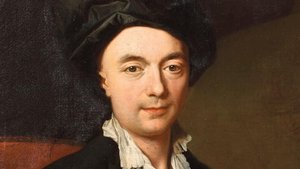
Жан-Баптист Патер 1695–1736
Френски Born in Валансиен Рококо Пастелна палитра Wikipedia in 13/32 languages


27of 100
Херберт ван Лу 1705–1765
Френски Born in Ница Рококо живопис Wikipedia in 16/32 languages
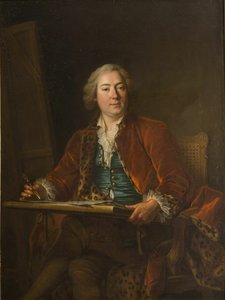
Pupil of Jean-Baptiste van Loo #53


28of 100
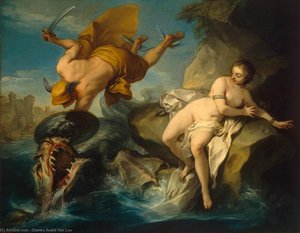
Франческо Зукарели 1702–1788
Италиански Born in Питиляно Рококо, Барок Wikipedia in 15/32 languages


29of 100
Джакопо Амигони 1682–1752
Италиенец Born in Неапол Късен Барок и Рококо Wikipedia in 21/32 languages


31of 100
Франц Антон Маулбертш 1724–1796
Германско/Австрийска Born in Лангенарген Рококо, Барок Wikipedia in 16/32 languages


32of 100
Шарл Антуан Койпел 1694–1752
Френска Born in Париж Барок Рококо Wikipedia in 11/32 languages


33of 100
Adélaïde Labille-Guiard 1749–1803
French Born in Paris Rococo to Neoclassicism Wikipedia in 20/32 languages

Adélaïde Labille-Guiard (1749–1803) stands as a remarkable figure in the history of French art, not merely for her exquisite portraits but also for her courageous challenge to the restrictive conventions that governed women’s roles within the artistic world. She defied societal expectations, navigated institutional barriers, and ultimately paved the way for future generations of female painters.


34of 100
Дмитрий Григориевич Левицки 1735–1822
Украинско-руска Born in Киев Класически портрет Wikipedia in 16/32 languages


36of 100
Анна Валье-Костер 1744–1818
French Born in Париж Rococo, Still Life Wikipedia in 14/32 languages


37of 100
Луи Жан Франсоа Лагрене 1756–1827
Френски Born in Париж Рококо, Неокласицизъм

Their collaborative spirit and mutual influence enriched the French art scene of the 18th century, solidifying their place as key figures in the transition from Rococo elegance to Neoclassical grandeur. Louis-Jean-François: Known for his archaeological explorations and refined mythological scenes.


38of 100
Джамбатиста Питони 1687–1767
Born in Венеция Late Baroque, Rococo Wikipedia in 19/32 languages

Classical Mythology: His depictions of tales such as The Continence of Scipio and Bacchus and Ariadne highlight his skill in rendering the grandeur and drama of ancient legends with a distinctly Venetian flair.
Pupil of Antonio Balestra #69


39of 100
Каспар ван Вител 1653–1736
Нидерландска Born in Амерсфорт Ведута (пейзажна живопис) Wikipedia in 14/32 languages


42of 100
Владимир Лукич Боровковски 1757–1825
Born in Миргород Wikipedia in 14/32 languages
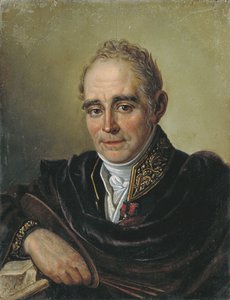
Stylistic Characteristics: Borovikovsky’s portraits are known for their intimacy, sentimental quality, and delicate rendering of textures. Influences: He was influenced by Dmitry Levitzky and Johann Baptist Lampi, receiving private lessons from both.


45of 100
Elisabeth-Louise Vigée-Lebrun

The French Revolution brought upheaval to Vigée Le Brun’s world. In 1792, fearing for her safety, she fled Paris with her daughter, embarking on an exile that would last over a decade. Vigée Le Brun returned to France after the fall of Napoleon in 1804.


48of 100
Кристиан Вилхелм Ернст Дитрих 1712–1774
Германска Born in Ваймар Имитация на холандски и италиански майстори Wikipedia in 11/32 languages


49of 100
Charles Amédée Philippe Van Loo 1719–1795
French Born in Rivoli Rococo, Portraiture Wikipedia in 13/32 languages

Vanloo's artistic style was deeply rooted in the traditions of the Baroque and Roman art academies, but he also drew inspiration from the work of contemporary artists such as Nicolas Lancret and Jean-Honoré Fragonard. His compositions are often dynamic and asymmetrical, creating a sense of movement and energy.
Pupil of Jean-Baptiste van Loo #53


50of 100
Густав Лундберг 1695–1786
Шведска Born in Щокхолм Рококо пастелист Wikipedia in 14/32 languages


51of 100
Лагренé Л'Ене 1725–1805
English Born in Париж Romanticism, Animal Painting Wikipedia in 15/32 languages


52of 100
Яков Де Вит 1695–1754
Нидерландски Born in Амстердам Рококо живопис Wikipedia in 10/32 languages


53of 100
Jean-Baptiste van Loo 1684–1745
French Born in Aix-en-Provence Baroque, Rococo Wikipedia in 15/32 languages

His father, Louis-Abraham van Loo, himself the son of Jacob van Loo, instilled in him not only technical skill but also an appreciation for the power and prestige associated with portraiture.


54of 100
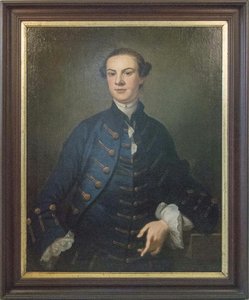
John Wollaston 1742–1775
English Rococo Painting

His work bears an unmistakable resemblance to the portraits of Thomas Hudson and Allan Ramsay, capturing not just the likeness of his subjects but the very essence of their social standing. His journey across the Atlantic in 1749 marked a transformative chapter for both the artist and the colonies. While later giants like Benjamin West and Gilbert Stuart would command the spotlight of American portraiture, Wollaston’s true contribution lies in his role as a pioneer, introducing the delicate elegance and shimmering sophistication of the Rococo style to North America.


55of 100
Карл Густав Пило 1711–1793
Шведски Born in Runtuna Рококо Wikipedia in 12/32 languages

Early Training & Craftsmanship: Pilo’s initial apprenticeship began in 1731, demonstrating the importance of practical experience alongside theoretical knowledge within the artistic milieu of his time. His work as a craft painter spanned from 1733 to 1738, primarily focusing on decorative commissions for prominent noble families in Scania—a period that yielded pastoral drawings indicative of his engagement with landscape painting and reflecting the prevailing aesthetic sensibilities of the era.


56of 100
Anna Dorothea Therbusch 1721–1782
German Born in Berlin Rococo Wikipedia in 13/32 languages

Anna Dorothea Therbusch (1721-1782) stands as a remarkable figure in the annals of Rococo art history —a woman artist who defied societal expectations and achieved considerable renown during the Enlightenment. Born into a family steeped in artistic tradition, her father, Georg Lisiewski, was himself a celebrated Berlin portrait painter, establishing a lineage dedicated to visual representation. Therbusch's artistic journey took an extraordinary turn when she relocated to Paris in 1765, seeking opportunities for advancement within the vibrant artistic landscape of the French capital.


57of 100
Йохан Георг Плацер 1704–1761
Австриец Born in Апиано сула Страда дел Вино Рококо Wikipedia in 8/32 languages


59of 100
Michele Marieschi 1710–1743
Italian Born in Venice Vedute Venice Wikipedia in 9/32 languages

In the golden age of the Venetian Rococo, few artists captured the ephemeral magic of the Serenissima with as much vitality as Michele Giovanni Marieschi. Scholars often point to the influence of masters such as Gaspare Diziani and the legendary Canaletto, whose works provided a blueprint for capturing the grandeur of urban environments.


60of 100
Antonio Corradini 1668–1752
Italian Born in Este Rococo

Corradini’s artistic significance lies not only in his technical virtuosity but also in his role as a transitional figure between the Baroque and Rococo movements. He built upon the dramatic energy of the former while embracing the lightness, elegance, and playful sensuality of the latter. After leaving Vienna, Corradini spent his final years in Rome and Naples, continuing to refine his art until his death in 1752.


61of 100
Майзени Порцелан роден 1710
Германска Born in Майсен Твърдогосов фарфор

"Алегoрични фигури на добродетелта" – Демонстрира способността на фабриката да улавя сложни концепции в скулптурна форма, показвайки прецизни детайли и фино артистично виждане. "Лежащ леопард" – Представлява майсторска смесица от реализъм и елегантност, отразяваща отдадеността на Майсен към изобразяване на животните с забележителна точност и грация.


62of 100
Gerard van Spaendonck 1746–1822
Born in Tilburg Wikipedia in 12/32 languages

He contributed over fifty works to Les Vélins du Roi, a renowned collection of botanical watercolors commissioned by the French royal family. These pieces demonstrate his exceptional skill in capturing the nuances of floral forms. 1788: Appointed as an advisor to the Académie. 1795: Became a founding member of the Institut de France. 1804: Received the Légion d'honneur and was ennobled by Napoleon Bonaparte, acknowledging his contributions to French art and culture.


63of 100
Джозеф Тонер 1692–1780
Британски Born in Лондон Рококо Wikipedia in 10/32 languages
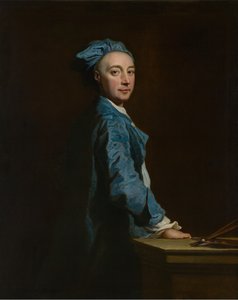
Anthony Highmore Jr.: A grandson who became a writer on legal affairs and a social activist.


67of 100
Луи Токе 1696–1772
Френска Born in Париж Портретна живопис Wikipedia in 11/32 languages

Nattier’s atelier became Tocqué’s formative environment, where he honed his skills under the tutelage of masters like Hyacinthe Rigaud and Nicolas Bertin. Invited to Copenhagen, he accepted a position at the Royal Danish Academy of Fine Arts, where he not only taught but also produced stunning portraits of the Danish royal family.


68of 100
Донато Крети 1671–1749
Италиенец Born in Кремона Рококо, Неокласицизъм Wikipedia in 8/32 languages


69of 100
Antonio Balestra 1666–1740
Born in Verona Wikipedia in 11/32 languages

By 1690, Balestra moved to Venice, where he further honed his skills under the guidance of Antonio Bellucci for three years. Venetian Influence: His time in Venice instilled a sense of color and dramatic composition. He then traveled to Bologna and subsequently Rome, working in the workshop of the renowned Carlo Maratta.


71of 100
Georg Desmarées 1697–1776
Swedish-German Born in Stockholm City Rococo, Portraiture Wikipedia in 9/32 languages

His early works, heavily influenced by his uncle Meytens and the French masters, exhibited a meticulous attention to detail and a restrained elegance. However, the Venetian influence introduced a new dynamism – a play of light and shadow that imbued his portraits with greater emotional depth and visual intrigue. Other notable works include portraits of members of the Elector’s family, such as The Countess Holstein (Lenbachhaus, Munich) and The Princess Portia (Staatsgalerie, Stuttgart).


72of 100
Жан-Батист Пилмон 1728–1808
Френска Born in Лион Рококо и Неокласицизъм Wikipedia in 8/32 languages


73of 100
Корнелис Труст 1696–1750
Холандски Born in Амстердам Рококо жанрови сцени Wikipedia in 8/32 languages


74of 100
Jacques De Lajoue 1686–1761
French Born in Paris Neoclassical Painting Wikipedia in 8/32 languages

In pieces such as " Fantaisie architecturale," the viewer is invited to wander through spaces where neoclassical elegance meets the untamed beauty of nature. While his name may not resonate with the same immediate thunder as contemporaries like Boucher or Watteau, Lajoue occupied a unique niche in the French canon, serving as an artist who could bridge the gap between the rigid grandeur of classical structure and the delicate, emotive spirit of the Rococo.


75of 100
Ричард Косвей 1742–1821
Британски Born in Тивъртън Портрети на миниатюри Wikipedia in 10/32 languages


77of 100
Per Krafft the Elder 1724–1793
Swedish Born in Arboga Rococo Wikipedia in 7/32 languages

Beyond his individual achievements, Per the Elder Krafft’s historical significance is cemented by the artistic legacy he left within his own family. Ultimately, the work of Per the Elder Krafft remains a vital touchstone for understanding the cultural heartbeat of eighteenth-century Sweden. His children, Per Krafft the Younger and the miniaturist Wilhelmina Krafft, both studied at the Royal Swedish Academy of Fine Arts, carrying forward the technical excellence and emotive depth instilled by their father.


78of 100
Johann Georg Pinzel 1715–1761
Ukrainian, Czech Born in Buchach Baroque, Rococo

His close collaboration with architect Bernard Meretyn proved pivotal. This synergy is particularly evident in projects like the Buchach Town Hall (1750s) and the Trinitarian Church (1756-1757), where architecture and sculpture coalesce into a unified expression of Baroque grandeur. Despite his prolific output, Pinsel’s life ended relatively early, between September 16, 1761, and October 24, 1762, likely in Buchach.


79of 100
Alessandro Longhi 1733–1813
Born in Venice Wikipedia in 10/32 languages

Unlike some contemporaries who focused on grand historical or mythological scenes, Longhi concentrated on portraying individuals within their social context. His portraits often feature elaborate robes and emblems of office, reflecting his subjects’ positions and power – a characteristic noted in comparison to artists like Sebastiano Bombelli. This is evident in the “tumultuous and unusual” quality of his etchings, as described by Olimpia Theodoli, showcasing a first-hand knowledge of Rembrandt's techniques.


80of 100
Giuseppe Bonito 1707–1789
Italian Born in Castellammare di Stabia Rococo Wikipedia in 11/32 languages

His journey was shaped by the prestigious studio of Francesco Solimena, the titan of Neapolitan painting, whose influence provided Bonito with a rigorous foundation in composition and light. While he possessed the technical mastery required for grand religious commissions—such as his ambitious altarpieces for the Caserta Royal Palace—he found his true voice in the genre scene. The historical significance of Giuseppe Bonito lies in his role as a chronicler of the Neapolitan spirit.


83of 100
Luis Paret Y Alcázar 1746–1799
Spanish Born in Madrid Rococo Wikipedia in 8/32 languages

In the vibrant, sun-drenched tapestry of 18th-century Spain, few artists captured the delicate interplay of light and social elegance as masterfully as Luis Paret y Alcázar. Under the tutelage of Antonio González Velázquez, he absorbed the rigorous techniques of the Spanish tradition, yet his spirit yearned for something more cosmopolitan. His influence traveled across oceans, notably shaping the trajectory of Puerto Rican art through his pupil, José Campeche.


85of 100
Giuseppe Nogari 1699–1766
Italian Born in Venice Rococo Wikipedia in 8/32 languages

His talent attracted the attention of powerful international patrons, most notably the German nobility residing in Venice, such as Sigismund Streit and Johann Matthias von der Schulenburg.


86of 100
Жан Ран 1674–1735
Френска Born in Монпелие Барок/Неокласицизъм Wikipedia in 8/32 languages

Rigaud's influence extended beyond technique; he championed a new iconography for the Bourbon monarchy, emphasizing dignity and composure—principles Ranc skillfully adopted in his portraits. Notable Commissions: Ranc’s portraits of Verdier and Carlos III exemplify his dedication to capturing character and conveying emotion through nuanced observation. Jean Ranc's contribution to 18th-century portraiture lies in his embodiment of the Rigaudian style—a synthesis of Baroque grandeur and Rococo delicacy that solidified its position as a dominant aesthetic during Philip V’s reign.


87of 100
Натаниел Хон Старши 1718–1784
Ирландска Born in Дъблин Barbizon пейзажи и рококо портретна живопис Wikipedia in 4/32 languages


88of 100
Jean Raoux 1677–1734
French Born in Montpellier Symbolist Art Wikipedia in 7/32 languages

While not achieving the widespread renown of contemporaries like Watteau or Boucher, Raoux carved a unique niche for himself with his subtly evocative portraits and scenes imbued with a delicate, almost melancholic charm. Raoux’s works were widely disseminated through engravings by prominent artists such as Poilly, Moyreau, and Dupuis, ensuring that his style reached a broader audience.


90of 100
Francesco Zugno 1708–1787
Italian Born in Venice Rococo Wikipedia in 6/32 languages

Within the luminous and often overwhelming splendor of eighteenth-century Venice, the name Francesco Zugno emerges as a vital, if somewhat enigmatic, thread in the tapestry of the Rococo era. His early years were shaped by the prestigious traditions of his ancestors, including the fifteenth-century painter Giambattista Zugno, and he received formal training at the Academy of Painting and Sculpture of Venice.


91of 100
Joseph Boze 1745–1826
French Born in Martigues Portraiture Wikipedia in 7/32 languages

Notably, he survived the Reign of Terror thanks to his unwavering loyalty and diplomatic connections, demonstrating an astute awareness of political realities. The Palace of Versailles became his canvas for many years, where he created stunning depictions of royal families and dignitaries. Despite the upheavals of his time, Joseph Boze persevered, continuing to produce portraits until his death in Paris in 1826.


92of 100
Louis Joseph Watteau 1731–1798
French Born in Valenciennes Fêtes galantes Wikipedia in 6/32 languages

Watteau’s formative years were marked by a privileged upbringing within the aristocratic circles of Lille, Belgium. His father, Jean Watteau, was a silk merchant and instilled in François a keen appreciation for craftsmanship and visual aesthetics. Watteau’s aesthetic ideals—characterized by elegance, grace, and a preoccupation with sensual pleasure—became synonymous with the aristocratic culture of the Enlightenment.


93of 100
Jacobus Buys 1724–1801
Dutch Born in Amsterdam Rococo Wikipedia in 5/32 languages

His studies under Pronk and de Wit undoubtedly shaped his understanding of color theory and composition, while Troost likely instilled in him a deeper appreciation for portraiture techniques. Buys’s ability to seamlessly blend these influences—the Dutch tradition of realism with the French Rococo's emphasis on elegance and ornamentation—is what sets him apart. The influence of earlier Dutch masters is subtly present in Buys's work, particularly in his meticulous attention to detail and the use of light and shadow reminiscent of the Golden Age painters.


94of 100
Йеремияс Теус 1716–1774
Швейцарец Born in Кур Рококо Wikipedia in 5/32 languages

Theus’ distinctive artistic style is characterized by its unwavering adherence to Rococo principles—a movement originating in France that prioritized grace, ornamentation, and pastel hues. He deftly adapted English artistic conventions prevalent during the era, resulting in portraits imbued with a sense of refined elegance and meticulous detail. By capturing the essence of his time, Theus elevated Charleston's artistic reputation and cemented its position as a center for Rococo art in North America.


95of 100
Vigilius Eriksen 1722–1782
Danish Born in Copenhagen Rococo Wikipedia in 7/32 languages

These small-scale works, which included depictions of Frederick V and Catherine the Great, showcased a different facet of his virtuosity, requiring an even more intense focus on minute detail and color gradation.


96of 100
Georg David Matthieu 1737–1778
German Born in Berlin Rococo Wikipedia in 6/32 languages

Matthieu utilizes specific elements to communicate status: The inclusion of books and maps to suggest intellectual pursuit and territorial dominion. His friendship with Jakob Philipp Hackert likely brings broader European influences into his practice, particularly through shared study trips to Italy.


97of 100
Robert Tournières 1667–1752
Born in Ifs Wikipedia in 6/32 languages

He skillfully blended elements of Dutch intimacy – particularly evident in his genre scenes – with the emerging lightness and elegance that would come to define the Rococo style. His palette was noted for its delicate coloring, and he demonstrated a keen talent for capturing both pose and drapery. Tournières was deeply influenced by Dutch masters such as Godfried Schalken and Gerard Dou, dedicating considerable study to their techniques.


98of 100
Jose Del Castillo 1737–1793
Spanish Born in Madrid Neoclassical Wikipedia in 7/32 languages

Religious Works: Occasional but powerful devotional pieces, such as his depiction of Saint Dominic and Saint Francis, which demonstrated his ability to handle spiritual gravity.


100of 100
Domenico Duprà 1689–1770
Italian Born in Turin Rococo Wikipedia in 6/32 languages

To reflect upon the breadth of his contributions, one might consider the following pillars of his career: Stylistic Synthesis: The seamless blending of Roman classical training with the light, decorative elegance of French Rococo portraiture. Courtly Service: A distinguished career serving the House of Braganza in Portugal, the Stuart family in Rome, and the House of Savoy in Italy.


Signature works
Signature Rococo works
A timeline
Rococo through its signature works
- 1690
- 1724
- 1729
- 1730
- 1735
- 1736
- 1739
- 1744
- 1745
- 1753
- 1759
- 1768
- 1777
- 1785
Figures
The figures
| Франция | 30 |
|---|---|
| Италия | 16 |
| Italy | 9 |
| Германия | 7 |
| France | 7 |
| Обединено кралство | 6 |
| Швеция | 3 |
| Нидерландия | 3 |
| 17th век | 36 |
|---|---|
| 18th век | 62 |
| 19th век | 1 |
| Лувър | 13 |
|---|---|
| Държавен музей „Ермитаж“ | 13 |
| Национален музей | 9 |
| Метрополитън Музей на изкуствата | 7 |
| Национална галерия на изкуствата | 6 |
| Rijksmuseum | 6 |
| Музей Прадо | 6 |
| Национален музей във Варшава | 6 |
Every name
List of 100 famous Rococo художници, every name
- 1
 Антоан ВатоФренска · 1684–1721
- 2КаналетоИталианец · 1697–1768
- 3
 Джовани Батиста Тиеполо1696–1770
- 4
 Франсоа БушеФренска · 1703–1770
- 5Жан-Оноре ФрагонарФренска · 1732–1806
- 6Жан-Батист-Симеон ШарденФренска · 1699–1779
- 7Томас ГейнзбъроБританска · 1727–1788
- 8Джошуа РейнолдсБританска · 1723–1792
- 9Жан-Батист ГрьозФренски · 1725–1805
- 10Бернардо БелотоИталианец · 1722–1780
- 11Francesco Lazzaro GuardiИталианец · 1712–1793
- 12Пietro LonghiИталиански · 1701–1785
- 13Джовани Доменико ТиеполоИталианец · 1727–1804
- 14Джовани Батиста ПиацетаИталианска · 1683–1754
- 15
 Никола Лакрет1689–1743
- 16
 Клод Жозеф Верне1714–1789
- 17
 Розалка КариераИталианка · 1675–1757
- 18Marc NattierФренски · 1685–1766
- 19Морис Кьотен де Ла ТурФренски · 1704–1788
- 20
 Александър РослинШведски · 1718–1793
- 21Йохан ЗофаниГерманец · 1733–1810
- 22Луи-Мишел ван ЛоФренска · 1707–1771
- 23
 Жан-Етьен ЛиотарШвейцарец · 1702–1789
- 24
 Франсоа Лемоин1688–1737
- 25
 Жан-Франсоа Дьо Тро1645–1730
- 26Жан-Баптист ПатерФренски · 1695–1736
- 27Херберт ван ЛуФренски · 1705–1765
- 28Франческо ЗукарелиИталиански · 1702–1788
- 29Джакопо АмигониИталиенец · 1682–1752
- 30
 Шарл-Жозеф НатуариФренска · 1700–1777
- 31Франц Антон МаулбертшГерманско/Австрийска · 1724–1796
- 32Шарл Антуан КойпелФренска · 1694–1752
- 33Adélaïde Labille-GuiardFrench · 1749–1803
- 34Дмитрий Григориевич ЛевицкиУкраинско-руска · 1735–1822
- 35
 Жан-Батист Пигал1725–1805
- 36Анна Валье-КостерFrench · 1744–1818
- 37Луи Жан Франсоа ЛагренеФренски · 1756–1827
- 38Джамбатиста Питони1687–1767
- 39Каспар ван ВителНидерландска · 1653–1736
- 40
 Фьодор Степанович Рокотов1730–1808
- 41
 Франсуа Юбер Друа1727–1775
- 42Владимир Лукич Боровковски1757–1825
- 43
 Антоан Пен1683–1757
- 44
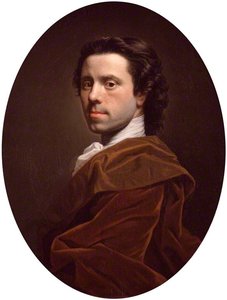 Алън Рамзи1713–1784
- 45Elisabeth-Louise Vigée-Lebrun
- 46
 Корадо ДжакуинтоИталиански · 1703–1766
- 47
 Йохан Хайнрих ТишбайнГерманец · 1722–1789
- 48Кристиан Вилхелм Ернст ДитрихГерманска · 1712–1774
- 49Charles Amédée Philippe Van LooFrench · 1719–1795
- 50Густав ЛундбергШведска · 1695–1786
- 51Лагренé Л'ЕнеEnglish · 1725–1805
- 52Яков Де ВитНидерландски · 1695–1754
- 53Jean-Baptiste van LooFrench · 1684–1745
- 54John WollastonEnglish · 1742–1775
- 55Карл Густав ПилоШведски · 1711–1793
- 56Anna Dorothea TherbuschGerman · 1721–1782
- 57Йохан Георг ПлацерАвстриец · 1704–1761
- 58
 Натанаел ХоунНидерландски · 1718–1784
- 59Michele MarieschiItalian · 1710–1743
- 60Antonio CorradiniItalian · 1668–1752
- 61Майзени ПорцеланГерманска · роден 1710
- 62Gerard van Spaendonck1746–1822
- 63Джозеф ТонерБритански · 1692–1780
- 64
 Жан Жак Кафиерифранцуз · 1678–1755
- 65
 Жан-Батист Перонофренски · 1715–1783
- 66
 Френсис ХайманБритански · 1708–1776
- 67Луи ТокеФренска · 1696–1772
- 68Донато КретиИталиенец · 1671–1749
- 69Antonio Balestra1666–1740
- 70
 Гаспаре ТраверсиИталиански · 1722–1770
- 71Georg DesmaréesSwedish-German · 1697–1776
- 72Жан-Батист ПилмонФренска · 1728–1808
- 73Корнелис ТрустХоландски · 1696–1750
- 74Jacques De LajoueFrench · 1686–1761
- 75Ричард КосвейБритански · 1742–1821
- 76
 Филип МерсиеФренска · 1689–1760
- 77Per Krafft the ElderSwedish · 1724–1793
- 78Johann Georg PinzelUkrainian, Czech · 1715–1761
- 79Alessandro Longhi1733–1813
- 80Giuseppe BonitoItalian · 1707–1789
- 81
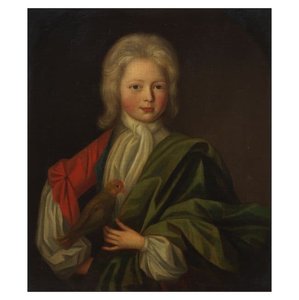 Кристоф ЮеФренска · 1700–1759
- 82
 Луи Де СилвестрФренска · 1675–1760
- 83Luis Paret Y AlcázarSpanish · 1746–1799
- 84
 Йохан Саломон ВалГерманска, датска · 1689–1765
- 85Giuseppe NogariItalian · 1699–1766
- 86Жан РанФренска · 1674–1735
- 87Натаниел Хон СтаршиИрландска · 1718–1784
- 88Jean RaouxFrench · 1677–1734
- 89
 Едуар Оноре АвеФренска · 1818–1890
- 90Francesco ZugnoItalian · 1708–1787
- 91Joseph BozeFrench · 1745–1826
- 92Louis Joseph WatteauFrench · 1731–1798
- 93Jacobus BuysDutch · 1724–1801
- 94Йеремияс ТеусШвейцарец · 1716–1774
- 95Vigilius EriksenDanish · 1722–1782
- 96Georg David MatthieuGerman · 1737–1778
- 97Robert Tournières1667–1752
- 98Jose Del CastilloSpanish · 1737–1793
- 99
 Агостино Брунияс1730–1796
- 100Domenico DupràItalian · 1689–1770
Questions
Your questions
Which Rococo художник is the most famous?
First place goes to Антоан Вато (#1); Каналето (#2) and Джовани Батиста Тиеполо (#3) complete the podium.
Who are the 5 most famous Rococo художници?
Антоан Вато (#1), Каналето (#2), Джовани Батиста Тиеполо (#3), Франсоа Буше (#4) и Жан-Оноре Фрагонар (#5).
Who was the first Rococo художник?
The earliest-born художник in this list is Жан-Франсоа Дьо Тро (#25), born in 1645.
Who are the most famous Rococo художници from Франция?
The highest-ranked художници born in Франция are Антоан Вато (#1), Франсоа Буше (#4), Жан-Оноре Фрагонар (#5), Жан-Батист-Симеон Шарден (#6) и Жан-Батист Грьоз (#9).
Which city was home to the most Rococo художници?
Париж: 15 of the художници in this list were born there.
Which techniques define Rococo art?
“Beyond his oil paintings, he was an important printmaker who utilized the etching technique to spread his visual records.” — from our biography of Каналето (#2).
Who are the most famous female Rococo художници?
This list includes 5 women: Розалка Кариера (#17), Adélaïde Labille-Guiard (#33), Анна Валье-Костер (#36), Elisabeth-Louise Vigée-Lebrun (#45) и Anna Dorothea Therbusch (#56).
Where are the great works of Rococo art today?
The museums holding the most key works of this list are Лувър (13), Държавен музей „Ермитаж“ (13) и Национален музей (9).
Who are famous Rococo художници today?
The highest-ranked living художници in this list are Майзени Порцелан (#61).
Where were most Rococo художници born?
Франция: 30 of the 100 художници in this list were born there, then Италия (16) и Italy (9).
Who are the most famous Rococo художници from Италия?
The highest-ranked художници born in Италия are Каналето (#2), Джовани Батиста Тиеполо (#3), Бернардо Белото (#10), Francesco Lazzaro Guardi (#11) и Пietro Longhi (#12).
Where can I see more works by these художници?
Our catalogue holds 11,037 works by these художници.
Read
Stories on OriginalUniqueArt.com
Other movements
Famous artists of other movements
 Знаменити художници от BaroqueНощна стража · Рембранд ван Рейн
 Знаменити художници от Contemporary RealistКосачките · Жан-Франсоа Миле
 Знаменити художници от ImpressionistЗвездна нощ (Ню Йорк, MoMA) · Винсент Ван Гог
 Знаменити художници от RomanticistСатурн поглъщащ сина си · Франсиско Гоя
 Знаменити художници от NeoclassicistСмъртта на Марат · Жак-Луи Давид
 Знаменити художници от RealistПроизход на света · Гюстав Курбе
 Знаменити художници от RenaissanceМона Лиза (Ла Джоконда) · Леонардо Да Винчи
 Знаменити художници от Dutch Golden AgeМомичето с перлена обица · Йоханес Вермер
 Знаменити художници от ExpressionistКомпозиция VII · Василий Кандински
 Знаменити художници от Pop ArtКампайлс суп кани · Анди Уорхол
Other periods
Famous artists across the periods
 Знаменити художници от Early MedievalSnowy River · Уан Вей
 Знаменити художници от High MedievalMadonna in Maest (Ognissanti Madonna) · Джото
 Знаменити художници от Late MedievalБлаговещението и двама светили · Симоне Мартини
 Знаменити художници от RenaissanceСътворението на Адам · Микеланджело Буонароти
 Знаменити художници от Early ModernПовикаването на Свети Матей · Микеланджело да Караваджо
 Знаменити художници от 19th CenturyВодни лилии (или Нимфеи) · Клод Моне
 Знаменити художници от ModernГерника · Пабло Пикасо
 Знаменити художници от ContemporaryWind Sculpture III (one in a series of nine) · Yinka Shonibare
Discover more