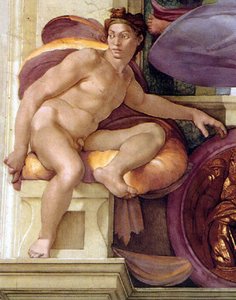
1of 37
Леонардо Да Винчи 1452–1519
Италианец Born in Винчи Висок Ренесанс Wikipedia in 32/32 languages

High Renaissance, one artist at a time
Леонардо Да Винчи (1452–1519) is the most famous High Renaissance художник, whose singular vision gave us Тайната вечеря и Витрувианският човек. Next stand Микеланджело Буонароти, Рафаело Санцио, Тициан и Джорджоне. These 37 художници, from Giuliano da Sangallo (born 1443) to Якопо Басано (born 1510), came from 3 countries.
Our selection. Artists whose works our catalogue attaches to High Renaissance, in the order of our fame ranking. Artists born after 1955 with no Wikidata identifier stay out until verified. The Wikipedia figure counts our 32 languages with an article on the artist.
In brief
One artist at a time
1of 37
Италианец Born in Винчи Висок Ренесанс Wikipedia in 32/32 languages
2of 37
Италианец Born in Капрезе Микеланджело Висок Ренесанс, Маниеризъм Wikipedia in 32/32 languages

3of 37
Италианец Born in Урбино Висока ренесансна школа Wikipedia in 32/32 languages

4of 37
Италианец Born in Пиеве ди Кадоре Венециански Ренесанс Wikipedia in 32/32 languages

As the years passed, the soft, ethereal qualities of his youth gave way to something much more muscular and dramatic. He moved away from the quietude of his early training to embrace a bolder approach to color. His paintings remain in the great collections of the world, from the Prado in Madrid to the National Gallery in London, serving as a permanent record of a man who mastered the art of seeing.
5of 37
Италианец Born in Кастелфранко Венето Венецианска школа Wikipedia in 31/32 languages

6of 37
Италиански Born in Чита дела Пиеве Ренесанс Wikipedia in 30/32 languages

"Девата и Младенчето, заобиколени от два ангела": Смятана за едно от най-великите постижения на Ле Перумуджино, тази шедьовър е пример за неговото майсторство в цвета и композицията, улавяйки нежността на Мария и Исус с спираща дъха чувствителност.
Teacher of Lo Spagna #34
8of 37
Италианец Born in Флоренция Висок Ренесанс и Маниеризъм Wikipedia in 28/32 languages

10of 37
Италианец Born in Венеция Ренесанс, Маниеризм Wikipedia in 29/32 languages

The influence of Raphael is noticeable in the more structured compositions and precise detailing found in works like The Entombment, demonstrating Lotto’s growing command of perspective and anatomical accuracy. The Portrait of Bishop Bernardo de’ Rossi exemplifies this Lombard influence, presenting a realistic portrayal of the subject's age and character. The shimmering light and hazy landscapes reminiscent of Giorgione are present in pieces like The Adoration of the Magi, showcasing his early attempts to capture a sense of ethereal beauty.
11of 37
Италианец Born in Венеция Ренесанс, Маниеризм Wikipedia in 23/32 languages

12of 37
Италианец Born in Серина Висока ренесансна епоха Wikipedia in 22/32 languages

13of 37
Италиански Born in Прато Висока ренесанс Wikipedia in 27/32 languages
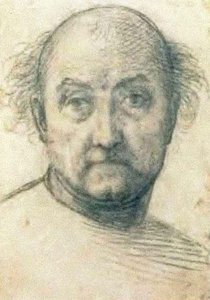
14of 37
Италианец Born in Ферминяно Висока ренесансна епоха Wikipedia in 30/32 languages

15of 37
Венециански Born in Басано дел Грапа Венециански Ренесанс Wikipedia in 24/32 languages

16of 37
Италиански Ренесанс Born in Ферара Ферарска и Болонска школа Wikipedia in 22/32 languages
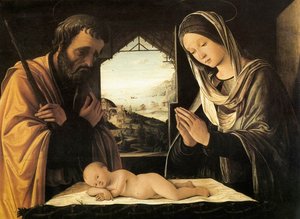
17of 37
Италианец Born in Думенца Ренесанс, Маниеризм Wikipedia in 20/32 languages

Luini’s artistic development wasn't simply imitation; it was a sensitive assimilation of Leonardo’s techniques, filtered through his own Lombard sensibility. Early works like the Adoration of the Magi (c. 1505) in San Pietro, Luino, already hint at this emerging style – showcasing a delicate handling of light and shadow, a masterful use of perspective, and a growing mastery of composition. The frescoes he created for the presbytery of Monza Cathedral, depicting Saint Gerard of the Painters, further solidified these early stylistic developments.
18of 37
Италиенец Born in Сиена Висока ренесанс и Маниеризъм Wikipedia in 23/32 languages

20of 37
Италианец Born in Флоренция Флорентска ренесансна школа Wikipedia in 22/32 languages

His early works, produced independently of Fra Bartolomeo, are stylistically distinct and reveal a sophisticated taste for detail. A period of independence followed Fra Bartolomeo’s entry into the Dominican order in 1500, allowing Albertinelli to develop his own voice while still maintaining a connection to his former mentor's style. Albertinelli’s style demonstrates the influence of several prominent artists including Perugino, Piero di Cosimo, Lorenzo di Credi, and Flemish painters.
21of 37
Born in Флоренция Висок Ренесанс/Маниеризъм Wikipedia in 16/32 languages

22of 37
Италиенец Born in Бреша Висока ренесанс Wikipedia in 15/32 languages

23of 37
Italian Born in Ферара Late Renaissance & Mannerism Wikipedia in 16/32 languages

Roman art provided him with a foundation in classical mythology and portraiture, while Venetian painting instilled within him an appreciation for atmospheric perspective and the subtle nuances of light and shadow. The years spent in Rome were particularly formative, exposing Garofalo to the innovations of Raphael and Giulio Romano. His later paintings demonstrate a growing interest in Mannerist conventions – elongated figures, distorted perspectives, and exaggerated gestures – reflecting a deliberate departure from the more balanced proportions of High Renaissance art.
24of 37
Германски Born in Милано Северно Ренесансово Wikipedia in 15/32 languages

25of 37
Италиански Ренесанс Born in Милано Миланска школа Wikipedia in 17/32 languages

26of 37
Италианец Born in Бреша Висока ренесансна епоха Wikipedia in 13/32 languages

27of 37
Италианец Born in Болоня Маниеризъм Wikipedia in 19/32 languages

28of 37
Italian Born in Florence Renaissance

His influence was not merely structural but also deeply personal; through his brother Antonio da Sangallo the elder and his sons, Antonio and Francesco, the architectural language he helped pioneer continued to evolve and dominate the European landscape for decades.
29of 37
Италиенец Born in Флоренция Ренесанс Wikipedia in 13/32 languages

Franciabлоigio преминава в студиото на Andrea del Sarto, което бележи повратна точка в кариерата му. Това партньорство създаде среда на иновации и експерименти, кулминирала в съвместното им основаване на работилница в Piazza del Grano — център на художествената дейност, който привлича други видни творци като Rosso Fiorentino, Pontormo, Francesco Indaco и Baccio Bandinelli.
30of 37
Italian Born in Northern Italy Renaissance Art Wikipedia in 12/32 languages

Around 1520, Bartolomeo relocated to Milan, a city still resonating with the legacy of Leonardo da Vinci.
31of 37
Italian Born in Флоренция Italian Renaissance Wikipedia in 11/32 languages

Narrative Depth: The capacity to weave complex biblical or mythological stories into vibrant, social snapshots that reflect the spirit of Florentine society. Color and Light: A rich palette featuring deep reds, vibrant blues, and earthy tones, utilized through careful layering to create texture and luminosity. The historical significance of Giuliano Bugiardini lies in his role as a bridge between the traditions of the late 15th century and the burgeoning dynamism of the 16th century.
32of 37
Хървато-италианска Born in Грижане Висока ренесанса Wikipedia in 17/32 languages

33of 37
German Born in Florence German Renaissance, Mannerism

His work is now appreciated for its complex psychological depth, its masterful use of color, and its crucial role in bridging the gap between late Gothic art and the Renaissance.
34of 37
Spanish Born in Perugia Wikipedia in 9/32 languages

The name Lo Spagna carries the weight of a traveler's identity, a nod to Spanish origins etched into his Italian life. Born Giovanni di Pietro, he moved through the landscapes of Umbria and the Marches, leaving traces of his brush in places like Perugia, Todi, Trevi, and Spoleto. His presence in Perugia is noted as early as 1470, though by 1492, he was a recognized member of Perugino's workshop.
35of 37
Italian Born in Venice High Renaissance Wikipedia in 8/32 languages

Licinio’s art represents a fascinating synthesis of prevailing Venetian styles. This is particularly visible in his later altarpieces, which echo Titian’s dramatic use of light, rich color harmonies, and dynamic compositions—most notably in pieces like Madonna Enthroned with Saints (1535). It wasn't until the early 20th century, thanks to the meticulous research and clarifying intervention of Gustav Ludwig in 1903, that Licinio began to receive the recognition he deserved.
36of 37
Italian Rococo Art

He was a founding member and professor at the Accademia di Scoltura, Pittura, ed Architettura Civile in Venice (established 1766), an institution dedicated to reviving classical artistic ideals and fostering excellence in sculpture, painting, and architecture. His frescoes—particularly “The Study of Adam”—are considered masterpieces of Venetian fresco painting, showcasing unparalleled color palettes and textural nuances.
37of 37
Italian Born in Chivasso Renaissance Art; Late Gothic Style Wikipedia in 8/32 languages

His achievements can be summarized through several key pillars of his artistry: Stylistic Synthesis: The seamless blending of Northern European Flemish detail with Italian Renaissance humanism.
Signature works
A timeline
Figures
| Италия | 29 |
|---|---|
| Italy | 6 |
| Хърватия | 1 |
| 1440s | 3 |
|---|---|
| 1450s | 3 |
| 1460s | 3 |
| 1470s | 6 |
| 1480s | 16 |
| 1490s | 3 |
| 1500s | 1 |
| 1510s | 1 |
| Галерия Уфици | 6 |
|---|---|
| Kunsthistorisches Museum | 5 |
| Държавен музей „Ермитаж“ | 5 |
| Лувър | 4 |
| Метрополитън Музей на изкуствата | 4 |
| Национална галерия | 3 |
| Национална галерия на изкуствата | 3 |
| Музей на изкуствата (Будапеща) | 3 |
Every name
Леонардо Да ВинчиИталианец · 1452–1519Микеланджело БуонаротиИталианец · 1475–1564Рафаело СанциоИталианец · 1483–1520ТицианИталианец · 1490–1576ДжорджонеИталианец · 1478–1510Пиетро ПеруджиноИталиански · 1448–1523 Антонио да Кореджо1489–1534Андреа Дел СартоИталианец · 1486–1530
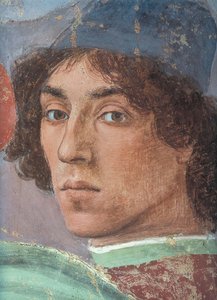 Филипино Липи1457–1504Лоренцо ЛотоИталианец · 1480–1556Себастиано дел ПиомбоИталианец · 1485–1547Палма ВекиоИталианец · 1480–1528Фра БартоломеоИталиански · 1472–1517Донато БрамантеИталианец · 1444–1514Якопо БасаноВенециански · 1510–1592Лоренцо КостаИталиански Ренесанс · 1460–1535Бернардино ЛуиниИталианец · 1480–1532Балдасаре ПеруциИталиенец · 1481–1536
 Досо ДосиИталианец · 1480–1542Мариото АлбертинелиИталианец · 1474–1515Ридолфо Гирландайо1483–1561Джовани Джироламо СаволдоИталиенец · 1480–1548БенвеनुТо ТизиItalian · 1481–1559Джованни Антонио БолтрафьоГермански · 1467–1516Андреа СолариоИталиански Ренесанс · 1460–1524Джироламо РоманиноИталианец · 1485–1562Себастиано СерлиоИталианец · 1475–1554Giuliano da SangalloItalian · 1443–1516ФранчабиджиоИталиенец · 1484–1525Bartolomeo VenetoItalian · 1502–1555Джулиано БуджардиниItalian · 1475–1554Джулио КловиоХървато-италианска · 1498–1578Antonio Da Sangallo The YoungerGerman · 1484–1546Lo SpagnaSpanish · 1450–1528Bernardino LicinioItalian · 1489–1565Michelangelo MorlaiterItalian · Defendente FerrariItalian · 1490–1540
Questions
First place goes to Леонардо Да Винчи (#1); Микеланджело Буонароти (#2) and Рафаело Санцио (#3) complete the podium.
Леонардо Да Винчи (#1), Микеланджело Буонароти (#2), Рафаело Санцио (#3), Тициан (#4) и Джорджоне (#5).
“Together, they worked on the exterior frescoes for the Fondaco dei Tedeschi, a busy trading post for German merchants.” — from our biography of Тициан (#4).
Италия: 29 of the 37 художници in this list were born there, then Italy (6) и Хърватия (1).
The highest-ranked художници born in Italy are Giuliano da Sangallo (#28), Bartolomeo Veneto (#30), Antonio Da Sangallo The Younger (#33), Lo Spagna (#34) и Bernardino Licinio (#35).
Пиетро Перуджино (#6) taught Lo Spagna (#34).
Most художници in this list were born in the 1480s (16 of 37), between 1443 and 1510 overall.
The highest-ranked художници born in Италия are Леонардо Да Винчи (#1), Микеланджело Буонароти (#2), Рафаело Санцио (#3), Тициан (#4) и Джорджоне (#5).
The museums holding the most key works of this list are Галерия Уфици (6), Kunsthistorisches Museum (5) и Държавен музей „Ермитаж“ (5).
The earliest-born художник in this list is Giuliano da Sangallo (#28), born in 1443.
Флоренция: 5 of the художници in this list were born there.
Our catalogue holds 5,722 works by these художници.
Read
Other movements
 Знаменити художници от BaroqueНощна стража · Рембранд ван Рейн
 Знаменити художници от Contemporary RealistКосачките · Жан-Франсоа Миле
 Знаменити художници от ImpressionistЗвездна нощ (Ню Йорк, MoMA) · Винсент Ван Гог
 Знаменити художници от RomanticistСатурн поглъщащ сина си · Франсиско Гоя
 Знаменити художници от NeoclassicistСмъртта на Марат · Жак-Луи Давид
 Знаменити художници от RealistПроизход на света · Гюстав Курбе
 Знаменити художници от Dutch Golden AgeМомичето с перлена обица · Йоханес Вермер
 Знаменити художници от RenaissanceМона Лиза (Ла Джоконда) · Леонардо Да Винчи
 Знаменити художници от ExpressionistКомпозиция VII · Василий Кандински
 Знаменити художници от RococoОтплаване към Китера · Антоан Вато
Other periods
 Знаменити художници от Early MedievalSnowy River · Уан Вей
 Знаменити художници от High MedievalМадона в Маеста (Мадона от Огнисанти) · Джото
 Знаменити художници от Late MedievalБлаговещението и двама светили · Симоне Мартини
 Знаменити художници от RenaissanceСътворението на Адам · Микеланджело Буонароти
 Знаменити художници от Early ModernПовикаването на Свети Матей · Микеланджело да Караваджо
 Знаменити художници от 19th CenturyВодни лилии (или Нимфеи) · Клод Моне
 Знаменити художници от ModernГерника · Пабло Пикасо
 Знаменити художници от ContemporaryWind Sculpture III (one in a series of nine) · Yinka Shonibare
Discover more