1of 62
Сандро Ботичели 1445–1510
Италианец Born in Флоренция Ранен Ренесанс Wikipedia in 31/32 languages
Early Renaissance, one artist at a time
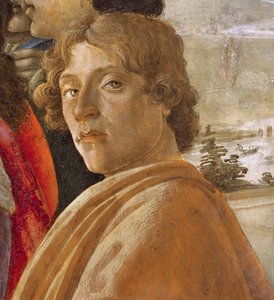
Сандро Ботичели (1445–1510) is the most famous Early Renaissance артист, whose singular vision gave us Поклонението на Magi (детайл) и Примавера. Next stand Мазачо, Пиеро Дела Франческа, Фра Анджелико и Андреа Мантеня. These 62 артисти, from Уголино Ди Нерио (born 1280) to Алуно Ди Доменико (Бартоломео Ди Джовани) (born 1475), came from 5 countries.
Our selection. Artists whose works our catalogue attaches to Early Renaissance, in the order of our fame ranking. Artists born after 1955 with no Wikidata identifier stay out until verified. The Wikipedia figure counts our 32 languages with an article on the artist.
In brief
One artist at a time
1of 62
Италианец Born in Флоренция Ранен Ренесанс Wikipedia in 31/32 languages
2of 62
Италиански Born in Сан Джовани Валдарно Ранен Ренесанс Wikipedia in 31/32 languages

3of 62
Италианец Born in Сансеполкро Ранен Ренесанс Wikipedia in 30/32 languages

4of 62
Италианец Born in Викио Ранен Ренесанс Wikipedia in 31/32 languages
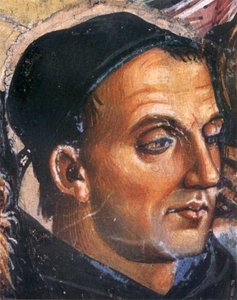
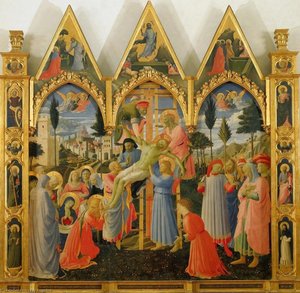
Museo di San Marco, Флоренция: Този музей съхранява най-голямата и значима колекция от творби на фра Анжелика, включително зашеметяващите фрески от манастира. The Louvre Museum (Париж): Няколко важни картини на фра Анжелика могат да бъдат намерени в обширната колекция на Лувъра. The National Gallery (Лондон): Националната галерия се гордее с подбор от негови творби, предлагайки на посетителите поглед към неговия художествен гений.
7of 62
Италианец Born in Флоренция Ренесанс Wikipedia in 31/32 languages

While perhaps not as widely celebrated as some of his contemporaries – such as Leonardo da Vinci or Raphael – Ghirlandaio’s work offers a unique and intimate glimpse into the vibrant world of Renaissance Florence – a world where faith, commerce, and artistic innovation converged to create an era of unparalleled cultural achievement.
8of 62
Италианец Born in Флоренция Ранен Ренесанс Wikipedia in 30/32 languages
11of 62
Италиански Born in Флоренция Ренесанс Wikipedia in 23/32 languages

12of 62
Италианец Born in Флоренция Международна готическа Wikipedia in 25/32 languages

13of 62
Италиански Born in Паникале Ранен Ренесанс Wikipedia in 23/32 languages

16of 62
Италиански Born in Венеция Ранен Ренесанс Wikipedia in 21/32 languages

17of 62
Италианска Born in Ферара Италиански Ренесанс Wikipedia in 17/32 languages

18of 62
Италиенец Born in Сиена Късна готика, Сиенска школа Wikipedia in 17/32 languages

19of 62
Италианец Born in Флоренция Ранен Ренесанс Wikipedia in 28/32 languages
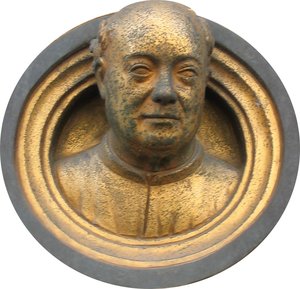
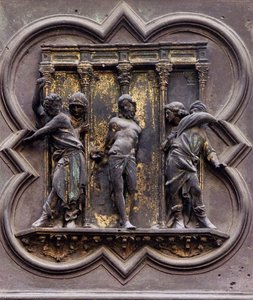
The challenge was audacious: to depict the Sacrifice of Isaac in relief – a biblical narrative brimming with symbolism and theological weight. He swiftly embarked on the monumental task of creating the North Doors, a project that would consume over two decades and fundamentally transform the Baptistery into a breathtaking showcase of Renaissance artistry. Lorenzo di Bartolo – a name destined to become synonymous with artistic innovation as Lorenzo Ghiberti – was born near Florence in 1378, into a world brimming with both opportunity and challenge.
20of 62
Италианец Born in Венеция Късна готика, Венецианска готика Wikipedia in 23/32 languages

Signature works · The 100 signature works
21of 62
Италиански Born in Флоренция Кватроченто Wikipedia in 24/32 languages

22of 62
Италиански Born in Сиена Международна готическа школа Wikipedia in 22/32 languages

23of 62
Италиански Born in Сан Годенцо Ренесанс Wikipedia in 24/32 languages
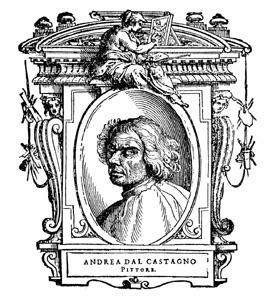
Like Giotto, Castagno championed a departure from the stylized conventions of Gothic art, prioritizing emotional resonance and anatomical accuracy—a stylistic decision that would resonate throughout his oeuvre. This early preoccupation foreshadowed Castagno’s later mastery of fresco technique, particularly evident in monumental commissions like the Crucifixion and Saints, executed at the Ospedale di Santa Maria Nuova (1440-1441).
26of 62
Италиански Born in Флоренция Ренесансова живопис Wikipedia in 17/32 languages

27of 62
Италиански Born in Флоренция Флорентинска школа; стил на Фра Анжелико Wikipedia in 13/32 languages

28of 62
Italian (Florentine) Born in Флоренция Early Renaissance, Florentine Wikipedia in 15/32 languages

Pesellino’s artistic style is immediately recognizable, distinguished by its exceptional refinement and a deliberate avoidance of grand gestures. Vasari, in his Lives of the Most Excellent Painters, Painter, Sculptors, and Architects, famously noted Pesellino’s contribution to Lippi's altarpiece for Santa Croce. His style, characterized by its meticulous detail, subtle color harmonies, and intimate emotionality, anticipated the developments of later Florentine painters such as Verrocchio and the Pollaiuoli family.
29of 62
Italian Born in Флоренция Early Renaissance Wikipedia in 13/32 languages

His style, heavily influenced by the lyrical elegance of Botticelli and the structural clarity of Filippino Lippi, often centered on religious narratives that invited deep contemplation. Whether depicting the scholarly weight of Saint Jerome or the tender grace of the Madonna, Botticini possessed a unique gift for capturing the emotional gravity of his subjects. While history often casts the spotlight on the monumental shadows of Leonardo da Vinci or Michelangelo, Botticini’s work offers a window into a period of exquisite transition, where the rigid structures of medieval devotion began to melt into the humanistic grace of the Renaissance.
30of 62
Italian Born in Рим Early Renaissance Wikipedia in 16/32 languages

31of 62
Испанска Born in Кордоба Хиспано-фламандски, Ранен Ренесанс Wikipedia in 14/32 languages

33of 62
Венециански Born in Мурано Венецианска Ренесансова школа Wikipedia in 17/32 languages

35of 62
Born in Флоренция

Neri studied under his father, Bicci di Lorenzo, absorbing the stylistic conventions of the time. Early Influences: Initially, Neri’s work closely resembled that of his father.
36of 62
Италиански Born in Флоренция Ренесанс скулптура

His influence extended beyond his own creations—he mentored younger sculptors like Desiderio da Settignano and Michelangelo—propagating his distinctive Mannerist style across Florence.
37of 62
Италиански Born in Венеция Византийско изкуство Wikipedia in 11/32 languages

38of 62
Италианска Born in Сиена Сиенска живопис Wikipedia in 13/32 languages

39of 62
Италианец Born in Сиена Ранен Ренесанс Wikipedia in 13/32 languages

His compositions often feature: Luminous Pigments: A palette rich in ultramarine, vermilion, and gold leaf that reflects the divine splendor of his subjects. Architectural Precision: The use of structured backgrounds to ground holy figures within a tangible, albeit idealized, reality. The historical significance of Taddeo di Bartolo lies in his role as a custodian of Sienese identity during a period of immense change.
41of 62
Италиански Born in Флоренция Флорентийска школа Wikipedia in 8/32 languages

44of 62
Италианец Born in Сиена Ранен Ренесанс Wikipedia in 12/32 languages

45of 62
Италиенец Born in Сансеполкро Сиенска школа, Ренесанс Wikipedia in 11/32 languages

47of 62
French Born in Uzès Early Renaissance; Flemish Style Wikipedia in 14/32 languages
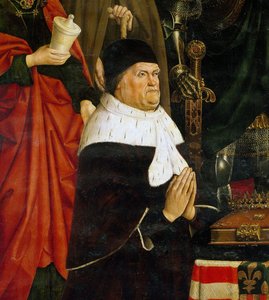
He achieved considerable renown for his monumental altarpiece commissioned in Aix-en-Provence for Catherine Spifami, depicting the Passion of Christ and incorporating scenes from Mary Magdalene's life—a testament to the prevailing devotional fervor of the time. He stands as a pivotal conduit for disseminating Flemish artistic innovations, propelling the Second School of Avignon toward a more expressive and realistic aesthetic.
48of 62
Италиански Born in Флоренция Ранен Ренесанс Wikipedia in 9/32 languages

50of 62
Italian Born in Сан Джовани Валдарно Early Renaissance Wikipedia in 8/32 languages

While his brother Masaccio is celebrated as the pioneer of groundbreaking realism, Giovanni di Ser Giovanni —affectionately known to history as Lo Scheggia, or "the splinter"—carved out a legacy defined by a different, more delicate kind of mastery.
52of 62
Италиански Ренесанс Born in Флоренция Ранен Ренесанс Wikipedia in 6/32 languages
55of 62
Italian Born in Perugia Umbrian Renaissance Wikipedia in 9/32 languages

In the heart of the Umbrian Renaissance, a period defined by spiritual luminosity and the dawn of humanistic perspective, the name Benedetto Bonfigli emerges as a vital architect of visual devotion.
56of 62
Born in Урано Early Renaissance-late Gothic

Working primarily within the Republic of Venice, Vivarini occupied a unique historical space, bridging the transition between the ornate elegance of the late Gothic period and the burgeoning humanism of the early Renaissance.
57of 62
Italian Born in Florence Early Renaissance

Nanni di Banco’s most celebrated achievement is undoubtedly the Quattro Santi Coronati (Four Crowned Martyrs), commissioned between 1412 and 1415 for the Orsanmichele church in Florence.
58of 62
Italian Early Renaissance

Reflecting on his body of work, several key elements define his artistic identity: Stylistic Versatility: The ability to merge the structural rigor of Florentine sculpture with the lyrical beauty of the International Gothic. Though his life ended in 1451, leaving behind a fragmented biographical record, the echoes of "il Rosso" remain etched in the very fabric of Italian art history. Cultural Diffusion: Acting as a bridge between the artistic epicenters of Florence and the burgeoning markets of Venice and Northern Italy.
59of 62
Italian Born in Siena Renaissance art Wikipedia in 6/32 languages

His early works, such as the celebrated “ Adoration of the Shepherds ” with Saint Augustine and Saint Galgano (circa 1430-1435), demonstrate a masterful command of composition and a burgeoning interest in depicting human emotion. D’ Ambrogio’s artistic development was undoubtedly shaped by the prevailing trends of the early Renaissance, particularly those emanating from Florence.
60of 62
Италиански Born in Флоренция Ренесансова изкуство Wikipedia in 5/32 languages

61of 62
Italian Late Gothic Wikipedia in 8/32 languages

While definitively named only recently thanks to meticulous research by Maria Falcone, this artist—now recognized as Sano di Pietro —left behind a remarkable cycle of eight panels depicting scenes from the life of Saint Anthony Abbot, works that continue to captivate viewers with their haunting beauty and psychological depth. Despite his anonymity for centuries, the Master of the Osservanza's work has exerted a significant influence on subsequent generations of Italian painters.
62of 62
Italian Proto-Renaissance Wikipedia in 4/32 languages

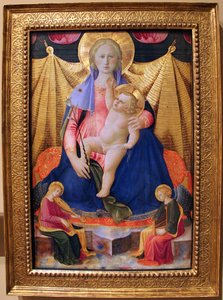
A key feature of his work is the variation in the presentation of the infant Jesus within Mary’s arms – a subtle but significant departure from the static poses often found in earlier depictions. Artists like Giotto, Masaccio, and Donatello were challenging established conventions and experimenting with new techniques – paving the way for the High Renaissance.
Signature works
A timeline
Figures
| Италия | 53 |
|---|---|
| Italy | 4 |
| Испания | 1 |
| Германия | 1 |
| France | 1 |
| 13th век | 1 |
|---|---|
| 14th век | 16 |
| 15th век | 43 |
| Метрополитън Музей на изкуствата | 14 |
|---|---|
| Национална галерия | 13 |
| Галерия Уфици | 6 |
| Gemäldegalerie | 5 |
| Национална галерия на изкуствата | 4 |
| Държавните музеи в Берлин | 4 |
| Gallerie dell'Accademia di Venezia | 4 |
| Fine Arts Museums of San Francisco | 4 |
Every name
Сандро БотичелиИталианец · 1445–1510МазачоИталиански · 1401–1428Пиеро Дела ФранческаИталианец · 1415–1492Фра АнджеликоИталианец · 1395–1455 Андреа МантеняИталианец · 1431–1506
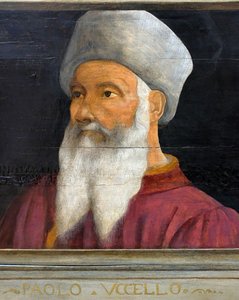 Паоло УчелоИталианец · 1397–1475Доменико ГирландайоИталианец · 1448–1494Филипо ЛипиИталианец · 1406–1469
 Антонело Да МесинаИталиански · 1430–1479
 ДонателоИталианец · 1386–1466Антонио Дел ПолайуолоИталиански · 1429–1498Беноцо ГоцолиИталианец · 1420–1497Мазолино Да ПаникалеИталиански · 1383–1447
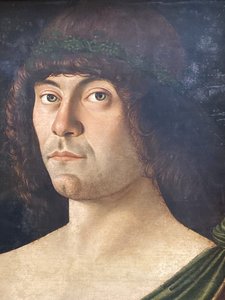 Якопо БелиниИталиански · 1400–1470
 Козимо ТураИталиански · 1430–1495Доменико ВенецианоИталиански · 1410–1461Франческо Дел КосаИталианска · 1436–1477Стефано ди Джовани СасетаИталиенец · 1392–1450Лорънцо ГибетиИталианец · 1378–1455Карло КривелиИталианец · 1435–1495Козимо РоселиИталиански · 1439–1507Лоренцо МонакоИталиански · 1370–1425Андреа дел КастаньоИталиански · 1420–1457
 Филипео Брунелески1377–1446
 Ерколе Де Роберти1450–1496Пиеро Дел ПоляйолоИталиански · 1443–1496Доменико Ди МикелиноИталиански · 1417–1491Франческо ПезелиноItalian (Florentine) · 1422–1457Франческо БотичиниItalian · 1446–1498Антониаццо РоманоItalian · 1430–1508Бартоломе БермехоИспанска · 1440–1500
 Бенедето Да Майано1446–1497Бартоломео ВивариниВенециански · роден 1416
 Джакопо Делла КьерчиИталианец · 1374–1438Бичи Ди Нери1418–1492Бернардо РосселлиноИталиански · 1409–1464Лоренцо ВенецианоИталиански · 1336–1379Уголино Ди НериоИталианска · 1280–1330Тадео Ди БартолоИталианец · 1362–1422
 Алуно Ди Доменико (Бартоломео Ди Джовани)Италиански · 1475–1503Бичи Ди ЛоренцоИталиански · 1350–1427
 Алвизе Виварини (Луиджи Виварини)Италиенец · 1446–1502
 Себастьяно МайнардиItalian · 1460–1513Нерочо Де ЛандиИталианец · 1447–1500Матео Ди ДжованиИталиенец · 1435–1495
 Конрад Фон Зоест1370–1422Nicolas FromentFrench · 1430–1484Джакопо Дел СелайоИталиански · 1442–1493
 Фра КарнавалеItalian · 1420–1484Ло СкеджаItalian · 1406–1486
 Сано ди ПиетроИталиенец · 1405–1481Заноби СтроциИталиански Ренесанс · 1412–1468
 Ладзаро БастианиИталиански · 1429–1512
 Андреа ВаниИталианска · 1332–1414Benedetto BonfigliItalian · 1420–1496Антонио Виварини1440–1480Nanni D Antonio Di BancoItalian · 1380–1421Nanni Di BartoloItalian · 1419–1451Pietro Di Giovanni D'AmbrogioItalian · 1410–1449Бартоломео Ди ФруозиноИталиански · 1366–1441Master Of The OsservanzaItalian · Master of the Nativity of CastelloItalian ·
Questions
Първото място заема Сандро Ботичели (#1); Мазачо (#2) и Пиеро Дела Франческа (#3) допълват подиума.
Сандро Ботичели (#1), Мазачо (#2), Пиеро Дела Франческа (#3), Фра Анджелико (#4) и Андреа Мантеня (#5).
Най-старият артист в този списък е Уголино Ди Нерио (#38), роден през 1280.
Флоренция: 20 от артисти в този списък са родени там.
Повечето артисти в този списъk са родени в 15th век (43 от 62), между 1280 и 1475 общо.
Музеите, в които се съхраняват най-голям брой ключови произведения от този списък, са Метрополитън Музей на изкуствата (14), Национална галерия (13) и Галерия Уфици (6).
Италия: 53 от общо 62 артисти в този списък са родени там, а останалите са Italy (4) и Испания (1).
Най-високо класираните артисти, родени в Италия, са Сандро Ботичели (#1), Мазачо (#2), Пиеро Дела Франческа (#3), Фра Анджелико (#4) и Андреа Мантеня (#5).
“Initially apprenticed to his father, learning the intricate techniques of metalworking, he soon transitioned to painting under the tutelage of Alesso Baldovinetti, absorbing the fundamental principles of fresco and mosaic artistry that defined Florentine painting at the time.” — от нашата биография на Доменико Гирландайо (#7).
Най-високо класираните живи артисти в този списък са Бартоломео Виварини (#33).
В нашия каталог са включени 5,104 произведения на тези артисти.
Read
Other movements
 Знаменити художници от BaroqueНощна стража · Рембранд ван Рейн
 Знаменити художници от Contemporary RealistКосачките · Жан-Франсоа Миле
 Знаменити художници от ImpressionistЗвездна нощ (Ню Йорк, MoMA) · Винсент Ван Гог
 Знаменити художници от RomanticistСатурн поглъщащ сина си · Франсиско Гоя
 Знаменити художници от NeoclassicistСмъртта на Марат · Жак-Луи Давид
 Знаменити художници от RealistПроизход на света · Гюстав Курбе
 Знаменити художници от Dutch Golden AgeМомичето с перлена обица · Йоханес Вермер
 Знаменити художници от RenaissanceМона Лиза (Ла Джоконда) · Леонардо Да Винчи
 Знаменити художници от ExpressionistКомпозиция VII · Василий Кандински
 Знаменити художници от RococoОтплаване към Китера · Антоан Вато
Other periods
 Знаменити художници от Early MedievalSnowy River · Уан Вей
 Знаменити художници от High MedievalМадона в Маеста (Мадона от Огнисанти) · Джото
 Знаменити художници от Late MedievalБлаговещението и двама светили · Симоне Мартини
 Знаменити художници от RenaissanceСътворението на Адам · Микеланджело Буонароти
 Знаменити художници от Early ModernПовикаването на Свети Матей · Микеланджело да Караваджо
 Знаменити художници от 19th CenturyВодни лилии (или Нимфеи) · Клод Моне
 Знаменити художници от ModernГерника · Пабло Пикасо
 Знаменити художници от ContemporaryWind Sculpture III (one in a series of nine) · Yinka Shonibare
Discover more