88 Famous Post-impressionist فنانون Who Shaped the Movement
فنسنت فان خوخ (1853–1890) is the most famous Post-impressionist فنان, whose singular vision gave us vincent willem van gogh
A Life Painted in Passion: Vincent van Gogh
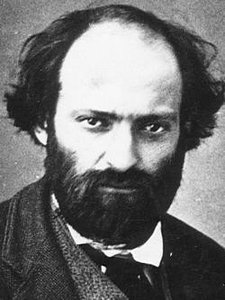
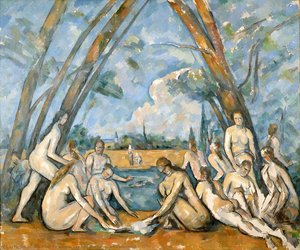
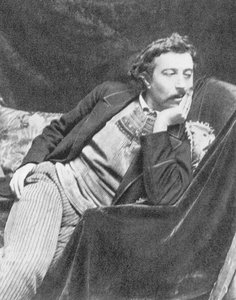
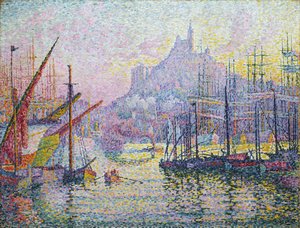
Vincent Willem van Gogh, a name synonymous with vibrant color and raw emotion, remains one of the most recognizable and beloved figures in art history. Born on March 30, 1853, in Zunder و أكلة البطاطس. Next stand بول سيزان, بول غوغان, أنري تولوز لوترك و بول سينياك. These 88 فنانون, from George Henry (born 1828) to Yuri Ivanovych Khymych (born 1928), came from 35 countries.
OSelected by OriginalUniqueArt.com
Our selection. Artists whose works our catalogue attaches to Post-impressionist, in the order of our fame ranking. Artists born after 1955 with no Wikidata identifier stay out until verified. The Wikipedia figure counts our 32 languages with an article on the artist.
Donna alla fonte (المعروفة أيضًا باسم Alpenlandschaft mit Frau am Brunnen) – مشهد هادئ لامرأة بجانب نافورة في جبال الألب. Ragazza che fa la calza - لوحة رمزية جميلة تتميز بامرأة وخراف.
فرنسيBorn in باريسما بعد الانطباعية، النابيين، التخليقيةWikipedia in 21/32 languages
"التميمة" ، متحف أورسيه، باريس. منظر طبيعي في لو بولو (1890)، متحف الفنون الجميلة، هيوستن. الغسالات (1891)، متحف الفنون الجميلة، هيوستن. آكلو الثعابين ، المتحف الوطني، وارسو. امرأة بريتونية تجلس عند الشاطئ ، المتحف الوطني، وارسو.
فرنسيBorn in شامبيني سور مارنالرومانسية النائمةWikipedia in 13/32 languages
These Intimist painters prioritized domestic scenes and intimate moments, fostering in Lebasque a similar inclination toward capturing the quiet poetry of everyday existence. This approach aligned seamlessly with the tenets of Impressionism and solidified his connection to luminist painters like Seurat and Signac, who championed the use of scientific color theory to illuminate canvases. Simultaneously, exposure to the theories of Georges Seurat and Paul Signac introduced him to the principles of Chromoluminarism – the scientific application of complementary colors to create luminous effects.
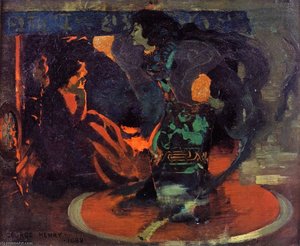
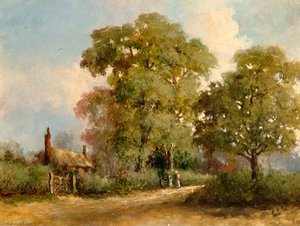
The foundations of Henry’s aesthetic were laid during his formative years at the Glasgow School of Art. It was here that he forged deep connections with contemporaries such as John Singer Sargent, creating a shared intellectual space where new ideas could flourish. While George Henry may have experienced periods of relative obscurity during his lifetime, the historical significance of his work has undergone a profound resurgence.
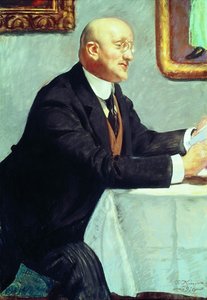
However, the young Tarkhoff possessed an innate artistic inclination, described as a “fervent desire to be a painter.” Tragedy marked his childhood; he lost his mother at age three and his father eight years later, experiences that perhaps fostered a sensitivity reflected in his later work. He also studied with Luc- Olivier Merson, yet it was the works of Van Gogh, Gauguin, and Cézanne that truly ignited his artistic evolution.
فرنسيBorn in لو بوي أون فيلايما بعد الانطباعية، الرمزية، مدرسة بونت أفين، باند نوارWikipedia in 12/32 languages
Douleur (المعروفة أيضاً باسم les victimes de la mer ، والموجودة في متحف أورساي، 1908-09). Petit village au pied de la falaise ، في musée malraux ، لو هافر (1905). لوحة Montagne، في musée malraux ، لو هافر (1900-10). View of Venice from the sea ، في the hermitage ، سانت بطرسبرغ (1896).
FrenchBorn in Fresne-Saint-MamèsPost-ImpressionismWikipedia in 12/32 languages
In pieces such as In the Woods, one can observe his mastery of pastel and oil to create a sense of depth through soft, rhythmic brushwork. His technique often utilized: Atmospheric Subtlety: A focus on the weight and texture of air and light to create mood. Schuffenecker’s artistic soul was forged in the crucible of Parisian bohemianism, where he found kindred spirits in the likes of Paul Gauguin and Odilon Redon.
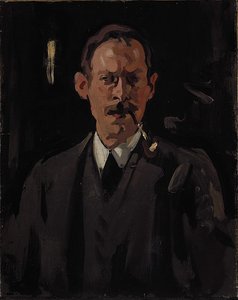
His influence extended far beyond the local valleys; he was a regular exhibitor at prestigious institutions such as the Manchester Academy of Fine Arts, the Royal Scottish Academy, and the Glasgow Institute.
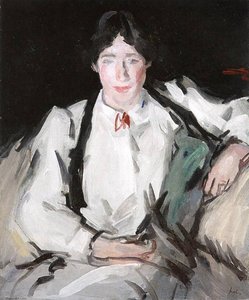
Lady with a Red Sash ، حوالي عام 1897. May Day, Central Park ، حوالي عام 1903. Lady with a Red Sash (1897) Gloucester Harbor (1912) Cove with Figures (1923)
UkrainianBorn in Kamianets-PodolskSocialist Realism
As a dedicated educator, he passed his technical expertise and passion for heritage to generations of students at the Kyiv Engineering and Construction Institute and the National Academy of Architecture and Arts.
FrenchBorn in 2nd arrondissement of LyonPost-ImpressionismWikipedia in 7/32 languages
André’s influence extends beyond his own artistic output. His meticulous study of Renoir's work and his dedication to preserving the artist's legacy resulted in one of the most comprehensive and insightful biographies of Renoir ever written—a testament to André’s deep appreciation for his friend and mentor. He wasn't a painter who sought fame or recognition; his primary motivation was to capture the beauty and complexity of the world around him—particularly the intimate corners of domestic life.
Jandi's artistic sensibilities were decisively molded by the burgeoning Hungarian landscape school, spearheaded by József Szilágyi. Despite this influence, Jandi skillfully blended tonal considerations with Impressionistic color harmonies, resulting in paintings that possessed both depth and luminosity. His works are housed in several Hungarian museums, including the Széchényi National Museum and the Hungarian National Gallery, ensuring that his vision of Hungarian landscape painting endures.
FrenchBorn in SensPost-ImpressionismWikipedia in 9/32 languages
In works such as his Italian Woman with Tambourine or his evocative 1911 portrait of a woman in a hat, one observes how he could render objects with precision while maintaining an overarching sense of atmospheric beauty. Intimate Still Lifes where everyday objects were transformed through light and color;. As the son of the nineteenth-century painter Jean Michel Prosper Guérin, his path toward the canvas was almost predorsed, a journey shaped by familial devotion to visual expression.
He spent considerable time there, capturing scenes from the Trinità dei Monti – the iconic church overlooking the city – and other bustling corners of the Eternal City. The influence of Roman art is evident in Zairis’s compositions, his use of light and shadow, and his meticulous attention to detail. Works like “ The Old Egg Seller ” exemplify this style—a solitary figure bathed in sunlight, conveying both resilience and vulnerability.
RussianBorn in TolyattiPost-ImpressionismWikipedia in 7/32 languages
Petersburg, Gorbatov’s artistic trajectory took an international turn when he received a scholarship to study art in Rome and on the idyllic island of Capri during the early 20th century.
BritishBorn in Denmark HillVictorian Elegance & Post-ImpressionismWikipedia in 4/32 languages
William Henry Margetson, born in Camberwell, Surrey, in December 1861, was a painter whose career unfolded across the shifting tides of Victorian and early 20th-century British art. His journey began with formal training at Dulwich College, followed by studies at the prestigious Royal College of Art and the Royal Academy Schools – a path typical for aspiring artists of his time, yet one he navigated with distinct talent and sensitivity.
ItalianBorn in FerraraPost-ImpressionismWikipedia in 8/32 languages
His legacy is found in: The fusion of poetry and painting: Proving that visual art can be as lyrical and metaphorically rich as the written word. He remains a celebrated figure in the annals of Italian art, remembered not just as a painter of scenes, but as a chronicler of the ephemeral soul. Despite the disruptions of World War II and his eventual return to Italy, De Pisis never lost the cosmopolitan spirit that had defined his youth.
FrenchBorn in AncenisImpressionism/Post-ImpressionismWikipedia in 6/32 languages
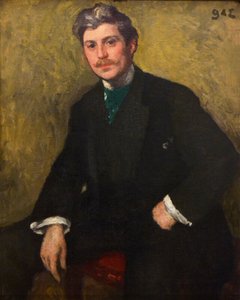
His portraiture stands out for its ability to capture not just the likeness but also the inner character of his subjects. And his scenes of modern life offer glimpses into the changing social landscape of early 20th-century France, depicted with a keen eye for detail and atmosphere. His active participation in key Parisian salons—the Salon des Indépendants from 1905 onward, the Salon d'Automne, and others—placed him squarely amongst the leading figures of his time.
Ernest Zobole (1927-1999) remains a singular voice in Welsh art history, an artist whose canvases breathed with the grit and beauty of the Rhondda Valleys during the twilight years of industrial Britain. Born in Tylorstown, within the heart of Rhondda Cynon Taf, Zobole’s formative years were deeply steeped in the atmosphere of coal mining communities. Though his recognition was largely concentrated within Wales during his lifetime, the historical significance of Ernest Zobole cannot be overstated.
RussianBorn in Saint PetersburgWatercolor painting; Woodcut techniqueWikipedia in 9/32 languages
Having survived one of the darkest chapters of human history, she continued to contribute to the artistic community as a professor at the Leningrad Institute of Painting, Architecture, and Sculpture.
This isn’t an abandonment of realism, but rather a transformation of it; Khymych seeks to convey the emotional truth of his subjects through poetic abstraction. He doesn't paint what he sees, but what he feels when he looks at Ukraine. He also demonstrates an affinity for the bold color palettes and expressive brushwork of Vincent van Gogh and the post-impressionists.
He moved away from strict realism towards a more emotive representation of his subjects. Oil Painting Mastery: He primarily worked with oil paints, demonstrating a skillful technique in rendering light, shadow, and atmosphere. Cultural Immersion: Living and working in Southeast Asia profoundly shaped his artistic vision.
AmericanBorn in MedfordPost-ImpressionismWikipedia in 3/32 languages
Beyond his landscape paintings, Henderson made an indelible mark on the world of stage design. The costumes he created – particularly ‘ Two of Spades,’ a striking clown ensemble—were bold, expressive, and deeply rooted in the spirit of the story. He drew inspiration from a diverse range of sources, including the works of J.M.W.
SpanishBorn in ValenciaPost-ImpressionismWikipedia in 4/32 languages
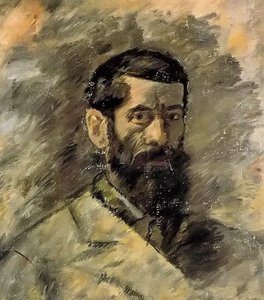
His artistic soul was forged in the prestigious halls of the Real Academia de Bellas Artes de San Carlos, where, despite his parents' initial reservations, he pursued a calling that would eventually define his existence.
BritishBorn in MaidenheadPost-Impressionism, Camden Town GroupWikipedia in 3/32 languages
The tensions within the group, particularly surrounding Sickert’s relationships, ultimately led to its dissolution, but it served as a crucial incubator for artistic experimentation and innovation. His paintings of interiors—densely packed rooms filled with furniture, figures, and a palpable sense of atmosphere—are particularly compelling, offering glimpses into the lives of ordinary Londoners. During this period, he produced some of his most memorable works, including depictions of the Hammersmith Palais de Danse and the London Law Courts – scenes that capture the energy and dynamism of early 20th-century London.
HungarianBorn in BudapestPost-Impressionism, SecessionismWikipedia in 1/32 languages
Born in Budapest, Hungary, in 1891, József Nemes Lamperth’s life was tragically cut short at the young age of thirty-three. Lamperth’s artistic journey began during a period of intense social and political change in Hungary. The Memorial Exhibition held at the Hungarian National Gallery in 2014, titled “The Painter and the Museum,” served as a crucial step in recognizing his contribution to the country’s artistic heritage.
GreekBorn in İzmirImpressionism, Post-Impressionism, ExpressionismWikipedia in 1/32 languages
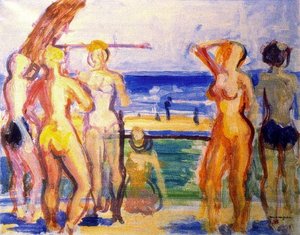
Photographer: Impressionistic watercolor captures a nostalgic scene of an artist & children. Bathers on the boat: An evocative oil painting blending expressionism & impressionism, capturing a moment of transition with fluid forms and atmospheric depth. This approach aligns him with artists like Edvard Munch and Vincent van Gogh —figures who championed subjective experience as paramount to artistic endeavor.
AustrianBorn in SalzburgImpressionismWikipedia in 1/32 languages
His journey through the prestigious Kunstakiente Düsseldorf allowed him to immerse himself in the flowing, organic rhythms of Jugendstil, where he studied under masters such as Wilhelm Trübschenne and Hugo Steiner-Samuels.


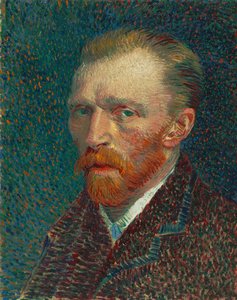
 vincent willem van gogh
A Life Painted in Passion: Vincent van Gogh
Vincent Willem van Gogh, a name synonymous with vibrant color and raw emotion, remains one of the most recognizable and beloved figures in art history. Born on March 30, 1853, in Zunder
 أكلة البطاطس
 غرفة نوم فان جوخ في أرليس (النسخة الأولى)