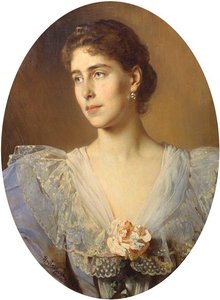
1of 68
راجا رافي فارما 1848–1906
هندي Born in كليمانجارو الدمج الأكاديمي والهندي Wikipedia in 22/32 languages
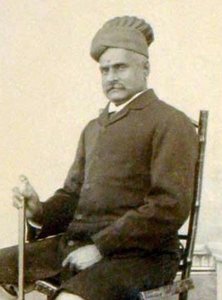
Academic Realist, one artist at a time
راجا رافي فارما (1848–1906) is the most famous Academic Realist رسام, whose singular vision gave us Damayanti And Hamsam و Music Hath Charms (Kadambari). Next stand جان جاك هينر, جان إيبوليت فلاندران, إدوارد ديتيليه و ألفريد ستيفنز. These 68 رسامون, from أندرو جيديس (born 1783) to هيو غولدون ريفير (born 1882), came from 25 countries.
Our selection. Artists whose works our catalogue attaches to Academic Realist, in the order of our fame ranking. Artists born after 1955 with no Wikidata identifier stay out until verified. The Wikipedia figure counts our 32 languages with an article on the artist.
In brief
One artist at a time
1of 68
هندي Born in كليمانجارو الدمج الأكاديمي والهندي Wikipedia in 22/32 languages
2of 68
فرنسي Born in بيرنويلي الواقعية الأكاديمية Wikipedia in 16/32 languages

6of 68
أمريكي Born in ماتابويسيت الرسم الكلاسيكي الأكاديمي Wikipedia in 17/32 languages
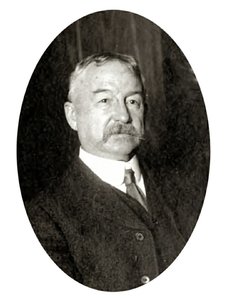
8of 68
Dutch Born in Amsterdam Portraiture Wikipedia in 14/32 languages

The final, transformative chapter of her education took place in Paris in 1879, where she studied under Jean-Jacques Henner at the École Supérieure des Beaux-Arts, exposing her to the avant-garde spirit of the French capital.
9of 68
Austrian Born in Sopron Neoclassical Romanticism Wikipedia in 12/32 languages

The historical significance of Heinrich von Angeli extends far beyond the mere documentation of faces.
11of 68
Born in former 12th arrondissement of Paris Wikipedia in 11/32 languages

12of 68
French Born in Nantes Academic Realism Wikipedia in 12/32 languages

He did not merely document the lives of Parisian women; he crafted an idealized, almost dreamlike vision of domestic refinement. Through his eyes, we witness a world of lavish furnishings and gilded interiors that epitomize the luxury of 19th-century France. Cultural Documentation: Providing a detailed visual record of the social hierarchies and aesthetic values of the Belle Époque.
14of 68
إيطالي Born in مُودِنة الواقعية الأكاديمية Wikipedia in 4/32 languages

15of 68
British Portraiture, Genre scenes

The prevailing academic tradition of portraiture, championed by artists like Thomas Lawrence, undoubtedly informed his early training. His depiction of “The Evening Guide” Sir, for example, can be interpreted as a critique of poverty and social inequality.
16of 68
اسكتلندي Born in أبردين رسم النوع الفيكتوري؛ تأثير ما قبل الرافائيلية Wikipedia in 7/32 languages

18of 68
Polish Born in Lublin Academic Art Style Wikipedia in 10/32 languages

However, it was his time at the Munich Academy of Fine Arts—studying under luminaries such as Hermann Anschütz, Alexander Wagner, and Karl von Piloty —that truly crystallized his devotion to the Munich School, a movement that would define his meticulous approach to realism.
19of 68
بلجيكي Born in لير الواقعية، التحلل (Decadence) Wikipedia in 10/32 languages

20of 68
French Born in Besançon Academic painting Wikipedia in 10/32 languages

Cultural giants like Charles Gounod, Giuseppe Verdi, and Victor Hugo, immortalizing the era's intellectual heartbeat. Whether he was depicting the inventor of the stethoscope, René Laennec, or the operatic intensity of Emma Calvé as Carmen, Chartran’s brushwork remained consistent in its pursuit of character. Though some of his most famous encounters with power ended in colorful historical footnotes—such as his widely discussed, yet famously rejected, portrait of Theodore Roosevelt —his contribution to the art of portraiture remains indelible.
21of 68
French Orientalism

Émile Eisman-Semenowsky remains a captivating figure in the late nineteenth-century Parisian art scene, an artist whose work serves as a bridge between the rigorous discipline of academic realism and the fleeting, luminous qualities of Impressionism. Born in Poland around 1857, his early life is shrouded in much of the mystery that often surrounds artists of great talent but sparse documentation. Though his life ended in 1911, the impact of Eisman-Semenowsky’s vision continues to resonate within the history of nineteenth-century art.
23of 68
بريطاني Born in جنوب كنسينغتون فن البورتريه، الواقعية الأكاديمية Wikipedia in 5/32 languages

25of 68
Dutch Born in Amersfoort History painting, Portraiture Wikipedia in 9/32 languages

Nicolaas Pieneman, born in Amersfoort on January 1st, 1809, entered a world already steeped in artistic tradition. His father, Jan Willem Pieneman, was a prominent figure in Dutch painting —a painter of considerable renown and the first director of the Royal Academy of Fine Arts in Amsterdam. Nicolaas Pieneman died on December 30th, 1860, in Amsterdam, leaving behind a body of work that reflects the political and cultural climate of his time.
26of 68
Born in Lviv Wikipedia in 9/32 languages

He continued his studies with the renowned Léon Cogniet. Influence of Parisian Salon: This immersion in the Parisian art scene exposed him to contemporary trends and techniques, shaping his academic style. Family Connection: His great-grandson, Jacek Woźniakowski, became a notable art historian and writer, continuing the family’s legacy in the arts.
27of 68
بريطاني Born in غريمسبي الواقعية النوعية والفن الفيكتوري Wikipedia in 6/32 languages

"بورتريه لسيدة في حديقة ترتدي فستاناً وردياً وتحمل زهرة السوسن".
28of 68
أمريكي Born in شيلبيفيل مدرسة نهر هدسون والواقعية Wikipedia in 7/32 languages

29of 68
Polish Born in وارسو French costume painting Wikipedia in 8/32 languages

simmler's legacy extends beyond his art; his family connections are also noteworthy. his daughter's brother-in-law was eduard strasburger, a famous polish-german botanist, while one of simmler's grandsons, henryk leon strasburger, served as a polish delegate to the league of nations.
30of 68
Russian Born in Liady Realism, Portraiture Wikipedia in 5/32 languages

Born in 1818 in Mogilev, Belarus, his origins were deeply rooted in the societal constraints of the time – he was born into serfdom on the estate of the Lubomirski family. His portraits of General Pyotr Karlovich Lomnovsky and opera singer Osip Petrov, completed in 1849, were instrumental in establishing his reputation.
32of 68
Belgian Born in Kortrijk Realism; Belle Époque Wikipedia in 5/32 languages

Gustave Léonard de Jonghe (1829-1893) stands as a prominent figure in Belgian art history, celebrated for his masterful depictions of aristocratic society and intimate genre scenes that encapsulate the spirit of the Belle Époque. Early training at the Académie Royale des Beaux-Arts in Brussels, alongside luminaries like François - Joseph Navez and Louis Gallait, cemented his foundational artistic education and fostered connections with influential mentors who shaped his artistic vision.
35of 68
Czech Born in بلزن Symbolist portraits Wikipedia in 6/32 languages

36of 68
بولندي فرنسي Born in كرزنو الرسم النوعي، فن البورتريه Wikipedia in 7/32 languages

37of 68
Spanish Born in Alcoy Portraiture, Genre Wikipedia in 6/32 languages

However, Sala’s style remained firmly rooted in Spanish Realism, characterized by meticulous observation, detailed rendering, and a focus on capturing the nuances of human expression. He immersed himself in the city's thriving art world, encountering artists like Camille Pissarro and Edgar Degas, who influenced his approach to composition and color. He was particularly drawn to the works of Gustave Courbet and Jean-François Millet, whose emphasis on depicting everyday life and social realities resonated with his own artistic sensibilities.
39of 68
British, Scottish Born in Edinburgh Victorian Art Wikipedia in 6/32 languages

In 1862, seeking broader horizons, Pettie moved to London, where he became a central figure within a vibrant community of expatriate Scottish painters. This period of academic distinction saw him rise to become a full member of the Royal Academy, cementing his status among the elite of British art. His most celebrated contributions include: An Arrest for Witchcraft in the Olden Time.
40of 68
British Born in Glasgow Romanticism Wikipedia in 3/32 languages

By 1815, when he debuted ‘Miss Foote in the Character of Lucilla’ at the Royal Academy, Partridge had already begun to signal the arrival of a master who could blend the meticulous precision of academic realism with a profound, soulful depth.
41of 68
Scottish Born in إدنبرة Portrait painter and etcher Wikipedia in 2/32 languages

45of 68
Spanish Born in Sitges Portrait & Historical scenes Wikipedia in 4/32 languages

It was amidst the ancient ruins and Renaissance masterpieces of Italy that he encountered the Nazarene movement—a group of German Romantic artists who sought to revive the purity of early Christian art. However, Espalter didn’t merely imitate; he synthesized these influences into a style uniquely his own. Works like “ Portrait of a Man ” exemplify this talent, showcasing refined elegance and historical detail.
46of 68
Australian Born in فكتوريا Impressionism Wikipedia in 4/32 languages

Williamson. يستمر إرث سير جون كامبل لونغستاف كرسام بورتريه غزير الإنتاج من العصر الإدواردي في جذب الأنظار والاحتفاء به عبر أعماله المتواجدة في المتاحف والمجموعات الخاصة حول العالم. إن مساهماته في الفن الأسترالي لا تقدر بثمن، ولا يزال تأثيره ملموساً في أعمال الفنانين المعاصرين حتى يومنا هذا.
47of 68
Dutch Born in Rotterdam Wikipedia in 3/32 languages

Jacob Spoel was a Dutch artist born in the Netherlands in 1820. His life and work are documented within the history of famous artists from this period. He lived during the nineteenth century, passing away in 1868.
49of 68
Dutch/Belgian Born in Amsterdam Academic Wikipedia in 3/32 languages

Through the efforts of prominent art dealers like the D'Huyvetter family and the Prinz Brothers, his canvases traveled across the Atlantic, securing his place in the international art market.
50of 68
Austrian Born in Vienna Neoclassical Wikipedia in 1/32 languages

George Koberwein (1820–1876) stands as a prominent figure in 19th-century Austrian art, celebrated primarily for his meticulously crafted portraits of European royalty and nobility. Born in Vienna, Austria, Koberwein’s artistic journey began amidst the burgeoning Romantic movement, though he swiftly embraced Neoclassical principles, establishing himself as a steadfast champion of classical ideals within his era.
51of 68
Russian Born in Lübeck Portraiture Wikipedia in 3/32 languages

While details surrounding his initial training remain somewhat scarce, it is known that Botman established himself within the city’s artistic circles by the mid- 19th century. He quickly gained recognition for his talent in portraiture, a genre particularly favored by the aristocracy and essential for documenting the prominent figures of the era. He admired the works of artists like Franz Xaver Winterhalter, known for his elegant depictions of European royalty, and incorporated elements of their refined technique into his own practice.
52of 68
Spanish Wikipedia in 3/32 languages

His technical skill was further acknowledged in 1866, when he was awarded a third-class medal for his work The Grape Harvest. He became a recognized authority on Castilian art, possessing a specialized knowledge of the history of Holy Week in Valladolid. In 1874, he produced the Catálogo provisional del Museo de Pintura y Escultura de Valladolid, a work that provided essential structure to the collections of the time.
Signature works · The 100 signature works
53of 68
American Born in Birmingham California Modernism Wikipedia in 1/32 languages

Artistic Lineage: His influence extended through his family, notably inspiring the illustrative career of his daughter, Pixie O'Harris.
54of 68
Spanish Academic Realism Wikipedia in 2/32 languages

His works, many of which are held in the Museo del Prado, serve as a record of the formal precision required by the era.
Signature works · The 100 signature works
55of 68
Spanish Academic Realism Wikipedia in 2/32 languages

His paintings remain held in the Museo del Prado, where they exist as studies in dignity and status.
Signature works · The 100 signature works
56of 68
Baltic German Born in Mõisaküla Wikipedia in 2/32 languages

While many of his over thirty known works are held by the descendants of his family in Russia and Germany, his connection to Latvia remains a central part of his story.
57of 68
English Born in Chelsea Academic realism Wikipedia in 1/32 languages
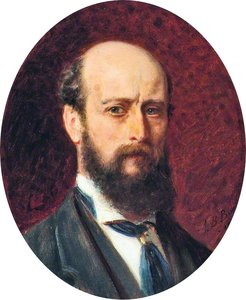
The significance of John Bagnold Burgess extends far beyond the borders of Spain. His ability to marry the technical rigors of British academic training with the exotic, emotive subject matter of Spain made him a favorite among collectors and critics alike. His formal education at Brompton Grammar School and subsequent studies at James Mathews Leigh's Art School in Soho prepared him for the rigors of academic realism.
58of 68
English Born in New Haven Pre-Raphaelites Wikipedia in 1/32 languages

Though his early years were touched by the aesthetic fervor of the Pre-Raphaelite movement, Storey eventually moved toward a more restrained and psychologically nuanced approach, influenced significantly by the works of Charles Robert Leslie. In his oil paintings, such as the poignant A Duet or the dignified My Mother, one can observe a masterful command of light and shadow.
59of 68
Russian Born in Moscow Wikipedia in 1/32 languages

Alexander Fedorovich Pershakov operated within the rigorous demands of Russian portraiture during the late nineteenth and early twentieth centuries. The historical weight of Pershakov’s oeuvre is anchored by his depictions of significant military and administrative figures. Notable examples of his technical execution include: Portrait of Admiral E.
60of 68
Russian Born in Ardatovsky Uyezd Wikipedia in 1/32 languages

Ivan Tyurin was a Russian painter who lived during the nineteenth and early twentieth centuries.
61of 68
Spanish Academic Realism Wikipedia in 1/32 languages

By the end of his life in 1917, Herrer y Rodríguez had established a body of work that remains held in significant collections, including the Museo del Prado in Madrid. He avoided the dramatic flourishes of more emotive movements, choosing instead to master the subtle tensions found in a single shadow or the way light falls upon a religious habit. His ability to render the physical world with such clarity ensured that his depictions of Spanish life remained grounded and authentic.
Signature works · The 100 signature works
63of 68
Spanish Academic Realism Wikipedia in 1/32 languages

Born in Calatayud, Juan García Martínez entered the Spanish art scene during a period of profound transition. His training began at the Escuela de Bellas Artes de San Fernando in Madrid, where he refined his technical foundations under the guidance of Antonio Maffei and Federico de Madrazo.
Signature works · The 100 signature works
64of 68
British Born in Worthing Academic Realism

His early education at Marlborough College allowed him to master the delicate nuances of drawing and watercolor, yet it was his subsequent journey to the Slade School of Fine Art in London that truly forged his professional identity.
65of 68
French Born in Dijon Classical Painting

In the vibrant, shifting landscape of nineteenth-century French art, few painters captured the quiet essence of grace as tenderly as Étienne Adolphe Piot.
66of 68
British Born in Manchester Academic painting, Impressionism

However, he wasn’t simply documenting reality; his paintings are imbued with a romantic sensibility, often portraying nostalgic scenes from earlier centuries. “ A Love Song ”, for example, beautifully exemplifies this approach. He then continued his studies at the prestigious Royal Academy Schools in London, immersing himself in the classical ideals and academic standards that dominated the British art world during the late 19th century.
67of 68
British Portrait painting

“ Portrait of a Woman ” (1890), a stunning example of academic realism, showcases his ability to capture opulent details and elegant composition – a testament to the Victorian era's appreciation for luxurious aesthetics. George Hall Neale’s contribution to British portraiture lies not in revolutionary innovation but rather in his consistent execution of a refined and dignified style.
68of 68
Scottish Born in Edinburgh Romanticism

Robert Hope Moncrieff, born February 26, 1846, in Liverpool, England, was a Scottish artist whose prolific output cemented his place as one of Scotland’s most celebrated landscape painters. Despite this early loss, Robert’s life flourished, marked by marriage to Margaret Sutherland-Todd in 1873 and the birth of several children. He was elected Fellow of the Royal Society of Edinburgh in 1908—a testament to his scholarly pursuits and artistic achievements—and served as President of the RSA from 1926 to 1930.
Signature works
A timeline
Figures
| المملكة المتحدة | 12 |
|---|---|
| United Kingdom | 7 |
| فرنسا | 6 |
| الولايات المتحدة | 5 |
| Netherlands | 4 |
| France | 3 |
| بلجيكا | 2 |
| إيطاليا | 2 |
| 1780s | 2 |
|---|---|
| 1800s | 7 |
| 1810s | 9 |
| 1820s | 15 |
| 1830s | 6 |
| 1840s | 11 |
| 1850s | 13 |
| 1860s | 4 |
| 1880s | 1 |
| متحف الإرميتاج | 8 |
|---|---|
| متحف برادو | 8 |
| Royal Collection | 4 |
| Rijksmuseum | 3 |
| المعرض الوطني للصور | 3 |
| متحف كليفلاند للفنون | 2 |
| متحف المتروبوليتان للفنون | 2 |
| متحف اللوفر | 2 |
Every name
راجا رافي فارماهندي · 1848–1906جان جاك هينرفرنسي · 1829–1905 جان إيبوليت فلاندران1809–1864
 إدوارد ديتيليه1848–1912
 ألفريد ستيفنز1823–1906فرانسيس ديفيس ميليتأمريكي · 1848–1912
 شارل فرانسوا جالبيرFrench · 1819–1901Thérèse SchwartzeDutch · 1851–1918Heinrich von AngeliAustrian · 1840–1925
 فيديريكو دي مادرازو إي كونتز1815–1894فرانسوا فلامنغ1856–1923Auguste ToulmoucheFrench · 1829–1890
 جورج بيتر ألكسندر هيلي1813–1894فيتوريو ريجيانيينيإيطالي · 1858–1938Alexander Bell MiddletonBritish · 1829–1892جون فيليباسكتلندي · 1817–1867
 جيمس سانتبريطاني · 1820–1916Władysław CzachórskiPolish · 1850–1911يان فان بيرزبلجيكي · 1852–1927Théobald ChartranFrench · 1849–1907Emile Eisman SemenovskyFrench · 1859–1911
 لويس بيرودفرنسي · 1852–1930آرثر ستوكديل كوببريطاني · 1857–1940
 سير فرانسيس غرانت1803–1878Nicolaas PienemanDutch · 1809–1860Henryk Rodakowski1823–1894توماس بنجامين كينينجتونبريطاني · 1856–1916جورج دي فورست براشأمريكي · 1855–1941جوزيف سيملرPolish · 1823–1868Sergey ZaryankoRussian · 1818–1870
 هيو غولدون ريفيربريطاني · 1882–1958Gustave Léonard de JongheBelgian · 1829–1893
 دانيال ماكنياسكتلندي · 1806–1882
 أليكسي أليكسيفيتش خارلاموف1840–1925غوتفريد لينداورCzech · 1839–1926لاديسلاوس باكالوفيتشبولندي فرنسي · 1831–1904Emilio SalaSpanish · 1850–1910
 هنري إينمانأمريكي · 1801–1846John PettieBritish, Scottish · 1839–1893John PartridgeBritish · 1789–1872أندرو جيديسScottish · 1783–1844
 ويليام بيجأمريكي · 1811–1885
 هايوود هاردي1842–1933
 ستيفن بيرس1819–1904Joaquín Espalter y RullSpanish · 1809–1880سير جون كامبل لونغستافAustralian · 1861–1941Jacob SpoelDutch · 1820–1868
 Pimen Orlov1812–1865Jan PortieljeDutch/Belgian · 1829–1908Georg KoberweinAustrian · 1820–1876Georg von BothmannRussian · 1810–1891José Martí y MonsóSpanish · 1840–1912George Frederick HarrisAmerican · 1856–1924Francisco Díaz CarreñoSpanish · 1836–1903Gabriel Maureta AracilSpanish · 1832–1912Robert SchwedeBaltic German · 1806–1870John Bagnold BurgessEnglish · 1829–1897George Henry StoryEnglish · 1835–1923Alexander Fedorovich PershakovRussian · 1843–1905Ivan TyurinRussian · 1824–1904Joaquín María Herrer y RodríguezSpanish · 1840–1917
 ويليام إير ووكربريطاني · 1847–1930Juan García MartínezSpanish · 1828–1895Sydney HodgesBritish · 1829–1900Antoine PiotFrench · 1850–1910George Sheridan KnowlesBritish · 1863–1931George Hall NealeBritish · 1863–1940Robert HopeScottish · 1869–1936
Questions
First place goes to راجا رافي فارما (#1); جان جاك هينر (#2) and جان إيبوليت فلاندران (#3) complete the podium.
راجا رافي فارما (#1), جان جاك هينر (#2), جان إيبوليت فلاندران (#3), إدوارد ديتيليه (#4) و ألفريد ستيفنز (#5).
المملكة المتحدة: 12 of the 68 رسامون in this list were born there, then United Kingdom (7) و فرنسا (6).
This list includes 1 women: Thérèse Schwartze (#8).
The earliest-born رسام in this list is أندرو جيديس (#41), born in 1783.
The highest-ranked رسامون born in United Kingdom are John Pettie (#39), John Partridge (#40), George Frederick Harris (#53), John Bagnold Burgess (#57) و Sydney Hodges (#64).
The museums holding the most key works of this list are متحف الإرميتاج (8), متحف برادو (8) و Royal Collection (4).
The highest-ranked رسامون born in المملكة المتحدة are جون فيليب (#16), جيمس سانت (#17), آرثر ستوكديل كوب (#23), سير فرانسيس غرانت (#24) و توماس بنجامين كينينجتون (#27).
ليون: 2 of the رسامون in this list were born there.
Most رسامون in this list were born in the 1820s (15 of 68), between 1783 and 1882 overall.
“Seeking to refine her brushwork, she traveled to Munich, where she studied under masters such as Gabriel Max and Franz von Lenbach.” — from our biography of Thérèse Schwartze (#8).
Our catalogue holds 3,617 works by these رسامون.
Other movements
 فنانون مشهورون من Baroqueالحارس الليلي · رامبرانت
 فنانون مشهورون من Contemporary Realistاللاقطات · جان فرانسوا ميليه
 فنانون مشهورون من Impressionistليلة مرصعة بالنجوم (نيويورك، متحف الفن الحديث) · فنسنت فان خوخ
 فنانون مشهورون من Romanticistزحل وهو يلتهم ابنه · فرانثيسكو غويا
 فنانون مشهورون من Neoclassicistموت مارات · جاك لوي دافيد
 فنانون مشهورون من Realistأصل العالم · غوستاف كوربيه
 فنانون مشهورون من Dutch Golden Ageالفتاة ذات القرط من اللؤلؤ · يوهانس فيرمير
 فنانون مشهورون من Renaissanceالموناليزا (لا جوكوندا) · ليوناردو دا فينشي
 فنانون مشهورون من Expressionistتكوين السابع · فاسيلي كاندينسكي
 فنانون مشهورون من Rococoجين-أنتوان واتو
1717
الإنزال إلى سيثيرا: تحفة من أناقة الروكوكو
"الإنزال إلى سيثيرا" لجين-أنتوان واتو مثال نموذجي على أسلوب الروكوكو، حيث يلتقط روح المرح والرومانسية في القرن الثامن عشر الفرنسي. تدعو هذه اللوحة الساحرة، التي تم إنشاؤها عام 1717، المشاه · أنطوان واتو
Other periods
 فنانون مشهورون من Early MedievalSnowy River · وانج وي
 فنانون مشهورون من High Medievalالعذراء في العظمة (عذراء أوني سانتيني) · جوتو دي بوندوني
 فنانون مشهورون من Late Medievalالبشارة والقديسان · سيمون مارتيني
 فنانون مشهورون من Renaissanceخلق آدم · ميكيلانجيلو
 فنانون مشهورون من Early Modernنداء القديس متى · كارافاجيو
 فنانون مشهورون من 19th Centuryالزنابق المائية (أو النيمفيا) · كلود مونيه
 فنانون مشهورون من Modernغرنيكا · بابلو بيكاسو
 فنانون مشهورون من ContemporaryWind Sculpture III (one in a series of nine) · Yinka Shonibare
Discover more