Contemporary Realism · 1898
Taking the Count (توماس إيكنز, 1898)
أبدع توماس إيكنز (1844–1916) في Taking the Count. يعود تاريخها إلى 1898. تنتمي إلى حركة Contemporary Realism. صُنعت من Oil On Canvas. تُحفظ في Yale University Art Gallery في هارتفورد, الولايات المتحدة الأمريكية.
- 1898
- Oil On Canvas
- Yale University Art Gallery, هارتفورد

 معاينة الحجم الواقعي

 لوحة زيتية مرسومة يدوياً
 مشاركة
 مشاركة
 ورقة الحقائق


 تحميل الملف
 قطع مشابهة
 الأشعة السينية
 عرض شرائح
 الأسئلة والأجوبة

 الإحصائيات
Taking the Count باختصار
- العنوان
- Taking the Count
- الفنان
- توماس إيكنز (1844–1916)
- تاريخ ميلاد الفنان
- فيلادلفيا, الولايات المتحدة
- التاريخ
- 1898
- الوسيط الفني
- Oil On Canvas
- أين يمكن مشاهدتها
- Yale University Art Gallery, هارتفورد, الولايات المتحدة الأمريكية
- الحركة
- Contemporary Realism
- الحقبة
- 19th Century
- الموضوع
- boxing match, anatomy, crowd spectators, referee, philadelphia, realism
ماذا يصور Taking the Count؟
The Raw Pulse of Philadelphia: A Masterclass in Realism
In the dim, electric atmosphere of Philadelphia’s Arena in 1898, a moment of profound human vulnerability is frozen in time. Thomas Eakins, a titan of American Realism, does not merely paint a boxing match; he dissects the very essence of endurance and physical struggle. In Taking the Count, we are thrust into the center of the ring, where the sweat, the tension, and the heavy breathing of the combatants feel almost palpable. This is not the romanticized, heroic athleticism often found in sporting art; instead, Eakins presents a gritty, unvarnished truth. The scene captures a fallen fighter at his most precarious moment, caught in the agonizing interval between a devastating blow and the referee's decisive count. It is a study of the human body under duress, rendered with a scientific precision that reflects Eakins’ lifelong obsession with anatomy.
The composition draws the eye through a complex web of gazes and physical postures. At the heart of the drama, the kneeling figure embodies a desperate struggle for recovery, his muscles taut and his spirit tested. Surrounding him, the referee and the standing opponent create a triangular tension that anchors the viewer within the ring. Beyond the immediate combatants, the presence of the crowd—a shadowy, watchful collective—adds a layer of psychological depth, reminding us that this private agony is being consumed as public spectacle. For the collector or the lover of fine art, this painting offers more than just a depiction of sport; it provides a window into the late 19th-century urban experience, where the boundaries between physical prowess and human frailty are perpetually blurred.
Anatomy of a Masterpiece: Technique and Light
Eakins’s technical mastery is most evident in his ability to marry scientific rigor with emotional resonance. Having spent years studying the intricacies of musculature and bone structure through dissection, he approaches the canvas with the eye of an anatomist. Every sinew and strained limb in Taking the Count is rendered with an uncompromising accuracy that makes the figures appear to possess weight and volume. His use of light does not serve to beautify the scene but to illuminate its harsh realities. The lighting within the arena creates deep, dramatic shadows that sculpt the bodies of the boxers, emphasizing the physical toll of the fight and adding a sense of cinematic gravity to the composition.
The palette, while grounded in the earthy, somber tones characteristic of Eakins’s realism, is used to direct the viewer's emotional journey. The muted colors of the background allow the pale, strained skin of the athletes to emerge from the gloom, focusing our attention on the visceral reality of the struggle. For interior designers seeking a centerpiece for a sophisticated space, this work offers a profound sense of gravitas. A high-quality reproduction of this masterpiece brings with it an air of intellectual depth and historical weight, making it an ideal choice for galleries, studies, or living spaces that value art which challenges the eye and stirs the soul.
A Legacy of Unflinching Honesty
To understand Taking the Count is to understand the rebellious spirit of Thomas Eakins himself. At a time when many of his contemporaries were retreating into the soft, fleeting impressions of light or the idealized myths of history, Eakins stood firm in his commitment to the real. He found beauty not in perfection, but in the truth of the human condition—in the grit of the city, the precision of science, and the raw intensity of life lived on the edge. This painting remains a testament to that courage.
Owning or displaying a reproduction of this work is an invitation to contemplate the themes of resilience and the cyclical nature of struggle. It serves as a powerful reminder that even in moments of defeat, there is a profound dignity in the attempt to rise again. Whether viewed as a historical document of Philadelphia’s sporting culture or as a timeless exploration of human anatomy, Taking the Count continues to captivate, offering an enduring source of inspiration for those who find beauty in the authentic and the unadorned.
أي متحف يضم Taking the Count؟
Yale University Art Gallery
هارتفورد, الولايات المتحدة الأمريكية
أصول وتاريخ المعرض بدأت مسيرة Yale University Art Gallery في عام 1832، حيث استندت جذورها العريقة إلى هبة قيمة من مجموعة John Trumbull الفنية. وفي تلك السنوات الأولى، انصبّ التركيز الفني على اللوحات التي توثق أحداث الثورة الأمريكية، حيث شكلت هذه الموضوعات التاريخية المحددة النواة الأولى لما تضمه مقتنيات هذه المؤسسة العريقة. وتفخر هذه المؤسسة بكونها أقدم متحف فني جامعي في أمريكا، بل وتنفرد بكونها أقدم متحف فني جامعي في نصف الكرة الغربي بأكمله.


صور عالية الدقة لـ Taking the Count
توماس إيكنز, Taking the Count (1898), Yale University Art Gallery. ملك عام
أسئلة وإجابات حول Taking the Count
أين يمكنني مشاهدة العمل الأصلي "Taking the Count" للفنان توماس إيكنز؟
تُعرض لوحة "Taking the Count" للفنان توماس إيكنز في Yale University Art Gallery, هارتفورد, الولايات المتحدة الأمريكية. ويشير وصف المتحف إلى العمل الأصلي، وليس إلى النسخ المطبوعة.
في أي عام أُبدع العمل "Taking the Count" للفنان توماس إيكنز؟
يعود تاريخ "Taking the Count" إلى عام 1898، وهو ما يضع العمل ضمن المسيرة المهنية لـ توماس إيكنز وفي سياق حقبته الزمنية.
ما هي التقنية المستخدمة في تنفيذ "Taking the Count" للفنان توماس إيكنز؟
استخدم توماس إيكنز تقنية Oil On Canvas في عمل "Taking the Count"، وهي التقنية التي تحدد الطبيعة المادية للعمل الأصلي.
ماذا يصور "Taking the Count"؟
تُصور "Taking the Count" للفنان توماس إيكنز: boxing match, anatomy, crowd spectators, referee, philadelphia, realism, athlete.
هل العمل "Taking the Count" ضمن الملكية العامة؟
حالة حقوق الطبع والنشر لـ "Taking the Count" للفنان توماس إيكنز: العمل يقع ضمن ملك عام - انتهت مدة حماية حقوق الطبع والنشر الخاصة به، وهو ما يحدد مدى إمكانية إعادة إنتاج الصورة بحرية.
من أبدع "Taking the Count"؟
تم إبداع "Taking the Count" بواسطة توماس إيكنز. وتصف المعلومات الواردة في هذه الصفحة العمل الأصلي لـ توماس إيكنز.
إلى أي تيار فني تنتمي "Taking the Count" للفنان توماس إيكنز؟
تنتمي "Taking the Count" للفنان توماس إيكنز إلى حركة Contemporary Realism، التي تمنح العمل سياقه الأسلوبي.
إلى أي مرحلة من مسيرة توماس إيكنز الفنية تنتمي لوحة "Taking the Count"؟
تندرج لوحة "Taking the Count" ضمن مرحلة Mature Period من مسيرة توماس إيكنز المهنية، وهي مرحلة تتيح مقارنة هذا العمل بأعمال الفنان الأخرى.
كم كان عمر توماس إيكنز عند إبداع "Taking the Count"؟
كان عمر توماس إيكنز يبلغ 54 عاماً عند إبداع العمل "Taking the Count" في عام 1898. تم حساب العمر بناءً على سنة ميلاد الفنان، 1844.
عن الفنان، توماس إيكنز

1844–1916, الولايات المتحدة
توماس إيكنز
حياة توماس إيكينز وُلد توماس إيكينز في مدينة فيلادلفيا بولاية بنسلفانيا في الخامس والعشرين من يوليو عام 1844، ليعيش حياةً متجذرة بعمق في مدينة ميلاده. كان رجلاً متعدد المواهب والاهتمامات، حيث عمل رساماً، ومصوراً فوتوغرافياً، ونحاتاً، ومعلماً للفنون الجميلة. ورغم أن شغفه بالمعرفة كان يقوده غالباً إلى السفر والدراسة في الخارج، إلا أن جغرافيا وجوده ظلت متمحورة إلى حد كبير حول فيلادلفيا؛ حيث تنقل عبر الدوائر الفكرية والاجتماعية للمدينة، مراقباً الناس والحقائق المادية التي رسمت ملامح المشهد المحلي. اتسمت مسيرته المهنية بالتزام راسخ بكل ما هو ملموس وحقيقي؛ فبينما كان يجسد الملامح بالزيت أو يوثق لحظة عابرة عبر عدسة الكاميرا، ظل تركيزه منصباً على الحقيقة البنيوية لموضوعاته.
وأيضاً لـ توماس إيكنز
 العيادة الكبيرة1875
 السباحة1885
 ماكس شميت في قارب تجديف فردي1871
 Portrait of Samuel Murray1889
مقالات حول Taking the Count
 Precision in Portraiture: The Technical Rigor of Anatomical Mastery and Hyper-RealismMaster the technical rigor of hyper-realism and anatomical precision. Explore the evolution of portraiture mastery now.
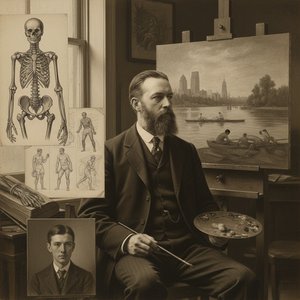 Thomas Eakins: Realism, Anatomy & the American Spirit – A Comprehensive Exploration of Life and LegacyExplore the life & legacy of Thomas Eakins, a pivotal American Realist painter. Discover his groundbreaking techniques, anatomical precisio…
 Romantic Realism's Finest: 10 Masterpieces for Your Home | OriginalUniqueArtExplore 10 defining masterpieces of Romantic Realism! Discover Courbet, Millet & Daumier's powerful paintings—capturing emotion and social …