Expressionism · 1915
Rocks, Gloucester (ستيوارت ديفيس, 1915)
أبدع ستيوارت ديفيس (1892–1964) في Rocks, Gloucester. يعود تاريخها إلى 1915. تنتمي إلى حركة Expressionism. صُنعت من Oil On Canvas. تُحفظ في New Orleans Museum of Art في نيو أورلينز, الولايات المتحدة الأمريكية. أبعادها 76 × 91 cm
- 1915
- Oil On Canvas
- 76 × 91 cm
- New Orleans Museum of Art, نيو أورلينز

 معاينة الحجم الواقعي

 لوحة زيتية مرسومة يدوياً
 مشاركة
 مشاركة
 بطاقة المعلومات


 تحميل الملف
 قطع مشابهة
 الأشعة السينية
 عرض شرائح
 الأسئلة والأجوبة

 الإحصائيات
Rocks, Gloucester باختصار
- العنوان
- Rocks, Gloucester
- الفنان
- ستيوارت ديفيس (1892–1964)
- تاريخ ميلاد الفنان
- فيلادلفيا, الولايات المتحدة
- التاريخ
- 1915
- الوسيط الفني
- Oil On Canvas
- الأبعاد
- 76 × 91 cm
- أماكن العرض
- New Orleans Museum of Art, نيو أورلينز, الولايات المتحدة الأمريكية
- الحركة
- Expressionism
- الحقبة الزمنية
- Early Modern
- الموضوع
- american landscape, mountain peaks”, “bold colors”, “dynamic composition”, “abstract forms”, “urban energy”
ماذا يصور Rocks, Gloucester؟
Rocks, Gloucester: A Transitional Masterpiece by Stuart Davis
Stuart Davis’s “Rocks, Gloucester,” painted in 1915, stands as a crucial bridge between the artist's early realist explorations and his eventual embrace of abstract expressionism. This vibrant landscape, measuring 76 x 91 cm, offers a compelling glimpse into the burgeoning artistic currents of early 20th-century America, particularly the shift away from traditional representation championed by figures like Robert Henri. The painting’s immediate impact lies in its bold use of color – a fiery palette dominated by reds, oranges, and yellows – which immediately evokes a sense of energy and dynamism. Davis wasn't simply depicting rocks; he was attempting to capture the frenetic pace of modern life, as he himself described, translating the “dynamics of city lights and sounds” onto canvas.
A Style in Formation: Expressionism and the American Landscape
“Rocks, Gloucester” exemplifies a transitional style, leaning heavily towards Expressionism while retaining elements of Davis’s earlier training. The visible brushwork, textured surface, and distorted forms – particularly evident in the jagged peaks of the mountains – betray an emotional intensity that anticipates his later abstract works. The artist's deliberate use of color isn't purely representational; it’s a vehicle for conveying feeling, mirroring the anxieties and excitement of a nation undergoing rapid transformation. The flattened perspective further emphasizes this emotional impact, prioritizing the viewer’s experience over strict adherence to realistic spatial relationships. This approach aligns with the broader artistic experimentation taking place at the time, fueled by influences from European modernism and the desire to forge a distinctly American aesthetic.
Technique and Materials: Oil on Canvas – A Gesture of Form
- Oil on Canvas: The painting is executed in oil on canvas, a technique that allows for rich color saturation and substantial textural variation.
- Visible Brushwork: Davis’s loose, gestural brushstrokes are immediately apparent, contributing to the painting's energetic feel and conveying a sense of immediacy.
- Layered Color: The use of layered colors creates depth and volume within the mountain forms, though the overall effect remains somewhat flattened, prioritizing emotional resonance over photographic realism.
- Undulating Foreground: The large, yellow-ochre mass in the foreground anchors the composition and adds to the sense of solidity and weight.
Symbolic Resonance: Mountains as Metaphor
Beyond its aesthetic qualities, “Rocks, Gloucester” carries symbolic weight. Mountains have long represented strength, resilience, and even the sublime – concepts deeply rooted in human experience. In Davis’s hands, they become a visual embodiment of these ideas, reflecting the challenges and aspirations of a nation grappling with modernity. The dark purple and grey sky provides a dramatic counterpoint to the warm tones below, further amplifying the sense of grandeur and perhaps hinting at an underlying tension between nature's power and humanity's place within it. The artist’s signature in the upper right corner confirms this work as a pivotal moment in Davis’s artistic evolution.
أي متحف يضم Rocks, Gloucester؟
New Orleans Museum of Art
نيو أورلينز, الولايات المتحدة الأمريكية
نافذة على نيو أورلينز: روح الفن في متحف نيو أورلينز للفنون في قلب الضيافة النابضة لـ "سيتي بارك"، تلك الواحة الحضرية المترامية الأطراف التي تفوق في مساحتها حديقة سنترال بارك الشهيرة، يقف متحف نيو أورلينز للفنون (NOMA) كأكثر من مجرد مستودع للروائع؛ إنه انعكاس عميق للهوية الفريدة لولاية لويزيانا وشهادة حية على روحها الفنية الخالدة. تأسس المتحف في عام 1911 على يد الرؤيyle إيزاك ديلجادو، وانطلق بهدف بسيط وطموح في آن واحد: أن يوفر لمدينة نيو أورلينز ملاذاً آمناً حيث يمكن تقدير الفن وعرضه والاحتفاء به من قبل الجميع. واليوم، يتردد صدى هذا المبدأ التأسيسي عبر قاعات المتحف، ليقدم للزوار رحلة غامرة تمتد لأكثر من خمسة آلاف عام من المساعي الفنية – من القطع الأثرية المصرية القديمة إلى الأعمال المعاصرة التي تنبض بالطاقة الحديثة للمدينة.


صور عالية الدقة لـ Rocks, Gloucester

محمية بموجب حقوق الطبع والنشر: هذه الملفات مخصصة للاستخدام الشخصي فقط، ولا تُعد ترخيصاً لإعادة النشر.
ستيوارت ديفيس, Rocks, Gloucester (1915).
ستيوارت ديفيس (1892–1964), Rocks, Gloucester, 1915, oil on canvas, New Orleans Museum of Art, نيو أورلينز, الولايات المتحدة الأمريكية. الصورة: OriginalUniqueArt.com.
أسئلة وإجابات حول Rocks, Gloucester
أين تُعرض "Rocks, Gloucester" للفنان ستيوارت ديفيس اليوم؟
يمكنكم مشاهدة العمل الأصلي "Rocks, Gloucester" في New Orleans Museum of Art, نيو أورلينز, الولايات المتحدة الأمريكية.
في أي عام أُبدع العمل "Rocks, Gloucester" للفنان ستيوارت ديفيس؟
يعود تاريخ "Rocks, Gloucester" إلى عام 1915، وهو ما يضع العمل ضمن المسيرة المهنية لـ ستيوارت ديفيس وفي سياق حقبته الزمنية.
ما هي التقنية المستخدمة في "Rocks, Gloucester" للفنان ستيوارت ديفيس؟
تعتمد التقنية المستخدمة في "Rocks, Gloucester" للفنان ستيوارت ديفيس على Oil On Canvas، وتهدف النسخ المطبوعة إلى محاكاة مظهر هذه التقنية.
ما هي أبعاد العمل الأصلي "Rocks, Gloucester"؟
تبلغ أبعاد العمل الأصلي "Rocks, Gloucester" للفنان ستيوارت ديفيس 76 x 91 cm.
ما هي الموضوعات التي يتناولها "Rocks, Gloucester" للفنان ستيوارت ديفيس؟
تتضمن الموضوعات المتضمنة في "Rocks, Gloucester" للفنان ستيوارت ديفيس كلاً من american landscape, mountain peaks”, “bold colors”, “dynamic composition”, “abstract forms”, “urban energy”, “1915 art”، والتي تلخص مجتمعةً فحوى العمل الفني.
هل "Rocks, Gloucester" للفنان ستيوارت ديفيس ضمن الملكية العامة؟
تندرج لوحة "Rocks, Gloucester" للفنان ستيوارت ديفيس ضمن نطاق لا تزال محمية بموجب حقوق الطبع والنشر، وتحدد هذه الحالة الشروط التي يمكن بموجبها إعادة إنتاج صورة العمل الفني.
من أبدع "Rocks, Gloucester"؟
الفنان الذي أبدع عمل "Rocks, Gloucester" هو ستيوارت ديفيس، والعمل مُدرج تحت اسم ستيوارت ديفيس.
إلى أي أسلوب ينتمي "Rocks, Gloucester"؟
تنتمي "Rocks, Gloucester" للفنان ستيوارت ديفيس إلى حركة Expressionism، التي تمنح العمل سياقه الأسلوبي.
إلى أي مرحلة من مراحل تطور ستيوارت ديفيس ينتمي العمل "Rocks, Gloucester"؟
ينتمي العمل "Rocks, Gloucester" إلى الفترة Transitional Style من مسيرة ستيوارت ديفيس المهنية، مما يربط هذا العمل بمراحل تطور الفنان الفني.
عن الفنان، ستيوارت ديفيس
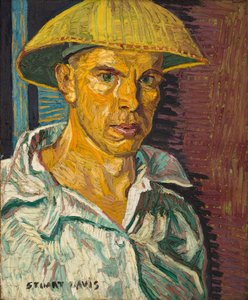
1892–1964, الولايات المتحدة
ستيوارت ديفيس
ستيوارت ديفيس: رائد الحداثة الأمريكية ولد ستيوارت ديفيس في السابع من ديسمبر عام 1892 في مدينة فيلادلفيا، ونشأ في بيئة فنية غنية. كان والده، إدوارد وايت ديفيس، محررًا فنيًا لصحيفة Philadelphia Press، بينما كانت والدته، هيلين ستيوارت ديفيس، نحاتة. هذا الخلفية العائلية بلا شك عززت اهتمامه المبكر بالفنون البصرية. تلقى ديفيس تدريبه الرسمي في مدرسة روبرت هنري للفنون في مدينة نيويورك من عام 1909 إلى عام 1912 تحت إشراف روبرت هنري.
أعمال أخرى لـ ستيوارت ديفيس
 أودول
 Lucky Strike1924
 T View1951
 Sixth Avenue El1931
مقالات حول Rocks, Gloucester
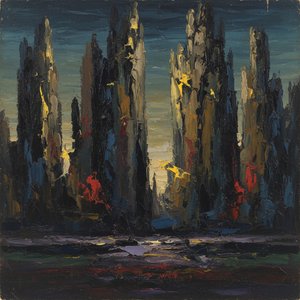 Clyfford Still's Abstract Expressionism: A Study of Color, Form & the Existential LandscapeExplore the profound world of Clyfford Still's Abstract Expressionism with OriginalUniqueArt. Discover his unique style, existential themes…
 American abstract expressionist paintersJackson Pollock used his drip technique in 1949 to create Number 1, while Jasper Johns used impasto in 1959 for his work False Start.
 Mastering the Face of a Nation: The Top 25 Gilbert Stuart Artworks1796 marked the creation of the Athenaeum Portrait. How did Stuart use light and shadow to define the very soul of a nascent nation?