American modernism · 1924
Lucky Strike (ستيوارت ديفيس, 1924)
أبدع ستيوارت ديفيس (1892–1964) في Lucky Strike. يعود تاريخها إلى 1924. تنتمي إلى حركة American modernism. صُنعت من Oil On Canvas. أبعادها 46 × 61 cm
- 1924
- Oil On Canvas
- 46 × 61 cm

 معاينة الحجم الواقعي

 لوحة زيتية مرسومة يدوياً
 مشاركة
 مشاركة
 بطاقة المعلومات


 تحميل الملف
 قطع مشابهة
 الأشعة السينية
 عرض شرائح
 الأسئلة والأجوبة

 الإحصائيات
Lucky Strike باختصار
- العنوان
- Lucky Strike
- الفنان
- ستيوارت ديفيس (1892–1964)
- تاريخ ميلاد الفنان
- فيلادلفيا, الولايات المتحدة
- التاريخ
- 1924
- الوسيط الفني
- Oil On Canvas
- الأبعاد
- 46 × 61 cm
- الحركة
- American modernism
- الحقبة الزمنية
- Modern
- الموضوع
- tobacco box, newspaper, rectangular forms, blue, green, yellow
ماذا يصور Lucky Strike؟
Identification of Lucky Strike by Stuart Davis
We are looking at Lucky Strike, a work from 1924 by the American painter Stuart Davis. This piece emerged during a period when Davis was establishing his presence within the modernist movement, moving away from the urban realism of his early training toward a more structured, fragmented language. It is a quiet encounter with the visual language of the 1920s.
Born in 1892 in Philadelphia, United States, Davis brought a specific sensibility to his compositions, often drawing from the textures of everyday life. In this particular work, he focuses on the geometry of consumer objects, specifically a box of Lucky Strike roll-up tobacco. The subject matter reflects the shifting landscape of an increasingly industrial and commercial society.
The painting captures a moment of stillness through a series of overlapping planes and shapes. It is a direct engagement with the material culture of his era, presented through a lens that prioritizes the arrangement of forms over a traditional, realistic depiction of the objects themselves.
Composition and Visual Elements
The arrangement of "Lucky Strike" is notably asymmetrical, creating a sense of movement that feels both deliberate and spontaneous. Rectangular forms dominate the visual field, echoing the industrial geometry of the objects depicted. These shapes are layered and overlap one another, establishing a subtle sense of depth despite the work's overall flatness. At the heart of this arrangement, the 'Lucky Strike' box is positioned centrally, acting as a visual anchor that commands immediate attention within the fragmented space.
A muted color palette of blues, greens, yellows, and browns defines the surface. Rather than blending these tones, the artist applies them in distinct blocks or planes, which reinforces the structural, geometric nature of the composition. Strong, defined lines delineate each shape, providing sharp edges that emphasize the interplay between the various forms. On the section representing the newspaper, extensive hatching creates a tactile, textured effect that contrasts with the smoother application of color elsewhere.
The perspective here is shallow and somewhat distorted, eschewing traditional spatial representation in favor of immediate visual impact. Depth is achieved not through receding lines, but through the strategic layering of objects and variations in color intensity. This approach creates a flattened, modern sensibility that prioritizes the arrangement of planes over a realistic depiction of three-dimensional space.
Technique and Materials Used
In this work, Davis utilizes oil paints applied to what is likely a primed canvas. The surface is characterized by a deliberate flattening of space, eschewing traditional depth in favor of a more immediate, modern arrangement. He achieves this through the use of bold color blocks and sharp, defined outlines that delineate the various geometric forms. This approach emphasizes the structural qualities of the objects rather than their three-dimensional volume.
Texture is introduced through specific application methods rather than through heavy impasto. You will notice the use of hatching, particularly within the newspaper section, which creates a tactile, rhythmic quality. This technique provides a subtle contrast to the smoother, more uniform planes of color found elsewhere in the composition. The interplay between these hatched areas and the solid blocks of pigment gives the surface a nuanced, layered presence.
Artistic Style and Influences
The aesthetic language of this work is deeply rooted in the principles of Cubism and Synthetic Cubism. You can see this in the way the composition is fragmented into overlapping planes and geometric shapes. Rather than seeking a realistic representation of space, the artist utilizes a shallow, somewhat distorted perspective. This approach allows for a layering of forms that prioritizes visual impact over traditional depth. The sharp, defined lines and the use of hatching on the newspaper section suggest a deliberate move toward abstraction while maintaining a connection to the physical world.
There is a strong sense of American Modernism at work here, particularly in how the piece engages with the realities of the 1920s. The subject matter focuses on the textures of consumer culture and the rhythms of everyday life. By incorporating elements like the tobacco box and newspaper headlines, the work reflects the industrial age and the rise of mass production. It captures a specific moment of urban modernity, where commercialism and daily existence begin to merge into a new, fragmented visual reality.
Related Works by Stuart Davis
To understand the trajectory of Davis's development, one might look toward his earlier explorations. His 1915 painting, Rocks, Gloucester, offers a glimpse into a different period of his evolution. This work belongs to a phase where his focus remained closer to the urban realism and everyday subjects that characterized his early aesthetic sensibilities. It provides a quiet point of comparison to the more fragmented, commercial-focused compositions that would define his later years.
As his style matured, he moved toward the abstraction of still lifes and landscapes. His 1928 work, Odol (Modernism), exemplifies this shift by blending recognizable imagery from popular culture with more abstract forms. This period saw him increasingly engaging with the visual language of the modern age. Later, in 1956, he produced Tropes de Teens, a piece that reflects his continued engagement with contemporary themes through a highly developed lens.
His later output also includes The Mellow Pad, a significant work that draws inspiration from the rhythmic energy of jazz. These various pieces, from his early studies to his later, more complex abstractions, illustrate a career spent navigating the intersection of high art and the everyday objects of American life.
صور عالية الدقة لـ Lucky Strike

محمية بموجب حقوق الطبع والنشر: هذه الملفات مخصصة للاستخدام الشخصي فقط، ولا تُعد ترخيصاً لإعادة النشر.
ستيوارت ديفيس, Lucky Strike (1924).
ستيوارت ديفيس (1892–1964), Lucky Strike, 1924, oil on canvas. الصورة: OriginalUniqueArt.com.
أسئلة وإجابات حول Lucky Strike
في أي عام أُبدع العمل "Lucky Strike" للفنان ستيوارت ديفيس؟
يعود تاريخ "Lucky Strike" إلى عام 1924، وهو ما يضع العمل ضمن المسيرة المهنية لـ ستيوارت ديفيس وفي سياق حقبته الزمنية.
ما هي التقنية المستخدمة في صنع "Lucky Strike"؟
تعتمد التقنية المستخدمة في "Lucky Strike" للفنان ستيوارت ديفيس على Oil On Canvas، وتهدف النسخ المطبوعة إلى محاكاة مظهر هذه التقنية.
ما هي أبعاد العمل الأصلي "Lucky Strike" للفنان ستيوارت ديفيس؟
تبلغ أبعاد العمل الأصلي "Lucky Strike" للفنان ستيوارت ديفيس 46 x 61 cm.
ماذا يصور "Lucky Strike"؟
تتضمن الموضوعات المتضمنة في "Lucky Strike" للفنان ستيوارت ديفيس كلاً من tobacco box, newspaper, rectangular forms, blue, green, yellow, brown, hatching، والتي تلخص مجتمعةً فحوى العمل الفني.
هل "Lucky Strike" للفنان ستيوارت ديفيس ضمن الملكية العامة؟
أما بخصوص حقوق الطبع والنشر، فإن "Lucky Strike" تندرج ضمن لا تزال محمية بموجب حقوق الطبع والنشر.
من هو الفنان الذي أبدع "Lucky Strike"؟
الفنان الذي أبدع عمل "Lucky Strike" هو ستيوارت ديفيس، والعمل مُدرج تحت اسم ستيوارت ديفيس.
إلى أي حركة فنية ينتمي العمل "Lucky Strike" للفنان ستيوارت ديفيس؟
ينتمي العمل "Lucky Strike" إلى مدرسة American modernism، وهي المدرسة التي تمثل التقليد الفني الذي يندرج ضمنه هذا العمل.
إلى أي مرحلة من مراحل تطور ستيوارت ديفيس ينتمي العمل "Lucky Strike"؟
تُمثل "Lucky Strike" الحقبة الإبداعية لـ ستيوارت ديفيس خلال فترة Mature Period.
كم كان عمر ستيوارت ديفيس عند إبداع العمل "Lucky Strike"؟
عندما أُبدع العمل "Lucky Strike" في عام 1924، كان عمر الفنان ستيوارت ديفيس - المولود في 1892 - هو 32 عاماً.
عن الفنان، ستيوارت ديفيس
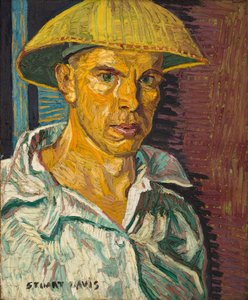
1892–1964, الولايات المتحدة
ستيوارت ديفيس
ستيوارت ديفيس: رائد الحداثة الأمريكية ولد ستيوارت ديفيس في السابع من ديسمبر عام 1892 في مدينة فيلادلفيا، ونشأ في بيئة فنية غنية. كان والده، إدوارد وايت ديفيس، محررًا فنيًا لصحيفة Philadelphia Press، بينما كانت والدته، هيلين ستيوارت ديفيس، نحاتة. هذا الخلفية العائلية بلا شك عززت اهتمامه المبكر بالفنون البصرية. تلقى ديفيس تدريبه الرسمي في مدرسة روبرت هنري للفنون في مدينة نيويورك من عام 1909 إلى عام 1912 تحت إشراف روبرت هنري.
أعمال أخرى لـ ستيوارت ديفيس
 أودول
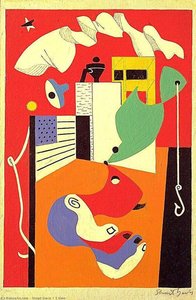 T View1951
 Sixth Avenue El1931
 Arboretum by Flashbulb
مقالات حول Lucky Strike
 Anchoring Space: The Psychological and Aesthetic Impact of a Central Abstract Painting on Interior CompositionDiscover how a central abstract painting transforms your interior. Expert insights on color psychology, composition & bespoke art commissio…
 Spontaneity and Matter: Distinguishing CoBrA from Art InformelJean Dubuffet mixed sand, tar, and gravel into his 1947 works to create sculptural surfaces. Why did post-war artists reject traditional or…
 Stuart Davis: Modernist Abstraction & the Vibrant Spirit of the Jazz AgeExplore the vibrant world of Stuart Davis, a pioneer of American Modernism. Discover his jazz-inspired paintings, signature style & investm…