Expressionism · 1901
Cowshed (باولا مودرزون-بيكر, 1901)
أبدع باولا مودرزون-بيكر (1876–1907) في Cowshed. يعود تاريخها إلى 1901. تنتمي إلى حركة Expressionism. صُنعت من Oil On Canvas. أبعادها 30 × 40 cm
- 1901
- Oil On Canvas
- 30 × 40 cm

 معاينة الحجم الواقعي

 لوحة زيتية مرسومة يدوياً
 مشاركة
 مشاركة
 ورقة الحقائق


 تحميل الملف
 قطع مشابهة
 الأشعة السينية
 عرض شرائح
 الأسئلة والأجوبة

 الإحصائيات
Cowshed باختصار
- العنوان
- Cowshed
- الفنان
- باولا مودرزون-بيكر (1876–1907)
- تاريخ ميلاد الفنان
- درسدن, ألمانيا
- التاريخ
- 1901
- الوسيط الفني
- Oil On Canvas
- الأبعاد
- 30 × 40 cm
- الحركة
- Expressionism
- الحقبة
- Modern
- الموضوع
- cows, cowshed, animals, wooden beams, earthy tones, interior
ماذا يصور Cowshed؟
The Depiction of Cowshed by Paula Modersohn-Becker
In "Cowshed" by Paula Modersohn-Becker, the viewer steps into a quiet, enclosed interior. The scene captures a moment of stillness within a rustic cowshed, where the air feels heavy and still. Two cows occupy the center of this sheltered space, their large, organic forms resting amidst the structural elements of the farm. There is a sense of profound solitude in this rural setting, as if the world outside has ceased to exist, leaving only the quiet presence of the animals within their wooden sanctuary.
Created about 1901, the work focuses on the essential nature of these creatures and their environment. The subject matter remains straightforward, centering entirely on the cows and the immediate architecture of the shed. Rather than seeking a grand spectacle, Paula Modersohn-Becker directs our attention to the simple reality of everyday life. The cows exist in a state of calm, their presence defined by the shadows and the sturdy beams that frame their resting place. This focus on the mundane reveals a quiet, somber atmosphere that lingers in the air of the composition.
Composition and Visual Elements of the Work
The scene unfolds within a tight, enclosed frame that pulls the viewer directly into the heart of the rustic setting. Two cows occupy the foreground, their heavy forms anchoring the space. They do not sit in an open field but are nestled within the confines of the shed, their presence felt immediately. Vertical lines dominate the visual field, driven by the sturdy wooden beams of the structure. These upright elements slice through the composition, creating a rhythmic, structural grid that defines the interior. The cows are partially obscured by these beams, a detail that adds a sense of depth and layers the space between the viewer and the animals.
A certain flatness characterizes the perspective, as the work lacks a clear vanishing point to lead the eye into a distant horizon. Instead, the focus remains fixed on the immediate, physical presence of the subjects. This lack of deep recession keeps the eye circulating within the immediate environment of the cowshed. The arrangement emphasizes the weight and volume of the animals against the rigid, architectural lines of the wood. The composition relies on the interplay between these organic, rounded shapes and the straight, unyielding geometry of the shed, capturing a quiet moment of stillness within the enclosure.
Technique and Material Application
The oil paints cling to the canvas with a palpable, tactile presence. Each stroke feels gestural and loose, as if the artist’s hand moved with a sudden, urgent rhythm to capture the essence of the scene. This application avoids the polished finish of academic tradition, opting instead for a visible, textured surface where the movement of the brush remains part of the story. One can sense the layering of pigments, building up the forms of the cows and the wooden beams through a series of expressive, unhurried marks.
There is a fascinating tension in how the paint is handled. The work carries the weight of early Expressionism, prioritizing the emotional truth of the cowshed over a photographic likeness. Yet, a lingering influence of Impressionism breathes through the way color and light are treated. The paint does not merely sit on the surface; it seems to pulse with a quiet, internal energy. The materiality of the oil medium allows for a soft blending in some areas, while in others, the thick, impasto-like quality of the brushwork defines the ruggedness of the rustic setting.
Color and Lighting in the Cowshed
The atmosphere within the shed feels heavy and quiet, held in place by a palette of deep, earthy tones. Browns and greys dominate the space, grounding the scene in a rustic reality. Flecks of green and white emerge from the shadows, suggesting the organic presence of the animals and the weathered textures of their surroundings. These colors do not shout; they whisper of the soil and the dim interior of a working farm.
Light enters the space in a soft, diffused manner, as if filtered through heavy timber or a cloudy sky. There are no sharp glares or sudden bursts of brightness to break the stillness. Instead, a gentle, dim glow settles over the cows, creating a sense of enclosure. The lack of dramatic contrast keeps the eye moving softly across the scene, where shadows are subtle rather than deep or piercing. This muted light lends a somber quality to the work, capturing a moment of profound solitude within the wooden walls.
Shapes and Textures within the Scene
Organic forms dominate the immediate presence of the cows, their rounded bodies creating soft, curving silhouettes that break the stillness of the interior. These natural, flowing shapes find themselves in constant tension with the rigid, rectangular geometry of the shed's construction. The wooden beams slice through the space in straight, uncompromising lines, framing the animals and establishing a sense of structural enclosure. This juxtaposition between the living, breathing curves of the livestock and the hard-edged architecture of the cowshed defines the visual rhythm of the scene.
A palpable sense of materiality emerges through the heavy, visible brushstrokes that dance across the surface. These gestural marks do more than define form; they build a tactile reality that invites the eye to feel the weight of the subjects. The rough, uneven application of paint suggests the coarse grain of weathered wood and the thick, matted texture of animal hide. Every stroke carries a sense of movement, making the surfaces feel lived-in and heavy with the quiet atmosphere of the rural setting.
صور عالية الدقة لـ Cowshed

باولا مودرزون-بيكر, Cowshed (1901). ملك عام
أسئلة وإجابات حول Cowshed
في أي عام أُبدعت "Cowshed" للفنان باولا مودرزون-بيكر؟
أُبدع العمل الفني "Cowshed" للفنان باولا مودرزون-بيكر في عام 1901.
ما هي التقنية المستخدمة في تنفيذ "Cowshed" للفنان باولا مودرزون-بيكر؟
تعتمد التقنية المستخدمة في "Cowshed" للفنان باولا مودرزون-بيكر على Oil On Canvas، وتهدف النسخ المطبوعة إلى محاكاة مظهر هذه التقنية.
ما هي أبعاد "Cowshed" للفنان باولا مودرزون-بيكر في الواقع؟
أبعاد العمل الفني المسجلة لـ "Cowshed" للفنان باولا مودرزون-بيكر هي 30 x 40 cm. يمكن طلب نسخ مطابقة بأحجام أخرى مع الحفاظ على نفس النسب.
ما هي الموضوعات التي يتناولها "Cowshed" للفنان باولا مودرزون-بيكر؟
تتضمن الموضوعات المتضمنة في "Cowshed" للفنان باولا مودرزون-بيكر كلاً من cows, cowshed, animals, wooden beams, earthy tones, interior، والتي تلخص مجتمعةً فحوى العمل الفني.
هل "Cowshed" للفنان باولا مودرزون-بيكر ضمن الملكية العامة؟
تندرج لوحة "Cowshed" للفنان باولا مودرزون-بيكر ضمن نطاق ملك عام - انتهت مدة حماية حقوق الطبع والنشر الخاصة به، وتحدد هذه الحالة الشروط التي يمكن بموجبها إعادة إنتاج صورة العمل الفني.
من هو الفنان الذي أبدع "Cowshed"؟
الفنان الذي أبدع عمل "Cowshed" هو باولا مودرزون-بيكر، والعمل مُدرج تحت اسم باولا مودرزون-بيكر.
إلى أي تيار فني تنتمي "Cowshed" للفنان باولا مودرزون-بيكر؟
ينتمي العمل "Cowshed" إلى مدرسة Expressionism، وهي المدرسة التي تمثل التقليد الفني الذي يندرج ضمنه هذا العمل.
إلى أي مرحلة من مراحل تطور باولا مودرزون-بيكر ينتمي العمل "Cowshed"؟
ينتمي العمل "Cowshed" إلى الفترة Early Period من مسيرة باولا مودرزون-بيكر المهنية، مما يربط هذا العمل بمراحل تطور الفنان الفني.
كم كان عمر باولا مودرزون-بيكر عند إبداع "Cowshed" في عام 1901؟
كان عمر باولا مودرزون-بيكر يبلغ 25 عاماً عند إبداع العمل "Cowshed" في عام 1901. تم حساب العمر بناءً على سنة ميلاد الفنان، 1876.
عن الفنان، باولا مودرزون-بيكر

1876–1907, ألمانيا
باولا مودرزون-بيكر
A Pioneer of Inner Vision: The Life and Art of Paula Modersohn-Becker Paula Modersohn-Becker, a name that resonates with quiet power in the annals of early modern art, was an artist who dared to look inward. Born Minna Hermine Paula Becker on February 8, 1876, in Dresden, Germany, her life was tragically short – she passed away November 30, 1907, in Worpswede – yet within those three decades, she forged a path of remarkable artistic innovation and personal courage. Her story isn’t one of immediate acclaim or widespread recognition during her lifetime; rather, it's a testament to the enduring strength of an individual voice that challenged conventions and explored the depths of human experience with unflinching honesty. From a relatively privileged upbringing in a family marked by a subtle shadow – her uncle had attempted to assassinate the King of Prussia – Paula’s artistic inclinations were nurtured, though not without societal expectations pressing upon them.
وأيضاً لـ باولا مودرزون-بيكر
 Portrait of a young woman with red hat1900
 Half-length portrait of an old farmer1903
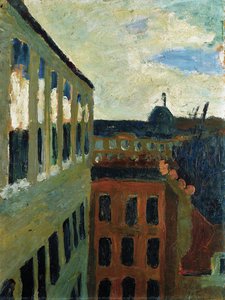 View from the studio window of the artist in Paris1900
 Still life with plant, lemon and orange1906
مقالات حول Cowshed
 The Weight of Silence: Reflection and Isolation in the Works of the Old MastersExplore the profound themes of solitude through the Old Masters and modernists. Discover the art of isolation now.
 German artworks of the 1900sGerman Expressionism through the works of Franz Marc, Ernst Ludwig Kirchner, and August Macke. Find museum-quality reproductions on Origina…
 Pastoral Rhythms: Capturing the Essence of Farm Animals in Impressionist ArtExplore the sensory depth of farm animals in Impressionist art through expert analysis. Discover the beauty of pastoral rhythms today.