The Ancient Roots of Earth Tones: Pigments from the Ground
Ochre ( OH-kər; from Ancient Greek ὤχρα (ṓkhra), from ὠχρός (ōkhrós) 'pale'), iron ochre, sometimes ocher in American English, is a natural clay earth pigment, a mixture of ferric oxide and varying amounts of clay and sand. It ranges in colour from...
Long before synthetic hues graced artists’ palettes, humanity drew color directly from the earth itself. From the ochres found in prehistoric caves to the siennas and umbers painstakingly gathered from riverbanks, these pigments weren't merely materials; they were a connection to the land, imbued with ritualistic significance and practical necessity. The earliest examples of human artistic expression—the magnificent cave paintings of Lascaux and Altamira—are testament to this primal relationship. These ochre-toned depictions of animals, rendered in shades of red, yellow, and brown derived from iron oxides, weren’t simply aesthetic endeavors; they were likely integral parts of hunting rituals or spiritual practices, a way to imbue power into the depicted creatures. The very act of collecting these pigments—grinding rocks, mixing them with animal fats or plant juices—was a deliberate process, a communion with the natural world that shaped early human consciousness.
The Greeks, too, recognized the inherent beauty and practicality of earth tones. By around 400 BCE, artists were working with a limited but versatile palette known as the ‘tetrachrome’ – yellow ochre, red ochre, vine black, and gypsum white. Despite this restriction, they achieved remarkable subtlety and realism in their depictions of figures and landscapes. This demonstrates that even within constraints, skilled manipulation of color can yield profound artistic results. The enduring appeal of these pigments lies not just in their aesthetic qualities but also in their stability; earth tones resist fading over time, ensuring the longevity of artworks created with them.
A Palette of Emotion: The Psychological Impact of Earth Colors
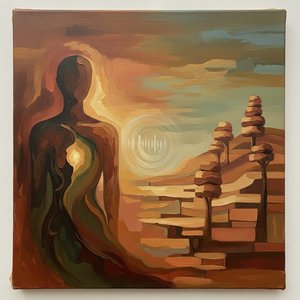 The Resonance of Earth Tones: Exploring Emotional Depth & Artistic Context in Paintings
Explore the captivating world of earth tones in painting! Discover the historical context, emotional resonance, and artistic techniques behind these timeless colors. Learn how to create harmonious spaces with natural palettes.
The connection between color and emotion is deeply ingrained in human psychology. While individual preferences vary, certain hues consistently evoke specific responses. Earth tones, perhaps due to their association with nature and stability, tend to foster feelings of calm, comfort, and grounding. Brown, often linked to reliability and resilience, provides a sense of steadfastness, while greens—evoking lush landscapes and renewal—promote tranquility and balance. These aren’t jarring or demanding colors; instead, they offer a gentle embrace, creating spaces that feel safe and inviting.
Dr. Eleanor Ratcliffe, an environmental psychologist, highlights the importance of naturalistic hues in psychological restoration, noting their significant contribution to reducing anxiety and promoting well-being. This inherent connection to nature isn’t simply a matter of preference; it's deeply rooted in our evolutionary history. Our ancestors lived intimately with the earth, and these colors likely trigger subconscious associations with safety, nourishment, and belonging. In interior design, this translates into warm, inviting spaces that encourage relaxation and contemplation. The versatility of earth tones also allows for harmonious combinations, creating palettes that are both visually pleasing and emotionally soothing.
Earth Tones in Art History: From Cave Paintings to the Renaissance Masters
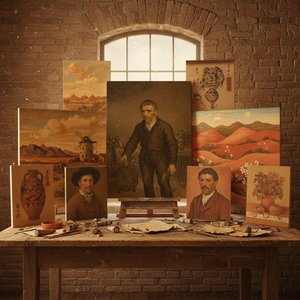 Earthy Hues & Masterpieces: Top 10 Paintings Dominated by Clay Tones |
Explore 10 iconic paintings dominated by rich clay tones – from Rembrandt's warmth to Van Gogh’s earthy landscapes. Discover art history, techniques & find museum-quality reproductions at . Explore the full collection online!
The use of earth tones continued to dominate artistic expression throughout history. During the Baroque period (17th century), masters like Caravaggio, Diego Velázquez, and Francisco de Zurbarán elevated these hues to new heights of dramatic intensity. Caravaggio’s pioneering technique of tenebrism – a stark contrast between light and dark—relied heavily on deep browns and blacks to create a sense of mystery and emotional depth. His paintings aren't merely representations; they are visceral experiences, where shadows conceal as much as they reveal.
Velázquez, in works like “Breakfast”, demonstrates an unparalleled realism and subtle use of light within a restrained earth-toned palette. The warmth of the browns and ochres lends a tangible quality to the scene, inviting viewers into the intimacy of everyday life. Zurbarán, known for his depictions of monastic life, utilized chiaroscuro with exceptional skill in paintings like “Funeral de San Buenaventura”. The somber tones and stark lighting emphasize grief and faith, creating a powerful emotional resonance. Even during the Renaissance, artists such as Andrea Mantegna employed earth tones to create depth and realism in their frescoes, as seen in the details of his ‘Ceiling Oculus’, where subtle variations in brown and ochre define the cherubic figures.
Mastering Muted Harmony: Techniques for Working with Earth-Toned Palettes
While bold colors can command attention, it is often the subtle power of muted hues that creates lasting harmony within a composition. A painting dominated by bright, saturated tones can feel chaotic or overwhelming; conversely, a carefully balanced palette incorporating earth tones provides a grounding element, allowing other colors to shine without competing for dominance. The key lies in understanding how these shades interact with one another.
Mixing complementary colors—opposites on the color wheel—can effectively dull brighter hues, creating nuanced and sophisticated tones. Rather than relying solely on black or white to achieve muting, artists often incorporate earthy pigments directly into their mixtures, resulting in richer, more organic effects. This approach not only creates visual cohesion but also adds depth and complexity to the artwork. The ‘Apelles palette’ – a four-color scheme of yellow ochre, red ochre, vine black, and gypsum white—demonstrates this principle beautifully, proving that even with limited resources, artists can achieve remarkable results.
Beyond Representation: Abstract Expression and the Power of Subdued Hues
The power of earth tones isn’t limited to realistic depictions; it can be a powerful tool for conveying abstract emotions and psychological states. Artists often employ subdued palettes to create atmospheres of melancholy, introspection, or spiritual contemplation. The absence of vibrant color forces viewers to focus on texture, form, and composition, leading to a more contemplative experience.
The use of earth tones can also evoke a sense of history and timelessness, connecting the artwork to ancient traditions and natural processes. This is particularly evident in abstract expressionism, where artists like Mark Rothko used layered washes of muted colors to create emotionally resonant fields of color. These works aren’t about depicting specific objects or scenes; they are about evoking feelings and creating a sense of atmosphere.
Bringing Earthly Resonance Home: Decorating with Warm, Natural Tones
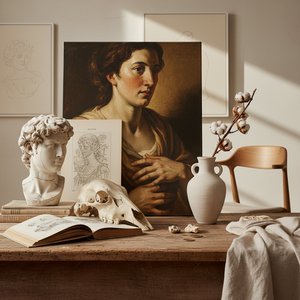 Bone Tones in Art History: 10 Masterpieces & Decor Ideas |
Explore 10 iconic paintings dominated by 'bone' tones – from Rembrandt & Caravaggio to Goya. Discover art history, techniques & find museum-quality reproductions for your home decor at . Explore the full collection online.
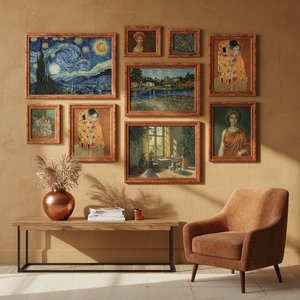
The enduring appeal of earth tones extends beyond the realm of fine art into the world of interior design. These hues create spaces that feel warm, inviting, and connected to nature. Incorporating browns, greens, grays, and ochres into your home décor can foster a sense of calm and tranquility, promoting relaxation and well-being.
Consider layering different textures—wood furniture, woven rugs, linen curtains—to add depth and visual interest. Accents in terracotta or bone tones can provide subtle contrast, while incorporating natural materials like stone or clay further enhances the connection to the earth. Ultimately, decorating with earth tones is about creating a space that feels authentic, grounded, and harmonious – a sanctuary from the stresses of modern life.
At OriginalUniqueArt.com, we offer museum-quality reproductions of masterpieces featuring stunning earth-toned palettes, allowing you to bring the timeless beauty of art into your home. Explore our collection today and discover how these captivating colors can transform your space. We also provide custom reproduction services, enabling you to recreate your favorite artworks in any size or style. From free art consultations to expert appraisal services, we are dedicated to helping you find the perfect piece for your collection.