实景预览
实景预览
 发送
发送 分享
分享
 详情
详情 指南
指南

 下载图片
下载图片
 相似作品
相似作品 X射线
X射线 幻灯片播放
幻灯片播放 统计数据
统计数据Standing Man


 阅读全文
阅读全文
艺术微喷/版画
博物馆级艺术微喷或帆布版画,制作高效,并提供多种饰面选择。 ( 订购此收藏品的纯手工复刻画作 切换至数字图像销售渠道)




P118B ¥10

P118H ¥10

P118W ¥10

P438Z ¥10

P508JH ¥12

P508YH ¥12

P805H ¥10

P805Z ¥10

P919BZ ¥10

P919G ¥10

P919XJ ¥10

P959ZH ¥10

P968JZ ¥12

W106C ¥8

W218G ¥10

W218JH ¥8

W218Y ¥10

W307PJ ¥10

W316G ¥10

W316PJ ¥8

W316Y ¥10

W398PJ ¥8

W4111J ¥10

W500HY ¥15

W500JH ¥15

W692G ¥12

W849H ¥8

W940BG ¥15

W953PJ ¥8




您可以从与原作比例一致的预设尺寸中进行选择。

请输入您所需的宽度和高度,以适配您的画框或墙面。由于印刷品只能进行裁剪,无法超出原图尺寸,因此若比例不一致,画面的一部分将会被裁切。在正式印刷之前,我们会为您发送一份数字效果图供您确认。本页面显示的图片并非最终裁剪后的效果——只有效果图才能展示真实的裁剪情况。


 玻璃选项仅适用于110厘米以下的尺寸。

Standing Man
艺术微喷/版画
复刻品尺寸说明
-


总计金额
¥ 537
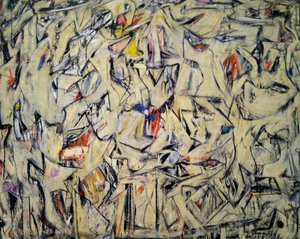
Standing Man by Willem de Kooning: A Crucible of Abstract Expressionism
Willem de Kooning’s “Standing Man,” painted in 1942, stands as a cornerstone of Abstract Expressionism—a movement that irrevocably altered the landscape of American art and continues to resonate with audiences today. More than just a depiction of a figure, it's an embodiment of raw emotion, impulsive gesture, and a profound exploration of form itself. This monumental canvas, currently available for reproduction at /art/list/?Filter=8XZ6Y8-Willem-De-Kooning-Standing-Man, invites viewers into the turbulent heart of postwar artistic innovation.
- The Movement’s Genesis: Abstract Expressionism emerged from the ashes of World War II, rejecting the formalism of European Modernism and prioritizing process over product. Artists like Jackson Pollock, Mark Rothko, and Clyfford Still sought to express inner turmoil and psychological states through spontaneous brushstrokes—a radical departure from traditional representational art.
- De Kooning’s Unique Voice: De Kooning distinguished himself within this movement with his intensely personal style. Unlike many of his contemporaries who favored geometric abstraction, he embraced a visceral approach characterized by thick impasto – heavily textured paint – and vibrant, dissonant colors. His work wasn't about capturing reality; it was about channeling emotion onto the canvas.
- Analyzing “Standing Man”: The painting depicts a man standing before a wall, his arms crossed in an posture of defiance or contemplation. De Kooning’s masterful use of color—primarily reds and yellows—creates a dynamic interplay that conveys energy and agitation. Bold, slashing brushstrokes dominate the composition, disrupting any semblance of conventional perspective.
Influences Beyond Representation
De Kooning's artistic vision wasn’t born in isolation. He drew inspiration from Surrealist artists like André Masson and Max Ernst, who championed automatism—the technique of allowing unconscious impulses to guide the creative process. This influence is palpable in “Standing Man,” where forms appear to erupt spontaneously from the surface of the canvas, mirroring the subconscious exploration favored by Surrealists.
- Surrealist Techniques: Masson and Ernst’s methods emphasized chance and improvisation, rejecting rational control in favor of accessing deeper levels of psychological awareness. De Kooning adopted similar principles, prioritizing intuition over meticulous planning.
- The Power of Gesture: The painting's expressive brushwork embodies the core tenets of Action Painting—a movement that sought to capture the artist’s physical and emotional engagement with the artwork. It’s a testament to De Kooning’s ability to translate feeling into visual form.
Legacy and Enduring Significance
"Standing Man" solidified De Kooning's position as one of the foremost figures in Abstract Expressionism, influencing subsequent generations of artists. Its uncompromising honesty and emotional intensity paved the way for movements like Pop Art and Minimalism—demonstrating that art could transcend representational concerns to explore fundamental questions about human experience.
- Impact on Later Artists: De Kooning’s stylistic innovations challenged established conventions, encouraging artists to experiment with new mediums and techniques. His influence can be seen in the work of artists who prioritized conceptual ideas over visual aesthetics.
- A Symbol of Artistic Freedom: Ultimately, “Standing Man” represents a triumph of artistic liberty—a refusal to conform to societal expectations and a commitment to pursuing personal vision. It remains an enduring emblem of Abstract Expressionism’s transformative legacy.
问答详情
我可以在不同的光线下查看威廉·德库宁 的《Standing Man》吗?
您可以在作品的 X射线检测 页面上逐层探索 “Standing Man”;该交互式查看器的设计灵感源自修复师使用的光源台,通过十一层光学读数呈现图像细节。
威廉·德库宁 的《Standing Man》 属于哪种艺术流派?
“Standing Man”是一件Abstract Expressionism时期的作品。该艺术流派指明了作品所属的艺术传统。
"Standing Man" 是如何平衡明暗对比的?
威廉·德库宁 的《Standing Man》 的亮度记录为 bright,亮度值为 Gentle Luminance。
艺术家简介
抽象表现主义的先驱:威廉·德·库宁的一生
威廉·德·库宁,一个与抽象表现主义的原始能量和深刻情感紧密相连的名字,于1904年出生于荷兰鹿特丹。他早年的生活充满了家庭的分裂——父母在他很小的时候就离婚了——这或许在他内心种下了对不断探索的渴望,这种渴望将贯穿他的艺术生涯。十二岁时离开了正规学校,德·库宁在一家商业艺术公司当学徒,为他的技术技能奠定了基础,同时也激发了他摆脱传统束缚的愿望。在鹿特丹的图像艺术与技术科学学院的晚间课程提供了进一步的基础训练,但真正推动他前往美国的是一种对更具活力、更富表现力的语言的渴望。1926年,他抵达美国并非一帆风顺;他以偷渡的方式登上了一艘船,体现了他作为一个寻求新视野的局外人的精神。纽约市成为了他的故乡,这座城市充满活力的,有时又粗犷的气息深刻地影响了他的艺术风格。他从事各种工作——油漆工、木匠——同时不懈地追求他的艺术愿景,将城市的脉搏融入到他的作品中。从都市景象到抽象狂潮
德·库宁早期的画作反映了他周围的城市景观:捕捉纽约生活动力的城市风景和肖像。然而,这些都只是通往更深刻的情感探索的垫脚石。一个关键时刻是他与阿什利·戈尔基的联系,戈尔基的影响证明是变革性的。戈尔基鼓励德·库宁进行抽象实验,培养了一种为了追求更深层次的东西而瓦解传统表现形式的意愿。三十年代,德·库宁参与了通过进步工作管理局(WPA)的社会现实主义和壁画项目,这段时期磨练了他的技能,但也突出了纯粹表征艺术的局限性。他发现自己被斯图亚特·戴维斯和约翰·格雷厄姆等艺术家的作品所吸引,他们也在各自的领域内突破界限。这种影响力的汇集逐渐使他远离了字面描绘,转向一种日益抽象的语言。这不是突然的变化,而是一个缓慢燃烧的过程——一种由智力好奇心和对艺术真理的不懈追求推动的刻意瓦解既定规范。《女人》系列:一项具有里程碑意义的成就
二战后,德·库宁成为蓬勃发展的抽象表现主义运动中的核心人物。这段时期标志着一个转折点,最终形成了他标志性的“女人”系列(1950-1953 年)。这些画作——包括宏伟的《Woman I》——不仅仅是女性形象的描绘;它们是对女性气质、性欲和人类情感复杂性的深刻探索。以粗犷的笔触、碎片化的形式以及色彩的令人震惊的并置为特征,《女人》系列挑战了传统的审美观念和表现形式。它们具有争议性,甚至让一些人感到震惊,但它们的强大之处恰在于它们拒绝顺从。德·库宁并非有意创造理想化的形象;他试图捕捉其主题原始、未驯服的本质。《“女人”》系列之外,《The Glazier》和《Excavation》等作品进一步展示了他对纹理、色彩和构图的大师级掌握。他不回避混乱或模糊;相反,他将它们视为他艺术语言不可分割的一部分。不断演变的风景与持久的遗产
在 1960 年代,德·库宁的风格经历了又一次重大的演变。虽然抽象仍然是其作品的核心,但景观元素开始发挥更突出的作用,通常采用更明亮的调色板和更流畅、更自由的笔触。他一生中都不断尝试新的技术和材料,从不满足于安于现状。他的后期作品展示了一种令人难以置信的能力,可以在保持对核心艺术原则忠实的同时重新发明自己。威廉·德·库宁的历史意义是不可否认的。他帮助纽约市成为全球艺术中心,挑战了欧洲传统的统治地位,并为后来的艺术家们铺平了道路。他的作品至今仍能激发敬畏和辩论,提醒我们抽象的力量能够传达深刻的情感真相。德·库宁于 1997 年去世,留下了一大批具有影响力的作品,这些作品证明了他对艺术创新的坚定承诺以及他作为二十世纪最重要的美国艺术家之一的持久遗产。《他的影响至今仍在回响》。
威廉·德库宁
1904 - 1997 , 荷兰
快速概览
- 全名: 威廉·德·库宁
- 出生地点: 鹿特丹,荷兰
- 出生日期: 1904年4月24日
- 受影响的艺术家或流派: ['纽约画派']
- 国籍: 荷兰裔美国人
- 影响艺术家:
- 阿什利·古尔基
- 斯图亚特·戴维斯
- 约翰·格雷厄姆
- 死亡日期: 1997年3月19日
- 艺术流派或风格: 抽象表现主义
- 著名作品:
- 《女人一》
- 《玛丽莲·梦露》
- 《躺卧的男人(肯尼迪)》
- 《挖掘》
相关文章

Willem de Kooning: Abstraction, Gesture & the Evolution of Post-War American Painting
Explore the evolution of Willem de Kooning's iconic Abstract Expressionist paintings. Discover his signature style, key themes & investment potential with expert insights for discerning art collectors.

抽象表现主义:十幅定义艺术史的杰作
探索抽象表现主义的十幅经典杰作!波洛克、罗斯科等大师作品,揭秘艺术史上的重要瞬间。OriginalUniqueArt.com为您呈现高品质艺术品复制和精选家居装饰方案,感受现代艺术的力量与魅力。立即浏览全系列!

Kandinsky's Masterpieces: 25 Paintings That Define Abstract Art | OriginalUniqueArt
Journey through Wassily Kandinsky's 25 most iconic abstract paintings. Explore his revolutionary use of color, form & spiritual expressionism. Find museum-quality Kandinsky reproductions and elevate your home decor with OriginalUniqueArt.com. Discover all masterpieces on OriginalUniqueArt.com!

戈雅大师25幅杰作:西班牙灵魂的艺术之旅| OriginalUniqueArt
探索戈雅大师的25幅杰作!深入了解西班牙绘画巨匠Francisco Goya的艺术世界,从洛可可到浪漫主义风格,感受黑加仑时代的情感力量。OriginalUniqueArt.com提供高品质油画复制品和家居装饰灵感。立即在线发现所有名画!