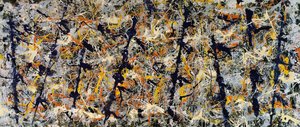
油画原件
 关于 Galaxy 的一切







































 对于任何边长超过 105 厘米(约 41 英寸)的艺术品或复制品,画框将以拆解后的组件形式发货。此方法可确保安全送达并防止运输过程中的损坏。


The Creation of Galaxy by Jackson Pollock
In 1947, Jackson Pollock produced Galaxy, a work that has become a cornerstone of American abstract expressionism. This monumental canvas was exhibited at the Parsons Gallery in New York City, marking a significant moment in the postwar artistic landscape. The piece emerged from a period of intense experimentation, signaling a departure from the traditional conventions that had previously governed the medium.
To understand the origins of such a radical creation, one must look to the artist's early life. Jackson Pollock was born on January 28, 1912, in Cody, Wyoming. He was the youngest of five brothers, born to Stella May McClure and LeRoy Pollock. This background, rooted in the American West, preceded his eventual move to the urban energy of the coast, where his approach to the canvas would eventually undergo a profound transformation.
Composition and Visual Elements
The composition is defined by a complex arrangement of shapes and a diverse palette. You will notice a variety of colors working together, specifically different shades of yellow, red, orange, blue, and green. These hues interact to create a dynamic atmosphere that feels constantly in motion. The interplay of these tones provides a sense of depth within the layered surface.
Within this energetic field, several figures emerge. On the left side, a single figure is positioned near the edge. Moving toward the center, another figure occupies the middle of the composition. To the right, two more figures are located, completing a rhythmic distribution across the canvas. This placement guides the eye through the work, moving from the periphery toward the heart of the arrangement.
Technique and Artistic Materials
In "Galaxy," the artist moves away from the traditional easel to engage with the canvas on a different plane. He laid the fabric directly upon the floor, a choice that allowed him to stand over the work and approach it from all sides. This physical engagement transformed the act of painting into a performance, a method often referred to as action painting. Rather than using brushes to apply pigment, he eschewed them entirely, opting instead to pour and fling paint across the surface. Gravity and the momentum of his own movements dictated the placement of the medium, creating a rhythmic, spontaneous application of color.
The material composition of the work is equally significant. He combined traditional oil paints with aluminum paint, introducing a metallic sheen that catches the light in unexpected ways. This inclusion of aluminum adds a subtle industrial quality to the surface, contrasting the organic flow of the liquid with a more modern, technological texture. The resulting layers of pigment create a complex, tactile surface where the distinction between controlled gesture and chance becomes blurred.
Documented Interpretations and Symbolic Meaning
The swirling patterns of color within this work suggest a sense of cosmic imagery. Through its movement, the piece explores universal themes such as chaos, order, and transformation. There is a palpable tension here between the spontaneous application of pigment and a deeper, underlying structure that emerges from the layers of paint.
Observers have often seen the technique as a mirror to the subconscious mind's own process of generating imagery. This approach reflects a broader interest in psychoanalytic theory that was prevalent during the period. Rather than seeking intellectual contemplation, the work prioritizes emotion and intuition, allowing the physical act of creation to dictate its meaning.
The Legacy of Abstract Expressionism
This work embodies a radical departure from traditional artistic conventions. By moving away from the easel and the brush, the artist established a new aesthetic standard that defined the postwar era. The result is a piece that exemplifies the enduring legacy of abstract expressionism, capturing a moment when the boundaries of painting were being fundamentally redefined. It is a record of a physical presence, where the movement of the whole body dictates the placement of every pigment.
To encounter this piece is to experience a groundbreaking vision firsthand. The swirling patterns and energetic application of paint bring a touch of modernist dynamism into an interior space. It remains a significant part of the movement's history, reflecting the psychological and emotional turbulence of its time through a language of pure gesture. The work's influence helped irrevocably alter the course of art history, shifting the focus from representational imagery to the raw expression of intuition.
Related Works by Jackson Pollock
To understand the trajectory of this period, one might look toward Convergence. It shares a certain rhythmic energy, a sense of movement that feels both controlled and spontaneous. It is a piece that exists within the same dialogue of gesture and form that defines his most significant output.
There are other compositions from this era that offer a different perspective on his use of space. Number 5, 1948 and Number 1, 1949 are notable examples. These works demonstrate how he managed to command a vast surface, creating a sense of boundless space where no single point holds dominance. They reflect a similar preoccupation with the interplay between order and chance.
The Artist's Life and Training
To understand the energy within this canvas, one must look toward the restless beginnings of the artist. Born in Cody, United States, his early years were shaped by the nomadic existence of his father, a land surveyor. This constant movement through the American West provided a direct encounter with the natural world and the spiritual resonance of Native American art, impressions that settled into his subconscious long before he ever held a brush. Seeking a more formal structure for his burgeoning impulses, he eventually moved toward the urban energy of the coast, enrolling at Manual Arts High School in Los Angeles.
The true shaping of his hand occurred later in New York City. It was there, at the Art Students League, that he began a long and transformative period of study. From 1929 to 1942, he labored under the guidance of Thomas Hart Benton. While Benton emphasized rhythmic compositions and the narrative weight of American life, the young student was already beginning to drift toward his own, more abstract, internal truths. This period of study provided the foundation for the radical departure from tradition seen in his later years.
常见问题与解答
Galaxy是手绘的还是印刷的?
手工绘制:由受过专业训练的画家在亚麻画布上,以油画形式临摹 Galaxy。
Galaxy 我该选择什么尺寸?
尺寸范围从 35.5 x 28.1 cm (¥1338) 到 247.1 x 195.6 cm (¥11856);本页表格列出了主要步骤及其价格。
物流需要多长时间?
送货时间为 4 至 5 周,并提供全球免费快递服务;本页面还提供加急制作选项。您可以在 100 天内无条件退货并获得全额退款。
杰克逊·波洛克 在创作《Galaxy》时使用了什么媒介?
Oil
 实景预览

 分享
 分享
 详情
 详情页


 下载作品
 相似作品
 X射线
 幻灯片播放
 问答

 统计数据