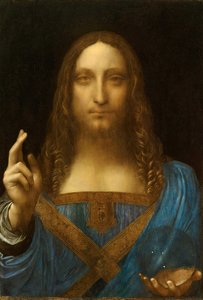
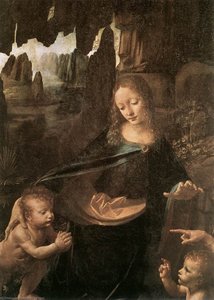
实景预览
实景预览
 分享
分享 分享
分享
 详情
详情 指南
指南

 下载作品
下载作品
 相似作品
相似作品 X射线
X射线 幻灯片播放
幻灯片播放 Q&A
Q&A 统计数据
统计数据Codex Trivulzianus 2162, p. 2.

- 20.0 x 14.0 cm


 展开全文
展开全文
艺术微喷/版画
博物馆级艺术微喷或帆布版画,制作高效,并提供多种饰面选择。 ( 订购纯手工绘制画作 切换至数字图像销售渠道)




P118B ¥10

P118H ¥10

P118W ¥10

P438Z ¥10

P508JH ¥12

P508YH ¥12

P805H ¥10

P805Z ¥10

P919BZ ¥10

P919G ¥10

P919XJ ¥10

P959ZH ¥10

P968JZ ¥12

W106C ¥8

W218G ¥10

W218JH ¥8

W218Y ¥10

W307PJ ¥10

W316G ¥10

W316PJ ¥8

W316Y ¥10

W398PJ ¥8

W4111J ¥10

W500HY ¥15

W500JH ¥15

W692G ¥12

W849H ¥8

W940BG ¥15

W953PJ ¥8




您可以从与原作比例一致的预设尺寸中进行选择。

请输入您所需的宽度和高度,以适配您的画框或墙面。由于印刷品只能进行裁剪,无法超出原图尺寸,因此若比例不一致,画面的一部分将会被裁切。在正式印刷之前,我们会为您发送一份数字效果图供您确认。本页面显示的图片并非最终裁剪后的效果——只有效果图才能展示真实的裁剪情况。


 玻璃选项仅适用于110厘米以下的尺寸。

Codex Trivulzianus 2162, p. 2.
艺术微喷/版画
复刻品尺寸
-


最终结算价
¥ 537
A Portrait of Observation: Examining Leonardo da Vinci’s Codex Trivulzianus 2162, p. 2
Leonardo da Vinci's Codex Trivulzianus 2162, a meticulously rendered monochrome depiction of a man with contemplative gaze, offers a fascinating glimpse into the artist’s approach to portraiture and his broader intellectual pursuits. Produced sometime between 1508 and 1510 during his Florentine period—a time marked by intense artistic experimentation and scientific inquiry—this painting transcends mere likeness; it embodies Da Vinci's masterful sfumato technique, a hallmark of High Renaissance art that prioritizes subtle gradations of tone to achieve an ethereal realism. The photograph captures the essence of this artwork beautifully, highlighting the nuanced interplay of light and shadow across the subject’s face and beard, creating an atmosphere of profound stillness.- Subject Matter: The portrait portrays a man dressed in dark attire, his gaze directed towards another figure positioned slightly off-center. This deliberate compositional choice invites contemplation on interpersonal dynamics and unspoken communication—themes central to Da Vinci’s humanist worldview.
- Style & Technique: Da Vinci's signature sfumato technique is evident throughout the canvas. Layers of thin glazes meticulously blended together soften contours, blurring boundaries between light and dark, thereby imbuing the image with an unparalleled sense of depth and luminosity. This painstaking process reflects Da Vinci’s dedication to anatomical accuracy and his profound understanding of optics.
- Historical Context: Created during a period of artistic flourishing in Florence—a city renowned for its patronage of artists and humanist scholars—the Codex Trivulzianus 2162 aligns with the broader Renaissance fascination with human anatomy, perspective, and idealized beauty. It stands as testament to Da Vinci’s ambition to synthesize art and science into a unified vision of the world.
- Symbolism: The man's gaze is particularly noteworthy; it suggests introspection and awareness—qualities considered vital for achieving moral virtue during the Renaissance. Furthermore, the positioning of the second figure introduces an element of narrative ambiguity, prompting viewers to consider the relationship between the subjects and their surroundings.
Exploring Da Vinci’s Anatomical Precision
Da Vinci's meticulous anatomical studies informed his artistic endeavors in ways that extended far beyond mere representation. He dissected human cadavers with unwavering dedication, meticulously documenting musculature, skeletal structure, and vascular pathways—knowledge he skillfully incorporated into his paintings to convey an unprecedented level of realism. The Codex Trivulzianus 2162 exemplifies this commitment to scientific observation; the subtle shading around the man’s facial features demonstrates Da Vinci's mastery of chiaroscuro, a technique that utilizes dramatic contrasts between light and dark to sculpt form and evoke emotion.A Window into Renaissance Thought
This artwork isn’t simply a depiction of an individual; it’s a conduit for understanding the intellectual currents of the Renaissance—a movement characterized by a renewed interest in classical learning, humanism, and empirical observation. Da Vinci's Codex Trivulzianus 2162 embodies these ideals, reflecting the humanist conviction that humans possessed inherent dignity and potential for greatness. It serves as an enduring reminder of Da Vinci’s genius as both artist and scientist—a figure who irrevocably transformed the artistic landscape of his time and continues to inspire awe and admiration centuries later.Bringing Da Vinci's Vision Home
A high-quality reproduction of Codex Trivulzianus 2162 offers an exceptional opportunity to experience the beauty and sophistication of Renaissance art firsthand. OriginalUniqueArt’s meticulous printing process guarantees vibrant colors and exceptional detail, faithfully capturing the essence of Da Vinci’s groundbreaking technique—a testament to his legacy as one of history's greatest innovators. Explore this captivating artwork today!常见问题与解答
Archivio Storico Civico e Biblioteca Trivulziana馆藏作品“Codex Trivulzianus 2162, p. 2.”的复制权归属如何?
列奥纳多·达·芬奇 的《Codex Trivulzianus 2162, p. 2.》 的版权状态非常明确:该作品属于 属于公有领域 —— 其版权已过期。其在 Archivio Storico Civico e Biblioteca Trivulziana 的馆藏身份并不改变这一状态。
“Codex Trivulzianus 2162, p. 2.”这一Renaissance Humanism背后蕴含着怎样的国族渊源?
《Codex Trivulzianus 2162, p. 2.》由出生于 意大利 的 列奥纳多·达·芬奇 在 Renaissance Humanism 运动背景下创作而成。艺术家的原籍地使这部作品与 意大利 艺术家所实践的 Renaissance Humanism 风格紧密相连。
列奥纳多·达·芬奇 还有哪些别名?
列奥纳多·达·芬奇 也以 李奥纳多·梵蒂尼, 达芬奇, 列奥纳多·迪·谢罗·皮耶罗·达·芬奇 等其他名称为人所知。
艺术家简介
列奥纳多·达·芬奇的生平与传奇
列奥纳多·迪·谢罗·皮耶罗·达·芬奇(Leonardo di ser Piero da Vinci)于1452年出生于托斯卡纳地区的文奇村附近,他无疑是文艺复兴时期最广为人知的代表人物——一位真正的博学者,其永无止境的好奇心推动着他跨越多个学科领域,在艺术、科学和工程学方面留下了不可磨灭的印记。他的名字本身已成为天才的代名词,见证了他非凡的才华与远见卓识。作为公证员皮耶罗·达·芬奇与农妇卡特里娜的私生子,列奥纳多的早年生活虽不寻常,却让他得以接触现实世界并培养了对自然的敏锐观察力,这深刻地塑造了他的艺术视野。尽管他仅接受过基本的读写算术教育,但他在佛罗伦萨师从安德烈亚·德尔·维罗基奥(Andrea del Verrocchio)的学徒生涯,真正点燃了他的创造火花。在维罗基奥的工作室里,列奥纳多不仅仅是在学习绘画或雕塑;他沉浸在一个充满技术技能的世界中,精通金属加工、木工、素描以及艺术创作的复杂性——这为他日后构建多元化的天才奠定了坚实基础。甚至在这一成长期,关于他非凡天赋的传闻便已流传,有记载称维罗基奥本人在目睹了列奥纳多卓越的绘画能力后,便决定不再从事绘画创作。
米兰时期的创新与艺术繁荣
1482年,列奥纳多开启了人生新篇章,进入米兰公爵路易斯·斯福尔扎(Ludovico Sforza)的效力。这不仅仅是一份艺术任命;列奥纳多在宫廷中担任军事工程师、建筑师、雕塑家和设计师,充分展现了他多样化的技能。他构思了创新的防御工事,设计了华丽的舞台布景,甚至还绘制了奇幻机器的设计图。然而,正是在这一时期,他开始创作其最具标志性的杰作之一:《最后的晚餐》。这幅作品以壁画的形式呈现于圣玛利亚德尔格拉齐亚修道院的食堂中,它超越了单纯的表现,是对人类情感和心理戏剧的深刻探索,精准地捕捉了基督宣告背叛发生的瞬间。其构图在当时具有革命性,对透视技术的精湛运用也将对西方艺术产生数百年的深远影响。尽管他在米兰时期完成了许多未竟的雕塑项目,但列奥纳多的发明精神仍在不断发展,为未来的科学探索奠定了基础。
回归佛罗伦萨与对完美的追求
1499年法军入侵米兰后,列奥纳多返回了正处于艺术发展巅峰的佛罗伦萨。尽管在此期间他完成的作品数量较少,但其影响力却是巨大的。正是在这里,他开始创作出被公认为世界上最著名的画作之一:《蒙娜丽莎》(La Gioconda)。画中人物神秘的微笑和迷人的眼神几代人以来一直吸引着观众,而列奥纳多革命性的“晕染法”(sfumato)——通过光影的微妙过渡来创造朦胧轮廓与大气透视感的技术——为这幅画增添了超凡脱俗的神韵。这一时期,受其渴望用科学精度理解人体形态的坚定驱动,他的解剖学研究也得到了持续深化。他通过解剖尸体,细致入微地记录肌肉、骨骼和器官,创作出一系列在当时领先时代数百年的极其详尽的素描作品。
超越艺术的遗产:科学、发明与持久影响力
列奥纳多的晚年生活充满了在佛罗伦萨、米兰和罗马之间的奔波。他因其卓越的专业知识而备受追捧,却也常常留下未完成的作品——这或许反映了他躁动不安的求知欲以及兴趣领域的广阔程度。1516年,他接受了法国国王弗朗索瓦一世的邀请,前往法国昂布瓦斯附近的克洛·吕塞城堡居住工作,并在那里度过了最后的岁月。他于1519年逝世,留下了一份远超艺术范畴的宏大遗产。他的笔记揭示了他在解剖学、光学、水利学、地质学和地图学方面的先驱性研究,并构思了领先时代数百年的发明,包括飞行器、坦克和先进武器。列奥纳多·达·芬奇对艺术史的影响是无法估量的。他将艺术家的地位从熟练的匠人提升到了知识分子的层面,证明了艺术创作可以由科学探究和对自然世界的深刻理解所驱动。他的绘画作品因其写实主义、心理深度和创新技术而备受赞誉。他始终是人类好奇心、创造力和对知识不懈追求的象征——他是文艺复兴精神的真正化身,其遗产在去世数百年后依然持续激发着世人的敬畏与着迷。
主要成就与深远影响
- 绘画:《蒙娜丽莎》、《最后的晚餐》、《岩间圣母》、《受胎告知》
- 素描与速写:广泛的解剖学研究、工程设计(飞行器、武器)、植物插图
- 科学与工程:在解剖学、光学、水利学、地质学和地图学方面的先驱性工作;构思了领先时代数百年的发明。
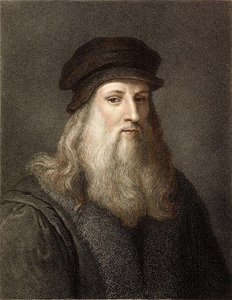
列奥纳多·达·芬奇
1452 - 1519 , 意大利
艺术家简介
- Artistic Movement Or Style: 文艺复兴时期
- Artists Or Movements Influenced By This Artist: ['文艺艺术']
- Artists Who Influenced This Artist: ['安德烈亚·德尔·委罗基奥']
- Date Of Birth: 1452年4月15日
- Date Of Death: 1519年5月2日
- Full Name: 列奥纳多·达·芬奇
- Nationality: 意大利人
- Notable Artworks:
- 蒙娜丽莎
- 最后的晚餐
- 维特鲁威人
- Place Of Birth: 意大利文奇镇
相关文章

佛罗伦萨乌菲兹美术馆25幅杰作:文艺复兴艺术的巅峰之选
探索佛罗伦萨乌菲兹美术馆的25幅杰作!深入了解达芬奇、米开朗基罗等大师的作品背后的故事,感受文艺复兴艺术的辉煌。精美油画复制品,为您的家居增添经典之美。立即在OriginalUniqueArt.com发现更多艺术灵感。

卢浮宫25幅杰作:艺术、历史与家居灵感之旅 (Lúfu gōng 25 fú jiézuò: yìshù, lìshǐ yǔ jiājū línggǎn zhī lǚjí)
探索巴黎卢浮宫25幅传世名画!达芬奇、米开朗基罗等大师杰作背后的故事,文艺复兴与巴洛克艺术精髓尽收眼底。寻找家居装饰灵感,购买博物馆级艺术复制品,OriginalUniqueArt.com带您领略经典绘画之美。
Renaissance Humanism's Greatest Art: 10 Masterpieces for Your Home
Explore 10 Renaissance Humanism masterpieces by Leonardo da Vinci, Michelangelo & Raphael. Discover the stories behind these iconic paintings & sculptures and bring timeless art into your home with museum-quality reproductions from OriginalUniqueArt.com. Explore the full collection online!

Leonardo da Vinci: A Renaissance Master’s Synthesis of Art, Science & Human Observation – Reinterpreted for the Collector
Explore Leonardo da Vinci’s timeless masterpieces with OriginalUniqueArt. Discover insights into his art, science, and legacy – trusted expertise for discerning collectors seeking authentic reproductions & investment opportunities.

达芬奇25幅杰作:艺术、科学与永恒的辉煌 | OriginalUniqueArt
探索达芬奇25幅杰作!深入了解文艺复兴大师列奥纳多·达·芬奇的艺术传奇,欣赏《蒙娜丽莎》、《最后的晚餐》等经典绘画。OriginalUniqueArt.com提供博物馆级复制品和家居装饰灵感。在线探索完整系列!