切换至版画销售渠道
 展开全文
展开全文







































 对于任何边长超过 105 厘米(约 41 英寸)的艺术品或复制品,画框将以拆解后的组件形式发货。此方法可确保安全送达并防止运输过程中的损坏。


A Portrait of Observation: Examining Leonardo da Vinci’s Codex Trivulzianus 2162, p. 2
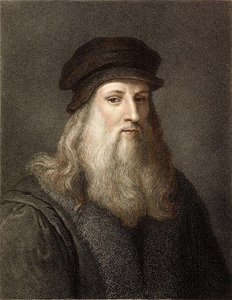
Leonardo da Vinci's Codex Trivulzianus 2162, a meticulously rendered monochrome depiction of a man with contemplative gaze, offers a fascinating glimpse into the artist’s approach to portraiture and his broader intellectual pursuits. Produced sometime between 1508 and 1510 during his Florentine period—a time marked by intense artistic experimentation and scientific inquiry—this painting transcends mere likeness; it embodies Da Vinci's masterful sfumato technique, a hallmark of High Renaissance art that prioritizes subtle gradations of tone to achieve an ethereal realism. The photograph captures the essence of this artwork beautifully, highlighting the nuanced interplay of light and shadow across the subject’s face and beard, creating an atmosphere of profound stillness.- Subject Matter: The portrait portrays a man dressed in dark attire, his gaze directed towards another figure positioned slightly off-center. This deliberate compositional choice invites contemplation on interpersonal dynamics and unspoken communication—themes central to Da Vinci’s humanist worldview.
- Style & Technique: Da Vinci's signature sfumato technique is evident throughout the canvas. Layers of thin glazes meticulously blended together soften contours, blurring boundaries between light and dark, thereby imbuing the image with an unparalleled sense of depth and luminosity. This painstaking process reflects Da Vinci’s dedication to anatomical accuracy and his profound understanding of optics.
- Historical Context: Created during a period of artistic flourishing in Florence—a city renowned for its patronage of artists and humanist scholars—the Codex Trivulzianus 2162 aligns with the broader Renaissance fascination with human anatomy, perspective, and idealized beauty. It stands as testament to Da Vinci’s ambition to synthesize art and science into a unified vision of the world.
- Symbolism: The man's gaze is particularly noteworthy; it suggests introspection and awareness—qualities considered vital for achieving moral virtue during the Renaissance. Furthermore, the positioning of the second figure introduces an element of narrative ambiguity, prompting viewers to consider the relationship between the subjects and their surroundings.
Exploring Da Vinci’s Anatomical Precision
Da Vinci's meticulous anatomical studies informed his artistic endeavors in ways that extended far beyond mere representation. He dissected human cadavers with unwavering dedication, meticulously documenting musculature, skeletal structure, and vascular pathways—knowledge he skillfully incorporated into his paintings to convey an unprecedented level of realism. The Codex Trivulzianus 2162 exemplifies this commitment to scientific observation; the subtle shading around the man’s facial features demonstrates Da Vinci's mastery of chiaroscuro, a technique that utilizes dramatic contrasts between light and dark to sculpt form and evoke emotion.A Window into Renaissance Thought
This artwork isn’t simply a depiction of an individual; it’s a conduit for understanding the intellectual currents of the Renaissance—a movement characterized by a renewed interest in classical learning, humanism, and empirical observation. Da Vinci's Codex Trivulzianus 2162 embodies these ideals, reflecting the humanist conviction that humans possessed inherent dignity and potential for greatness. It serves as an enduring reminder of Da Vinci’s genius as both artist and scientist—a figure who irrevocably transformed the artistic landscape of his time and continues to inspire awe and admiration centuries later.Bringing Da Vinci's Vision Home
A high-quality reproduction of Codex Trivulzianus 2162 offers an exceptional opportunity to experience the beauty and sophistication of Renaissance art firsthand. OriginalUniqueArt’s meticulous printing process guarantees vibrant colors and exceptional detail, faithfully capturing the essence of Da Vinci’s groundbreaking technique—a testament to his legacy as one of history's greatest innovators. Explore this captivating artwork today!常见问题与解答
Archivio Storico Civico e Biblioteca Trivulziana馆藏作品“Codex Trivulzianus 2162, p. 2.”的复制权归属如何?
列奥纳多·达·芬奇 的《Codex Trivulzianus 2162, p. 2.》 的版权状态非常明确:该作品属于 属于公有领域 —— 其版权已过期。其在 Archivio Storico Civico e Biblioteca Trivulziana 的馆藏身份并不改变这一状态。
“Codex Trivulzianus 2162, p. 2.”这一Renaissance Humanism背后蕴含着怎样的国族渊源?
《Codex Trivulzianus 2162, p. 2.》由出生于 意大利 的 列奥纳多·达·芬奇 在 Renaissance Humanism 运动背景下创作而成。艺术家的原籍地使这部作品与 意大利 艺术家所实践的 Renaissance Humanism 风格紧密相连。
列奥纳多·达·芬奇 还有哪些别名?
列奥纳多·达·芬奇 也以 李奥纳多·梵蒂尼, 达芬奇, 列奥纳多·迪·谢罗·皮耶罗·达·芬奇 等其他名称为人所知。
 实景预览
实景预览
 分享
分享 分享
分享
 详情
详情 指南
指南

 下载作品
下载作品
 相似作品
相似作品 X射线
X射线 幻灯片播放
幻灯片播放 Q&A
Q&A 统计数据
统计数据