切换至版画销售渠道
 展开全文
展开全文







































 对于任何边长超过 105 厘米(约 41 英寸)的艺术品或复制品,画框将以拆解后的组件形式发货。此方法可确保安全送达并防止运输过程中的损坏。


Moraine Lake
Moraine Lake is a snow and glacially fed alpine lake in Banff National Park, 14 kilometres (8.7 mi) outside the village of Lake Louise, Alberta, Canada. It is situated in the Valley of the Ten Peaks, at an elevation of approximately 1,884 metres (6,181 ft). The lake has a surface area of 50 hectares (120 acres).
The lake, being fed almost entirely by snow-melt and glacial-melt, does not reach its crest until middle to late June. When it is full, it reflects a distinctive shade of azure blue. This unique colour is due to the refraction of the blue end of the spectrum of sunlight off the rock sediment deposited in the lake on millennia ago during glacial periods.
Its breathtaking beauty has captivated artists and photographers alike, inspiring countless depictions that strive to capture its ethereal quality. The sheer scale of the surrounding mountains—the Ten Peaks—creates a dramatic backdrop that emphasizes the lake’s tranquil stillness, fostering a sense of awe and wonder in those who gaze upon it.
- Location: Banff National Park, Alberta, Canada
- Elevation: Approximately 1,884 metres (6,181 ft)
- Formation: Glacial lake formed during the Pleistocene Epoch
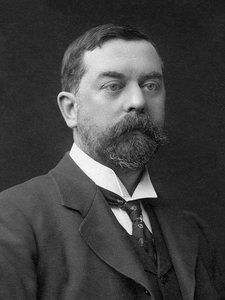
John Singer Sargent – A Master of Impressionistic Landscape
John Singer Sargent (1856–1925), an American expatriate artist born in Florence, Italy, stands as a towering figure in late nineteenth-century art. Unlike many of his contemporaries who embraced bold experimentation and abstraction, Sargent adhered to the tenets of Impressionism, prioritizing fleeting moments of light and colour over meticulous detail.
His artistic vision was profoundly shaped by his upbringing amidst Europe’s cultural elite—museum visits instilled a deep appreciation for observation and tonal nuance. He eschewed academic conventions, favoring instead a technique characterized by loose brushstrokes and vibrant hues that sought to convey the immediacy of experience. Sargent's ability to capture atmospheric conditions with remarkable accuracy cemented his reputation as one of the era’s foremost landscape painters.
Sargent’s meticulous attention to detail—particularly in rendering textures like rock surfaces—contrasted sharply with Impressionistic ideals, yet it served a crucial purpose: to heighten the emotional impact of his compositions. By subtly modulating colour and light, he evoked feelings of serenity, grandeur, and contemplation.
The Painting “Moraine” – Technique and Symbolism
"Moraine," painted in 1909, exemplifies Sargent’s masterful approach to Impressionistic landscape painting. The artist employed oil paints on canvas, applying them with rapid, confident strokes—a technique that allowed him to capture the ephemeral qualities of sunlight filtering through snow-laden peaks.
The colour palette is dominated by shades of blue and grey, reflecting the glacial environment. However, subtle hints of ochre and crimson appear in the rock formations, adding warmth and visual interest. Sargent’s brushwork is deliberately loose, creating a textured surface that mimics the ruggedness of the mountain terrain.
Beyond its aesthetic beauty, “Moraine” carries symbolic resonance. The lake itself represents purity and tranquility—a counterpoint to the imposing majesty of the mountains, which symbolize strength and permanence. Together, they convey a profound meditation on the relationship between humanity and nature, inviting viewers to contemplate the sublime.
Notable Works & Legacy
Sargent’s artistic legacy extends far beyond “Moraine.” His portraits—particularly “Madame X”—remain iconic representations of Belle Époque elegance. He achieved international acclaim for his ability to portray individuals with psychological depth and sensitivity, capturing not only their physical likeness but also their inner character.
His influence can be seen in the works of subsequent generations of artists who embraced Impressionistic principles. Sargent’s unwavering commitment to observation and tonal nuance continues to inspire painters today—a testament to his enduring artistic genius.
 实景预览
实景预览
 分享
分享 分享
分享
 详情
详情 指南
指南

 下载作品
下载作品
 相似作品
相似作品 X射线
X射线 幻灯片播放
幻灯片播放 Q&A
Q&A 统计数据
统计数据