
![The Dance — 让-巴蒂斯特·卡波”, "artist_names_other": [ "让-巴蒂斯特-卡波", "让-巴蒂斯特·卡波" ]](/media/artworks/images-full/40/f9/40f9f700ea50f7794ea0b1c48ec84159.jpg)
 发送
发送 分享
分享
 详情
详情 指南
指南

 下载图片
下载图片
 相似作品
相似作品 幻灯片播放
幻灯片播放 统计数据
统计数据The Dance


 阅读全文
阅读全文
艺术微喷/版画
博物馆级艺术微喷或帆布版画,制作高效,并提供多种饰面选择。 ( 订购此收藏品的纯手工复刻画作 切换至数字图像销售渠道)




































您可以从与原作比例一致的预设尺寸中进行选择。

请输入您所需的宽度和高度,以适配您的画框或墙面。由于印刷品只能进行裁剪,无法超出原图尺寸,因此若比例不一致,画面的一部分将会被裁切。在正式印刷之前,我们会为您发送一份数字效果图供您确认。本页面显示的图片并非最终裁剪后的效果——只有效果图才能展示真实的裁剪情况。


 玻璃选项仅适用于110厘米以下的尺寸。

The Dance
艺术微喷/版画
复刻品尺寸说明
-


总计金额
¥ 538
The Ephemeral Joy Captured in Stone
To stand before this depiction of The Dance is to be enveloped by a wave of vibrant, almost palpable energy. It is not merely a sculpture; it is a moment wrested from the ceaseless flow of time, frozen at its zenith of joyous abandon. The grouping of figures, rendered in what appears to be cool, aged marble or stone, seems caught mid-waltz, their forms suggesting both the weight of history and the lightness of pure exhilaration. One’s eye is immediately drawn into the intricate choreography—the overlapping limbs, the lifted drapery, the shared focus that binds this collective performance together.
Mastery in Movement: Carpeaux's Dynamic Touch
This work bears the unmistakable signature of Jean-Baptiste Carpeaux. His genius lay in his ability to imbue static material with breathtaking dynamism. Having trained under masters who valued classical structure, Carpeaux infused that rigor with a raw, almost visceral emotionality. Observe the musculature suggested beneath the flowing garments; it speaks to an understanding of the human body not as an idealized form, but as a vessel for intense feeling. The inclusion of details, such as the figure holding a hat near the window, adds a narrative whisper—a suggestion of life continuing just beyond the frame, grounding the ethereal dance in a recognizable, lived-in moment.
Historical Echoes and Emotional Resonance
Dating to 1869, this piece emerges from the height of late 19th-century artistic fervor. This era saw sculpture moving away from purely academic idealism toward narratives rich with human experience. The Dance embodies that shift; it is passionate, dramatic, and deeply connected to the social fabric of its time. The natural light filtering in through the depicted window acts as a symbolic spotlight, illuminating not just the dancers, but perhaps the fleeting nature of such perfect happiness. It invites contemplation on memory, celebration, and the enduring human need for communal joy.
Bringing Renaissance Spirit Home
For the discerning collector or designer seeking an anchor piece that speaks volumes without shouting, this reproduction offers unparalleled depth. The tactile quality suggested by the stone—its cool patina hinting at centuries of admiration—lends immediate gravitas to any interior space. Imagine it placed where natural light can graze its curves; the interplay between shadow and polished marble will make the figures seem to breathe anew. It is a piece that elevates a room from mere dwelling to a stage for enduring beauty.
问答详情
根据创作日期判断,"The Dance" (1869) 属于 让-巴蒂斯特·卡波”, "Artist_Names_Other": [ "让-巴蒂斯特-卡波", "让-巴蒂斯特·卡波" ] 艺术生涯的哪个阶段?
1869 年的创作日期将《The Dance》置于 让-巴蒂斯特·卡波”, "Artist_Names_Other": [ "让-巴蒂斯特-卡波", "让-巴蒂斯特·卡波" ] 艺术发展的 Second Empire 时期。
"The Dance" 的艺术风格与其创作时代有何关联?
让-巴蒂斯特·卡波”, "Artist_Names_Other": [ "让-巴蒂斯特-卡波", "让-巴蒂斯特·卡波" ] 的《The Dance》 属于 Baroque Romanticism 流派,创作于其作者的 19世纪 时期。
下单前可以预览 让-巴蒂斯特·卡波”, "Artist_Names_Other": [ "让-巴蒂斯特-卡波", "让-巴蒂斯特·卡波" ] 的《The Dance》 吗?
您可以在作品的预览页面查看让-巴蒂斯特·卡波”, "Artist_Names_Other": [ "让-巴蒂斯特-卡波", "让-巴蒂斯特·卡波" ] 的《The Dance》的预览。
艺术家简介
以激情雕琢的一生:让-巴蒂斯特·卡波的艺术世界
让-巴蒂斯特·卡波(Jean-Baptiste Carpeaux),这个名字在19世纪法国雕塑界便是动态美与情感深度的代名词。他出身寒微,却凭借非凡的天赋,成为了那个时代最受赞誉的艺术家之一。1827年,卡波出生于瓦朗谢讷,身为石匠之子的他,早年生活沉浸在手工艺的质感之中——这种对物质性的亲近深刻地塑造了他的艺术感知力。这种根植于实体创作的经历,使他对材料与形态有了透彻的理解,为他日后那以触觉写实主义和表现力著称的艺术生涯奠定了基石。他在法兰索瓦·吕德(François Rude)门下的初步训练,为其提供了坚实的古典技法基础,而吕德正是以凯旋门上那些充满戏剧性的浮雕闻名于世。然而,直到进入美术学院(École des Beaux-Arts),卡波才真正开始磨炼自己独特的艺术视野。学院严谨的学术氛围结合他与生俱来的天赋,促使他在1854年赢得了享有盛誉的罗马奖——这一关键时刻开启了他前往意大利的蜕变之旅。罗马遐思与新风格的诞生
卡波在罗马度过的岁月对其艺术发展至关重要。沉浸在米开朗基罗、多纳泰罗和委罗基奥的杰作之中,他汲取了这些大师对解剖学、构图以及情感强度的精湛掌控。然而,卡波并未止步于对文艺复兴巨匠的简单模仿,而是开始开辟属于自己的道路,拒绝了当时新古典主义雕塑中常见的僵化形式感。他追求一种更加流动、更加自发的表达方式,力求捕捉生命本身的能量与活力。这种转变在他这一时期创作的《拿波里渔童》(Pêlecheur napolitain à la coquille)中可见一斑。这座描绘手持贝壳的少年雕像,因其自然主义色彩和灵动的生命感而令人赞叹——这些特质后来成为了卡波风格的标志。这不仅仅是对一个人物的刻画,更是青春勃发与无忧无虑之美的化身。该作品在巴黎展出时引起了巨大的轰动,不仅确立了卡波作为艺术新星的地位,更让他赢得了欧仁妮皇后的青睐,获得了皇室的委约创作。荣耀与动荡:第二帝国时期
在拿破仑三世统治下的第二帝国时期,卡波的才华得到了极大的施展,那是一个艺术创新与宏伟公共工程并行的时代。他成为了帝国宫廷的宠儿,承接了大量的肖像及纪念碑式雕塑委约。他在巴黎加尼叶歌剧院外墙创作的《舞蹈》(La Danse),至今仍是他最标志性的成就之一。这座高浮雕作品以令人屏息的动态美和优雅形态展现了被卷入能量旋涡中的人物形象。然而,这部杰作并非没有争议;其直白的情感表现与感官张力曾引发部分保守派评论家的愤怒,甚至被指责为不雅。尽管面临批评,《舞蹈》却巩固了卡波作为一名大胆且创新艺术家的名声,证明了他无惧挑战传统、突破边界的勇气。这一时期的其他重要作品还包括《乌戈里诺及其子孙》(Ugolino and His Sons),这部作品凄凉地描绘了但丁笔下关于饥饿与绝望的悲剧故事,展现了他通过雕塑形态传达深邃情感深度的卓越能力。在运动与情感中铸就的传奇
尽管晚年面临经济困难和健康挑战,卡波仍坚持创作,直至1875年英年早逝。他对后世雕塑家的影响是无可辩驳的。他挣脱了学院派传统的束缚,拥抱了一种更加自然主义且富有表现力的风格,为奥古斯特·罗丹等艺术家的出现铺平了道路。![让-巴蒂斯特·卡波”,
"Artist_Names_Other": [
"让-巴蒂斯特-卡波",
"让-巴蒂斯特·卡波"
]](/media/artists/images/thumbnails/37/47/3747801df4e8423996583a042ac07c2f.jpg)
让-巴蒂斯特·卡波”, "Artist_Names_Other": [ "让-巴蒂斯特-卡波", "让-巴蒂斯特·卡波" ]
1827 - 1875 , 法国
快速概览
- Artistic Movement Or Style: 自然主义, 写实主义
- Artists Or Movements Influenced By This Artist: ['奥古斯特·罗丹']
- Artists Who Influenced This Artist:
- 米开朗基罗
- 多纳泰罗
- 韦罗基奥
- 弗朗索瓦·吕德
- Date Of Birth: 1827年
- Date Of Death: 1875年
- Full Name: 让-巴蒂斯特·卡波斯
- Nationality: 法国
- Notable Artworks:
- 《乌戈里诺及其子》
- 《那不勒斯渔童》
- 《舞蹈》
- 《黑人妇女》
- Place Of Birth: 法国,瓦朗谢讷
相关文章

Bronze Age to Modern Masters: 10 Sculptures That Redefined Art | OriginalUniqueArt
Journey through art history with 10 legendary bronze sculptures – from Michelangelo's David to Rodin’s Thinker. Explore the stories, techniques & timeless beauty of these masterpieces. Find museum-quality reproductions & elevate your home decor on OriginalUniqueArt.com.
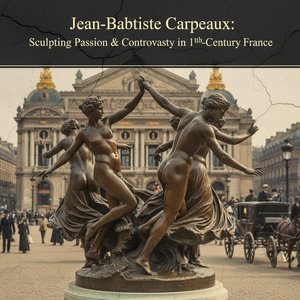
Jean-Baptiste Carpeaux: Sculpting Passion & Controversy in 19th-Century France
Explore the passionate life & controversial works of Jean-Baptiste Carpeaux, a leading French sculptor of the Second Empire. Discover his realism, iconic sculptures like 'Ugolino,' and lasting legacy as a precursor to Rodin.

Bronze Sculptures That Defined Art History | OriginalUniqueArt
Journey through art history with our Top 10 bronze sculptures! Explore masterpieces by Rodin, Michelangelo & more. Discover stories behind iconic statues and find museum-quality reproductions for your home decor at OriginalUniqueArt.com.

The Enduring Form: Sculpture Across History, Technique & Emotional Resonance
Explore the rich history of sculpture with OriginalUniqueArt. Discover key techniques, influential artists & investment potential for discerning collectors. Expert insights into valuing and collecting timeless masterpieces.

The Enduring Form: Exploring Themes & Techniques in Sculpture Across Historical Periods
Explore the rich history of sculpture from ancient masterpieces to contemporary innovations. Discover key techniques, influential artists & investment potential for discerning art collectors.