
 实景预览
实景预览
 分享
分享 分享
分享
 详情
详情 指南
指南

 下载作品
下载作品
 相似作品
相似作品 X射线
X射线 幻灯片播放
幻灯片播放 问答
问答 统计数据
统计数据LE MENDIANT


 展开全文
展开全文
艺术微喷/版画
博物馆级艺术微喷或帆布版画,制作高效,并提供多种饰面选择。 ( 订购纯手工绘制画作 切换至数字图像销售渠道)




P118B ¥10

P118H ¥10

P118W ¥10

P438Z ¥10

P508JH ¥12

P508YH ¥12

P805H ¥10

P805Z ¥10

P919BZ ¥10

P919G ¥10

P919XJ ¥10

P959ZH ¥10

P968JZ ¥12

W106C ¥8

W218G ¥10

W218JH ¥8

W218Y ¥10

W307PJ ¥10

W316G ¥10

W316PJ ¥8

W316Y ¥10

W398PJ ¥8

W4111J ¥10

W500HY ¥15

W500JH ¥15

W692G ¥12

W849H ¥8

W940BG ¥15

W953PJ ¥8




您可以从与原作比例一致的预设尺寸中进行选择。

请输入您所需的宽度和高度,以适配您的画框或墙面。由于印刷品只能进行裁剪,无法超出原图尺寸,因此若比例不一致,画面的一部分将会被裁切。在正式印刷之前,我们会为您发送一份数字效果图供您确认。本页面显示的图片并非最终裁剪后的效果——只有效果图才能展示真实的裁剪情况。


 玻璃选项仅适用于110厘米以下的尺寸。

LE MENDIANT
艺术微喷/版画
复刻品尺寸
-


最终结算价
¥ 543
Jan Miel’s “Le Mendiant”: A Window Into Baroque Dignity Amidst Poverty
The artwork "Le Mendiant," attributed to Jan Miel (1599 – 1663), stands as a poignant testament to the artistic spirit of the Dutch Golden Age and its engagement with broader humanist concerns. Painted circa 1630, this genre scene—a hallmark of Miel’s oeuvre during his formative years in Rome—captures a moment of quiet contemplation within a bustling tavern interior, offering viewers an arresting glimpse into both social realities and artistic sophistication.Composition and Style: Baroque Restraint Within Classical Framework
Miel's stylistic approach skillfully blends influences from Flemish masters like Anthony van Dyck with the burgeoning grandeur of Italian Baroque aesthetics. The horizontal orientation of the canvas immediately establishes a sense of stability, mirroring the formal balance characteristic of Baroque compositions. However, unlike the opulent theatricality often associated with Rome at the time, Miel employs subtle tonal gradations and muted colors—primarily grayscale—to convey an atmosphere of understated dignity. This deliberate restraint serves to heighten the emotional impact of the depicted scene: a beggar humbly requesting alms amidst a group of patrons engaged in conversation. The artist’s meticulous attention to detail—evident in the rendering of textures, particularly on the tavern table and the livestock visible in the background—underscores Miel's commitment to realism while simultaneously grounding the image within a broader artistic tradition.Detailed Examination: Technique and Materials
The painting utilizes oil paint on canvas with considerable skill. Brushstrokes are perceptible but carefully blended, creating a smooth surface that enhances the illusion of depth and luminosity despite the absence of vibrant hues. Layers of tonal variation—a technique favored by Miel—are skillfully applied to sculpt form and delineate contours, capturing the nuances of light and shadow within the tavern setting. The artist’s meticulous observation of natural forms—reflected in the depiction of the cows and sheep—demonstrates a profound understanding of classical principles of perspective and anatomical accuracy.Historical Context: Rome and Beyond – Miel's Artistic Journey
Jan Miel’s artistic development unfolded primarily in Rome during the 1630s, where he honed his craft under the patronage of Charles Emanuel II, Duke of Savoy—a connection that cemented his reputation as a court artist. This period witnessed a significant shift towards classicizing tendencies within Miel's oeuvre, mirroring the broader cultural revival occurring across Europe. The artwork’s subject matter – depicting poverty alongside social interaction – speaks to the humanist ideals prevalent during the Baroque era, reflecting an interest in portraying human experience with compassion and intellectual rigor.Symbolism: Dignity Amidst Adversity
“Le Mendiant” transcends mere visual representation; it embodies a deeper symbolic resonance. The beggar’s posture—characterized by humility and supplication—serves as a poignant reminder of the vulnerability inherent within the human condition. Simultaneously, the gathering of people around the table symbolizes communal life and social responsibility. The inclusion of livestock reinforces the artwork's connection to rural existence and underscores its engagement with themes of moral contemplation. Ultimately, Miel’s masterpiece invites viewers to consider not only the aesthetic beauty of the scene but also its profound ethical implications—a testament to the enduring power of art to illuminate both the grandeur and fragility of human experience.- Artist: Jan Miel
- Birth Year: 1599
- Death Year: 1663
- Birth City: Beveren
- Birth Country: Belgium
Additional Resources:
LE MENDIANT – Louvre site des collections 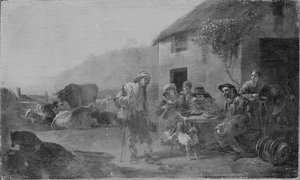
jan josef horemans the elder – Belgian painter (1682-1759) known for detailed interiors & anatomical precision.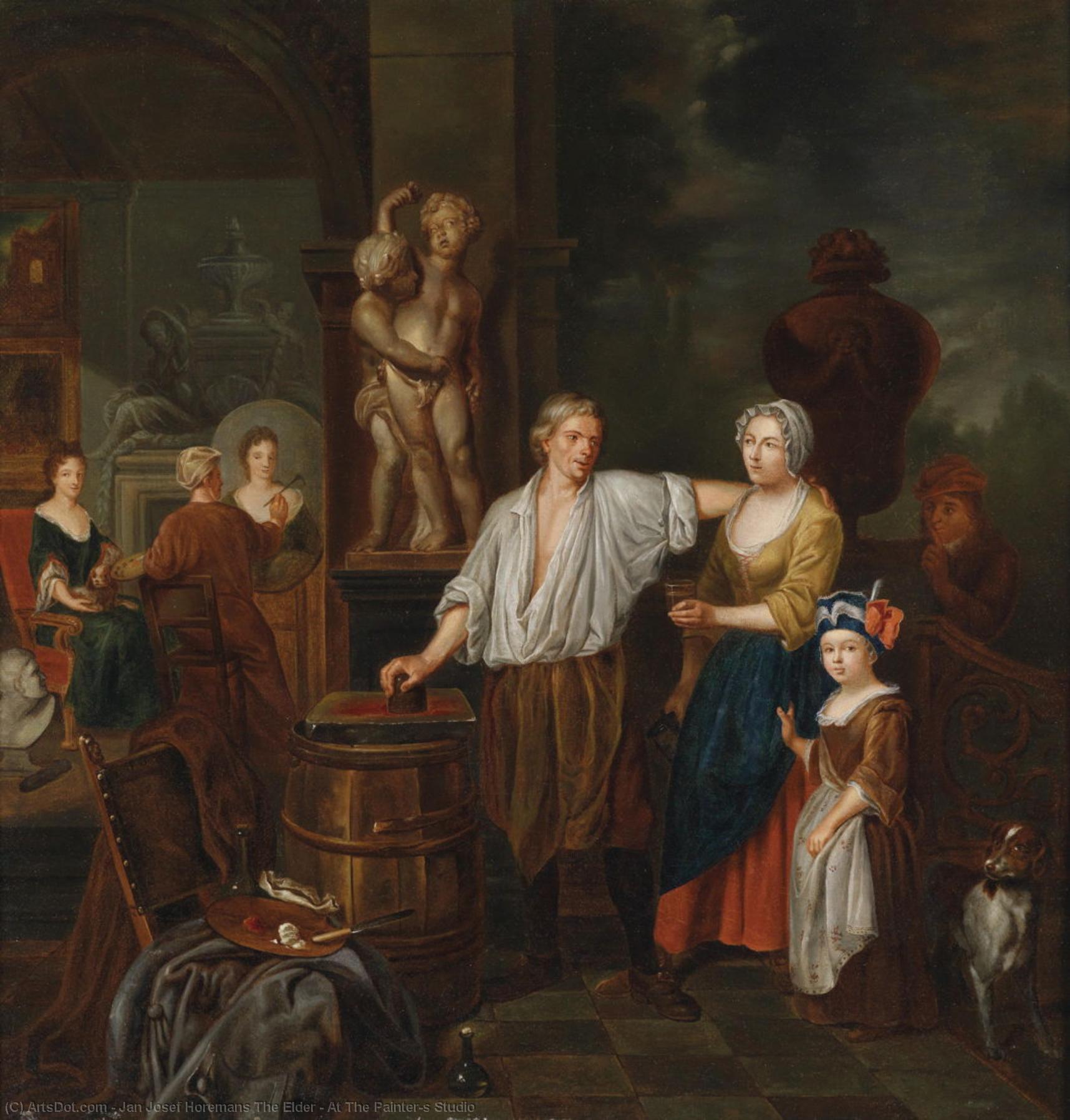
jan le ducq – Explore the captivating landscapes & animal paintings of Jan Le Ducq, a Dutch master known for his dog portraits.
Jan Miel – Cavaliere della Vita, (Anvers, 1599 - Turin, 1663) Court artist to Charles Emanuel II, Duke of Savoy.
Louvre, Paris, France – INV 1447 and MR 816 ( )
)

File:Jan Miel - The beggar.JPG – Wikimedia Commons 
Louvre Cartel – Foucart, Jacques, Catalogue des peintures flamandes et hollandaises du musée du Louvre, Gallimard / Louvre éditions, 2009, p. 182, ill. n&bCatalogue des peintures flamandes et hollandaises
常见问题与解答
"LE MENDIANT" 的艺术风格与其创作时代有何关联?
扬·米尔 的《LE MENDIANT》 属于 Dutch Golden Age Painting 流派,创作于其作者的 近代早期 时期。
为什么“LE MENDIANT”目前的版权状态是这样的?
"LE MENDIANT" 的版权状态 —— 属于公有领域 —— 其版权已过期 —— 取决于艺术家于 1663 年逝世这一事实。
扬·米尔 的《LE MENDIANT》 的色彩饱和度与强度如何?
扬·米尔 的《LE MENDIANT》 的色彩饱和度为 Muted,色彩强度为 Monochromatic。
艺术家简介
扬·米尔:连接荷兰写实主义与巴洛克宏伟篇章的桥梁
扬·米尔(Jan Miel,1599–1663)是十七世纪艺术版图中举足轻重的关键人物,他完美地体现了佛兰德传统与意大利创新之间那场迷人的交汇。尽管关于他的出生地,安特卫普和‘斯海尔托亨博斯仍是潜在的候选地,但可以确定他出生于比利时的贝弗伦。米尔的早年生活笼罩在相对模糊的阴影中,传记细节十分匮乏。然而,通过学术研究,我们能窥见一段非凡的艺术旅程——这段旅程以风格的演变与跨国界的协作为标志,最终奠定了他于罗马与都灵那充满活力的文化环境中的地位。
他的成长期主要是在安特卫普度过的,在那里他潜心磨炼技艺,并深受安东尼·范·戴克等著名佛兰德大师的影响。虽然其受训的具体范围仍难以考证,但这段经历无疑赋予了他对细致观察与精湛技法的敏锐鉴赏力,这些品质成为了他随后艺术创作的核心特征。这种在古典素描与肖像画方面的深厚根基,为他日后跨越地域界限的辉煌职业生涯提供了必不可少的艺术工具。
罗马蜕变与“猎人派”精神
约1636年抵达罗马,标志着米尔艺术轨迹中的一个转型时刻。他迅速加入了Bentvueghels,这是一个由居住在永恒之城的荷兰及佛兰德艺术家组成的极具影响力的社团。在这个兄弟会组织中,他获得了一个令人难忘的绰号——“bieco”,这个名字反映了他那独特的眯眼神态,而这一特征后来也成为了他艺术人格的代名词。通过这种纽带,他在深受彼得·范·拉尔Bamboccianti(猎人派)风格影响的更广泛艺术群体中,建立了深厚的联系。
这一艺术运动致力于描绘罗马及其周边地区底层阶级的日常生活场景,他们摒弃了盛期文艺复兴艺术那种理想化的宏伟感,转而追求一种更加直观、更具生命力的表达。米尔全身心地投入到了这一潮流之中,创作出了一系列迷人的风俗画,以卓越的写实主义与细腻的情感捕捉到了城市生活的灵魂。他的作品中常常蕴含着:
- 充满生机的街头景象,游人、商贩与劳工穿梭其间。
- 对光影的大师级运用,唤起罗马小巷中那尘土飞扬且阳光充沛的氛围。
- 在拥挤而混乱的场景中,捕捉人类情感细微的交织。
- 对织物、岩石与泥土纹理极其考究的刻画。
向古典主义与宫廷宏伟风格的演进
随着职业生涯的推进,米尔的艺术视野经历了一场显著的蜕变。尽管他依然是风俗画领域的宗师,但他开始逐渐脱离“猎人派”那种粗粝的写实感,转向更具古典色彩的历史画创作。这种转变反映了当时欧洲艺术的一个宏观趋势:巴洛克艺术那原始的能量正日益受到秩序、高贵感以及古典寓言追求的调和与约束。
这种演进最终使他获得了显赫的委任,其中最著名的便是担任萨伏依公爵查理·埃马努埃尔二世的宫廷画家。在都灵宫廷的服务生涯中,米尔的作品呈现出更加正式且壮丽的特征。早期罗马场景中的亲密感,逐渐让位于规模更宏大、构图更复杂的作品,这些创作旨在彰显其皇家赞助人的权势与威望。这一时期代表了他职业成就的巅峰,他那植根于细节的佛兰德传统,与欧洲贵族所追求的宏大叙事史诗完美地融合在了一起。
扬·米尔的历史意义在于他游走于这些迥异世界的能力。他是一位能够从罗马街头流浪儿的卑微挣扎中发现美,同时又能在古典史诗的传奇故事中寻得尊严的艺术家。通过架起北方细腻写实主义与南方戏剧性古典主义之间的桥梁,米尔在十七世纪的艺术典籍中留下了不可磨灭的印记,确保了其作为巴洛克时代真正“世界主义者”的艺术遗产永垂不朽。
扬·米尔
1599 - 1663 , 比利时
艺术家简介
- Artistic Movement Or Style: Bamboccianti (巴莫琴蒂风格), 古典主义
- Artists Or Movements Influenced By This Artist: ['Pieter van Laer (彼得·范·拉尔)']
- Artists Who Influenced This Artist: ['Anthony van Dyck (安东尼·范·戴克)']
- Date Of Birth: 1599年 比弗伦 比利时
- Date Of Death: 1663年
- Full Name: Jan Miel (扬·米尔)
- Nationality: Flemish (佛兰德人)
- Notable Artworks:
- Landscape with a Battle between Two Rams (两只公羊搏斗的风景画)
- Roman Lime Kiln with Peasants Gambling (农民赌博的罗马石灰窑)
- Place Of Birth: 比弗伦 比利时
相关文章

Chiaroscuro and Character: A Definitive Guide to Light and Shadow in the Dutch Baroque Era
Explore the dramatic mastery of the Dutch Baroque era. Discover how masters like Rembrandt used chiaroscuro to transform everyday life into timeless art. An expert guide for collectors and enthusiasts seeking to understand the profound interplay of light and shadow.

Dutch Baroque Masters: 10 Paintings That Shaped an Era | OriginalUniqueArt
Journey through the Golden Age with our guide to the Top 10 Dutch Baroque masterpieces! Explore iconic paintings by Rembrandt, Vermeer & Frans Hals. Find museum-quality art reproductions and elevate your home decor at OriginalUniqueArt.com.

高檔藝術品複製技術:Giclée微噴的檔案品質與鑑賞細節
深入了解Giclée微噴技術:檔案品質、色彩還原的專業解析。探索高檔藝術品複製的細節與保存技巧,為您的收藏提供博物館級別的選擇。專家指導,確保完美呈現原作神韻。

荷兰黄金时代绘画:文化创新中的现实主义反思
深入探索荷兰黄金时代绘画的文化创新与现实主义反思。本文解读伦勃朗、维米尔等大师的作品,并结合玛莉特·韦斯特曼的图像学研究,揭示艺术史背后的社会语境与现代性意识觉醒。
光影中的生活:十七世纪荷兰风俗画的社会镜像与艺术价值
探索十七世纪荷兰风俗画的社会镜像与艺术价值。OriginalUniqueArt 提供高品质手工油画复制、定制肖像及专业艺术咨询,重现黄金时代的精髓。 值得信赖的艺术品专家,为您打造专属艺术空间。