
 实景预览
实景预览
 Print
Print 分享
分享 分享
分享
 指南
指南

 下载作品
下载作品
 相似作品
相似作品 X射线
X射线 幻灯片播放
幻灯片播放 Q&A
Q&A 统计数据
统计数据LE MENDIANT


Jan Miel’s “Le Mendiant”: A Window Into Baroque Dignity Amidst Poverty
The artwork "Le Mendiant," attributed to Jan Miel (1599 – 1663), stands as a poignant testament to the artistic spirit of the Dutch Golden Age and its engagement with broader humanist concerns. Painted circa 1630, this genre scene—a hallmark of Miel’s oeuvre during his formative years in Rome—captures a moment of quiet contemplation within a bustling tavern interior, offering viewers an arresting glimpse into both social realities and artistic sophistication.Composition and Style: Baroque Restraint Within Classical Framework
Miel's stylistic approach skillfully blends influences from Flemish masters like Anthony van Dyck with the burgeoning grandeur of Italian Baroque aesthetics. The horizontal orientation of the canvas immediately establishes a sense of stability, mirroring the formal balance characteristic of Baroque compositions. However, unlike the opulent theatricality often associated with Rome at the time, Miel employs subtle tonal gradations and muted colors—primarily grayscale—to convey an atmosphere of understated dignity. This deliberate restraint serves to heighten the emotional impact of the depicted scene: a beggar humbly requesting alms amidst a group of patrons engaged in conversation. The artist’s meticulous attention to detail—evident in the rendering of textures, particularly on the tavern table and the livestock visible in the background—underscores Miel's commitment to realism while simultaneously grounding the image within a broader artistic tradition.Detailed Examination: Technique and Materials
The painting utilizes oil paint on canvas with considerable skill. Brushstrokes are perceptible but carefully blended, creating a smooth surface that enhances the illusion of depth and luminosity despite the absence of vibrant hues. Layers of tonal variation—a technique favored by Miel—are skillfully applied to sculpt form and delineate contours, capturing the nuances of light and shadow within the tavern setting. The artist’s meticulous observation of natural forms—reflected in the depiction of the cows and sheep—demonstrates a profound understanding of classical principles of perspective and anatomical accuracy.Historical Context: Rome and Beyond – Miel's Artistic Journey
Jan Miel’s artistic development unfolded primarily in Rome during the 1630s, where he honed his craft under the patronage of Charles Emanuel II, Duke of Savoy—a connection that cemented his reputation as a court artist. This period witnessed a significant shift towards classicizing tendencies within Miel's oeuvre, mirroring the broader cultural revival occurring across Europe. The artwork’s subject matter – depicting poverty alongside social interaction – speaks to the humanist ideals prevalent during the Baroque era, reflecting an interest in portraying human experience with compassion and intellectual rigor.Symbolism: Dignity Amidst Adversity
“Le Mendiant” transcends mere visual representation; it embodies a deeper symbolic resonance. The beggar’s posture—characterized by humility and supplication—serves as a poignant reminder of the vulnerability inherent within the human condition. Simultaneously, the gathering of people around the table symbolizes communal life and social responsibility. The inclusion of livestock reinforces the artwork's connection to rural existence and underscores its engagement with themes of moral contemplation. Ultimately, Miel’s masterpiece invites viewers to consider not only the aesthetic beauty of the scene but also its profound ethical implications—a testament to the enduring power of art to illuminate both the grandeur and fragility of human experience.- Artist: Jan Miel
- Birth Year: 1599
- Death Year: 1663
- Birth City: Beveren
- Birth Country: Belgium
Additional Resources:
LE MENDIANT – Louvre site des collections 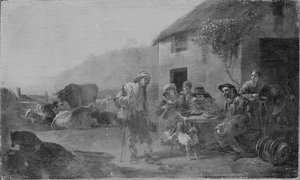
jan josef horemans the elder – Belgian painter (1682-1759) known for detailed interiors & anatomical precision.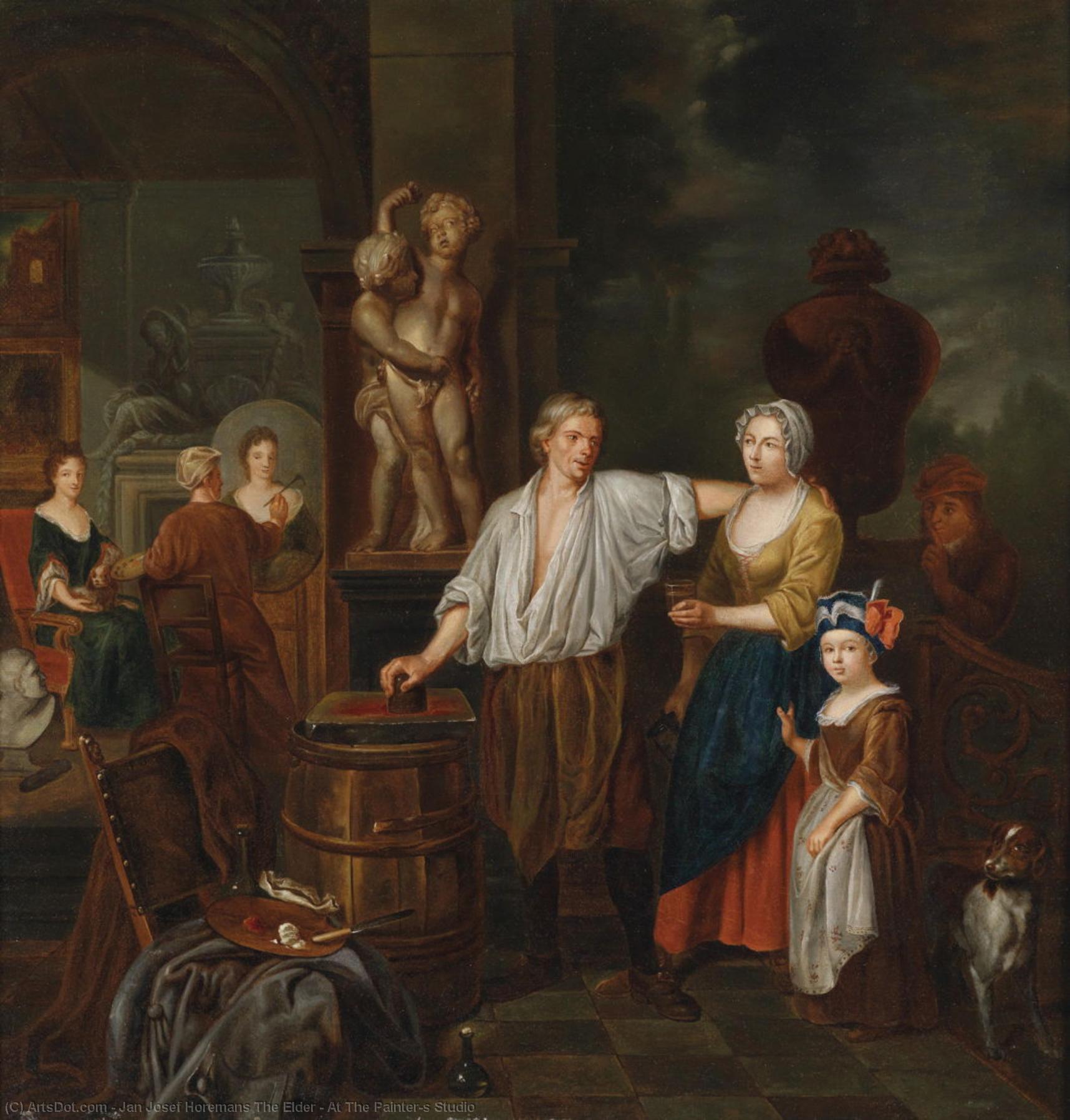
jan le ducq – Explore the captivating landscapes & animal paintings of Jan Le Ducq, a Dutch master known for his dog portraits.
Jan Miel – Cavaliere della Vita, (Anvers, 1599 - Turin, 1663) Court artist to Charles Emanuel II, Duke of Savoy.
Louvre, Paris, France – INV 1447 and MR 816 ( )
)

File:Jan Miel - The beggar.JPG – Wikimedia Commons 
Louvre Cartel – Foucart, Jacques, Catalogue des peintures flamandes et hollandaises du musée du Louvre, Gallimard / Louvre éditions, 2009, p. 182, ill. n&bCatalogue des peintures flamandes et hollandaises
常见问题与解答
"LE MENDIANT" 的艺术风格与其创作时代有何关联?
扬·米尔 的《LE MENDIANT》 属于 Dutch Golden Age Painting 流派,创作于其作者的 近代早期 时期。
为什么“LE MENDIANT”目前的版权状态是这样的?
"LE MENDIANT" 的版权状态 —— 属于公有领域 —— 其版权已过期 —— 取决于艺术家于 1663 年逝世这一事实。
扬·米尔 的《LE MENDIANT》 的色彩饱和度与强度如何?
扬·米尔 的《LE MENDIANT》 的色彩饱和度为 Muted,色彩强度为 Monochromatic。
扬·米尔(1599 – 1663)
扬·米尔 (1599-1664) 是活跃于意大利的佛兰德画家,以描绘罗马生活的“bamboccianti”风俗画及后期的古典主义历史画而闻名。他曾担任萨伏依公爵查理·埃马努埃尔二世的宫廷画家。
卢浮宫 (Paris, France)
探索卢浮宫的永恒杰作!穿越艺术史,从古埃及到文艺复兴巨匠——蒙娜丽莎、米洛女神等。巴黎的文化瑰宝静待您的光临! A) 仅为路易十四的皇家住所。 B 根据提供的文本,卢浮宫最初的目的是什么?
关于此作品
- 作品名称: LE MENDIANT
- 艺术家: 扬·米尔
- 规格: Panoramic
- 版权状态: 公有领域
- 所在地: 卢浮宫
- 动态感: Dutch Golden Age Painting
- 创作时期: Mature Period
- 关键词: tavern scene decor , genre scene wall art , dutch genre painting
- 色彩色调: Green to Violet Spectrum
- 色彩饱和度: Monochromatic
作品详情
- Location: Louvre, Paris
- Medium: Oil on metal
- Title: Le Mendiant
- Subject or theme: Social interaction & poverty
- Artistic style: Genre painting
- Movement: Dutch Golden Age