

 实景预览
实景预览
 发送
发送 分享
分享
 详情
详情 指南
指南

 下载图片
下载图片
 相似作品
相似作品 X射线
X射线 幻灯片播放
幻灯片播放 统计数据
统计数据Galveston, Texas
 Drawing
- WallArt
 1890
1890- 19th Century
 20.0 x 13.0 cm
 美國國家藝術博物館
 阅读全文
阅读全文
艺术微喷/版画
博物馆级艺术微喷或帆布版画,制作高效,并提供多种饰面选择。 ( 订购此收藏品的纯手工复刻画作 切换至数字图像销售渠道)




P118B ¥10

P118H ¥10

P118W ¥10

P438Z ¥10

P508JH ¥12

P508YH ¥12

P805H ¥10

P805Z ¥10

P919BZ ¥10

P919G ¥10

P919XJ ¥10

P959ZH ¥10

P968JZ ¥12

W106C ¥8

W218G ¥10

W218JH ¥8

W218Y ¥10

W307PJ ¥10

W316G ¥10

W316PJ ¥8

W316Y ¥10

W398PJ ¥8

W4111J ¥10

W500HY ¥15

W500JH ¥15

W692G ¥12

W849H ¥8

W940BG ¥15

W953PJ ¥8




您可以从与原作比例一致的预设尺寸中进行选择。

请输入您所需的宽度和高度,以适配您的画框或墙面。由于印刷品只能进行裁剪,无法超出原图尺寸,因此若比例不一致,画面的一部分将会被裁切。在正式印刷之前,我们会为您发送一份数字效果图供您确认。本页面显示的图片并非最终裁剪后的效果——只有效果图才能展示真实的裁剪情况。


 玻璃选项仅适用于110厘米以下的尺寸。

Galveston, Texas
艺术微喷/版画
复刻品尺寸说明
-


总计金额
¥ 538
A Window into the Past: The Quietude of Galveston
In this evocative black and white drawing from 1890, we are transported to a bygone era of American coastal life. Galveston, Texas serves not merely as a setting, but as a living character, captured through the delicate and precise hand of George Elbert Burr. The scene unfolds along a tranquil street, where the architecture of a stately house with its prominent chimney anchors the left side of the composition. Trees line the thoroughfare, their branches casting soft shadows that suggest a warm, sun-drenched afternoon. This is a moment frozen in time, a nostalgic glimpse into a period before the frenetic pace of modernity, where the rhythm of life was dictated by the gentle movement of pedestrians and the slow passage of the day.
The composition is masterfully balanced, inviting the viewer to wander through the frame. As our eyes move along the sidewalk, we encounter various figures—some strolling in the foreground, others receding into the soft distance—creating a profound sense of depth and perspective. A solitary bicycle, parked near the center of the scene, acts as a subtle symbol of the era's burgeoning mobility and the quiet simplicity of daily existence. Through this meticulous arrangement, Burr captures more than just a streetscape; he captures an atmosphere of peace, a stillness that resonates with anyone seeking a moment of reflection.
Mastery of Line and Light
While George Elbert Burr is often celebrated for his expansive desert landscapes and the dramatic textures of his etchings, this particular work showcases his incredible ability to command fine detail within a monochromatic palette. The technique relies heavily on the interplay of light and shadow to define form and texture. Without the distraction of color, the viewer is forced to engage with the structural integrity of the buildings and the organic silhouettes of the trees. Every line serves a purpose, contributing to the overall sense of realism and historical authenticity.
The artist’s background in scientific observation and natural history is evident here in the way he renders the textures of the urban environment. There is a rhythmic quality to the way the light hits the sidewalk and the foliage, creating a visual melody that guides the eye through the composition. For collectors and interior designers, this piece offers a sophisticated textural element. Its monochromatic elegance allows it to integrate seamlessly into diverse decor styles—from classic traditionalism to contemporary minimalist settings—providing a focal point that is both intellectually stimulating and visually soothing.
An Emotional Resonance for the Modern Collector
Beyond its historical value, Galveston, Texas possesses an enduring emotional impact. In an age characterized by digital noise and constant motion, there is something deeply restorative about Burr’s vision of a quiet, orderly world. The drawing evokes a sense of longing for a simpler time, making it an ideal acquisition for those looking to infuse their living spaces with a sense of calm and historical gravity. It is a piece that invites contemplation, encouraging the viewer to slow down and appreciate the subtle beauty found in the mundane.
For the discerning art lover, owning a reproduction of this work is an opportunity to possess a fragment of American history. Whether displayed in a private study, a grand hallway, or a curated gallery wall, this artwork serves as a conversation piece that bridges the gap between the nineteenth and twenty-first centuries. It is not merely a depiction of a Texas street; it is an invitation to step into a serene, historical dreamscape, preserved forever through the masterful artistry of George Elbert Burr.
问答详情
乔治·埃尔伯特·伯尔 的《Galveston, Texas》 使用的是强烈的对比,还是柔和的和谐?
乔治·埃尔伯特·伯尔 的《Galveston, Texas》 的色彩分析记录了一种 Serene 的对比与 Unified Palette 的和谐。
美國國家藝術博物館馆藏作品“Galveston, Texas”的复制权归属如何?
乔治·埃尔伯特·伯尔 的《Galveston, Texas》 的版权状态非常明确:该作品属于 属于公有领域 —— 其版权已过期。其在 美國國家藝術博物館 的馆藏身份并不改变这一状态。
如何购买 乔治·埃尔伯特·伯尔 的《Galveston, Texas》 的版画?
若想订购 乔治·埃尔伯特·伯尔 的《Galveston, Texas》 的版画,只需前往其 艺术版画 页面进行订购即可:采用棉质帆布或档案级画布纸制作的艺术版画。
艺术家简介
乔治·埃尔伯特·伯尔:荒漠的远见者
乔治·埃尔伯特·伯尔(George Elbert Burr,1859 – 1939)是美国版画与绘画艺术中一个独一无二的存在。世人对他最深刻的记忆,源于他那大师级的笔触,精准地捕捉了美国西部壮丽的自然景观——尤其是那些苍茫的荒漠与巍峨的山脉。这位出生于俄亥俄州辛辛那提的艺术家,早期的艺术教育侧重于插画创作,随后逐渐转向蚀刻版画与水彩技法,并最终形成了其标志性的艺术风格。他的作品早已超越了单纯的写实描绘;它蕴含着对光影、纹理与氛围的深邃感悟,捕捉到了这些广袤天地间那份独有的孤独感与宏伟气象。- 早年生活与教育:伯尔的成长岁月深受自然史与科学观察的影响,这些元素后来也渗透进他的艺术视野之中。他在辛辛那提艺术学院接受了系统学习,随后广泛游历欧洲,深入吸收了印象派运动的技法与美学原则。
- 蚀刻艺术的崛起:伯尔艺术生涯的突破点在于蚀刻版画,这一媒介在维多利亚时代晚期得到了他的全身心投入。他创作版画的过程极其严谨,需要将素描图像费力地转移到铜板上,并通过酸浴刻画出错综复杂的线条,从而最终呈现出细节惊人的印迹。这种艰辛的过程对耐心与精准度有着极高的要求,而这恰恰是伯尔所天赋异禀的品质。
- 荒漠景观与风格演变:进入20世纪初,伯尔的艺术重心果断转向了美国西南部。他多次远征亚利桑那州、犹他州、内华达州和加利福尼亚州,利用令人屏息的水彩画与干针蚀刻版画,记录下该地区独特的地质构造与转瞬即逝的美感。随着时间的推移,他的风格逐渐演变——表现为形式的渐进简化以及对色调和谐度的日益强调——这反映了他对光线如何与物体表面纹理相互作用的理解不断加深。
- 卓越成就与认可:伯尔的版画作品在其生前便赢得了广泛赞誉,不仅获得了史密森尼学会等著名机构的委约创作,更被公认为美国风景艺术的领军人物。他的作品现收藏于全美各地,并持续为后世艺术家提供灵感。
核心作品与艺术风格
伯尔的艺术遗产包含约350幅版画与素描,展现了他作为艺术家非凡的多样性。在他最负盛名的杰作中,包括《奥伯韦泽尔的舍恩堡城堡》,这幅细腻的水彩画捕捉了暮色天空下中世纪城堡那巍峨的身影,见证了他传达历史细节与情感共鸣的双重能力。同样地,《无题(十一月转描稿)》则通过一幅极具美感的单色素描,传达出内华达州荒漠地形那种荒凉而凄美之感。其独特的艺术风格具有以下显著特征:- 细腻的线条表现:伯尔的蚀刻版画以其极其精细的线条而闻名——这是他技艺的核心标志,能够捕捉到形态与纹理中最为微妙的差异。
- 色调的和谐统一:他的水彩画展示了对色彩调配的大师级掌控力,通过和谐的色彩融合,唤起观者对所描绘景观之情绪与氛围的共鸣。
- 对光影的强调:在整个创作生涯中,伯尔巧妙地运用了明暗对照法(Chiaroscuro)——即光与影的交织——来增强视觉上的戏剧性,并赋予画面深邃的空间感。
传承与历史意义
乔治·埃尔伯特·伯尔对美国艺术的贡献早已超越了美学范畴;他体现了进步时代所特有的探索精神与观察精神。他对西部荒野那不屈不挠的描绘——往往浸润着一种沉思式的宁静——为后世那些试图捕捉自然界崇高壮丽感的艺术家们提供了无尽的启示。时至今日,伯尔的版画作品依然是20世纪早期艺术史上珍贵的瑰宝,它们带领观众窥见那个逝去的时代,并再次证明了艺术愿景那永恒不灭的力量。
乔治·埃尔伯特·伯尔
1859 - 1939 , 美国
快速概览
- Artistic Movement Or Style: 西部风景
- Date Of Death: 1939
- Full Name: 乔治·埃尔伯特·伯尔
- Nationality: 美国
- Notable Artworks:
- 舍恩堡城堡,奥伯韦泽尔
- 无题(十一月的转描画)
- 冬季(第一号)
- Place Of Birth: 美国
相关文章
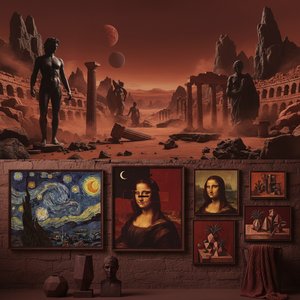
Mars Black Masterpieces: 10 Iconic Paintings & Timeless Art Decor Ideas
Delve into the power of 'Mars Black' with 10 iconic paintings by masters like Rembrandt & Caravaggio. Explore dramatic chiaroscuro, gothic art, and timeless beauty. Find museum-quality reproductions & elevate your home decor on .

Dark Masterpieces: 10 Iconic Paintings Dominated by Black Tones |
Explore 10 iconic paintings dominated by black tones, from Rembrandt’s chiaroscuro to Goya's dark expressions. Discover the stories behind these masterpieces & find museum-quality art reproductions for your home at .

Shadow & Soul: Why Black & White Photography Remains the Ultimate Power Move in Modern Art
Discover why black & white photography remains a powerful force in contemporary art. Explore the impact of light, shadow, and texture through a visual journey of monochrome mastery and learn how to elevate your space with timeless grayscale aesthetics.

Monochrome Visions: Exploring the Aesthetic & Historical Significance of Black & White Photography
Explore the rich history & artistic power of black and white photography. From early techniques to iconic masters like Ansel Adams, discover why monochrome continues to captivate art lovers today. Expert insights for collectors.

White on Canvas: 10 Masterpieces & Timeless Elegance for Your Home Decor
Explore 10 iconic white paintings by Monet, Whistler & Rothko! Discover the stories behind these serene masterpieces and their impact on art history. Find museum-quality reproductions for your home decor at .