

 实景预览
实景预览
 发送
发送 分享
分享
 详情
详情 指南
指南

 下载图片
下载图片
 相似作品
相似作品 X射线
X射线 幻灯片播放
幻灯片播放 统计数据
统计数据The Lacemaker


 阅读全文
阅读全文
手工油画复制品
由我们的艺术家按需定制,为您提供您所选尺寸及画框的布面手工油画。 ( 切换至版画销售渠道 切换至数字图像销售渠道)




P118B ¥10

P118H ¥10

P118W ¥10

P438Z ¥10

P508JH ¥12

P508YH ¥12

P805H ¥10

P805Z ¥10

P919BZ ¥10

P919G ¥10

P919XJ ¥10

P959ZH ¥10

P968JZ ¥12

W106C ¥8

W218G ¥10

W218JH ¥8

W218Y ¥10

W307PJ ¥10

W316G ¥10

W316PJ ¥8

W316Y ¥10

W398PJ ¥8

W4111J ¥10

W500HY ¥15

W500JH ¥15

W692G ¥12

W849H ¥8

W940BG ¥15

W953PJ ¥8




您可以从与原作比例一致的预设尺寸中进行选择。

请输入您需要的宽度和高度,以适配您的画框或墙面。由于作品为手工绘制,若您选择不同的尺寸比例,艺术家可能会在画面边缘多画一些或稍作裁剪 —— 由您决定。在开始绘画之前,我们会为您发送一份数字效果图供您确认。本页面上展示的图片并非最终实物 —— 只有效果图才能反映真实结果。
下单后,OriginalUniqueArt.com 团队将通过电子邮件联系客户获取具体要求,并提供效果预览图


 玻璃选项仅适用于110厘米以下的尺寸。

The Lacemaker
复制品材质
复刻品尺寸说明
-


总计金额
¥ 2019
A Symphony of Silence and Skill
In the quiet corners of the Dutch Golden Age, there exists a profound beauty found not in grand spectacles, but in the rhythmic, meditative pulse of everyday life. The Lacemaker serves as a breathtaking window into this era of domestic tranquility. The painting captures a young woman lost in the delicate, painstaking labor of her craft, her focus so absolute that the world around her seems to dissolve into a soft, atmospheric haze. As she sits before her work, the viewer is invited to share in her solitude, experiencing a moment of stillness that feels both timeless and deeply intimate. This is not merely a portrait of a worker; it is an invitation to appreciate the dignity found in concentration and the quiet grace of a life lived with purpose.
The composition is a masterclass in the fijnschilder style, a technique synonymous with the legendary Dutch masters of Leiden. Every inch of the canvas vibrates with meticulous detail, from the intricate patterns of the lace to the heavy, tactile presence of the crimson and black patterned cloth draped across the table. The artist employs a sophisticated use of light—a soft, diffused glow that seems to emanebate from an unseen window, casting gentle shadows that lend a remarkable three-dimensionality to the scene. This subtle manipulation of luminosity creates a sense of depth, pulling the viewer into the room and making the textures of fabric, porcelain, and skin feel almost touchable. For the discerning collector or interior designer, this level of technical brilliance offers a piece that commands attention through its subtlety rather than through loud, jarring colors.
Symbolism and the Art of Observation
Beyond its surface beauty, The Lacemaker is rich with the symbolic language of the 17th century. The act of lacemaking itself was often viewed as a metaphor for virtue, patience, and the careful weaving of one's destiny. The woman’s composed posture and downward gaze reflect a sense of moral fortitude and intellectual engagement, suggesting that even the most humble domestic tasks can be elevated to an art form. The presence of the mirror on the table adds a layer of introspective depth, reflecting her image back to us and creating a psychological loop that emphasizes themes of self-reflection and the duality of public duty versus private thought.
The color palette is intentionally balanced to evoke a sense of calm yet sophisticated elegance. The vibrant red of the tablecloth provides a striking counterpoint to the muted, pearlescent tones of the woman’s attire, ensuring that the eye is drawn naturally toward her hands—the very site of her creative struggle and triumph. This careful orchestration of color and light makes the painting an ideal centerpiece for a curated space, offering a sense of historical weight and refined taste. Whether placed in a sunlit study or a more formal gallery setting, a high-quality reproduction of this masterpiece brings with it an aura of serenity and a profound connection to the enduring legacy of Dutch excellence.
问答详情
弗兰斯·范·米里斯 的作品《The Lacemaker》知名度如何?
弗兰斯·范·米里斯 的《The Lacemaker》 的知名度处于 Iconic 水平。这一分类反映了该作品被广泛认可的程度。
弗兰斯·范·米里斯 的《The Lacemaker》 为室内空间增添了怎样的氛围?
弗兰斯·范·米里斯 的《The Lacemaker》 营造出一种 Serene 的氛围,推荐用于 Living Room。作品的情绪感即是其为周围空间带来的意境。
建议为 弗兰斯·范·米里斯 的《The Lacemaker》 选择哪种复刻尺寸?
建议将“The Lacemaker”打印为 Medium 尺寸。其他尺寸亦可按相同比例进行制作。
艺术家简介
沉浸于细节的生命:弗兰斯·范·米里斯长子的艺术世界
弗兰斯·范·米里斯长子(Frans van Mieris the Elder),这个名字本身便是精细入微与高雅艺术的代名词,在荷兰黄金时代占据着举足轻重的地位。1635年出生于莱顿,他的人生轨迹并未延续家族的金匠传统——那是他的父亲扬·巴斯蒂恩斯·范·米里斯所从事的技艺——而是转向了那令人神往的绘画世界。早年对素描的痴迷,为他日后定义“精细画派”(fijnschilder)风格并为世人提供窥探17世纪荷兰社会生活的亲密视角奠定了基础。他在亚伯拉罕·图伦弗利特(Abraham Toorenvliet)门下的初步训练,以及随后从德高望重的格里特·杜(Gerrit Dou)那里获得的至关重要的指导,为他构建独特的艺术语言打下了坚实的基础。这些成长岁月不仅赋予了他精湛的技术,更培养了他对叙事细微差别的敏锐捕捉力以及对微妙观察力的深刻理解。“精细画派”大师的崛起
范·米里斯很快便作为fijnschilder——这个意为“精细绘画”的荷兰术语——的大师而闻名遐迩。这种技法以近乎执着的细节追求、平滑且富有光泽的笔触以及对小幅画布的偏爱为特征。这不仅仅是对现实的复制,更是通过极尽严谨的精准度来升华现实。他画作中的表面仿佛闪烁着生命的光辉——缎面的流光溢彩、天鹅绒的细腻质感、金属的微弱闪光——这一切都以令人惊叹的准确度呈现出来。他不仅仅是在描绘一个房间,更是在重塑其中的氛围,邀请观众步入那些充满生活气息与富足感的场景之中。他的题材经常围绕着富裕阶层的生活展开:优雅的聚会、华丽的室内装饰,以及那些不仅捕捉了容貌、更捕捉了神韵的人物肖像。诸如享用生蚝的午餐、医生为病人诊疗、女性从事日常家务等反复出现的母题,成为了通往上流社会习俗与社交礼仪的窗口。虽然最初深受格里电·杜风格的影响,但范·米里斯逐渐发展出了自己独特的处理方式。他逐渐从过度的细节堆砌转向更加强调人物间的互动以及构图内叙事的展开。相比于早期作品明亮的色调,他后期的作品有时会展现出更深沉的色调特征,反映出其艺术探索的不断深入与成熟。传世杰作与持久遗产
几件关键作品足以见证范·米里斯卓越的技艺与演进的风格。对荷兰艺术的持久贡献
弗兰斯·范·米里斯在塑造荷兰黄金时代绘画中的fijnschilder运动中发挥了关键作用。他对细节的执着、对日常生活与上流社会的写实描绘,以及技术上的卓越成就,为这个本就以艺术创新闻名的时代做出了显著贡献。他曾受到包括利奥波德大公和科西莫三世·德·美第奇在内的显赫人物的赞助,这足以证明其才华在国际上的认可度。即便在今天,他的作品仍以精湛的工艺和对17世纪文化的深刻洞察力吸引着观众。悉尼新南威尔士州美术馆的一幅自画像失窃案,也成为了一个令人心酸的提醒,时刻昭示着其艺术持久的价值与魅力——这一遗产至今仍在激励并吸引着收藏家与艺术爱好者。他的画作不仅仅是历史文物;它们是通往逝去时代的窗口,经过精心的雕琢,蕴含着永恒的美感。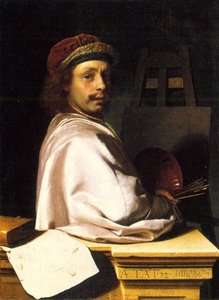
弗兰斯·范·米里斯
1635 - 1681 , 荷兰
快速概览
- Artistic Movement Or Style: 精细画派 (Fijnschilder),风俗画
- Artists Or Movements Influenced By This Artist:
- 威廉·范·米里斯 (Willem van Mieris)
- 小弗兰斯·范·米里斯 (Frans van Mieris the Younger)
- A. D. 斯纳潘 (A. D. Snaphaan)
- Artists Who Influenced This Artist:
- 格里特·道 (Gerrit Dou)
- 亚伯拉罕·范·登·滕佩尔 (Abraham van den Tempel)
- Date Of Birth: 1635年
- Date Of Death: 1681年
- Full Name: 弗兰斯·范·米里斯 (Frans van Mieris the Elder)
- Nationality: 荷兰
- Notable Artworks:
- 医生看诊 (Doctor's Visit)
- 手持齐特琴的自画像 (Self-Portrait with a Cittern)
- 音乐会 (Musical Company)
- 二重奏 (Duet)
- Place Of Birth: 荷兰,莱顿
相关文章

Johannes Vermeer: Light, Intimacy & the Dutch Golden Age – A Comprehensive Exploration
Explore the life, techniques & enduring legacy of Johannes Vermeer, a master of Dutch Golden Age painting. Discover symbolism in his iconic works like 'The Milkmaid' and learn about his revolutionary use of light.

荷兰黄金时代绘画:文化创新中的现实主义反思
深入探索荷兰黄金时代绘画的文化创新与现实主义反思。本文解读伦勃朗、维米尔等大师的作品,并结合玛莉特·韦斯特曼的图像学研究,揭示艺术史背后的社会语境与现代性意识觉醒。

光影交织的时代:荷兰黄金时代绘画艺术的兴盛与创新
深入探索荷兰黄金时代的绘画艺术:伦勃朗、维米尔等大师的技法与创新,了解巴洛克风格的独特演绎。OriginalUniqueArt提供手绘油画复制、艺术咨询及收藏建议,助您领略经典艺术之美。

Golden Light & Dutch Skies: The Timeless Magic of Dutch Golden Age Landscapes
Discover the breathtaking beauty of Dutch Golden Age landscapes. Explore the mastery of light, chiaroscuro, and 17th-century realism through an expert art history lens, celebrating the enduring legacy of the Dutch Masters for discerning collectors and art lovers.

荷兰黄金时代:十幅定义艺术史的巨作 | OriginalUniqueArt
探索荷兰黄金时代的艺术巅峰! 伦勃朗、维米尔等大师名作,带您领略巴洛克艺术的辉煌。高清画作、博物馆级品质,点亮您的家居空间。OriginalUniqueArt.com 提供精选艺术复制品和定制装饰方案。立即在线探索全系列!