

 实景预览
实景预览
 发送
发送 分享
分享
 详情
详情 指南
指南

 下载图片
下载图片
 相似作品
相似作品 X射线
X射线 幻灯片播放
幻灯片播放 统计数据
统计数据Isabelle (Isabeau) d


 阅读全文
阅读全文
艺术微喷/版画
博物馆级艺术微喷或帆布版画,制作高效,并提供多种饰面选择。 ( 订购此收藏品的纯手工复刻画作 切换至数字图像销售渠道)




P118B ¥10

P118H ¥10

P118W ¥10

P438Z ¥10

P508JH ¥12

P508YH ¥12

P805H ¥10

P805Z ¥10

P919BZ ¥10

P919G ¥10

P919XJ ¥10

P959ZH ¥10

P968JZ ¥12

W106C ¥8

W218G ¥10

W218JH ¥8

W218Y ¥10

W307PJ ¥10

W316G ¥10

W316PJ ¥8

W316Y ¥10

W398PJ ¥8

W4111J ¥10

W500HY ¥15

W500JH ¥15

W692G ¥12

W849H ¥8

W940BG ¥15

W953PJ ¥8




您可以从与原作比例一致的预设尺寸中进行选择。

请输入您所需的宽度和高度,以适配您的画框或墙面。由于印刷品只能进行裁剪,无法超出原图尺寸,因此若比例不一致,画面的一部分将会被裁切。在正式印刷之前,我们会为您发送一份数字效果图供您确认。本页面显示的图片并非最终裁剪后的效果——只有效果图才能展示真实的裁剪情况。


 玻璃选项仅适用于110厘米以下的尺寸。

Isabelle (Isabeau) d
艺术微喷/版画
复刻品尺寸说明
-


总计金额
¥ 538
The Enigmatic Beauty: Isabelle (Isabeau) d’Hauteville
François Clouet’s “Isabelle (Isabeau) d’Hauteville” is not merely a portrait; it's a carefully constructed window into the world of 16th-century French courtly life. Painted in 1547, this exquisite depiction captures the essence of Isabelle, Countess of Beauvais, a woman whose life was intertwined with intrigue, power, and ultimately, tragedy. The painting immediately draws the eye to her serene countenance – a subtle blend of intelligence, melancholy, and quiet dignity. Her long, flowing hair, rendered in delicate shades of brown and gold, frames a face marked by both youthful beauty and an underlying sense of experience. The pearl necklace, a symbol of wealth and status, rests gracefully around her neck, while the simple white dress speaks to her noble birth and the restrained elegance expected of women within the French aristocracy.
The Master's Hand: Technique and Style
Clouet was a master of observation, renowned for his ability to capture the subtle nuances of human expression. This portrait exemplifies his meticulous approach – every detail, from the delicate folds of the fabric to the precise rendering of her eyes, is executed with remarkable precision. The artist employs a technique known as ‘pointillé,’ utilizing tiny, closely spaced dots of black chalk and red chalk to build up tones and textures. This method creates an astonishing level of detail and luminosity, particularly evident in the shimmering effect of the pearls and the soft sheen of her hair. Clouet’s style is rooted in the Flemish tradition – a preference for naturalism and realistic representation—but he infuses it with a distinctly Italianate grace, reflecting the influence of Renaissance art that was flourishing at the time. The composition itself is carefully balanced, drawing the viewer's eye to Isabelle’s face while subtly suggesting her position within the broader context of French courtly society.
- Medium: Black chalk and red chalk on paper
- Size: 34 x 23.8 cm (approximately)
- Style: Renaissance portraiture, blending Flemish naturalism with Italianate grace
A Royal Life in Miniature
Isabelle d’Hauteville's life was a complex tapestry woven with threads of political maneuvering and personal drama. Born into the powerful House of Bavaria, she became Queen of France through her marriage to Charles VI, a union that significantly strengthened the French monarchy. However, Charles’s descent into mental illness created a power vacuum and plunged the court into turmoil. Isabelle skillfully navigated this turbulent period, acting as regent during his periods of incapacity and aligning herself with various factions—a strategy that ultimately led to her exile from Paris and a dramatic end. The portrait itself offers a poignant glimpse into this era, capturing not only Isabelle’s beauty but also hinting at the burdens she carried and the challenges she faced.
Further research reveals that the painting is based on drawings by Clouet, which were then copied in the 18th century. The original drawings are now found in the Musée Conde, Chantilly, and the British Museum. The portrait was acquired by Pierpont Morgan in 1909 and later donated to the Morgan Library & Museum.
Symbolism and Emotional Resonance
Beyond its technical brilliance, “Isabelle (Isabeau) d’Hauteville)” is rich in symbolic meaning. The pearl necklace represents her status and wealth, while her gaze—direct yet contemplative—suggests a quiet strength and resilience. The subdued colors and the carefully controlled composition evoke a sense of melancholy and introspection, reflecting the tragic circumstances of her life. This portrait isn't simply a likeness; it’s an invitation to contemplate the complexities of power, love, and loss within the gilded confines of 16th-century France. It remains a testament to François Clouet’s artistic skill and his ability to capture the essence of human experience.
问答详情
弗朗索瓦·克卢埃 的《Isabelle (Isabeau) d》 的对比度有多强?
弗朗索瓦·克卢埃 的《Isabelle (Isabeau) d》 的对比度为 Serene。
“Isabelle (Isabeau) d” 是什么类型的艺术品?
“Isabelle (Isabeau) d”是一件WallArt作品。
“Isabelle (Isabeau) d”被归于哪位艺术家名下?
"Isabelle (Isabeau) d" 的创作者是 弗朗索瓦·克卢埃。该作品以 弗朗索瓦·克卢埃 的名义编入目录。
艺术家简介
神韵的传承:弗朗索瓦·克卢埃的世界
提到法国文艺复兴时期精湛的肖像画,弗朗索瓦·克卢埃(François Clouet)是一个无法绕过的名字。他出身于一个艺术造诣深厚且深受宫廷青睐的家族。约1510年出生于法国图尔,他的生命轨迹在不断演变的艺术审美与瓦卢瓦王朝那极尽奢华的世界背景下缓缓展开。他不仅仅是一位画家,更是一位时代的记录者,以一种至今仍令观众着迷的细腻笔触,捕捉了国王、王后及宫廷贵族的灵魂神韵。其父让·克卢埃(Jean Clou精神)的影响力如影随形——两位艺术家不仅共享着同样的职业,甚至还共用着“Janet”这一亲昵的绰号,这导致在跨世代的作品归属上偶尔会出现混淆。然而,弗朗索瓦开辟了自己的独特道路,他将佛兰德式的自然主义与新兴的意式优雅完美融合,确立了自己作为法国最负盛名的肖像画家之一的地位。传统的继承:早年生活与艺术塑造
尽管弗朗索瓦·克卢埃的早年岁月在历史长河中略显模糊,但他的艺术轨迹无疑深受其父遗产的影响。来自南尼德兰的让·克卢埃将佛兰德绘画特有的严谨细节与写实手法带入了法国宫廷,这为弗朗索瓦的艺术训练奠定了坚实的基石。1541年是一个关键的转折点,当时弗朗索瓦继承了父亲的遗产,正式承接了家族的艺术使命并承担起随之而来的责任。这不仅仅是财产的转移,更是一种身份的接棒,他成为了法国宫廷文化织锦中不可或显的一部分。此外,通过让·克卢埃在昂布瓦斯的经历,克卢埃家族与意大利文艺复兴之间建立了一种独特的纽带,使弗洛索瓦得以接触到从意大利涌现出的新兴理想与创新技法——这种微妙而深远的影响随后在他的作品中得到了充分体现。他吸收的不只是技艺,更是一种深刻的理解:艺术如何既作为历史的文献,又作为权力与地位的颂歌。揭示的艺术:风格与杰作
弗朗索瓦·克卢埃的作品集以卓越的精准度与优雅感著称。他的肖像画并非简单的形似,而是对人物性格的深刻洞察,不仅捕捉了外貌特征,更刻画了受画者的个性与社会地位。他拥有一种非凡的能力来传达皇室的威严与高贵,这一点在多幅弗朗索瓦一世的著名画像中得到了印证,这些杰作现收藏于乌菲兹美术馆和卢浮宫等顶级艺术殿堂。除了弗朗索瓦一世,克卢埃的画笔还使那个时代的许多关键人物得以永恒。他很可能在凡尔赛绘制过凯瑟琳·德·美第奇的肖像,为她那极具影响力的统治时期留下了视觉记录。或许他最负盛名的成就之一是收藏于法国国家图书馆的苏格兰女王玛丽的粉笔画——这件作品展示了他捕捉细腻面部特征并以惊人的微妙感传达情感深度的精湛技艺。其他重要作品还包括奥地利伊丽莎白(卢浮宫)、法国玛格丽特(尚蒂伊)以及查理九世(尚蒂伊城堡)的肖像。定义的美学:克卢埃艺术的特征
弗朗索瓦·克卢埃独特的艺术风格由几个显著标志定义。- 繁复的细节: 对细节近乎苛求的关注渗透在他的每一件作品中,这在衣着、珠宝及面部特征的精细刻画中清晰可见——每一个元素都共同营造出一种写实与华丽交织的氛围。
- 精准的素描: 克卢埃的肖像建立在精确的解剖学表现和高超的线条运用之上,展现了支撑其艺术愿景的深厚素描功底。
- 极致的完整性: 他的构图传达出一种整体感与人格魅力,超越了单纯的物理呈现,捕捉到了受画者的内在生命。他描绘的不只是面孔,更是鲜活的个体。
持久的印记:历史意义与遗产
弗朗索瓦·克卢埃对法国文艺复兴艺术的贡献是深远的。他在确立肖像画作为法国重要艺术流派的过程中发挥了至关重要的作用,提升了艺术家的地位,并为皇室宫廷提供了无价的视觉档案。他架起了中世纪艺术传统与新兴文艺复兴理想之间的桥梁,将自然主义与人文主义原则融入创作之中。作为多位法国君主——弗朗索瓦一世、亨利二世、弗朗索瓦二世及查理九世——的宫廷画家,他记录了法国历史上关键人物的生活与容貌,创造了一个持续启迪我们理解这一时代的视觉宝库。他严谨的风格和对细节的关注深刻影响了后世的法国肖像画家,巩固了他作为法国艺术发展进程中关键人物的地位。1572年12月22日,弗朗索瓦·克卢埃在动荡的圣巴托洛缪大屠杀后不久去世——对于一位致力于将周围世界永恒化的艺术家来说,这是一个充满悲剧色彩的终点。他的遗嘱为我们窥见其个人生活与经济状况提供了窗口,进一步确立了他作为艺术大师及法国社会重要人物的历史地位。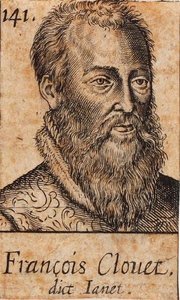
弗朗索瓦·克卢埃
1510 - 1572 , 法国
快速概览
- Artistic Movement Or Style: 文艺复兴肖像画
- Artists Or Movements Influenced By This Artist: ['法国肖像画家']
- Artists Who Influenced This Artist:
- 让·克卢埃
- 列奥纳多·达·芬奇
- Date Of Birth: 约 1510年
- Date Of Death: 1572年
- Full Name: 弗朗索瓦·克卢埃
- Nationality: 法国
- Notable Artworks:
- 情书
- 亨利二世肖像
- 法国国王弗朗索瓦一世
- 苏格兰女王玛丽
- Place Of Birth: 法国图尔
相关文章
巴黎奥赛博物馆25幅杰作:印象派与后印象派的艺术之旅 | OriginalUniqueArt
探索巴黎奥赛博物馆25幅杰作!深入了解莫奈、梵高、德加等大师的经典作品,感受印象派与后印象派的艺术魅力。OriginalUniqueArt提供精美油画复制品,为您的家居增添永恒之美。立即在线发现更多名画!

Charles-François Daubigny: Pioneering Atmospheric Light & Barbizon Realism
Explore the life & art of Charles-François Daubigny, a pivotal Barbizon School painter. Discover his innovative landscapes, mastery of light, and influence on Impressionism. High-quality reproductions available.
François Boucher: Rococo Master of Myth, Sensuality, and the French Court
Explore the captivating world of François Boucher, master of Rococo painting! Discover his iconic works, aristocratic patronage, and lasting influence on French art history. Learn more at OriginalUniqueArt.

François Flameng: Bridging Academic Tradition & Impressionistic Sensibility
Explore the captivating works of François Flameng, a celebrated French painter bridging academic tradition & Impressionistic sensibilities. Discover his portraits, landscapes, and poignant WWI art with insights from OriginalUniqueArt.

Jean-François Millet: Realism, Rural Life & the Poetic Depiction of Labor
Explore the life & work of Jean-François Millet, a founder of Realism. Discover his poignant depictions of rural France, iconic paintings like 'The Angelus,' and lasting influence on art history. Learn more at OriginalUniqueArt.
