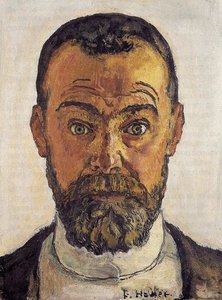
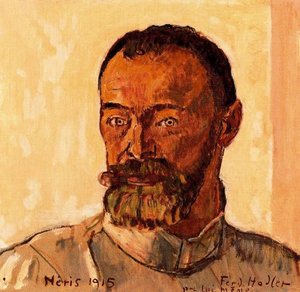
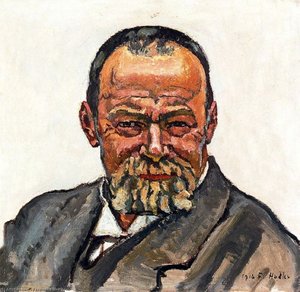
油画原件
 关于 Day (Truth) 的一切







































 对于任何边长超过 105 厘米(约 41 英寸)的艺术品或复制品,画框将以拆解后的组件形式发货。此方法可确保安全送达并防止运输过程中的损坏。


Identification of the Artwork and Artist
The canvas known as Day (Truth) emerges from the hand of Ferdinand Hodler, a significant figure in the evolution of Swiss art. Created about 1906, this work captures a moment of profound stillness. It exists at the intersection of Symbolism and Landscape Painting, reflecting the shifting tides of 19th-century artistic thought. The piece carries the weight of a specific era, where the boundaries between the physical world and the spiritual realm begin to blur.
Ferdinand Hodler brings a unique vision to this composition, moving away from the strictures of realism to explore deeper rhythms of existence. In Day (Truth), the artist seeks to translate the essence of a single moment into a visual language of form and light. The work belongs to a period where the landscape becomes a vessel for existential reflection, a place where the human presence and the natural environment are inextricably linked through a shared, rhythmic geometry.
Composition and Visual Elements
The canvas unfolds with a monumental presence, capturing a moment where the first light of dawn breathes life into the very concept of unity. A serene arrangement of figures mirrors the unfolding morning, creating a rhythmic, visual heartbeat that pulses through the scene. These figures, depicted in states of nakedness, move through the landscape in a way that suggests the unfolding stages of daybreak. Their postures, much like blossoming petals, seem to respond to the increasing brightness of the sky, weaving human form into the very rhythm of the natural world.
Symmetry governs the space, establishing a sense of cosmic harmony that feels both tranquil and profoundly powerful. This structural order is defined by rhythmic symmetry and deep, espresso-toned shadows that anchor the composition. The eye is guided by the horizon line and the movement of the clouds, leading toward a central focus that symbolizes a spiritual awakening. Through this deliberate arrangement, the painting transcends a simple landscape, becoming a meditation on existence itself, where the physical and the spiritual are bound together by a shared, geometric grace.
Technical Details and Medium
The medium of oil on canvas breathes life into this composition, allowing for a layering of thin washes that build an atmospheric effect. These layers create a soft, diffused light that wraps around the figure, casting a gentle glow that avoids harsh shadows. The texture of the work reveals a subtle interplay between the smooth, ethereal quality of the sky and the palpable roughness of the rocky base. Every brushstroke contributes to a sense of weight and permanence, grounding the spiritual essence of the scene in physical substance.
This work functions as a masterclass in Symbolism, where the artist employs his signature theory of parallelism to structure the visual experience. Rhythmic patterns emerge through the arrangement of forms, mirroring the natural order of the cosmos. The composition moves with a rhythmic, visual heartbeat, capturing the ephemeral beauty of daybreak and transforming it into a structured, eternal presence. Through this deliberate application of geometry and repetition, the painting transcends mere representation to touch upon the profound rhythms of existence.
常见问题与解答
Day (Truth)是手绘的还是印刷的?
手工绘制:由受过专业训练的画家在亚麻画布上,以油画形式临摹 Day (Truth)。
Day (Truth) 我该选择什么尺寸?
尺寸范围从 43.9 x 22.8 cm (¥1338) 到 245.8 x 127.8 cm (¥8123);本页表格列出了主要步骤及其价格。
物流需要多长时间?
送货时间为 4 至 5 周,并提供全球免费快递服务;本页面还提供加急制作选项。您可以在 100 天内无条件退货并获得全额退款。
《Day (Truth)》的原作在哪里?
原作收藏于芝加哥的芝加哥艺术学院。
费迪南德·霍德勒 在创作《Day (Truth)》时使用了什么媒介?
Oil On Canvas
 实景预览

 分享
 分享
 详情
 详情页


 下载作品
 相似作品
 X射线
 幻灯片播放
 问答

 统计数据