

 效果预览
效果预览
 购买手绘画作
 分享
分享 分享
分享
 详情
详情

 下载
下载
 相似作品
相似作品 X射线
X射线 幻灯片播放
幻灯片播放Mountain landscape


 展开详情
展开详情




P118B $10

P118H $10

P118W $10

P438Z $10

P508JH $12

P508YH $12

P805H $10

P805Z $10

P919BZ $10

P919G $10

P919XJ $10

P959ZH $10

P968JZ $12

W106C $8

W218G $10

W218JH $8

W218Y $10

W307PJ $10

W316G $10

W316PJ $8

W316Y $10

W398PJ $8

W4111J $10

W500HY $15

W500JH $15

W692G $12

W849H $8

W940BG $15

W953PJ $8




从与原作比例一致的预设尺寸中进行选择。

您可以输入自定义尺寸,以适配特定的画框或空间。如果您选择的尺寸与原图比例不符,我们将对作品进行裁剪,或通过镜像填充/纯色填充边缘的方式来扩展图像。在开始制作之前,我们会向您发送一份数字效果图供您确认。
请注意,屏幕上的预览并不能反映实际的裁剪或扩展效果。只有效果图才能准确展示最终的构图。
虽然我们提供定制尺寸,但为了保持原图比例,我们建议您从预设列表中选择尺寸。


 玻璃选项仅适用于110厘米以下的尺寸。

Mountain landscape
艺术微喷/版画
复制品尺寸
-


最终总价
$ 80
藏品详情
A Journey Into Gauguin’s Soul: “Mountain Landscape”
Paul Gauguin's "Mountain Landscape," painted in 1882, isn’t merely a depiction of a hillside; it’s a profound distillation of the artist’s evolving vision and his yearning for a deeper connection with nature and spirituality. Emerging from the vibrant, yet ultimately superficial, world of Impressionism, Gauguin embarked on a radical shift—a deliberate rejection of objective representation in favor of subjective experience and symbolic resonance. This painting stands as a pivotal moment in that transformation, showcasing a nascent style that would profoundly influence generations of artists to come. The scene itself is deceptively simple: a rugged, almost primordial landscape dominated by towering mountains and a swirling, cloudy sky. Yet, within this apparent simplicity lies a complex interplay of color, texture, and emotion—a testament to Gauguin’s innovative approach to capturing the essence of his subject. He wasn't striving for photographic accuracy; instead, he sought to translate the *feeling* of being amidst such grandeur, an experience deeply rooted in personal intuition and spiritual contemplation.- The Palette of Emotion: Gauguin’s masterful use of color is immediately striking. Gone are the delicate pastel hues of Impressionism; here, we encounter a bolder, more assertive palette—deep greens, rich browns, ochre yellows, and dramatic blues. These aren't colors that simply describe the landscape; they *become* the landscape itself, imbued with an emotional charge. The vibrant greens suggest life and vitality, while the earthy browns ground the scene in a sense of solidity and permanence. The sky, rendered in swirling shades of blue and grey, evokes both serenity and turbulence—a reflection perhaps of Gauguin’s own inner turmoil during this period of intense artistic exploration.
- Brushstrokes as Voices: Gauguin's distinctive brushwork is equally crucial to the painting’s impact. His strokes are not smooth or blended; they are loose, expressive, and often deliberately uneven. These visible marks—a hallmark of his style—inject a sense of movement and energy into the scene, suggesting the constant flux of nature and the artist’s own restless spirit. The brushstrokes seem to dance across the canvas, creating a tactile quality that invites the viewer to reach out and touch the landscape.
- A Departure from Realism: Notice how Gauguin simplifies forms—the mountains are not meticulously rendered but rather suggested through broad masses of color and texture. This simplification isn’t an act of carelessness; it's a deliberate choice to prioritize emotional impact over literal representation. He is less concerned with depicting *what* he sees than with conveying *how* he feels about what he sees.
The Context of Transformation: Gauguin and Post-Impressionism
To fully appreciate “Mountain Landscape,” it’s essential to understand its place within the broader context of Post-Impressionism—a movement that arose in reaction to the limitations of Impressionism. While Impressionists sought to capture fleeting moments of light and color, Post-Impressionist artists like Gauguin aimed to delve deeper into the underlying emotions and symbolic meanings of their subjects. They rejected the purely optical approach of Impressionism, embracing a more subjective and expressive style. Gauguin’s journey began in Paris, where he initially experimented with Impressionistic techniques. However, disillusioned by what he perceived as its superficiality, he sought refuge in Brittany, immersing himself in rural life and drawing inspiration from Celtic folklore and mythology. This experience profoundly shaped his artistic vision, leading him to develop a style characterized by bold colors, simplified forms, and symbolic imagery—a style that would become synonymous with Post-Impressionism. Key Influences:- Synthetism: Gauguin’s exploration of Synthetism – an artistic style focused on the synthesis of form and color – is evident in this work.
- Primitivism: His fascination with non-Western cultures, particularly those of Tahiti, fueled his desire to strip away Western conventions and embrace a more primal, intuitive approach to art.
Decoding the Symbolism
“Mountain Landscape” isn’t simply a landscape painting; it's a visual poem—a meditation on nature, spirituality, and the human condition. The towering mountains themselves can be interpreted as symbols of strength, permanence, and the sublime—evoking a sense of awe and humility in the face of nature’s grandeur. The swirling clouds suggest both tranquility and turbulence, reflecting the complexities of life and the artist's own inner struggles. Notably, the absence of human figures reinforces this focus on the landscape itself, transforming it into a sacred space—a realm where the viewer can connect with something larger than themselves. Gauguin was deeply interested in exploring themes of spirituality and mythology, often incorporating symbolic elements into his work to convey hidden meanings. The painting invites contemplation: What does the rugged terrain represent? How does the sky’s movement affect your mood?A Legacy of Innovation
“Mountain Landscape” is a remarkably prescient work—a harbinger of the radical artistic movements that would emerge in the early 20th century. Gauguin's bold experimentation with color, texture, and symbolism paved the way for Expressionism, Fauvism, and other avant-garde styles. His willingness to challenge conventional notions of representation and embrace a more subjective approach to art continues to inspire artists today. Reproductions of this iconic painting offer a unique opportunity to experience Gauguin’s visionary spirit—to step into his world and contemplate the timeless beauty and profound mystery of the natural landscape.艺术家简介
以大胆笔触绘就的一生:高更的世界
尤金·亨利·保罗·高更,这个名字本身便充满了鲜艳的色彩与叛逆的精神,他是从印象派向现代艺术过渡的关键人物。1848年出生于巴黎,他的一生绝非循规蹈矩。他的早年岁月深受一种不同寻常的成长环境影响:父亲是一名记者,而母亲则拥有秘鲁贵族血统——她的祖母弗洛拉·特里斯坦是一位先驱性的女性主义者和社会主义作家,其理想无疑在家族中留下了深远的印记。这种文化传承深刻地塑造了高更的艺术视野,使他对欧洲以外的文化产生了持久的痴迷。1850年,随着家人移居秘鲁,童年时期在那里的生活让他沉浸在一个与巴黎社会截然不同的世界中,这段经历在他心中挥之不去,并最终成为了他在艺术中追求真实性的动力。父亲去世后回到法国,高更接受了正规教育,但他发现自己并不向往学术界,反而被蓬勃发展的金融世界所吸引,开启了证券经纪人的职业生涯——这条道路似乎与等待着他的艺术天命背道而驰。从金融界到艺术天职
多年来,高更过着一种双重生活,在勤勉经营商业事业的同时,暗自培养着对绘画的热爱。起初,他受到印象派的影响,开始在业余时间尝试色彩与光影的运用,但很快便感到受困于他们致力于捕捉现实中转瞬即逝瞬间的局限性。1882年的经济危机成为了一个转折点,迫使他放弃了利润丰厚的职业,全身心地拥抱艺术天职。这不仅仅是职业的转变,更是世界观的根本性重塑。他向卡米耶·皮萨罗寻求指导,后者鼓励了他的发展,并将其引入巴黎的前卫艺术圈。然而,高更很快开始背离印象派的原则,渴望一种更具表现力、更具象征意义的手段——一种不仅能传达他“所见”,更能传达他“所感”的方式。这种渴望引领他踏上了一场艺术探索之旅,带他远离巴黎的沙龙,深入到“原始”文化的腹地。他并不只是对描绘这些文化感兴趣;他试图吸收它们的精髓,坚信其中蕴含着西方文明早已失落的纯真。布列塔尼与大溪地的召唤
高更艺术进化的历程与其旅行轨迹密不可分。他曾在布列塔尼停留,被那里崎岖的景观和根深蒂固的民俗所吸引。这一时期,他开始尝试扁平化的形式、大胆的轮廓线以及构图的简化——这些技术使他进一步远离自然主义,向更具象征性的语言靠拢。然而,真正释放其创作潜能的是1s1891年的大溪地之旅。为了逃避他所认为的欧洲文明那令人窒息的束缚,高更希望在波利尼西亚文化中寻找灵感,相信那里提供了一种更纯粹、更真实的生活方式。这不仅仅是一场艺术追求,更是一场精神探寻。他沉浸在当地的风俗与信仰之中,通过自己独特的视角描绘波利尼西亚女性、风景以及宗教仪式。受日本版画——日本主义——以及中世纪艺术的影响,他发展出了一种以鲜艳色彩、异域主题和神秘气息为特征的独特美学。“女人与芒果”、“被死灵注视者”以及“众神之日”等经典杰作均诞生于这一时期,巩固了他作为远见艺术家的地位。他的色彩运用变得愈发大胆且非自然主义,其目的不再是复制现实,而是为了表达情感与精神内涵。遗产与争议
尽管取得了艺术上的突破,高更的一生却往往充满了艰辛。在塔希提以及后来定居的马奎萨斯群岛期间,他一直与经济困难和日益衰弱的健康状况作斗争。然而,他依然保持着高产的创作状态,不懈地探索生命、死亡与精神性的主题。1903年,他逝世于马奎萨斯群岛偏远的希瓦奥阿岛,当时他的天才尚未得到广泛认可。直到去世后,高更的作品才开始获得应有的赞誉。如今,他被视为现代艺术发展史上的关键人物,连接了印象派与象征主义,并为野兽派等运动铺平了道路。他对色彩的使用、简化的形式以及象征性的意象深刻影响了毕加索、亨利·马蒂斯以及无数后世艺术家。然而,由于其个人生活中的某些方面——特别是他与年轻波利尼西亚女性的关系——高更仍是一个充满争议的人物,这些问题在当代伦理考量下持续引发讨论与重新解读。尽管如此,他的艺术贡献是不容置疑的,他的遗产继续激励着全世界的艺术家和艺术爱好者。他是一位真正的创新者,一个敢于挑战传统并开辟自身道路的叛逆者,留下了一部如其人本身般迷人且神秘的艺术瑰宝。核心影响与艺术特征
- 印象派:早期在色彩与光影方面的影响,后因其过于关注转瞬即逝的现实而被他摒弃。
- 日本主义:启发了扁平化的透视、大胆的轮廓线以及装饰性的图案。
- 中世纪艺术:影响了其象征性的意象表达及对严格写实主义的拒绝。
- 综合主义:由高更发展的一种风格,强调基于主观经验而非客观观察来进行艺术创作。
- 原始主义:对非西方文化的痴迷,相信它们提供了更真实、更具精神性的生活方式,这体现在他的题材选择与风格特征之中。
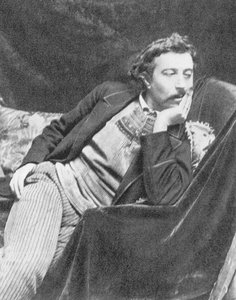
欧几何亨利·保罗·古尔涅
1848 - 1903 , 法国
艺术家简介
- Artistic Movement Or Style: 印象派、象征主義
- Artists Who Influenced This Artist: ['卡米爾·柯羅']
- Date Of Birth: 1848年6月7日
- Date Of Death: 1903年5月8日
- Full Name: Eugène Henri Paul Gauguin
- Nationality: 法國人
- Notable Artworks:
- 清輝
- 瓦希尼·諾·泰米
- Place Of Birth: 巴黎,法國
相关文章

保罗·塞尚:25幅大师杰作,重塑现代艺术与家居美学 | OriginalUniqueArt
探索保罗·塞尚25幅经典杰作!深入了解后印象派大师的艺术生涯、独特技法与色彩运用。OriginalUniqueArt提供高清油画复制品,为您的家居带来博物馆级艺术体验。立即发现更多名画,点亮生活空间!

保罗·克利25幅杰作:色彩与形式的艺术之旅 | OriginalUniqueArt
探索保罗·克利25幅杰作,领略抽象艺术的魅力!深入了解克利作品背后的故事、色彩构成与艺术灵感。OriginalUniqueArt.com提供高清油画复制品,为您的家居装饰增添艺术气息。立即在线探索完整系列!
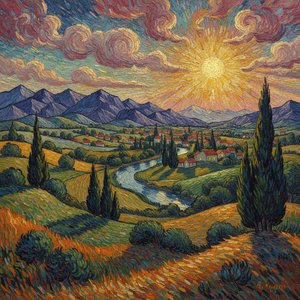
Beyond Impressionism: The Emotional Depth and Vibrant Evolution of Post-Impressionist Landscapes
Explore the profound evolution of Post-Impressionist landscapes. From Van Gogh's emotional brushwork to Cézanne's structural mastery, discover how these visionaries redefined art history through color and form in this expert guide for fine art enthusiasts.
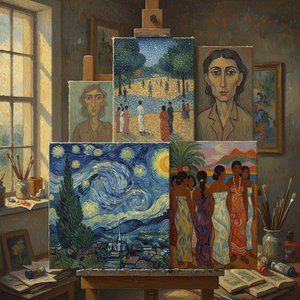
印象主义之外:探索后印象派绘画的情感深度
深入探索后印象派绘画的情感深度,解读塞尚、梵高、高更等大师的艺术创新。OriginalUniqueArt提供专业的艺术史分析与高清作品欣赏,助您领略现代艺术魅力!
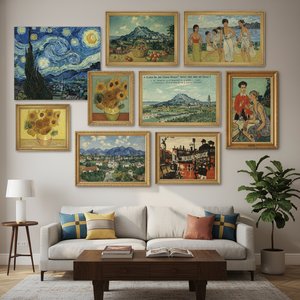
后印象主义十大名作:重塑艺术,点亮生活美学
探索后印象主义的十部杰作,从梵高的星空到高更的塔希提风情。了解艺术大师背后的故事与技法,感受色彩与光线的魅力。OriginalUniqueArt.com为您提供博物馆品质的画作复制和精选家居装饰方案,点亮您的生活美学!



