
 实景预览
实景预览
 分享
分享 分享
分享
 详情
详情 指南
指南

 下载作品
下载作品
 相似作品
相似作品 X射线
X射线 幻灯片播放
幻灯片播放 Q&A
Q&A 统计数据
统计数据The Jungfrau


 展开全文
展开全文
艺术微喷/版画
博物馆级艺术微喷或帆布版画,制作高效,并提供多种饰面选择。 ( 订购纯手工绘制画作 切换至数字图像销售渠道)




P118B ¥10

P118H ¥10

P118W ¥10

P438Z ¥10

P508JH ¥12

P508YH ¥12

P805H ¥10

P805Z ¥10

P919BZ ¥10

P919G ¥10

P919XJ ¥10

P959ZH ¥10

P968JZ ¥12

W106C ¥8

W218G ¥10

W218JH ¥8

W218Y ¥10

W307PJ ¥10

W316G ¥10

W316PJ ¥8

W316Y ¥10

W398PJ ¥8

W4111J ¥10

W500HY ¥15

W500JH ¥15

W692G ¥12

W849H ¥8

W940BG ¥15

W953PJ ¥8




您可以从与原作比例一致的预设尺寸中进行选择。

请输入您所需的宽度和高度,以适配您的画框或墙面。由于印刷品只能进行裁剪,无法超出原图尺寸,因此若比例不一致,画面的一部分将会被裁切。在正式印刷之前,我们会为您发送一份数字效果图供您确认。本页面显示的图片并非最终裁剪后的效果——只有效果图才能展示真实的裁剪情况。


 玻璃选项仅适用于110厘米以下的尺寸。

The Jungfrau
艺术微喷/版画
复刻品尺寸
-


最终结算价
¥ 537
A Breath of the Bernese Alps: Edward Theodore Compton’s ‘The Jungfrau’
Edward Theodore Compton's “The Jungfrau” isn’t merely a depiction of a mountain landscape; it’s an immersive experience, a frozen moment of awe and reverence for the raw power and sublime beauty of the Swiss Alps. Painted in 1890, this work stands as a pivotal example of early alpine watercolor, showcasing Compton's unique ability to capture not just the visual grandeur but also the very *feeling* of being amidst these colossal peaks. The painting immediately draws the eye into its heart – the imposing silhouette of the Jungfrau itself, rendered with a delicate yet confident hand, dominating the composition and radiating an almost palpable sense of majesty.

(Image: A portrait of Edward Theodore Compton, the artist behind ‘The Jungfrau’)
The Pioneer of Alpine Watercolor
Born in 1849, Edward Theodore Compton was a singular figure in late 19th-century European art. His journey to Darmstadt, Germany, fueled by his Quaker upbringing's emphasis on simplicity and observation, proved transformative. It was here he truly honed his skills, immersing himself in the vibrant artistic community led by Grand Duke Ludwig III. Compton’s dedication to meticulous observation is evident in every brushstroke of “The Jungfrau.” He wasn’t simply copying what he saw; he was translating a profound emotional response – a sense of humility and wonder – onto the canvas. His self-taught approach, combined with his experiences as a mountaineer (making over 300 ascents), imbued his work with an unparalleled understanding of alpine terrain and light.
Technique and Composition: A Symphony of Light and Shadow
Compton’s mastery lies in his watercolor technique. He employs a broken brushstroke method, layering translucent washes to build up the forms of the mountains – the snow-capped peaks shimmering with reflected sunlight, the shadowed valleys hinting at hidden depths. The composition itself is carefully balanced, drawing the viewer's eye upwards towards the Jungfrau’s summit while simultaneously grounding it in the lush greenery of the foreground. Notice how he uses atmospheric perspective—the subtle blurring of details and colors as they recede into the distance—to create a convincing sense of depth and scale. The scattered figures within the scene, likely tourists enjoying the view, aren't mere additions; they serve to emphasize the vastness of the landscape and our own insignificance in its presence.
Symbolism and Emotional Impact
“The Jungfrau” transcends a simple landscape painting. It embodies the Romantic fascination with nature’s power and beauty, reflecting a desire for escape and spiritual renewal. The Jungfrau itself – named after the Virgin Mary – adds a layer of religious symbolism, suggesting a connection between humanity and the divine within this awe-inspiring environment. The painting evokes a powerful sense of tranquility, solitude, and perhaps even a touch of melancholy—a recognition of the sublime and our own fleeting existence in the face of such enduring grandeur. It’s a piece that invites contemplation, prompting us to consider our place within the natural world and the timeless beauty of the Alps.
常见问题与解答
"The Jungfrau" 的创作艺术家是谁?
《The Jungfrau》被归为爱德华·西奥多·康普顿的作品。
爱德华·西奥多·康普顿 的《The Jungfrau》 传达了怎样的情感?
“The Jungfrau” 传达出一种 Tranquil 的情感。这种情感基调描述了作品给人的印象。
"The Jungfrau" 创作于哪一年?
"The Jungfrau"创作于1890年。这一时期将该作品置于爱德华·西奥多·康普顿的艺术生涯及其所处时代之中。
艺术家简介
爱德华·西奥多·康普顿:阿尔卑斯水彩画的先驱
在19世纪末至20世纪初欧洲的艺术版图中,爱德华·西奥多·康普顿(Edward Theodore Compton)是一个独一无二的存在,他的一生是艺术与冒险交织的非凡见证。1849年出生于伦敦斯托克牛顿,康普顿在贵格会家庭的成长背景,赋予了他对简约与道德正直的深刻理解——这些价值观无疑塑造了他的艺术视野。尽管他曾就读于包括皇家艺术学院在内的多所艺术院校,但他更多地依靠自学,通过细致入微的观察和不懈的实验来磨炼技艺。1867年前往德国达姆施塔特的旅程成为了他生命的转折点,使他步入了由路德维希三世大公领导的充满活力的艺术圈层,并从此开启了对阿尔卑斯山脉风景持久而深沉的痴迷。- 早期影响:康普顿的 formative 岁月浸润在贵格会的精神世界中,并在父亲对艺术的热爱熏陶下成长,这使他得以接触到克劳德·莫奈和皮埃尔-奥古斯特·雷诺阿等极具影响力的印象派画家。
- <学术训练与达姆施塔特:虽然他并未正式从皇家艺术学院毕业,但通过与黑森公主爱丽丝一同学习,康普顿从中获益匪浅,不仅在艺术技法上积累了宝贵的经验,还在蓬勃发展的艺术圈中建立了深厚的人脉。
对阿尔卑斯的痴迷:从素描到杰作
1868年,一次前往伯尔尼高地的变革之旅点燃了康普顿终其一生对捕捉阿尔卑斯壮丽景观的使命感,尤其是那标志性的三座高峰——艾格峰、僧侣峰与少女峰。那令人屏息的壮阔全景深深俘获了他的灵魂,激发了一系列此后便成为阿尔卑斯艺术代名词的水彩画作。他细致入微的素描记录了崎岖的地形与剧烈变化的光影,在展现艺术敏感度的同时,也体现了对写实准确性的坚定追求。这段经历让他坚信,观察的力量正是艺术创作的基石。- 技法:康普顿拥有独特的艺术风格,他通过在纸上层层叠加稀薄的水彩颜料,营造出一种通透的光泽感,传达出高山景观中那种空灵而超脱的美感。
- 代表作品:在他最负盛名的画作中,包括《德国:瓦尔多尼埃森林》以及《德国:格罗曼峰与(右侧)五指峰》,这些作品完美诠释了他对阿尔卑斯远景的大师级刻画。
登山者的视角:画布之外的世界
康普顿不仅仅是一位画家,更是一位无畏的登山家。他曾攀登过300多座高峰,其中包括27次首登——这一卓越成就奠定了他作为英国最顶尖登山家之一的地位。他在奥地利、斯堪的纳维亚、北非、科西嘉和西班牙的远征,为他的艺术创作提供了无尽的视觉素材,使他的构图充满了对高山环境的第一手感悟。其摄影作品《德国:从阿尔普贝尔东坡看到的阿拉林、施特拉尔与林普费希峰》展示了康普顿将地形准确性与艺术远见完美结合的执着。- 对艺术的影响:康普顿的登山壮举深刻地影响了他的艺术创作,为他的画作注入了一种动态的力量感,并传达了登山者在面对险峻地形时所面临的挑战。
- 艺术遗产:康普顿对阿尔卑斯艺术的贡献是不容置疑的;他将水彩画提升到了新的高度,使其成为了描绘高山景观、展现无与伦比的美感与写实主义的首选媒介。
康普顿别墅与持续的艺术探索
1874年,康普顿定居在施塔恩贝格湖畔的费尔达芬,与妻子奥古斯特·普洛茨共同建立了一个宁静的家园,营造出了一个利于艺术追求的环境。他从未停止过远行,通过水彩和水墨画记录下每一次心灵的触动——这是对他永无止境的好奇心与艺术冲动的最好证明。他的作品不仅反映了阿尔卑斯山脉的宏伟壮丽,更捕捉到了光影与大气中细微的变幻,展现了他对印象派技法的精湛掌控。- 晚年事业:康普顿的艺术产出在其一生中始终保持着旺盛的生命力,展现了他在面对不同题材与媒介时卓越的适应能力。
- 历史意义:康普顿的遗产早已超越了他的艺术成就;他化身为探索精神与创造力的象征——一个将对艺术的热爱与大胆的冒险完美融合的传奇人物。
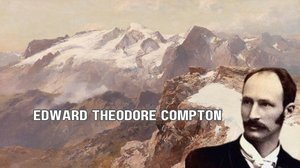
爱德华·西奥多·康普顿
1849 - 1921
艺术家简介
- Artistic Movement Or Style: 阿尔卑斯艺术
- Artists Or Movements Influenced By This Artist: ['印象派']
- Artists Who Influenced This Artist: ['']
- Date Of Birth: 1849
- Date Of Death: 1921
- Full Name: 爱德华·西奥多·康普顿
- Nationality: 英国
- Notable Artworks:
- 德语:瓦尔多尼埃洛森林中
- 德语:格罗曼峰与(右侧)五指峰
- Place Of Birth: 伦敦,斯托克纽恩顿
相关文章

Ephemeral Visions: Exploring the Artistic Legacy & Contemporary Practice of Watercolor Painting
Explore the captivating world of watercolor painting! Discover its rich history, essential techniques, influential artists & collecting tips. A comprehensive guide for art enthusiasts from OriginalUniqueArt.

Watercolor Wonders: 10 Masterpieces That Redefined Art History | OriginalUniqueArt
Journey through 10 legendary watercolor masterpieces by Sargent, Turner & Homer! Explore iconic landscapes, portraits & floral art that redefined history. Find museum-quality reproductions and curated decor ideas at OriginalUniqueArt.com.

Liquid Gold: Master the Bold & Fluid Power of Watercolor Art
Unlock the bold energy of watercolor art. From historical masterpieces to custom photo-to-watercolor transformations, discover how to master the fluid power of light and pigment for your modern space. Expertly curated, high-impact art for the contemporary collector.

水彩艺术的流光溢彩:历史渊源、情感共鸣与现代实践
探索水彩艺术的流光溢彩!深入了解其历史渊源、大师技法与现代实践。提供专业的艺术咨询、定制油画服务,助您收藏和鉴赏优秀作品。OriginalUniqueArt.com – 您的艺术之选。

Ephemeral Visions: Exploring the Artistic Legacy & Nuances of Watercolor Painting
Explore the captivating world of watercolor painting! Discover its rich history, essential techniques, influential artists & collecting tips from art experts. A comprehensive guide for enthusiasts.