

 效果预览
效果预览
 分享
分享 分享
分享
 详情
详情

 下载
下载
 相似作品
相似作品 X射线
X射线 幻灯片播放
幻灯片播放 Stats
StatsThe Tragic Actor


 展开详情
展开详情
手工油画复制品
由我们的艺术家按需定制,为您提供您所选尺寸及画框的布面手工油画。 ( Switch to Print Switch to Digital Image)




P118B $10

P118H $10

P118W $10

P438Z $10

P508JH $12

P508YH $12

P805H $10

P805Z $10

P919BZ $10

P919G $10

P919XJ $10

P959ZH $10

P968JZ $12

W106C $8

W218G $10

W218JH $8

W218Y $10

W307PJ $10

W316G $10

W316PJ $8

W316Y $10

W398PJ $8

W4111J $10

W500HY $15

W500JH $15

W692G $12

W849H $8

W940BG $15

W953PJ $8




从与原作比例一致的预设尺寸中进行选择。

您可以输入自定义尺寸,以适配特定的画框或空间。如果所选尺寸与原图比例不符,我们将通过裁剪作品或添加手绘元素来扩展画面。数字样稿将在制作开始前发送给您确认。
请注意,屏幕预览无法准确反映实际的裁剪或扩展效果,只有样稿才能真实呈现最终的构图。
虽然我们提供定制尺寸服务,但为了保留原作比例,建议您从预设列表中选择尺寸。
下单后,OriginalUniqueArt.com 团队将通过电子邮件联系客户获取具体要求,并提供效果预览图。


 玻璃选项仅适用于110厘米以下的尺寸。

The Tragic Actor
复制材质
复制品尺寸
-


最终总价
$ 300
The Tragic Actor: A Window into 19th-Century Theater and Manet’s Modern Vision
Édouard Manet's “The Tragic Actor” (1865) is more than just a depiction of a stage performer; it’s a carefully constructed tableau brimming with symbolism, challenging conventions, and offering a profound glimpse into the artistic landscape of mid-19th century Paris. Housed within the National Gallery of Art in Washington D.C., this oil on canvas painting immediately draws the viewer in with its dramatic lighting and the central figure—a man enveloped in a richly textured costume, holding a prop sword, and radiating an aura of intense emotion.
The scene unfolds on what appears to be a darkened stage, though the background is deliberately vague, almost dissolving into shadow. The actor, identified as Philibert Rouvière, stands poised, his posture echoing the classic theatrical pose—a deliberate reference to earlier masters like Velázquez and Poussin. This isn’t simply a portrait; it's an *arrangement*, a carefully orchestrated composition designed to evoke a specific mood. Manet masterfully employs chiaroscuro – the dramatic contrast between light and dark – to sculpt the figure, emphasizing his musculature and highlighting the weight of his costume. The use of strong shadows creates a sense of depth and drama, pulling the viewer into the performance.
A Fusion of Realism and Artistic Tradition
Manet’s approach was revolutionary for its time. While rooted in academic traditions – he initially studied under Thomas Couture – “The Tragic Actor” moves decisively beyond mere imitation. He skillfully blends realism with a heightened sense of theatricality, drawing inspiration from the world of opera and theater, which were immensely popular during this period. The costume itself is a key element, rich in detail and suggesting a character steeped in tragedy—a reference to Shakespeare’s Hamlet, as evidenced by the actor's pose and the inclusion of a feathered hat reminiscent of the Prince’s iconic headwear.
The prop sword, held with deliberate intensity, adds another layer of meaning. It symbolizes both power and vulnerability, reflecting the precarious nature of an actor’s career and the inherent drama of his profession. The bird perched on the sword further amplifies this sense of fragility and perhaps even foreshadowing—a subtle nod to the themes of fate and destiny often explored in tragic narratives.
Technique and Context: Impressionism's Early Seeds
The painting’s execution showcases Manet’s distinctive style – bold brushstrokes, vibrant colors, and a willingness to depict modern life with unflinching honesty. He utilized oil on canvas, a common medium for the time, but his application was markedly loose and expressive, anticipating the techniques of Impressionism that would soon emerge. The National Gallery of Art's collection, encompassing works by both Manet and Monet, provides valuable context for understanding this transition in artistic style.
Furthermore, “The Tragic Actor” reflects the broader social and cultural shifts occurring in 19th-century France. The rise of theater as a popular form of entertainment, coupled with growing interest in realism and social commentary, created fertile ground for artists like Manet to challenge established conventions. His work was initially met with mixed reactions – some critics praised his innovative approach, while others condemned its perceived lack of polish or adherence to traditional artistic standards.
A Reproduction Worth Cherishing
OriginalUniqueArt offers meticulously crafted, handmade oil painting reproductions of “The Tragic Actor,” allowing art lovers to own a tangible piece of this pivotal work. These reproductions faithfully capture the original’s dramatic lighting, rich textures, and emotional intensity, bringing Manet's vision to life in a stunningly authentic way. Beyond its aesthetic value, "The Tragic Actor" serves as a powerful reminder of Manet’s enduring legacy as one of the most important figures in modern art – an artist who dared to break with tradition and pave the way for future generations.
To explore more works by Édouard Manet or to commission your own reproduction, please visit OriginalUniqueArt’s dedicated page.
艺术家简介
巴黎叛逆者:埃杜瓦·马奈的一生与艺术
埃杜瓦·马奈,1832 年出生于巴黎一个舒适的资产阶级家庭,似乎注定无法成为一位革命性的艺术家。他的父亲是一位受人尊敬的法官,希望儿子能在法律或海军领域获得稳定的未来——这些职业符合他们的社会地位。然而,即使在他还是个小男孩的时候,马奈的心就属于艺术。十一岁时,他开始接受正式的绘画课程,尽管后来短暂地师从学院派画家托马斯·库图尔,但他很快发现库图尔僵化的方法令人窒息。这种早期的抵制预示着他将一生都在挑战艺术惯例。马奈对简单复制过去不感兴趣;他致力于捕捉现代巴黎生活的活力——有时甚至是它令人不安的现实。他经常光顾卢浮宫,并非仅仅为了临摹大师的作品,而是为了剖析他们的技巧,从卡拉瓦乔和委拉斯凯兹等艺术家那里学习如何运用明暗来塑造形式并唤起情感。然而,真正点燃马奈创造性道路的是艺术潮流的转变,特别是古斯塔夫·库尔贝倡导的现实主义的兴起。库尔贝坚持描绘没有理想化的日常生活与马奈产生了深刻的共鸣,使他摆脱了历史或神话题材的束缚。打破传统:丑闻与创新
1860 年代是巴黎艺术激荡不安的时期,马奈发现自己正处于其中心。日本浮世绘的传入对他的美学情趣产生了深刻的影响。他被它们扁平透视、大胆构图和引人注目的色彩所吸引,这些元素将成为他自身风格的标志。这种影响与他对学院派精致日益增长的拒绝相结合,导致了震惊并丑化巴黎艺术界的作品。《草地上的午宴》(Le Déjeuner sur l'herbe)于 1863 年在被拒展览(Salon des Refusés)上展出——这是一个为官方沙龙拒绝的作品而设立的展览——成为了争议的焦点。这幅画描绘了一个裸女与两个穿着得体的男人一起野餐,并非仅仅在于裸露本身;而是关于这种裸露是如何呈现的。马奈的人物缺乏传统裸体作品中理想化的形式和神话背景。它们无疑是现代的,以一种令人不安的直接性让观众直面现实。《草地上的午宴》周围的丑闻随着他 1865 年的杰作《奥林匹亚》(Olympia)而加剧。这幅画是对提香《乌尔比诺的维纳斯》的刻意重塑,呈现了一位当代妓女大胆地凝视着观众。毫不妥协的现实主义和挑衅的主题受到了广泛谴责。评论家指责马奈粗俗和艺术无能,但愤怒之下却认识到他正在从根本上改变绘画语言。通往印象派的桥梁:光、笔触与现代生活
虽然马奈从未完全接受“印象派”的称号,但他对该运动的影响是不可否认的。他们分享了对学院派惯例的拒绝以及捕捉光线和氛围转瞬即逝效果的承诺。他与莫奈、雷诺阿、德加等艺术家一起在印象派独立展览中展出,巩固了他作为前卫阵地的关键人物的地位。马奈的技术逐渐转向更松散的笔触,优先考虑形式的印象而非精确的细节。他对色彩进行了实验,经常使用鲜明的对比来创造戏剧性的效果。除了有争议的裸体画外,马奈还探索了各种各样的主题:肖像——包括对他的妻子苏珊娜和艺术家埃米尔·佐拉的引人注目的描绘;巴黎夜生活的场景,如《浮罗莱斯舞厅》(A Bar at the Folies-Bergère),巧妙地捕捉到了现代城市生活中的疏离感和闹剧;以及亲密的家庭场景。他并非仅仅记录这些主题;他正在质疑它们,挑战社会规范并质疑对美的传统观念。遗产与持久的影响
埃杜瓦·马奈于 1883 年因白喉的不幸去世,中断了一段已经彻底改变艺术史进程的职业生涯。尽管他的名誉在他去世后大大提高,但他对年轻艺术家产生的影响是立即显现的,他们将他视为一位解放者。他打破了障碍,挑战了对主题、技巧和艺术目的的传统观念。《奥林匹亚》中妓女直视观众的目光,以及《草地上的午宴》中裸体女性与穿着男士一同野餐的场景,都颠覆了当时人们对艺术的认知。他大胆的笔触和对现代生活的描绘,为后来的印象派画家开辟了新的道路。- 他对捕捉现代生活的重要性为印象派和后印象派铺平了道路。
- 他对笔触和色彩的创新性运用影响了许多代画家的创作。
- 他愿意面对社会上令人不安的事实迫使观众质疑他们自己的假设。
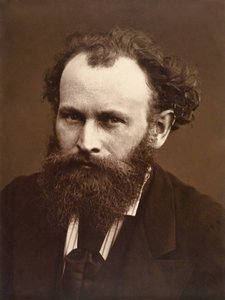
马奈
1832 - 1883 , 法国
艺术家简介
- Artistic Movement Or Style: 现实主义,印象派
- Artists Or Movements Influenced By This Artist:
- 克劳德·莫奈
- 奥古斯特·雷诺阿
- 爱德加·德加
- 印象派
- Artists Who Influenced This Artist:
- 卡拉瓦乔
- 委拉斯开兹
- 库尔贝
- Date Of Birth: 1832年1月23日
- Date Of Death: 1883年
- Full Name: 爱德华·马奈
- Nationality: 法国人
- Notable Artworks:
- Le Déjeuner sur l'herbe
- Olympia
- A Bar at the Folies-Bergère
- Place Of Birth: 巴黎, 法国
相关文章
爱德华·马奈:25幅大师杰作,重塑现代艺术与家居美学
探索爱德华·马奈25幅经典画作,领略印象派大师的艺术魅力!从《草地上的午餐》到《奥林匹亚》,深入了解每件作品背后的故事与技法。OriginalUniqueArt.com提供博物馆级高质量油画复制品,为您的家居增添艺术气息。立即探索完整系列!

画布上的流光溢彩:油画技法、历史沿革与当代实践
深入探索油画技法的历史沿革,从文艺复兴到卡拉瓦乔的革命性创新。了解多层涂布技术如何塑造色彩与光影,并洞悉当代油画实践中的传统与突破。OriginalUniqueArt为您提供专业的艺术品咨询和定制服务。

Oil on Canvas: A Historical & Technical Exploration of a Timeless Artistic Medium
Explore the rich history & enduring techniques of oil painting on canvas. Discover the science behind its longevity, conservation practices, and contemporary relevance. Expert insights for art enthusiasts.

The Enduring Legacy of Oil on Canvas: Technique, History & Aesthetic Impact
Explore the rich history & techniques of oil painting – from Renaissance masters to Impressionism. Discover pigments, layering methods, and why this timeless medium endures. Expert insights for artists & art enthusiasts.

The Enduring Power of Painting: A Historical & Contemporary Exploration of Form and Emotion
Explore the rich history & enduring techniques of oil painting with OriginalUniqueArt. Discover masterpieces, learn about art collecting, and find authentic handmade reproductions crafted by skilled artists.


