
 实景预览
实景预览
 分享
分享 分享
分享
 详情
详情 指南
指南

 下载作品
下载作品
 相似作品
相似作品 X射线
X射线 幻灯片播放
幻灯片播放 问答
问答 统计数据
统计数据Madonna with the Child


 展开全文
展开全文
艺术微喷/版画
博物馆级艺术微喷或帆布版画,制作高效,并提供多种饰面选择。 ( 订购纯手工绘制画作 切换至数字图像销售渠道)




P118B ¥10

P118H ¥10

P118W ¥10

P438Z ¥10

P508JH ¥12

P508YH ¥12

P805H ¥10

P805Z ¥10

P919BZ ¥10

P919G ¥10

P919XJ ¥10

P959ZH ¥10

P968JZ ¥12

W106C ¥8

W218G ¥10

W218JH ¥8

W218Y ¥10

W307PJ ¥10

W316G ¥10

W316PJ ¥8

W316Y ¥10

W398PJ ¥8

W4111J ¥10

W500HY ¥15

W500JH ¥15

W692G ¥12

W849H ¥8

W940BG ¥15

W953PJ ¥8




您可以从与原作比例一致的预设尺寸中进行选择。

请输入您所需的宽度和高度,以适配您的画框或墙面。由于印刷品只能进行裁剪,无法超出原图尺寸,因此若比例不一致,画面的一部分将会被裁切。在正式印刷之前,我们会为您发送一份数字效果图供您确认。本页面显示的图片并非最终裁剪后的效果——只有效果图才能展示真实的裁剪情况。


 玻璃选项仅适用于110厘米以下的尺寸。

Madonna with the Child
艺术微喷/版画
复刻品尺寸
-


最终结算价
¥ 544
A Divine Encounter: The Early Renaissance Vision of Donatello’s Madonna
Donatello's Madonna with the Child, sculpted in 1448 for the High Altar of the Basilica di Sant’Antonio in Padua, isn’t merely a depiction of Mary and Jesus; it’s a profound statement about faith, humanity, and the burgeoning spirit of the Early Renaissance. Far removed from the stylized piety of preceding generations, this sculpture embodies a newfound realism and emotional depth that would forever alter the course of Western art. Commissioned during a period of intense artistic and intellectual ferment in Florence, it reflects a shift towards celebrating human experience within a religious context – a subtle yet revolutionary change.
The statue immediately captivates with its intimate portrayal of the Virgin holding her infant son. Donatello masterfully captures the delicate curve of Mary’s neck as she gazes down at Jesus, his tiny hand resting gently on hers. This isn't a distant, ethereal figure; it’s a mother in palpable connection with her child, radiating warmth and tenderness. The crown adorning Mary’s head – a deliberate reference to the biblical imagery of the Queen of Heaven – subtly elevates her status while simultaneously grounding her in human reality. The inclusion of the scepter and shield further reinforces this duality: she is both divine and profoundly relatable.
- Material & Technique: Crafted from white marble, the sculpture showcases Donatello’s exceptional skill in capturing texture and form. The smooth surface of Mary's robes contrasts beautifully with the slightly rougher texture of Jesus’ skin, creating a dynamic interplay of visual interest.
- Compositional Innovation: Unlike many earlier depictions of the Madonna and Child, Donatello places Mary and Jesus within a relatively shallow space, drawing the viewer directly into their embrace. This intimate arrangement fosters a sense of immediacy and connection.
The Influence of Classical Antiquity
Donatello’s work is deeply rooted in the rediscovery of classical sculpture – a defining characteristic of the Renaissance. He studied the works of ancient Greek and Roman sculptors, particularly their emphasis on human anatomy and realistic portrayal. This influence is evident in the idealized beauty of Mary's figure, reminiscent of classical goddesses. The contrapposto pose—where the weight shifts to one leg, creating a natural curve in the body—is another clear example of this classical inspiration.
However, Donatello doesn’t simply imitate antiquity; he adapts and transforms it to suit his own artistic vision. He imbues the sculpture with a distinctly Christian sensibility, imbuing the figures with an emotional intensity that transcends mere imitation. The subtle expressions on their faces—a hint of serenity in Mary's gaze, a quiet contemplation in Jesus’ expression—speak volumes about the profound spiritual connection between mother and child.
A Window into Renaissance Florence
The Madonna with the Child was created during a period of immense social and political change in Florence. The Medici family, powerful patrons of the arts, were instrumental in fostering an environment where artistic innovation flourished. Donatello’s sculpture reflects this spirit of experimentation and creativity, pushing the boundaries of traditional religious art.
Further research reveals that this piece was part of a larger altarpiece intended for the Basilica di Sant'Antonio, alongside works by other prominent artists like Andrea del Verrocchio and Giovanni di Tura. The entire composition aimed to create a visually stunning and spiritually uplifting experience for worshippers. The presence of other figures – children surrounding Mary – suggests a broader theme of family, community, and divine grace.
Symbolism and Emotional Resonance
Beyond its technical brilliance, the sculpture is rich in symbolism. The crown signifies Mary’s role as Queen of Heaven, while the scepter and shield represent her authority and protection. The inclusion of children reinforces the theme of family and the promise of new life. But perhaps most powerfully, the image evokes a sense of profound love, tenderness, and spiritual connection – emotions that resonate deeply with viewers across centuries.
Today, reproductions of Donatello’s Madonna with the Child continue to inspire artists and designers alike. Its timeless beauty and emotional depth make it a truly remarkable masterpiece of the Early Renaissance—a testament to the enduring power of art to capture the essence of human experience.
常见问题与解答
"Madonna with the Child" 的色彩之间是如何相互关联的?
"Madonna with the Child" 的色彩和谐度评分为 Strong Color Unity。
多纳泰罗 的《Madonna with the Child》 描绘了什么内容?
多纳泰罗 的《Madonna with the Child》 中呈现的主题包括 madonna, child, renaissance, sculpture, religion, mary, bronze, italian art,这些主题共同构成了该艺术作品的主旨。
多纳泰罗 的《Madonna with the Child》 的色彩饱和度与强度如何?
多纳泰罗 的《Madonna with the Child》 的色彩饱和度为 Muted,色彩强度为 Monochromatic。
艺术家简介
早年生活与艺术生涯
多纳托·迪·尼科洛·迪·贝托·巴尔迪,即世人熟知的多纳泰罗,于1386年左右出生于意大利佛罗伦萨。他潜心钻研古典雕塑,这段深厚的学术积淀深刻影响了他早期文艺复兴风格的形成。这种全新的艺术与文化视角,最终成为了佛罗伦萨文艺复兴时期最鲜明的时代印记。传世杰作与艺术革新
多纳泰罗最负盛名的作品《大卫》是自古希腊罗马以来,第一尊可以独立存在的男性裸体雕塑。这部由美第奇家族委托创作的杰作,不仅展现了他无与伦比的创新风格,更彰显了其精湛的艺术技艺。此外,他的其他卓越成就还包括:- 《以撒的祭献》,为佛罗伦萨圣母百花大教堂钟楼创作,其作品以细腻且富有张力的肖像细节著称。
- 创作于1425年的《十字架》,用于圣十字大殿,生动地捕捉了基督在极度痛苦瞬间的情感表达。
艺术风格与历史遗产
多纳泰罗的艺术风格可以划分为几个宏大的阶段,其演变始于表现力的深度挖掘与古典纪念性的重塑。尽管他的作品在创作初期并未立即获得整个社会的广泛认可,但随着时间的推移,他最终成为了最受追捧的大师,其影响力跨越了地域,波及了其他意大利宫廷乃至整个欧洲的艺术家。核心艺术运动:个人生活与创作态度
多纳泰罗以其亲切随和、深受爱戴的性格而闻名,然而在职业生涯的商业经营方面却显得有些笨拙。他往往倾向于接受超出自己处理能力的委托,这导致他的许多作品经常面临延期交付,甚至不得不将部分工作交给其他雕塑家共同完成。艺术巨匠与杰作:博物馆与艺术收藏:
- 埃姆波利圣教会议博物馆(意大利,埃姆波利):一座文艺复兴时期的艺术瑰宝,馆藏有弗朗切斯科·博蒂奇尼与拉斐尔·博蒂奇尼的作品。

多纳泰罗
1386 - 1466 , 意大利
艺术家简介
- Artistic Movement Or Style: 早期文艺复兴
- Artists Or Movements Influenced By This Artist:
- 意大利文艺复兴
- 早期文艺复兴
- 佛罗伦萨文艺复兴
- Artists Who Influenced This Artist: ['古典雕塑']
- Date Of Birth: 约 1386年
- Date Of Death: 1466年
- Full Name: 多纳泰罗·迪·尼科洛
- Nationality: 意大利
- Notable Artworks:
- 大卫
- 图卢兹的圣路易
- 以撒的牺牲
- 十字架
- Place Of Birth: 意大利,佛罗伦萨
相关文章

The Enduring Legacy of Bronze: A Historical & Artistic Exploration for the Collector
Explore the rich history & enduring appeal of bronze sculpture with expert insights for collectors at OriginalUniqueArt. Learn about casting techniques, iconic artists, collecting tips & contemporary interpretations.

Bronze Age to Modern Masters: 10 Sculptures That Redefined Art | OriginalUniqueArt
Journey through art history with 10 legendary bronze sculptures – from Michelangelo's David to Rodin’s Thinker. Explore the stories, techniques & timeless beauty of these masterpieces. Find museum-quality reproductions & elevate your home decor on OriginalUniqueArt.com.
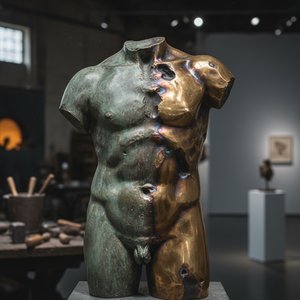
青铜雕塑艺术史:跨越千年的力量与美感,探究古代铸造工艺与现代创作的永恒魅力
探索青铜雕塑的千年魅力,本文由资深艺术史学者撰写,深入解析古代铸造技术与现代收藏价值。为高端藏家提供专业鉴定、保养指南和投资建议,让您在信任与品质中发现珍贵艺术品。

Bronze Sculptures That Defined Art History | OriginalUniqueArt
Journey through art history with our Top 10 bronze sculptures! Explore masterpieces by Rodin, Michelangelo & more. Discover stories behind iconic statues and find museum-quality reproductions for your home decor at OriginalUniqueArt.com.

青铜艺术的永恒遗产:历史、技艺与收藏家的鉴赏之道
探索青铜艺术的辉煌历史、精湛技艺与收藏价值。深入了解失蜡法铸造工艺,掌握青铜器鉴赏技巧,规避市场风险。OriginalUniqueArt.com为您提供专业的艺术咨询和定制服务。