

 效果预览
效果预览
 购买手绘画作
 分享
分享 分享
分享
 详情
详情

 下载
下载
 相似作品
相似作品 X射线
X射线 幻灯片播放
幻灯片播放Pietà


 展开详情
展开详情




P118B $10

P118H $10

P118W $10

P438Z $10

P508JH $12

P508YH $12

P805H $10

P805Z $10

P919BZ $10

P919G $10

P919XJ $10

P959ZH $10

P968JZ $12

W106C $8

W218G $10

W218JH $8

W218Y $10

W307PJ $10

W316G $10

W316PJ $8

W316Y $10

W398PJ $8

W4111J $10

W500HY $15

W500JH $15

W692G $12

W849H $8

W940BG $15

W953PJ $8




从与原作比例一致的预设尺寸中进行选择。

您可以输入自定义尺寸,以适配特定的画框或空间。如果您选择的尺寸与原图比例不符,我们将对作品进行裁剪,或通过镜像填充/纯色填充边缘的方式来扩展图像。在开始制作之前,我们会向您发送一份数字效果图供您确认。
请注意,屏幕上的预览并不能反映实际的裁剪或扩展效果。只有效果图才能准确展示最终的构图。
虽然我们提供定制尺寸,但为了保持原图比例,我们建议您从预设列表中选择尺寸。


 玻璃选项仅适用于110厘米以下的尺寸。

Pietà
艺术微喷/版画
复制品尺寸
-


最终总价
$ 80
A Glimpse of Grief – Carlo Crivelli’s Pietà
Carlo Crivelli's Pietà, a masterpiece housed within the Pinacoteca Vaticana, isn’t merely a depiction of loss; it’s an immersion into profound sorrow and a testament to enduring maternal love. Completed around 1476, this tempera-on-wood panel transcends its religious subject matter to become a deeply human exploration of grief, capturing a moment suspended between earthly suffering and spiritual solace. Crivelli, a Venetian painter known for his late Gothic sensibilities and meticulous detail, masterfully blends the decorative flourishes of his region with a raw emotional intensity rarely seen in his contemporaries.
The scene unfolds within a dimly lit interior, likely a chapel or sanctuary, rendered with an almost dreamlike quality. At its heart lies Jesus Christ, lifeless yet radiating a quiet dignity. His body, draped in simple linen robes, is cradled by the Virgin Mary, her face etched with an anguish that mirrors his own. The composition isn’t one of idealized beauty; instead, it embraces the stark reality of death – the pallor of his skin, the slight distortion of his limbs, and the subtle details of wounds inflicted during his Passion. Crivelli deliberately avoids romanticizing suffering, presenting it with a poignant honesty that resonates deeply with the viewer.
The Language of Sorrow: Technique and Symbolism
Crivelli’s technique is characterized by a remarkable restraint and precision. He employs a meticulous layering of tempera paint, building up textures and details with painstaking care. The use of gold leaf, particularly in the background and highlighting certain elements like Mary's garments, adds a luminous quality to the scene, drawing attention to the central figures while simultaneously emphasizing their vulnerability. Noticeably, Crivelli departs from the prevalent trends of his time, eschewing vibrant colors for a more subdued palette dominated by deep reds, blues, and greens – hues traditionally associated with mourning and solemnity.
Symbolism permeates every aspect of the painting. The three figures surrounding Christ—John the Evangelist, Mary Magdalene, and an unnamed mourner—represent the universal human response to loss. John’s anguished expression mirrors Mary's grief, while Mary Magdalene’s posture conveys a sense of quiet contemplation. The architectural setting, with its arches and columns, evokes a sense of timelessness and spiritual significance. The inclusion of angels in the background, rendered in a more ethereal style, suggests the presence of divine comfort amidst earthly sorrow. Even the carefully chosen drapery—flowing and voluminous—contributes to the overall atmosphere of grief and mourning.
A Renaissance Master’s Vision: Context and Influence
Crivelli's Pietà emerged during a period of significant artistic innovation in Italy, marked by the rise of the Renaissance. While he retained elements of late Gothic style—particularly his preference for decorative detail and meticulous rendering—he also absorbed influences from contemporary artists like Giovanni Bellini and Mantegna. His work reflects a desire to bridge the gap between these diverse styles, creating a unique visual language that is both deeply rooted in tradition and forward-looking in its emotional intensity.
The painting’s provenance – originally part of an altarpiece intended for the high altar of San Domenico at Ascoli Piceno – reveals its original context within a religious setting. It's believed to have been commissioned as a central panel, serving as a focal point for contemplation and devotion. The fact that it survives today is a testament to its enduring power and artistic merit.
Beyond the Canvas: A Timeless Reflection
Carlo Crivelli’s Pietà remains a profoundly moving work of art, offering viewers an opportunity to connect with universal themes of loss, grief, and maternal love. Its masterful technique, evocative symbolism, and emotional depth continue to resonate centuries after its creation. Whether viewed as a religious icon or simply as a powerful depiction of human suffering, the Pietà stands as a testament to the enduring legacy of one of Renaissance Italy’s most gifted artists.
艺术家简介
早年生活与艺术训练
意大利文艺复兴时期的画家卡洛·克里韦利(Carlo Crivelli)大约出生于1430至1435年间的威尼斯。他出身于一个画家世家,并在威尼斯与帕多瓦接受了系统的艺术熏陶。据信,克里韦利的早期训练师承自雅各贝洛·德尔·菲奥雷(Jacobello del Fiore),后者在1436年仍活跃于艺坛。此外,他还曾在威尼斯的维瓦里尼画派(School of Vivarini)深造,为日后的艺术风格奠定了坚实基础。
艺术生涯与风格特征
克里韦利早年生活在威尼托地区,在此期间,他广泛吸收了维瓦里尼、斯夸尔乔内以及曼特尼亚等大师的影响。到了1458年,他离开了威尼托,此后的职业生涯大部分时间都在安科纳侯国度过。在这里,他逐渐发展出一种极其独特的个人风格,这种风格与他的威尼斯同代艺术家乔凡尼·贝利尼形成了鲜明的对比。克里韦利的作品以一种保守的晚期哥特式装饰美感为特征,其笔触充满了线条感,对细节有着近乎执着的追求,并巧妙地运用了“错视画”(trompe l'oeil)技巧,使画面呈现出令人惊叹的立体与真实感。
传世杰作与艺术协作
在克里韦利众多的艺术成就中,其作品《圣母与圣婴宝座像》(Madonna and Child Enthroned,尺寸106 x 55 厘米,现藏于匈牙利布达佩斯美术馆)堪称其个人风格的巅峰之作。在创作过程中,他并非孤军奋战,曾多次与弟弟维托里奥·克里韦利共同合作完成多个项目。此外,来自德国/奥地利并移居至安科纳侯国的画家皮埃特罗·阿莱曼诺,也是他的学生兼合作伙伴。
博物馆与艺术收藏
克里韦利的作品散落在世界各地的重要馆藏中。位于意大利米兰的布雷拉美术馆(Pinacoteca di Brera)收藏了多件他的杰作,其中包括震撼人心的《圣殇》(Pietà,尺寸128 x 241 厘米)。而在意大利威尼斯的圣乔瓦尼·因·布拉戈拉博物馆,也珍藏着涵盖不同时期与风格的艺术品,其中亦包含一些被归于克里韦利名下的作品。
克里韦利的艺术遗产至今仍持续激励着艺术爱好者与学者,他的作品始终是那种充满生命力的、保守晚期哥特式装饰美感的永恒见证。

卡洛·克里韦利
1435 - 1495 , 意大利
艺术家简介
- Artistic Movement Or Style: 晚期哥特式/文艺复兴
- Artists Or Movements Influenced By This Artist: ['乔凡尼·贝利尼']
- Artists Who Influenced This Artist:
- 雅各贝洛·德尔·菲奥雷
- 维瓦里尼
- 夸尔肖内
- 曼特尼亚
- Date Of Birth: 约 1430-35年 威尼斯
- Date Of Death: 约 1495年 意大利
- Full Name: 卡洛·克里韦利
- Nationality: 意大利
- Notable Artworks:
- 圣母与圣子
- 圣巴多罗缪
- 圣罗克
- Place Of Birth: 意大利,威尼斯
相关文章
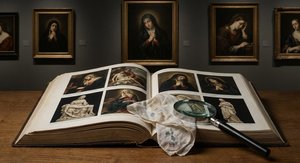
The Visceral Language of Loss: Exploring Grief's Depiction in Art History
Explore the profound history of grief in art with OriginalUniqueArt. Discover Renaissance & Baroque masterpieces depicting loss, mourning, and faith. Expert insights & handmade reproductions available.

Echoes of Loss: Exploring Representations of Grief Across Art History
Explore the profound history of grief in art, from Renaissance masterpieces to Baroque drama. Discover how artists captured loss, mourning & faith through powerful imagery. Expert insights at OriginalUniqueArt.
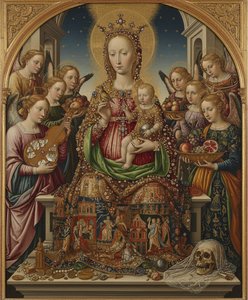
Carlo Crivelli: Mysticism & Materiality in Renaissance Venice
Explore the captivating world of Carlo Crivelli, a Renaissance master blending Gothic detail with profound symbolism. Discover his unique style & lasting influence on Venetian art history.
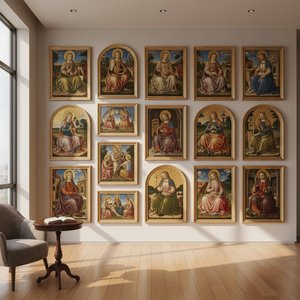
佛罗伦萨文艺复兴大师:安杰利科25幅传世名作赏析 | OriginalUniqueArt
探索佛罗伦萨文艺复兴大师安杰利科的25幅传世名作!深入了解其宗教绘画、壁画艺术与天使般的风格。OriginalUniqueArt.com提供高清复制品及精选装饰画,为您的室内空间增添永恒之美。立即在线探索完整系列!

Echoes of Absence: Loss & Grief in Visual Art Through the Ages
Explore the profound history of grief in art, from Renaissance masterpieces to contemporary expressions. Discover how artists have captured loss, mourning, and mortality through powerful imagery & symbolism. OriginalUniqueArt offers expert insights.


