
 效果预览
效果预览
 切换至印刷版
 分享
分享 分享
分享
 详情
详情

 下载
下载
 相似作品
相似作品 X射线
X射线 幻灯片播放
幻灯片播放聖彼得教堂


 展开详情
展开详情




P118B $10

P118H $10

P118W $10

P438Z $10

P508JH $12

P508YH $12

P805H $10

P805Z $10

P919BZ $10

P919G $10

P919XJ $10

P959ZH $10

P968JZ $12

W106C $8

W218G $10

W218JH $8

W218Y $10

W307PJ $10

W316G $10

W316PJ $8

W316Y $10

W398PJ $8

W4111J $10

W500HY $15

W500JH $15

W692G $12

W849H $8

W940BG $15

W953PJ $8




从与原作比例一致的预设尺寸中进行选择。

您可以输入自定义尺寸,以适配特定的画框或空间。如果所选尺寸与原图比例不符,我们将通过裁剪作品或添加手绘元素来扩展画面。数字样稿将在制作开始前发送给您确认。
请注意,屏幕预览无法准确反映实际的裁剪或扩展效果,只有样稿才能真实呈现最终的构图。
虽然我们提供定制尺寸服务,但为了保留原作比例,建议您从预设列表中选择尺寸。
下单后,OriginalUniqueArt.com 团队将通过电子邮件联系客户获取具体要求,并提供效果预览图。


 玻璃选项仅适用于110厘米以下的尺寸。

聖彼得教堂
复制材质
复制品尺寸
-


最终总价
$ 300
作品详情
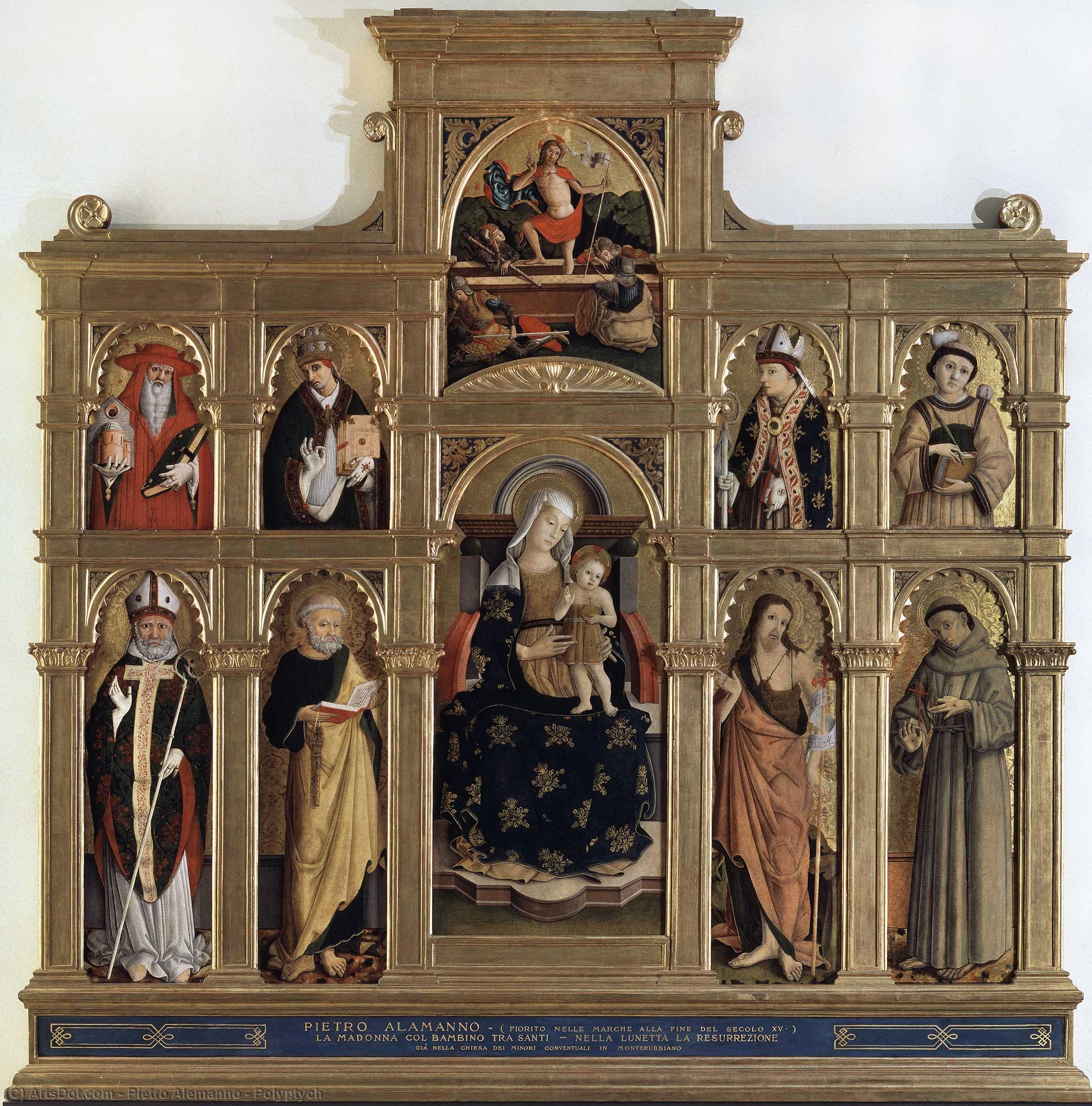
皮埃罗·阿莱曼诺的圣彼得教堂圣母玛利亚与耶稣基督圣殿壁画:一个融合哥特式复兴与威尼斯风格的艺术杰作
皮埃罗·阿莱曼诺(约1430年出生,奥地利 göttweig)是一位连接了晚期哥特式艺术传统和意大利文艺复兴运动的关键人物。虽然他不如费尔兰萨若斯卡或弗拉安吉洛那样广为人知,但他的独特风格——以精细的细节和对宗教象征主义深刻的敏感性为特征——赢得了当时的认可,并且至今仍然吸引着艺术历史学家们的目光。 他最著名的作品是为威尼斯圣彼得教堂委托创作的庞克梯圣殿壁画,以及众多其他宗教绘画作品,这些作品都体现了两个艺术时期风格的融合。
早期生活与艺术训练信息关于阿莱曼诺的成长岁月仍然稀少,反映了十五世纪档案记录的限制。然而,学术界普遍认为他是一位来自 göttweig 的画家,是卡罗·克里维利的学生,并在克里维利的影响下发展了自己的艺术技巧。
圣彼得教堂圣母玛利亚与耶稣基督圣殿壁画:风格与技术
阿莱曼诺的圣彼得教堂圣母玛利亚与耶稣基督圣殿壁画是他的代表作之一,也是意大利文艺复兴时期艺术发展的重要里程碑。 这幅壁画采用精湛的绘画技巧,展现了艺术家对色彩和光线的精准把握能力。 阿莱曼诺运用了传统的哥特式风格,同时吸收了威尼斯艺术的影响,创造出一种独特的视觉语言。
他尤其注重细节的刻画,例如圣母玛利亚的面容表情、耶稣基督的襁褓动作以及周围圣徒和人物的服装纹样。 这些细节不仅增强了壁画的真实感,也为观者提供了丰富的审美体验。
历史背景与象征意义:哥特式复兴与文艺复兴的交汇点
阿莱曼诺创作于一个充满宗教热情和文化变革的时代。 当时,欧洲社会正经历着从晚期哥特式艺术风格向文艺复兴风格转变的过程。 这幅壁画反映了这一时期艺术思想和社会精神的变化。
圣母玛利亚与耶稣基督圣殿壁画象征着基督教信仰的核心价值:爱、慈悲和救赎。 壁画中的圣徒和人物代表了基督教宗教历史中的重要角色,他们通过象征性的图像表达了对上帝的敬畏和虔诚。
情感冲击与艺术价值:超越时空的永恒魅力
阿莱曼诺的圣彼得教堂圣母玛利亚与耶稣基督圣殿壁画不仅是一件杰出的艺术作品,更能够唤起人们内心深处的感动和灵感。 壁画色彩绚丽、构图精妙,展现了艺术家对人体形态和宗教象征主义的卓越理解。
它为现代艺术爱好者和设计师们提供了一个欣赏经典艺术的绝佳机会,也提醒我们艺术能够超越时空,传递永恒的美好与智慧。 这幅作品在历史博物馆和私人收藏馆中都享有盛名,是意大利文艺复兴时期艺术文化的重要遗产。
艺术家简介
A Bridge Between Eras: The Life and Legacy of Pietro Alemanno
In the vibrant, shifting landscape of the fifteenth century, few artists embodied the transition from the medieval to the modern as gracefully as Pietro Alemanno. Born around 1430 in the serene surroundings of Göttweich, Austria, Alemanno’s life was a journey across borders and artistic philosophies. He emerged as a pivotal figure who bridged the gap between the lingering, ornate traditions of the Late Gothic style and the burgeoning, humanistic dynamism of the Italian Renaissance. While history often casts him in the shadow of giants like Piero della Francesca or Fra Angelico, a closer look at his oeuvre reveals an artist of profound independence and technical mastery, capable of weaving together the spiritual gravity of Northern Europe with the luminous innovations of the Italian peninsula.
The early chapters of Alemanno’s life remain shrouded in the mists of time, yet his artistic lineage is clearly traced through his connection to the masters of the Marches. Scholarly tradition long suggested he was a mere pupil or follower of the renowned Carlo Crivelli, a Venetian master celebrated for his blend of Gothic elegance and Renaissance realism. However, recent historical rediscoveries have painted a much more compelling portrait of an accomplished professional. Evidence suggests that Alemanno’s presence in the Marches region predates even that of Crivelli, positioning him not as a student seeking guidance, but as an established master capable of securing significant and complex commissions almost immediately upon his arrival in Italy.
The Synthesis of Style and Sacred Iconography
Alemanno’s work is a breathtaking synthesis of textures, light, and devotion. His stylistic evolution is most strikingly visible in his ability to integrate the meticulous, almost tactile detail characteristic of Gothic art with the new, sophisticated command of perspective emerging from the Renaissance. In his monumental Polyptych, commissioned for San Pietro Martire in Venice, one can witness this beautiful tension. The architectural framework—composed of elegant arches and columns—does not merely serve as a decorative border; it functions as a window into a sacred space, using deliberate spatial arrangement to guide the viewer’s eye toward the central figures of the Virgin and Child.
His mastery extended beyond mere structure to the very soul of his subjects. Alemanno possessed an unwavering devotion to Christian iconography, imbuing his saints and divine figures with a profound sensitivity that resonated deeply with the faithful of his era. His technique involved a meticulous approach to pigment preparation and compositional planning, allowing him to create surfaces that felt both ethereal and tangibly real. Whether through the soft glow of a Madonna’s countenance or the intricate, jewel-like details of an altarpiece, his work sought to achieve a visual harmony that reflected the divine order.
Major Achievements and Historical Significance
The breadth of Alemanno's contributions can be seen in the diverse range of his commissions, from grand frescoes to intimate devotional panels. His ability to adapt to different mediums and regional tastes solidified his reputation as a leading personality in the Northern-inspired figure painting that flourished in the Marches during the late 15th century. Some of his most notable milestones include:
- The Annunciation Fresco (1484): Executed for the Palazzo Communale in Ascoli, this work demonstrates his sophisticated use of elaborate architectural settings to create a sense of depth and drama.
- Altarpiece of the Virgin and Child (1489): Created for the church of Santa Maria della Carita, this piece showcases his skill in arranging complex groups of saints—including SS. Michael, Biaise, Jerome, and Nicholas—within a cohesive, sacred narrative.
- The Venetian Polyptych: A testament to his ability to absorb the luminosity and grandeur of the Venetian school, blending it with his inherent Gothic sensibilities.
Ultimately, Pietro Alemanno’s significance lies in his role as a cultural conduit. He was an artist who moved between the Germanic roots of his birth and the Italian heart of the Renaissance, carrying with him a unique aesthetic language that honored the past while embracing the future. Though he passed away in Ascoli Piceno around 1497 or 1498, his legacy survives in the quiet majesty of his altarpieces, which continue to captivate art historians and devotees alike with their enduring spiritual power and technical brilliance.

pietro alemanno
1430 - 1497 , Austria
艺术家简介
- Artistic Movement Or Style: Late Gothic Style / Renaissance Painting
- Artists Or Movements Influenced By This Artist: Perugino
- Artists Who Influenced This Artist: Carlo Crivelli
- Date Of Birth: ca. 1430
- Full Name: Pietro Alemanno
- Nationality: Austrian
- Notable Artworks: ['Polyptych']
- Place Of Birth: Goetweig, Austria
相关文章
领衔文艺复兴曙光:十幅早期大师名作,点亮您的艺术品味
探索文艺复兴曙光!本文精选十幅早期大师杰作,从达芬奇到拉斐尔,揭秘艺术背后的故事与技法。感受色彩的魅力,领略经典永恒的力量。OriginalUniqueArt.com为您提供博物馆品质的艺术品复制和个性化家居装饰方案。尽在OriginalUniqueArt.com!
纽约大都会艺术博物馆25幅必赏杰作:艺术、历史与家居灵感
探索纽约大都会艺术博物馆25幅传世杰作!从梵高、莫奈到达芬奇,深入了解艺术大师的故事与创作灵感。精美油画复制品,为您的家居带来艺术气息。立即在OriginalUniqueArt.com发现更多经典作品。
波提切利大师25幅杰作:文艺复兴之美与家居艺术灵感 | Sandro Botticelli's 25 Masterpieces: Renaissance Beauty & Home Decor Inspiration
探索波提切利大师的25幅杰作!深入了解《春》、《维纳斯的诞生》等经典文艺复兴绘画作品背后的故事、艺术技巧与文化意义。在OriginalUniqueArt.com,寻找高品质艺术品复制画,为您的家居空间增添永恒之美。立即探索完整系列!
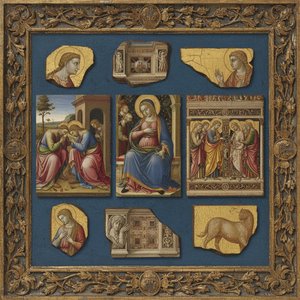
Proto-Renaissance Masters: 10 Artworks That Changed History | OriginalUniqueArt
Journey back to the dawn of Renaissance art! Explore 10 iconic Proto-Renaissance masterpieces by Giotto, Cimabue & Duccio. Discover their stories, techniques & lasting impact. Find museum-quality reproductions for your home at OriginalUniqueArt.com
慕尼黑老绘画馆25幅杰作:文艺复兴至巴洛克艺术之旅| OriginalUniqueArt
探索慕尼黑老绘画馆25幅杰作!从文艺复兴到巴洛克,领略卢本斯、伦勃朗等大师的经典油画。了解艺术史背后的故事,在家居装饰中融入永恒之美。OriginalUniqueArt.com提供博物馆品质的艺术复制品,点亮您的生活空间。


