

 效果预览
效果预览
 购买手绘画作
 分享
分享 分享
分享
 详情
详情

 下载
下载
 相似作品
相似作品 X射线
X射线 幻灯片播放
幻灯片播放John La Farge
 Oil On Canvas
- WallArt
- Late 19th Century Realism
 1897
1897 102.0 x 74.0 cm
 大都会艺术博物馆
 展开详情
展开详情




P118B $10

P118H $10

P118W $10

P438Z $10

P508JH $12

P508YH $12

P805H $10

P805Z $10

P919BZ $10

P919G $10

P919XJ $10

P959ZH $10

P968JZ $12

W106C $8

W218G $10

W218JH $8

W218Y $10

W307PJ $10

W316G $10

W316PJ $8

W316Y $10

W398PJ $8

W4111J $10

W500HY $15

W500JH $15

W692G $12

W849H $8

W940BG $15

W953PJ $8




从与原作比例一致的预设尺寸中进行选择。

您可以输入自定义尺寸,以适配特定的画框或空间。如果您选择的尺寸与原图比例不符,我们将对作品进行裁剪,或通过镜像填充/纯色填充边缘的方式来扩展图像。在开始制作之前,我们会向您发送一份数字效果图供您确认。
请注意,屏幕上的预览并不能反映实际的裁剪或扩展效果。只有效果图才能准确展示最终的构图。
虽然我们提供定制尺寸,但为了保持原图比例,我们建议您从预设列表中选择尺寸。


 玻璃选项仅适用于110厘米以下的尺寸。

John La Farge
艺术微喷/版画
复制品尺寸
-


最终总价
$ 80
A Portrait of Reflection: John La Farge’s Intimate Study
Augustus Vincent Tack's 1897 portrait of John La Farge offers more than just a likeness; it’s a carefully constructed tableau of intellect, artistic temperament, and the quiet dignity of a seasoned observer. Executed in black and white photographic reproduction from an original oil or charcoal drawing, the image possesses a remarkable depth achieved through subtle tonal variations and masterful use of line. The composition is centered on La Farge's head and shoulders, his gaze directed slightly off-center – a deliberate choice that invites the viewer into a private moment of contemplation. The blurred background, rendered with short, broken lines, doesn’t offer specific details but instead establishes an atmosphere of thoughtful distance, suggesting a world viewed through the lens of artistic experience.
La Farge's pose is formal yet relaxed, holding a pencil or paintbrush in his right hand – a potent symbol of his profession. The slight turn of his head and the subtle curve of his lips hint at a melancholic thoughtfulness, perhaps reflecting on past works or contemplating the future of art itself. The rectangular shapes of his suit jacket and collar provide grounding elements within the composition, while the rounded contours of the upholstered armchair contribute to a sense of comfortable familiarity. The artist’s skillful use of texture – simulating the softness of the fabric and the heavily textured surface of the chair – adds a tactile dimension to the image, drawing the viewer in.
The Influence of La Farge and Japonisme
To fully appreciate Tack's portrait, it’s crucial to understand the context within which John La Farge was working. La Farge was a pivotal figure in American art during the late 19th century, renowned for his pioneering work in stained glass, murals, and color theory – a movement he termed “colorism.” His fascination with Japanese aesthetics, particularly Japonisme, profoundly influenced his artistic style, evident in his use of bold colors, flattened perspectives, and decorative patterns. This influence is subtly echoed in Tack’s composition, creating a visual dialogue between the two artists.
Tack's own artistic journey was deeply intertwined with La Farge’s. He studied under La Farge at the Art Students League of New York, absorbing his mentor’s techniques and philosophical approach to art. The portrait itself can be seen as a respectful homage to this influential figure, capturing not just La Farge’s physical appearance but also his intellectual presence and artistic spirit. The reference to John La Farge in OriginalUniqueArt's database highlights the enduring legacy of this artist and the importance of understanding his contributions to American art history.
Symbolism and Emotional Resonance
Beyond its formal elements, the portrait is rich in symbolic meaning. The pencil or paintbrush held by La Farge isn’t merely a tool; it represents his creative identity, his dedication to his craft, and his role as an artist within society. His thoughtful expression suggests a contemplative nature, inviting viewers to consider the complexities of artistic creation and the challenges faced by artists throughout history. The subdued lighting contributes to a mood of quiet introspection, reinforcing the sense that this is a moment of private reflection.
Tack’s choice of black and white further amplifies the emotional impact of the portrait. The absence of color focuses attention on La Farge's face and expression, emphasizing his character and inner life. The tonal variations – from deep blacks to bright whites – create a sense of depth and volume, bringing the subject to life with remarkable realism. This technique, reminiscent of late 19th-century portraiture, elevates the image beyond a simple likeness, transforming it into a powerful representation of human character and artistic legacy.
A Reproduction for Collectors
OriginalUniqueArt’s hand-painted reproduction captures the essence of Tack's original photograph with exceptional fidelity. The meticulous attention to detail – from the subtle textures of La Farge’s clothing to the nuanced expression on his face – ensures that this artwork will be treasured for generations to come. The choice of a high-quality, archival-grade canvas and pigments guarantees its longevity and vibrancy. This reproduction offers art lovers and collectors alike an opportunity to own a stunning piece of American art history, bringing the contemplative spirit of John La Farge into their homes or offices.
艺术家简介
Augustus Vincent Tack: Pioneer of Spiritual Landscape
Augustus Vincent Tack (1870 – 1949) stands as a singular figure in American art history, recognized primarily for his distinctive blend of realism and abstraction—a stylistic approach that foreshadowed the burgeoning movement of Abstract Expressionism. Born in Pittsburgh, Pennsylvania, Tack’s artistic journey began with formal training at St. Francis Xavier College before he honed his skills at the Art Students League of New York, absorbing influences from luminaries like John La Farge whose studio he frequented. This formative period established a foundation for his subsequent explorations into landscape painting and, crucially, into deeply symbolic representations of nature—a preoccupation that would define much of his oeuvre.- Early Career & Influences: Tack’s debut exhibition at Kraushaar Galleries in 1896 marked the commencement of a prolific artistic career characterized by consistent engagement with prominent institutions such as Worcester Art Museum, Carnegie International Exhibitions, and Pennsylvania Academy of Fine Arts. His collaborations with Duncan Phillips—particularly their involvement in the Allied War Salon of 1918—demonstrated not only his social connections but also his commitment to addressing pressing societal concerns through artistic expression.
- Deerfield Colony & Marriage: Seeking inspiration and camaraderie, Tack relocated to Deerfield, Massachusetts, where he established an artist’s colony and married Agnes Gordon Fuller, daughter of renowned painter George Fuller. This union fostered a supportive environment conducive to creative pursuits and solidified his position within the artistic community.
- Teaching & Yale University: Tack’s pedagogical role extended beyond Deerfield; he lectured at the Art Students League of New York between 1906 and 1910 and subsequently taught at Yale University from 1910 to 1913, imparting his artistic vision to a new generation of artists.
A Distinctive Style: Realism Infused with Mysticism
Tack’s artistic style distinguished itself through a careful balance between traditional realism and evocative abstraction. While his portraits adhered to academic conventions—capturing likenesses with meticulous detail and dramatic lighting—his landscapes transcended mere depiction, delving into realms of spiritual contemplation. Paintings like “Time and Timelessness” exemplify this approach, juxtaposing geometric forms with figurative elements to convey a sense of enduring beauty and profound symbolism. Critics noted that Tack’s work "was a contemporary reworking of nineteenth-century heroic idealism," highlighting its ambition to elevate the viewer beyond the mundane.- Notable Works: Among his most celebrated pieces are “The High Command Right Panel” (1949), portraying naval officers with masterful realism and compositional complexity; portraits of Harry S. Truman and Elihu Root—executed in 1948 and 1922 respectively—demonstrating Tack’s ability to convey character and emotion through nuanced brushwork; and “Time and Timelessness,” a landscape masterpiece reflecting his fascination with spiritual themes.
Legacy & Recognition
Despite commercial setbacks, Tack's artistic legacy persists as a precursor to Abstract Expressionism—a movement that would reshape the landscape of American art in the decades following his death. His paintings remain housed in major collections and continue to inspire artists and scholars alike. Augustus Vincent Tack’s contribution to American art lies not merely in his stylistic innovations but also in his unwavering pursuit of artistic truth—a testament to the enduring power of imagination and vision.
Augustus Vincent Tack
1870 - 1949 , United States of America
艺术家简介
- Artistic Movement Or Style: Abstract Expressionism
- Artists Or Movements Influenced By This Artist: ['Nineteenth-century heroic idealism']
- Artists Who Influenced This Artist: ['John La Farge']
- Date Of Birth: 1870
- Date Of Death: 1949
- Full Name: Augustus Vincent Tack
- Nationality: American
- Notable Artworks:
- Time and Timelessness
- The High Command Right Panel
- Elihu Root
- Harry S. Truman
- Place Of Birth: Pittsburgh, United States
相关文章
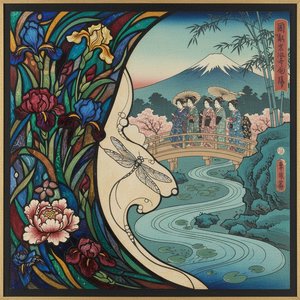
John La Farge: Pioneering American Colorism & Japonisme's Influence
Explore the groundbreaking work of John La Farge, a pioneer of American colorism and stained glass. Discover his captivating Japonisme-inspired murals & lasting legacy in 19th-century art. Expert insights for collectors.

约翰·辛格·萨金特:25幅大师级杰作,点亮您的艺术生活 | OriginalUniqueArt
探索约翰·辛格·萨金特25幅传世杰作!深入了解这位美国印象派大师的肖像画技巧、金色时代风格与艺术故事。OriginalUniqueArt.com提供高品质油画复制品,点亮您的室内设计,打造奢华艺术空间。立即在线探索完整系列!

康斯塔布尔大师之作:25幅传世风景画赏析 | OriginalUniqueArt
探索康斯塔布尔的25幅传世杰作!沉浸于英国田园风光,感受浪漫主义绘画大师的光影与色彩。高清油画复制、艺术品购买尽在OriginalUniqueArt.com,为您的家居增添经典之美。立即在线探索完整系列!
Romantic Realism's Finest: 10 Masterpieces for Your Home | OriginalUniqueArt
Explore 10 defining masterpieces of Romantic Realism! Discover Courbet, Millet & Daumier's powerful paintings—capturing emotion and social realities. Find museum-quality reproductions for your home at OriginalUniqueArt.com.

Oil on Canvas: A Historical & Technical Exploration of a Timeless Artistic Medium
Explore the rich history & enduring techniques of oil painting on canvas. Discover the science behind its longevity, conservation practices, and contemporary relevance. Expert insights for art enthusiasts.

