订购纯手工绘制画作
 展开全文







































 对于任何边长超过 105 厘米(约 41 英寸)的艺术品或复制品,画框将以拆解后的组件形式发货。此方法可确保安全送达并防止运输过程中的损坏。


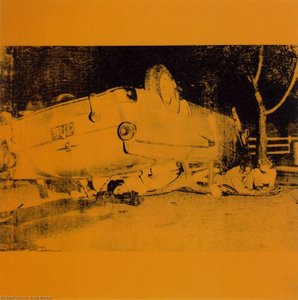
A Descent into Familiar Horror: Analyzing Warhol’s “Suicide”
Andy Warhol's "Suicide," a silkscreen print depicting a man leaping from a building, transcends mere visual representation; it embodies the unsettling core of Pop Art’s fascination with confronting mortality and societal anxieties. Executed in 1963, this artwork emerged during a period marked by profound cultural shifts—the burgeoning counterculture movement challenged established norms while simultaneously embracing mass media and celebrity culture. Warhol himself deliberately eschewed traditional artistic conventions, opting for a technique rooted in commercial printing – silkscreen – to achieve an unprecedented level of reproducibility and democratize access to art. This deliberate choice wasn’t simply pragmatic; it served as a powerful statement about the artist's belief that art should be accessible to everyone, mirroring the pervasive influence of advertising and popular imagery on daily life.- Style: Warhol’s signature style is undeniably Pop Art, characterized by its bold flatness, vibrant color palettes (primarily purple), and appropriation of imagery from everyday sources – in this case, a photograph taken by Hiroshi Sugimoto.
- Technique: The silkscreen process itself was revolutionary for its time. Warhol meticulously transferred the photographic image onto a canvas, applying emulsion paint to create a stencil. Multiple layers of pigment were then pressed through the stencil onto successive sheets of paper, resulting in an astonishingly uniform print. This method ensured consistency across editions and underscored Warhol’s commitment to mass production as a form of artistic expression.
Symbolism Within Familiar Imagery
The image's stark simplicity belies its complex symbolic resonance. The man jumping from the building isn’t merely a depiction of suicide; it’s an unsettling allusion to biblical narratives—specifically, Cain and Abel—where God instructs Adam to kill his brother. Warhol deliberately avoids portraying the act itself with gruesome detail, instead focusing on capturing the moment of transition – the precipice before the fall. The inclusion of a clock reinforces this temporal dimension, emphasizing the inevitability of death and highlighting the fleeting nature of existence. Furthermore, the presence of the car adds an element of urban alienation, mirroring the anxieties surrounding rapid industrialization and societal fragmentation prevalent in the 1960s.Historical Context: Warhol’s Engagement with Mortality
Warhol's preoccupation with death wasn’t solely aesthetic; it stemmed from his own personal struggles with Sydenham’s chorea, a debilitating neurological disorder that profoundly impacted his life and fueled his artistic exploration of vulnerability. This experience instilled in him a deep understanding of human suffering and prompted him to confront uncomfortable truths about the human condition—themes that permeate much of his oeuvre. “Suicide” stands as a testament to Warhol's ability to distill profound philosophical ideas into visually arresting imagery, cementing its place within the broader context of Pop Art’s interrogation of societal values and psychological complexities.Emotional Impact: Confronting Anxiety
Ultimately, "Suicide" compels viewers to confront their own anxieties about mortality and the precariousness of life. Warhol's deliberate avoidance of melodrama—his refusal to sensationalize the act of jumping—creates a chilling effect, forcing us to contemplate the unsettling beauty of decay and transformation. The photograph’s muted color scheme contributes to this atmosphere of unease, mirroring the psychological state of contemplation and prompting introspection about existential questions. It remains a haunting reminder that even seemingly mundane images can hold immense emotional power when viewed through the lens of artistic innovation and philosophical inquiry.常见问题与解答
Suicide是手绘的还是印刷的?
手工绘制:由受过专业训练的画家在亚麻画布上,以油画形式临摹 Suicide。
Suicide 我该选择什么尺寸?
尺寸范围从 38.6 x 25.9 cm (¥1333) 到 246.3 x 165.1 cm (¥10131);本页表格列出了主要步骤及其价格。
物流需要多长时间?
送货时间为 4 至 5 周,并提供全球免费快递服务;本页面还提供加急制作选项。您可以在 100 天内无条件退货并获得全额退款。
安迪·沃荷 在创作《Suicide》时使用了什么媒介?
Silkscreen
 实景预览

 分享
 分享
 详情
 指南


 下载作品
 相似作品
 X射线
 幻灯片播放
 问答

 统计数据