

 效果预览
效果预览
 购买手绘画作
 分享
分享 分享
分享
 详情
详情

 下载
下载
 相似作品
相似作品 X射线
X射线 幻灯片播放
幻灯片播放Dido
 Oil On Panel
- WallArt
- Renaissance
 1500
1500- Late Medieval
 65.0 x 31.0 cm
 蒙特利尔美术馆
 展开详情
展开详情




P118B $10

P118H $10

P118W $10

P438Z $10

P508JH $12

P508YH $12

P805H $10

P805Z $10

P919BZ $10

P919G $10

P919XJ $10

P959ZH $10

P968JZ $12

W106C $8

W218G $10

W218JH $8

W218Y $10

W307PJ $10

W316G $10

W316PJ $8

W316Y $10

W398PJ $8

W4111J $10

W500HY $15

W500JH $15

W692G $12

W849H $8

W940BG $15

W953PJ $8




从与原作比例一致的预设尺寸中进行选择。

您可以输入自定义尺寸,以适配特定的画框或空间。如果您选择的尺寸与原图比例不符,我们将对作品进行裁剪,或通过镜像填充/纯色填充边缘的方式来扩展图像。在开始制作之前,我们会向您发送一份数字效果图供您确认。
请注意,屏幕上的预览并不能反映实际的裁剪或扩展效果。只有效果图才能准确展示最终的构图。
虽然我们提供定制尺寸,但为了保持原图比例,我们建议您从预设列表中选择尺寸。


 玻璃选项仅适用于110厘米以下的尺寸。

Dido
艺术微喷/版画
复制品尺寸
-


最终总价
$ 80
The Enigmatic Figure of Dido
Andrea Mantegna’s “Dido,” painted around 1500, is not merely a portrait; it's an immersion into the heart of Renaissance mythology and a profound meditation on power, loss, and the weight of destiny. This vertical panel painting, now residing in the Montreal Museum of Fine Arts, immediately commands attention with its dramatic lighting and strikingly formal composition. The subject, traditionally identified as Dido, Queen of Carthage, is depicted not as a triumphant ruler but as a figure steeped in sorrow, holding an urn – a potent symbol of both remembrance and finality. Mantegna’s choice to portray her in this moment of quiet contemplation elevates the work beyond simple narrative illustration, transforming it into a study of human emotion and the enduring nature of legend.
(Image: Dido by Andrea Mantegna, 1500 - Available for high-quality reproductions at OriginalUniqueArt.com)
Renaissance Precision and Sculptural Form
Mantegna’s mastery is evident in every meticulously rendered detail. The painting exemplifies the High Renaissance style, characterized by a deep engagement with classical antiquity – particularly Roman sculpture. The figures are sculpted with an almost unnerving realism, possessing a sense of three-dimensionality that seems to leap from the panel. Linear precision dominates; precise lines define the architectural backdrop of wooden beams and foliage, creating a rigid framework for the figure’s graceful form. The use of geometric shapes – rectangles in the structure, curves in the drapery – contributes to this feeling of controlled order. This deliberate construction is balanced by a rich textural quality achieved through meticulous glazing and scumbling techniques; layers of translucent paint build up volume and luminosity, giving the surface an almost tactile feel.
A Palette of Gold and Shadow: Symbolism in Color
The color palette is overwhelmingly warm, dominated by shades of gold, ochre, and deep brown. This warmth isn’t simply decorative; it evokes a sense of solemnity and antiquity, mirroring the subject's historical context. The dramatic lighting – a chiaroscuro effect – casts deep shadows that accentuate the figure’s form and drapery, intensifying the emotional impact. The subtle variations in tone create depth and volume, drawing the viewer into the scene. The urn itself is rendered in a burnished gold, further emphasizing its symbolic significance as a vessel for remembrance and perhaps, ultimately, for the finality of death.
Dido’s Narrative: Echoes of Virgil and Beyond
The story behind “Dido” is steeped in legend. As recounted by Virgil in his *Aeneid*, Dido was a Phoenician queen who fled her homeland, driven by betrayal, to found the city of Carthage. The painting captures a poignant moment – after she has established her new kingdom but before its full glory, reflecting on her past and the sacrifices she made. The urn symbolizes the ashes of her lost love, Aeneas, and the weight of her decision. Beyond Virgil’s narrative, Dido represents themes of exile, loss, and female agency in a patriarchal world. Mantegna's choice to depict her not as a warrior queen but as a contemplative figure invites viewers to contemplate these complex themes alongside the beauty of the artwork itself. The painting resonates with echoes of other exemplary women from antiquity depicted by Mantegna – Tuccia, Sophonisba, Judith and Dido—each embodying strength, resilience, and tragic fate.
Bringing “Dido” Home: High-Quality Reproductions
OriginalUniqueArt.com offers meticulously crafted, hand-painted reproductions of Andrea Mantegna’s “Dido,” capturing the essence of this Renaissance masterpiece with unparalleled detail and fidelity. Whether you're an art collector, interior designer seeking a statement piece, or simply captivated by the beauty of this iconic work, our reproductions provide a stunning way to experience the drama, emotion, and timeless artistry of Mantegna’s “Dido.” Explore our collection today at OriginalUniqueArt.com.
艺术家简介
安德烈亚·曼特尼亚:文艺复兴的古典主义大师
安德烈亚·曼特尼亚(Andrea Mantegna,约1431-1506)是意大利文艺复兴时期一位举足轻重的画家,他以其对古代罗马文化的狂热追求和精湛的透视技巧而闻名于世。他的艺术生涯横跨早期文艺复兴与盛期文艺复兴的过渡期,将古典主义的严谨与文艺复兴的人文精神完美融合,为后世艺术家留下了宝贵的遗产。曼特尼亚并非简单地模仿古典形式,而是深入研究古代遗迹,力图在绘画中重现古罗马的精神风貌。这种对考古细节的执着追求,源于他在帕杜亚弗朗切斯科·斯夸罗内(Francesco Squarcione)的工作室中的学习经历。斯夸罗内的工作室更像是一所学院而非传统的作坊,致力于研究古罗马废墟、雕塑和铭文。正是身处这些充满古典遗迹的环境中,曼特尼亚的艺术视野逐渐形成——一种以雕塑般的造型、戏剧性的透视和近乎痴迷的细节呈现为特征的视觉风格。帕杜亚与早期创作:对古典主义的探索
曼特尼亚早期的生活经历相对神秘,但可以确定的是,他展现出非凡的天赋,并得到了斯夸罗内的悉心培养。这种非传统的成长背景或许也激发了他对艺术精湛技艺的不懈追求和塑造独特风格的决心。在斯夸罗内的指导下,曼特尼亚对古罗马艺术产生了深刻的影响,这体现在他早期作品中对古典雕塑的模仿以及对人体解剖结构的细致研究。1448年,他开始为帕杜亚埃雷米塔尼教堂(Eremitani Chapel)绘制壁画,描绘圣克里斯多福和圣詹姆斯的故事。这些壁画虽然在二战中不幸被毁,但其风格已经初见端倪:严谨的构图、清晰的线条以及对透视法的巧妙运用,都体现了曼特尼亚对古典主义的深刻理解。他那幅著名的《花园中的痛苦》(Agony in the Garden)更是展现了他对人物解剖和光影效果的精湛掌握,为后来的创作奠定了坚实的基础。曼图亚宫廷:幻象与荣耀
曼特尼亚艺术生涯的真正辉煌期始于1488年进入曼图亚公爵戈齐亚诺(Gonzaga)家族的服务。在戈齐亚诺家族的资助下,他得以实现自己最具雄心的项目。《新娘室》(Camera degli Sposi)壁画是其最杰出的代表作,它超越了单纯的装饰功能,更是一座完整的幻象空间。壁画巧妙地融合了建筑和绘画,创造出一种延伸现实空间的奇妙效果。画面描绘了戈齐亚诺家族的生活场景,人物栩栩如生,充满活力。特别是天花板上的“从下往上”视角(*di sotto in sù*)的绘画技巧,更是令人叹为观止,营造出开阔的天空景象。这种对透视法的精湛运用并非简单的技术炫耀,而是旨在创造一个现实与虚幻交织的世界。除了《新娘室》,曼特尼亚还为戈齐亚诺家族创作了宏伟的《凯撒大帝的胜利》(Triumphs of Caesar)系列画作。这些作品以古罗马凯旋游行为灵感,不仅是对历史事件的描绘,更是对戈齐亚诺家族权力和荣耀的赞颂,其气势恢宏,堪比古罗马帝国的辉煌。透视与解剖:艺术创新的典范
曼特尼亚的艺术创新远不止于幻象空间的营造。他是一位透视法的先驱,经常采用非传统的技巧来达到戏剧性的效果。他常常调整地平线的位置,以创造出一种宏伟的气势和令人印象深刻的规模感。这种技巧与他对人体解剖结构的细致关注相结合,赋予了他的作品人物一种前所未有的重量感和存在感。他并非满足于简单地描绘人体,而是对其进行解剖研究,并以革命性的精确度将其呈现出来。他对*透视错觉*(trompe-l'oeil)的运用更进一步增强了这种效果,模糊了绘画与现实之间的界限。他对解剖结构的执着并非单纯的技术练习,而是反映了他对古典雕塑的深刻参与和模仿古代理想化形式的渴望。他力求捕捉人体的内在尊严和力量。他的影响遍及后世艺术家,包括拉斐尔和米开朗基罗,他们在此基础上发展出透视、解剖和构图方面的成就。持久的影响与艺术遗产
1506年,安德烈亚·曼特尼亚在曼图亚去世,留下了影响深远的艺术遗产。他的作品代表了文艺复兴艺术史上的一个关键转折点,连接了早期文艺复兴和盛期文艺复兴的风格。他并非简单地模仿古典形式,而是对其进行诠释,创造出独具特色的艺术风格。他对细节的关注、对透视法的掌握以及对古代主题的深刻理解,使他在其时代成为一位杰出的艺术家。他的创新性运用了透视法,持续被艺术家和艺术史学家研究。他的人体解剖精度仍然是现实主义表现的标准。他对古典主题的奉献帮助塑造了文艺复兴艺术的进程。曼特尼亚的探索精神不仅体现在他的技术精湛上,更在于其作品中蕴含的深刻思想和情感力量,使他成为意大利文艺复兴时期最重要、最有影响力的艺术家之一。- 他对透视法的创新性运用至今仍被研究。
- 他对人体解剖的精确性仍然是现实主义表现的标杆。
- 他对古典主题的奉献帮助塑造了文艺复兴艺术的进程。

安德烈·曼提尼亚
1431 - 1506 , 意大利
艺术家简介
- Artistic Movement Or Style: 早期文艺复兴
- Artists Or Movements Influenced By This Artist:
- 拉斐尔
- 米开朗基罗
- Artists Who Influenced This Artist:
- 弗朗切斯科·斯夸罗内
- 雅各布·贝利尼
- Date Of Birth: 约1431年
- Date Of Death: 1506年9月13日
- Full Name: 安德烈亚·曼特尼亚
- Nationality: 意大利人
- Notable Artworks:
- 圣塞巴斯蒂亚诺
- 新娘室壁画
- 凯撒的胜利
- Place Of Birth: 意大利卡图鲁
相关文章

Golden Glow: How to Use Metallic Gold Artworks to Elevate Your Home Decor with Timeless Luxury
Discover how to elevate your home with the timeless elegance of metallic gold artworks. From sculptural metal pieces to gilded oil paintings, learn expert interior design tips for integrating luxurious gold accents into your space with sophistication and grace.
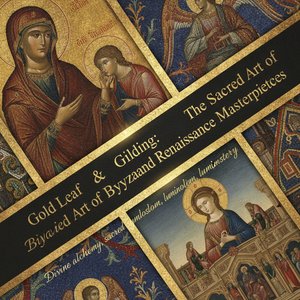
Gold Leaf & Gilding: The Sacred Art of Byzantine and Renaissance Masterpieces
Explore the profound history of gold leaf and gilding in Byzantine and Renaissance art. Discover how this sacred technique transformed religious iconography into celestial phenomena through light, symbolism, and unparalleled craftsmanship.

Golden Masterpieces: 10 Paintings That Define Art History | OriginalUniqueArt
Explore 10 breathtaking paintings where gold leaf shines! From Klimt to Byzantine icons, discover art history’s most gilded masterpieces. Find museum-quality reproductions & elevate your home decor with OriginalUniqueArt. Explore the full collection online.
The Sacred Glow: Mastering Gold Leaf and Gilding in Byzantine Art
Explore the divine mastery of Byzantine gold leaf and gilding. Discover how ancient artisans used gold ground and mosaics to create celestial light, a timeless legacy of spiritual splendor and technical excellence in sacred art history.
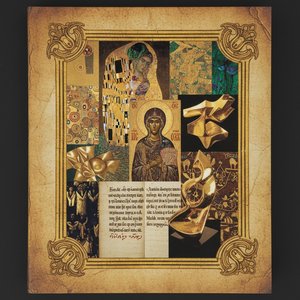
The Allure of Gold in Art History: Symbolism, Technique & Cultural Significance
Explore the rich history of gold in art! Discover symbolism, techniques & cultural significance from ancient civilizations to Klimt's masterpieces. Expert insights for collectors at OriginalUniqueArt.


