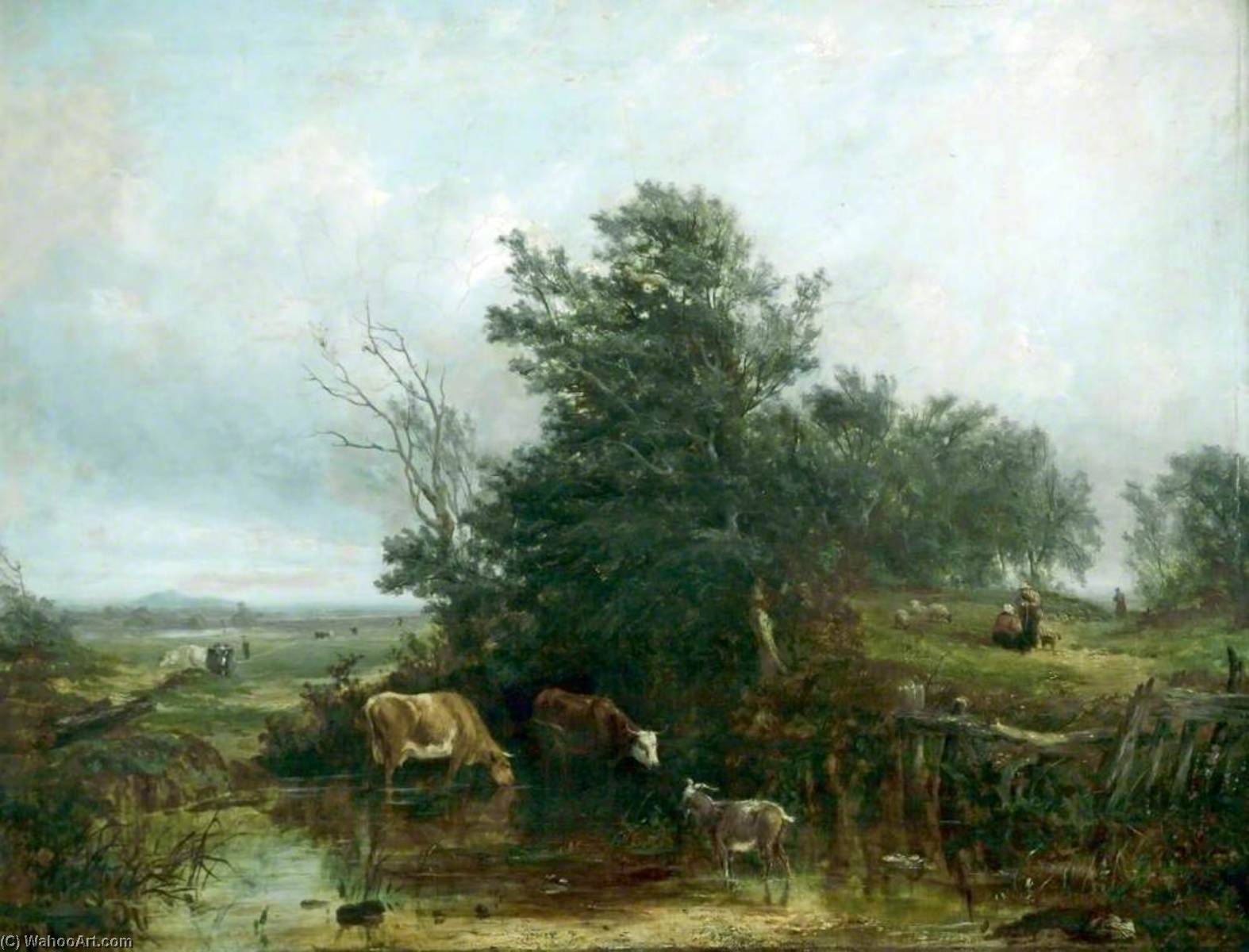
Портрет John Wilson

20 найвідоміших картин John Wilson, кожна з яких є унікальною

Оновлено Листопад 2026 · за рейтингом нашої популярності (кількість пошукових запитів, переглядів та замовлень для кожної роботи) · 20 робіт John Wilson у нашому каталозі

Коротко кажучи

Port Scene (1855) — це картина John Wilson, яка привертає найбільше уваги. Після цього погляд переходить на Fair on the Town Moor, Newcastle (1810) та Shipping off the Coast. Серед 20 робіт John Wilson у нашому каталозі ці 20 є найвідомішими: кожна з них — унікальний оригінал із зазначенням року створення, музею та причини її безсмертя.

1774 – 1855 Romanticism Найбільше робіт: Wolverhampton Art Gallery

Топ-10 картин John Wilson крізь призму галереї

Знамениті картини John Wilson, з 11 по 20

Музеї, у яких зберігаються оригінали John Wilson

8 музеїв, у яких зберігається найбільша кількість картин із цього списку.

Музей Місто Твори John Wilson Картини зі цього списку
Wolverhampton Art Gallery, ВулвергемптонWolverhampton Art Gallery Вулвергемптон 3 Wreck off Folkestone, Landscape with Figures, Approaching Storm, Entrance to the Firth of Forth
Laing Art Gallery, Ньюкасл-апон-ТайнLaing Art Gallery Ньюкасл-апон-Тайн 2 Fair on the Town Moor, Newcastle, St Nicholas Church, Newcastle upon Tyne
Шотландська національна галерея, ЕдінбургШотландська національна галерея Едінбург 2 A Coastal Scene Between Nieuport and Ostend, A Ferry Boat on the Maas
Національна галерея, БристольНаціональна галерея Бристоль 1 Shipping off the Coast
Folkestone Library – History Resource Centre, FolkestoneFolkestone Library – History Resource Centre Folkestone 1 After the Storm
Fishing Heritage Centre, ГримсбіFishing Heritage Centre Гримсбі 1 Small Ships and Boats off the Coast
National Maritime Museum, ЛондонNational Maritime Museum Лондон 1 Paddle Steamer ‘Dumbarton Castle’ in the Clyde off Dumbarton Rock
Leeds Art Gallery, ЛідсLeeds Art Gallery Лідс 1 Coast Scene with Fishing Boats

John Wilson крізь десятиліття: одна унікальна оригінальна робота для кожного

Роботи за десятиліттями

Оберіть десятиліття, щоб побачити оригінальний твір, який його визначає.

Картини John Wilson: запитання до галереї

Яка найвідоміша робота John Wilson?Дізнатися відповідь

Port Scene (1855). Далі йдуть Fair on the Town Moor, Newcastle (1810) та Shipping off the Coast.

У якому віці John Wilson створив(ла) Port Scene?Дізнатися відповідь

81 років: Port Scene датована 1855 роком, а John Wilson народився(-лася) у 1774.

Які десять найвідоміших картин John Wilson?Дізнатися відповідь

Port Scene, Fair on the Town Moor, Newcastle, Shipping off the Coast, After the Storm, A Coastal Scene Between Nieuport and Ostend, A Ferry Boat on the Maas, Small Ships and Boats off the Coast, Sea Piece, On the Scheldt та A Shady Stream. У рейтингу вище вказано рік створення та музей для кожної картини.

Скільки відомих робіт належить John Wilson?Дізнатися відповідь

Наш каталог містить 20 робіт John Wilson, датованих періодом з 1800 по 1855.

Де можна побачити найвідоміші оригінали John Wilson?Дізнатися відповідь

Переважно в Wolverhampton Art Gallery (Вулвергемптон), Laing Art Gallery (Ньюкасл-апон-Тайн) та Шотландська національна галерея (Едінбург). У таблиці музеїв вище наведено їхній повний перелік.

У який період John Wilson створив свої найвідоміші картини?Дізнатися відповідь

У 1810s: 2 із 20 робіт на цій сторінці були створені тоді, серед них Fair on the Town Moor, Newcastle.

Яка з найвідоміших картин John Wilson була написана найраніше, а яка — найпізніше?Дізнатися відповідь

На цій сторінці найдавніша робота датована After the Storm (1800), а найновіша — Port Scene (1855).

До якого напряму належить творчість John Wilson?Дізнатися відповідь

Romanticism, судячи з оригіналів на цій сторінці.

Які оригінальні роботи John Wilson можна побачити в Wolverhampton Art Gallery?Дізнатися відповідь

Wreck off Folkestone, Landscape with Figures та Approaching Storm, Entrance to the Firth of Forth: Wolverhampton Art Gallery, Вулвергемптон зберігає 3 робіт із цієї сторінки.

John Wilson: портрет художника

Early Life and Artistic Beginnings

John H. “Old Jock” Wilson, born in Ayr, Scotland, in 1774, emerged from a background steeped in the practicalities of maritime life—his father was a merchant sea captain. This early connection to the ocean would profoundly shape his artistic trajectory, imbuing his later works with an authenticity and emotional resonance rarely found in purely academic landscapes. Initially destined for a trade, Wilson’s path took an unexpected turn when he apprenticed as a house painter in Edinburgh at the young age of thirteen. However, it was under the tutelage of Alexander Nasmyth, a prominent Scottish landscape artist, that his true vocation began to blossom. For two years, Wilson honed his skills in Montrose, painting evocative scenes and sharing his burgeoning talent by teaching drawing—a testament to his natural inclination for both creation and instruction.

London and the Rise to Prominence

The allure of London beckoned in 1798, a city brimming with artistic opportunity. Wilson initially found work as a scenery painter for Astley’s Amphitheatre and other theatres, a demanding role that nevertheless sharpened his observational skills and mastery of atmospheric perspective. This period proved crucial in developing his ability to capture dramatic light and movement—qualities that would become hallmarks of his mature style. From 1807 onwards, Wilson consistently exhibited at the Royal Academy, showcasing seventy-six paintings over the course of four decades. He also maintained a prolific presence at the British Institution between 1813 and 1854 with an impressive one hundred and forty-four exhibits. His dedication to exhibiting established him within the London art world, garnering recognition for his increasingly sophisticated depictions of coastal scenes and landscapes.

A Master of Marine Painting

Wilson’s artistic focus centered on the raw beauty and untamed power of the sea. He wasn't merely documenting coastlines; he was capturing a feeling—the chill spray of waves, the brooding presence of storm clouds, the delicate interplay of light on water. His paintings often featured small ships battling choppy seas, evoking both the vulnerability and resilience of human endeavor against the forces of nature. This realism, combined with a romantic sensibility, resonated deeply with audiences. In 1825, he received a prestigious premium from the British Institution for *The Battle of Trafalgar*, a work that was subsequently acquired by Lord Northwick—a clear indication of his growing reputation and artistic merit. The painting’s eventual allocation to East Ayrshire Council in 2010 ensured its continued public accessibility, allowing future generations to appreciate Wilson's skill.

Founding the Society of British Artists

Wilson wasn’t content simply to exhibit within established institutions; he actively sought to create new avenues for artistic expression. He was a founding member of the Society of British Artists in 1823, an organization dedicated to promoting the work of British artists independent of the Royal Academy's often-conservative standards. His commitment to this society culminated in his presidency in 1827—a testament to his leadership and influence within the artistic community. Simultaneously, he was elected as an honorary member of the Scottish Academy, further solidifying his position as a respected figure on both sides of the border.

A Legacy Continued Through Generations

John Wilson’s impact extended beyond his own prolific output; he fostered a family tradition of artistic excellence. His son, John James Wilson (known as “Young Jock”), followed in his father's footsteps and became a painter himself. Even further down the line, his grandson, William John Wilson, continued the lineage as a theatre scene painter and manager—a direct continuation of the profession that had launched his grandfather’s career. This multi-generational dedication speaks volumes about Wilson’s enduring influence and the profound impact he had on those around him. His works continue to captivate viewers with their evocative power, offering a glimpse into the beauty and drama of 19th-century coastal life—a legacy that endures through time.