
 Надіслати як листівку
 Поділитися
 Детальніше

 Завантажити
 Схожі експонати
 Слайд-шоу
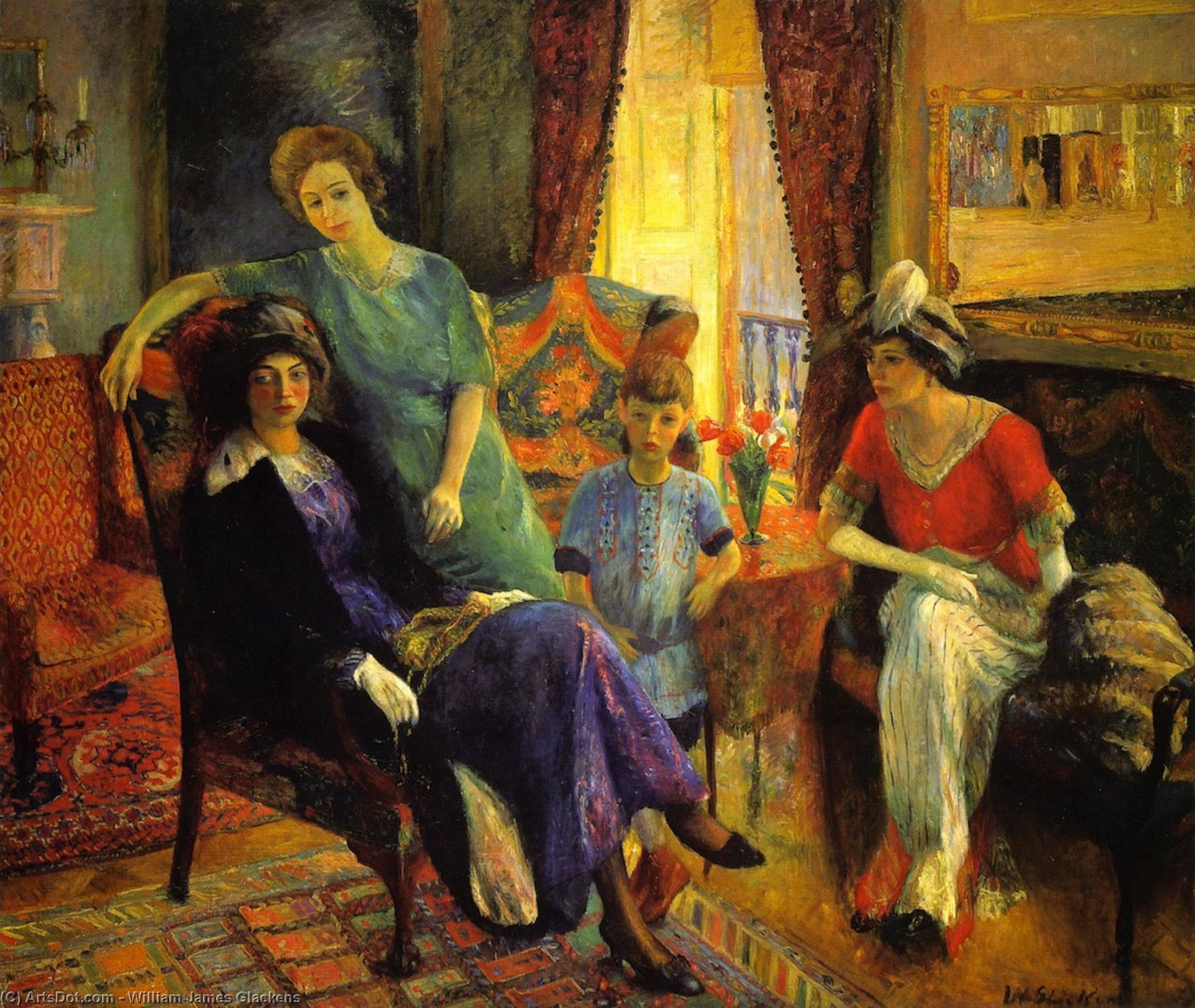
Family group


 Читати далі
Гікле / Художній принт
Музейна якість друку جيкле або на полотні з оперативним виготовленням та різноманітними варіантами фінішної обробки. ( Замовити репродукцію ручної роботи Купити цифрове зображення)




































Обирайте з наших стандартних розмірів, що відповідають оригінальним пропорціям твору мистецтва.

Ви можете вказати власні розміри, щоб репродукція ідеально підійшла до конкретної рами або інтер'єру. Якщо обраний вами розмір не відповідає пропорціям оригіналу, ми або обріжемо полотно, або розширимо зображення за допомогою дзеркального відображення чи суцільної заливки країв. Перед початком виробництва вам буде надіслано цифровий макет для затвердження.
Будь ласка, зверніть увагу, що попередній перегляд на екрані не відображає фактичне обрізання або розширення. Тільки макет точно покаже фінальну композицію.
Хоча можливість замовлення індивідуальних розмірів доступна, ми рекомендуємо обирати формат із попередньо визначеного списку, щоб зберегти оригінальні пропорції.
Доставка по всьому світу () за 2 тижні замість стандартних 4/5 тижнів. (20 Серпень)

Безкоштовна експрес-доставка по всьому світу

Високоякісне лляне полотно

Повне страхове покриття доставки

Гарантія відшкодування митних зборів

Гарантія точного відтворення кольорів

Політика повернення протягом 60 днів (лише у разі виявлення дефектів)

Гарантія повернення 100% коштів

Пропозиція на оптові замовлення
 Скляний варіант доступний лише для розмірів до 110 см

Family group
Гікле / Художній принт
Розмір репродукції
-


Підсумкова вартість
$ 80
Опис експоната
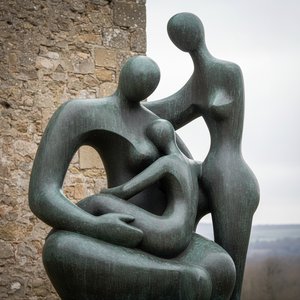
Family Group (1950) - Henry Moore
Henry Moore’s “Family Group,” created in 1950, stands as a cornerstone of British sculpture and exemplifies the artist's signature approach to exploring human form and its relationship with landscape. Commissioned for Barclay School in Stevenage, Hertfordshire, this monumental bronze embodies Moore’s profound belief that art should communicate universal themes of intimacy, vulnerability, and connection—themes powerfully conveyed through his distinctive reductive style.The Artist and His Style: A Pioneer of Organic Form
Henry Moore (1898-1976) was a transformative figure in 20th-century sculpture, rejecting the prevailing geometric abstraction of his time to champion an aesthetic rooted in nature’s contours. Influenced by Surrealism and African art—particularly sculptures depicting stylized human figures—Moore developed a technique known as “organic form,” characterized by simplified shapes that mimic natural forms like pebbles, shells, and tree trunks. This method prioritizes the underlying structure of matter, reducing complex shapes to essential geometric elements while retaining their expressive qualities. Moore’s meticulous attention to detail—evident in the subtle curves and indentations of his sculptures—created a tactile experience for viewers, inviting contemplation on the beauty and resilience of human existence.A Symbol of Family Unity: Composition and Narrative
“Family Group” depicts three figures seated on a bench – a woman, a man, and a child – representing the idealized image of a nuclear family. The sculpture’s deliberate arrangement—the figures leaning slightly back towards each other, their arms curving inwards—creates a sense of warmth and interdependence. Moore famously described this gesture as “the arms of the mother and the father intertwine with the child forming a knot between them, tying the three into a family unity.” This symbolic depiction speaks to fundamental human desires for connection and protection, resonating deeply with audiences across generations. The positioning of the figures—slightly elevated from the bench—suggests a sense of serenity and stability, mirroring the enduring strength of familial bonds.Technique and Material: Bronze Casting – A Legacy of Precision
Moore’s masterful use of bronze casting represents a triumph of craftsmanship and embodies the artist's commitment to exploring material qualities. The sculpture was created using the lost wax method—a technique dating back millennia—which involves creating a detailed clay model, investing it in wax, melting away the wax to create a mold, pouring molten bronze into the mold, and painstakingly removing the solidified metal to reveal the finished piece. This process ensures exceptional accuracy and surface finish, allowing for subtle variations in texture and color that enhance the sculpture’s visual impact. The resulting bronze possesses an inherent luminosity and solidity—a testament to Moore's dedication to capturing both form and substance—creating a timeless artwork that continues to inspire admiration and contemplation.Historical Context: Postwar Britain and Artistic Renewal
“Family Group” emerged during a period of significant artistic renewal in postwar Britain, following the devastation of World War II. The commission for Barclay School reflected a broader effort to revitalize public spaces and foster optimism about the future—themes powerfully expressed through Moore’s sculptural explorations of human form and natural landscapes. This artwork stands as an emblem of British resilience and creativity, demonstrating Moore's ability to translate complex philosophical ideas into emotionally resonant visual experiences. Its enduring appeal underscores the power of art to communicate universal values and inspire a sense of wonder about the beauty of the natural world.Біографія митця
A Pioneer of Ashcan Realism
William James Glackens (March 13, 1870 – May 22, 1938) stands as a cornerstone figure in American art history, particularly recognized for his unwavering dedication to portraying the gritty realities of urban life through masterful realist paintings. Born in Philadelphia, Pennsylvania, he descended from a family steeped in artistic tradition—his father, Samuel Glackens, served as a clerk for the Pennsylvania Railroad, fostering an early appreciation for visual expression within his upbringing. Alongside his brother, Louis Glackens, William demonstrated exceptional talent from youth, enrolling at the Pennsylvania Academy of Fine Arts where he honed his skills under the guidance of Thomas Anshutz, a prominent realist painter who profoundly shaped his artistic vision.The Ashcan School and Its Influence
Glackens’ formative years coincided with the emergence of the Ashcan School—a movement that irrevocably altered the landscape of American art. Rejecting the idealized aesthetics championed by academic institutions, the Ashcan School sought to capture the unfiltered essence of New York City life during its burgeoning industrial era. Influenced deeply by Anshutz's commitment to portraying everyday subjects with unflinching honesty, Glackens joined forces with fellow artists like George Caleb Bingham and Robert Henri to establish this groundbreaking collective. The school’s ethos—to depict urban scenes without embellishment or sentimentality—challenged prevailing artistic conventions and paved the way for a more truthful representation of American society.Glackens' Artistic Style and Technique
Glackens’ distinctive style is characterized by its subdued color palettes, often dominated by earthy tones that effectively convey the atmosphere of his subjects. He meticulously rendered urban environments – bustling streets, tenement buildings, and dimly lit interiors—with remarkable detail, capturing textures and nuances that would have been absent from more polished artistic endeavors. His brushstrokes were deliberate and expressive, conveying a palpable sense of immediacy and observation. Notably, Glackens drew inspiration from Impressionist painters like Pierre Auguste Renoir, incorporating techniques such as broken color and atmospheric perspective to imbue his canvases with luminosity and depth.Notable Works and Collections
Glackens’ artistic legacy is cemented by several iconic paintings that continue to resonate with audiences today. “The Shoppers” (1913), housed in the Chrysler Museum of Art, exemplifies his masterful ability to distill complex urban narratives into compelling visual compositions—a testament to his dedication to capturing the spirit of the era. Similarly, “View of Haarlem with Bleaching Grounds” (circa 1895), now residing at Forzo Castle in Milan, Italy, showcases Glackens’ meticulous attention to detail and his masterful command of color and light. Furthermore, he played a crucial role in bolstering Albert C. Barnes' collection by securing European paintings—a contribution that significantly enriched American art history.A Lasting Impact on American Art
William James Glackens’ unwavering commitment to realism and his pioneering role within the Ashcan School solidified his position as one of America’s foremost artists of the early 20th century. His unflinching portrayal of urban life served as a catalyst for artistic innovation, prompting subsequent generations of painters to confront social realities with courage and conviction. Glackens' enduring influence can be seen in the continued appreciation for gritty realism—a stylistic hallmark that continues to captivate viewers and scholars alike.
Вілліям Джеймс Глаккенс
1870 - 1938 , США
Короткі факти
- Artistic Movement Or Style: Ашканська школа
- Artists Or Movements Influenced By This Artist: ['Пір Ауґюст Реноар']
- Artists Who Influenced This Artist: ['Томас Аншутц']
- Date Of Birth: Філадельфія, США (1870)
- Date Of Death: Вестпорт, Кентуккі (1938)
- Full Name: William James Glackens
- Nationality: Американський
- Notable Artworks:
- «Спостерігач»
- Вид Хаарлема з білилами
- Place Of Birth: Філадельфія, Пенсільванія
Пов'язані статті

10 Легендарних Бронзових Шедеврів, Які Змінили Мистецтво | OriginalUniqueArt
Відкрийте для себе 10 легендарних бронзових шедеврів, що змінили мистецтво! Історія створення, художні техніки та вплив скульпторів Ренесансу й Античності. Купуйте репродукції картин на OriginalUniqueArt.com – музейна якість для вашого дому.

10 легендарних бронзових скульптур, що змінили мистецтво | OriginalUniqueArt
Відкрийте 10 легендарних бронзових скульптур, що змінили хід мистецтва! Дізнайтесь історії Мікеланджело, Родена та інших геніїв. Репродукції картин преміум-класу для вашого дому – на OriginalUniqueArt.com

The Enduring Legacy of Bronze: A Historical & Artistic Exploration for the Collector
Explore the rich history & enduring appeal of bronze sculpture with expert insights for collectors at OriginalUniqueArt. Learn about casting techniques, iconic artists, collecting tips & contemporary interpretations.
Henry Moore: Sculpting Modernity – Form, Emotion & the Human Condition
Explore the revolutionary sculptures of Henry Moore – abstract forms, reclining figures & powerful expressions of the human condition. Discover his legacy & artistic process with OriginalUniqueArt.

The Enduring Legacy of Bronze: History, Technique & Artistic Expression for the Collector
Explore the rich history & enduring appeal of bronze sculpture with expert insights for collectors at OriginalUniqueArt. Learn about casting techniques, iconic artists, and collecting tips.



