

 Переглянути в інтер'єрі
 Надіслати як листівку
 Поділитися
 Детальніше

 Завантажити
 Схожі експонати
 Рентгенівське дослідження
 Слайд-шоу
 Статистика
Granida and Diafilo


 Читати далі
Придбайте цифрову копію високої роздільної здатності з покращеною якістю, що значно перевершує онлайн-перегляд.
Кожен файл ретельно підготовлений нашими фахівцями за допомогою сучасних інструментів та професійної ручної ретуші. Ми гарантуємо виняткову чіткість, точну передачу кольору та високу деталізацію кожного зображення.
Фінальний файл надсилається електронною поштою протягом 72 годин і оптимізований для негайного використання у професійних виданнях та друкованих матеріалах. Таку якість обирають провідні дизайнерські студії, видавництва та галереї.
Цифрове зображення
Завантажте файл високої роздільної здатності для особистого використання, друку та творчих проєктів. ( Перейти до друку Замовити репродукцію ручної роботи)
Переваги кожного замовлення цифрових зображень
Експертна цифрова доставка з гарантією якості
Обираючи OriginalUniqueArt.com, ви отримуєте не просто зображення — ви отримуєте професійно вдосконалений цифровий витвір мистецтва, створений з надзвичайною точністю та підкріплений гарантією задоволення. Ось усе, що автоматично додається до вашого замовлення:

Швидка доставка на email
Ваш цифровий файл із зображенням високої роздільної здатності буде надісланий вам електронною поштою протягом 72 годин після оформлення замовлення — він буде готовий до негайного використання.

Цифровий файл із покращенням ШІ
Ваш витвір мистецтва професійно оптимізовано за допомогою передових інструментів штучного інтелекту та ручної корекції, що забезпечує максимальну деталізацію, чіткість і точність передачі кольорів.

Безкоштовне повторне завантаження назавжди
Випадково видалили або втратили файл? Не хвилюйтеся — ми надішлемо його вам повторно в будь-який час безкоштовно.

Без митних зборів — ніколи
Насолоджуйтесь вашим витвором мистецтва миттєво без жодних мит, зборів або плати за доставку — цифрові завантаження завжди не оподатковуються.

Гарантія точності кольорів
Ми гарантуємо максимально точне відтворення оригінальних кольорів на вашому цифровому зображенні завдяки використанню професійних інструментів та систем управління кольором.

100-денна гарантія задоволення
Якщо ви не задоволені придбаним цифровим зображенням, ми внесемо правки або повернемо 100% вартості протягом 100 днів — без зайвих запитань.

Гарантія повернення 100% коштів
Незадоволені покупкою? Отримайте повне повернення коштів протягом 100 днів після отримання цифрового файлу — без зайвих запитань.

Знижки на оптові замовлення
Купуйте 3 зображення — заощаджуйте 10% — Купуйте 5 — заощаджуйте 15% — Купуйте 10+ — заощаджуйте 20%. Чудово підходить для творчих проєктів, галерей та агентств.
A Tender Encounter in the Golden Glow of the Baroque
In the delicate interplay of light and shadow, Pieter van der Werff’s 1711 masterpiece, Granida and Diafilo, invites the viewer into a world of profound intimacy and pastoral romance. This exquisite painting captures a fleeting, breathless moment between two lovers, set against a backdrop that feels both timeless and deeply atmospheric. The composition centers on a seated figure, draped in rich, crimson fabrics that command attention, gently offering a small token—perhaps a flower or an apple—to her reclining companion. As the light of a setting sun or rising dawn washes over the scene, it illuminates the soft textures of skin and silk, creating a sense of palpable warmth. The figures are nestled within a lush, natural sanctuary where the foliage breathes with life, and the sky transitions through a dreamlike spectrum of azure and amber, evoking the quiet magic of a twilight encounter.
The artistry of Van der Werff is on full display through his masterful command of the Baroque style, characterized by a refined realism that borders on the porcelain. Unlike the more rugged textures found in some of his contemporaries, Van der Werff’s technique is marked by an extraordinary smoothness and meticulous attention to detail. Every fold of the heavy red drapery, every strand of hair, and the subtle luminosity of the figures' complexions are rendered with a precision that suggests a deep reverence for classical beauty. This smooth, almost enamel-like finish allows light to dance across the surface of the canvas, lending a three-dimensional volume to the bodies and a lifelike vitality to the surrounding landscape. For the discerning collector or interior designer, this level of technical sophistication offers a centerpiece that radiates elegance and a sense of historical prestige.
Symbolism and the Language of Courtly Love
Beyond its visual splendor, Granida and Diafilo serves as a narrative window into the themes of courtship and destiny. The title itself points toward a legendary tale of pastoral romance, where characters often represent the purity of emotion amidst the complexities of fate. The act of presenting a small object—a symbol of affection and a peace offering—acts as the emotional fulcrum of the piece, bridging the space between the seated and reclining figures. This gesture, combined with the soft, adoring gaze of Diafilo, speaks to the universal language of devotion. The setting, a secluded grove at the edge of day and night, symbolizes a liminal space where the boundaries between the human heart and the natural world dissolve, making the painting not just a depiction of a story, but an exploration of the very essence of romantic longing.
For those looking to integrate such a profound work into a curated space, this reproduction offers more than mere decoration; it provides an emotional anchor. The painting’s ability to evoke nostalgia and tranquility makes it an ideal choice for sophisticated living areas or quiet study retreats. It carries with it the weight of the Dutch Golden Age's refined sensibilities, bringing a touch of 18th-century courtly grace into the modern home. Whether viewed as a triumph of light and color or as a poetic meditation on love, Van der Werff’s work remains a captivating testament to the enduring power of classical storytelling through art.
Біографія митця
A Refined Vision of the Dutch Golden Age: Pieter van der Werff
Pieter van der Werff, a name perhaps less immediately recognized than those of Rembrandt or Vermeer, nevertheless occupies a significant and fascinating niche within the pantheon of Dutch Golden Age painters. Born in The Hague in 1665 and passing away in Rotterdam in 1722, his career unfolded during a period of immense artistic flourishing in the Netherlands, yet he carved out a distinctive style characterized by elegance, meticulous detail, and an early embrace of innovative pigments. His life was deeply intertwined with that of his older brother, Adriaen van der Werff, who served as both mentor and foundational influence, shaping Pieter’s trajectory from its earliest stages. While Adriaen achieved considerable renown – even securing a prestigious position at the court of the Elector Palatine – Pieter established himself primarily in Rotterdam, becoming the favored portraitist of the city's affluent citizenry and leaving behind a legacy that offers invaluable insights into the social fabric and aesthetic sensibilities of his time.Formative Years and Artistic Development
The artistic education received by Pieter van der Werff was profoundly shaped by familial ties. His older brother, Adriaen, already an established painter, provided not only technical instruction but also a crucial introduction to the prevailing artistic currents of the day. This early tutelage instilled in Pieter a commitment to precision and refinement, qualities that would become hallmarks of his mature style. He quickly distinguished himself through a remarkable ability to capture likenesses with both accuracy and psychological depth. His portraits weren’t merely representations of physical appearance; they were carefully constructed portrayals of status, personality, and social standing. The Baroque aesthetic, dominant during this era, profoundly influenced his work, manifesting in dramatic compositions, rich color palettes, and a heightened sense of emotional intensity. However, Pieter tempered the grandiosity often associated with Baroque art with a distinctly Dutch sensibility – a focus on realism, intimate detail, and a subtle psychological nuance that set him apart from many of his contemporaries.Portraits, Mythological Scenes, and a Pioneering Spirit
Van der Werff’s artistic output was diverse, encompassing portraiture, mythological scenes, historical narratives, and occasional forays into genre painting. However, it is in the realm of portraiture that he truly excelled. He immortalized prominent figures such as Paulus Verschuur, a Burgomaster of Rotterdam, and even Peter the Great of Russia, demonstrating his ability to convey power and authority through masterful brushwork and astute observation. These portraits are not simply historical records; they are compelling studies in character, revealing the inner lives of those who commissioned them. Beyond portraiture, Van der Werff engaged with classical mythology and history, creating works like “Expulsion of Adam and Eve” and “Granida and Diafilo,” which showcase his skill in depicting dramatic narratives and complex compositions. He also explored more intimate scenes of everyday life, as seen in paintings such as “Bellen blazen (Bubble Blowing),” revealing a sensitivity to the nuances of human interaction.A Master of Color: The Use of Prussian Blue
Pieter van der Werff’s artistic innovation extended beyond his technical skill; he possessed an exceptional understanding of color theory and employed it with remarkable artistry. He was among the first Dutch painters to embrace Prussian blue, a newly synthesized pigment that arrived in Europe from Prussia around 1704. This vibrant hue – previously unavailable due to its difficulty in production – revolutionized painting techniques and allowed artists like Van der Werff to achieve unprecedented levels of luminosity and depth in their works. The incorporation of Prussian blue into landscapes and portraits alike became a signature element of his style, distinguishing him from many of his peers and elevating the aesthetic quality of his paintings.Legacy and Historical Significance
Pieter van der Werff’s importance extends beyond the beauty of his artistic creations. His work serves as a valuable historical document, offering insights into the lives, fashions, and cultural values of Rotterdam's elite during the Dutch Golden Age. His portraits provide a visual record of the individuals who shaped the city’s political, economic, and social landscape. Furthermore, Van der Werff’s contribution to artistic innovation – specifically his pioneering use of Prussian blue – cemented his place as one of the most influential painters of his time. Today, his paintings are held in esteemed museums and private collections around the world, providing ample opportunities for continued study and appreciation. His legacy endures as a testament to the enduring power of portraiture and the artistic achievements of the Dutch Golden Age—a quiet brilliance that continues to inspire admiration and scholarly inquiry.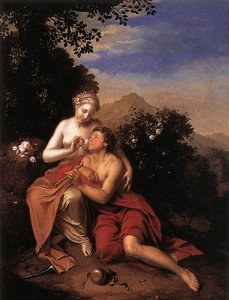
Пітер ван дер Верф
1665 - 1722 , Нідерланди
Основна інформація
- Artistic Movement Or Style: Барокко
- Artists Who Influenced This Artist: Адріаан ван дер Верф
- Date Of Birth: 1665
- Date Of Death: 1722
- Full Name: Pieter van der Werff
- Nationality: Нідерландський
- Notable Artworks:
- Вигнання Адама і Єви
- Граніда й Діафіло
- Пузикаріння
- Портрет Йогана де Врієса
- Place Of Birth: Тегев, Нідерландів