Post-Impressionism · 1925
The Windows (П'Єр Боннар, 1925)
П'Єр Боннар (1867–1947) створив The Windows. Дата створення — 1925. Він належить до напряму Post-Impressionism. Виконано в Oil On Canvas.
- 1925
- Oil On Canvas

 Переглянути в інтер'єрі

 Картина олією ручної роботи
 Надіслати як листівку
 Поділитися
 Інформаційна картка


 Завантажити
 Схожі екземпляри
 Рентгенівське дослідження
 Слайд-шоу
 Питання та відповіді

 Статистика
The Windows коротко
- Назва
- The Windows
- Художник
- П'Єр Боннар (1867–1947)
- Рік народження митця
- Фонтене-о-Роз, Франція
- Дата
- 1925
- Матеріал
- Oil On Canvas
- Період
- 19th Century
- Сюжет
- mediterranean view, interior landscape, window composition, post-impressionism art, light and shadow, domestic scene
Що зображено на The Windows?
A Window on Memory: Pierre Bonnard’s ‘The Windows’
Pierre Bonnard's “The Windows,” painted in 1925, is more than just a still life; it’s an intimate meditation on light, memory, and the quiet beauty of domesticity. The artwork immediately draws the viewer into a warmly lit interior space, a room imbued with a palpable sense of tranquility. Through the open window, a vibrant Mediterranean town unfolds – a distant echo of warmth and color that subtly shapes the mood of the scene. Bonnard’s masterful use of perspective creates a layered composition, guiding our eye from the tangible objects within the room—a book titled ‘Marie,’ a paintbrush, an inkwell—to the expansive vista beyond, blurring the boundaries between the personal and the universal.
- Post-Impressionist Vision: “The Windows” firmly establishes Bonnard’s place within the Post-Impressionist movement. Influenced heavily by Paul Gauguin's bold color palettes and flattened perspective, Bonnard rejects strict realism in favor of a subjective interpretation of reality. The visible brushstrokes, applied with a confident hand, contribute to a richly textured surface that invites close inspection.
- Technique & Materials: Executed in oil paints on canvas, the artwork showcases Bonnard’s signature impasto technique – thick layers of paint built up to create a tactile and luminous effect. This is particularly evident in the window frame and the book cover, where the paint seems to shimmer with reflected light.
- Color as Emotion: Bonnard's color choices are deliberately emotive, eschewing naturalistic representation for hues that evoke specific feelings. The warm yellows, oranges, and reds of the interior contrast dramatically with the cooler blues and greens of the distant landscape, creating a dynamic visual tension.
Decoding the Symbolism
Beyond its technical brilliance, “The Windows” is rich in symbolic potential. The inclusion of ‘Marie,’ a book bearing this name, has been interpreted as representing love or memory – perhaps a cherished recollection brought to life through the artist’s gaze. The window itself acts as a portal, not just to a physical location but also to a realm of contemplation and introspection. The simplified shapes and organic forms throughout the composition suggest a desire to capture the essence of things rather than their precise details, aligning with Bonnard's broader artistic philosophy.
- The Mediterranean Landscape: The distant town, rendered in atmospheric perspective – paler colors and less detail for objects further away – symbolizes escape, longing, or perhaps a nostalgic yearning for the sun-drenched landscapes of Southern France, where Bonnard spent much of his life.
- Domestic Objects as Vessels of Memory: The carefully arranged objects within the room—the book, paintbrush, inkwell—are not merely props; they are imbued with personal significance, suggesting a connection to Bonnard’s own experiences and emotions.
Historical Context & Artistic Legacy
Painted in 1925, “The Windows” reflects the evolving artistic landscape of early 20th-century France. Bonnard was working at a pivotal moment, navigating between the traditions of Impressionism and the radical experimentation of Cubism and other avant-garde movements. His work, though rooted in observation, is profoundly subjective, prioritizing emotional resonance over objective representation. This approach anticipated many of the developments that would shape modern art.
Artist Information: Pierre Bonnard (1867-1947) was a prominent figure in the Post-Impressionist movement, renowned for his evocative depictions of domestic interiors and landscapes. His distinctive style, characterized by bold color choices, loose brushwork, and a focus on capturing light and atmosphere, continues to captivate audiences today.Зображення високої роздільної здатності The Windows

Суспільне надбання: художник помер у 1947 році.
Інші розміри, кадри та цитування →П'Єр Боннар, The Windows (1925). Суспільне надбання
Відповіді на запитання про The Windows
У якому році було створено «The Windows» роботи П'Єр Боннар?
«The Windows» датована 1925 роком. Ця дата дозволяє визначити місце твору в творчому шляху П'Єр Боннар та відповідну епоху.
Яка техніка виконання у «The Windows» роботи П'Єр Боннар?
Для створення «The Windows» П'Єр Боннар використав(ла) техніку Oil On Canvas. Саме ця техніка визначає матеріальну природу оригінального твору.
Що зображено на творі «The Windows» роботи П'Єр Боннар?
Тематика, представлена у «The Windows» роботи П'Єр Боннар, включає mediterranean view, interior landscape, window composition, post-impressionism art, light and shadow, domestic scene, color palette study. Разом вони підсумовують зміст твору.
Чи не захищений твір "The Windows" авторським правом?
«The Windows» роботи П'Єр Боннар перебуває у є суспільним надбанням — термін дії авторського права закінчився. Цей статус визначає правила відтворення зображення твору.
Якому художнику приписують роботу "The Windows"?
«The Windows» було створено П'Єр Боннар. Інформація на цій сторінці описує оригінальний твір П'Єр Боннар.
До якого художнього напряму належить «The Windows» роботи П'Єр Боннар?
Мистецький напрям, до якого належить «The Windows» роботи П'Єр Боннар, — це Post-Impressionism. Така класифікація дозволяє розмістити цей твір у контексті суміжних митців та творів мистецтва.
Яке місце посідає «The Windows» у творчому шляху П'Єр Боннар?
«The Windows» належить до Mature Period творчого шляху П'Єр Боннар. Ця класифікація пов’язує твір із етапом становлення митця.
Скільки років було П'Єр Боннар, коли створювався твір "The Windows" у 1925 році?
П'Єр Боннар створив(ла) «The Windows» у віці 58 років. Митець народився(лася) у 1867, а дата створення твору — 1925.
Яким чином обґрунтовано статус авторського права на «The Windows» роботи П'Єр Боннар?
«The Windows» за авторством П'Єр Боннар перебуває у є суспільним надбанням — термін дії авторського права закінчився. Термін дії авторського права розраховується з року смерті митця; П'Єр Боннар помер(ла) у 1947.
Про художника П'Єр Боннар
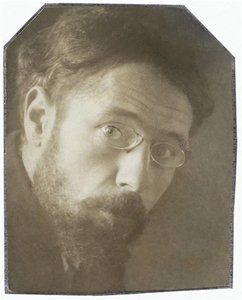
1867–1947, Франція
П'Єр Боннар
Ранні роки, сім'я та навчання П'єр Боннар з'явився на світ 3 жовтня 1867 року у Фонтен-о-Роз, у департаменті Верхня Сена, Франція. Він народився в родині, де панували чіткі очікування та порядок; його батько, Ежен Боннар, обіймав високу посаду в Міністерстві військових справ Франції. Хоча його коріння було глибоко вкорінене в адміністративній стабільності державної служби, домашній світ П'єра формувала його мати, Елізабет Мерцдорф, родом з Ельзасу. Він ріс разом зі своїм братом Шарлем та сестрою Андре в оселі, де згодом його сестра вийде заміж за композитора Клода Терраса.
Також за участю П'Єр Боннар
 Нюд1920
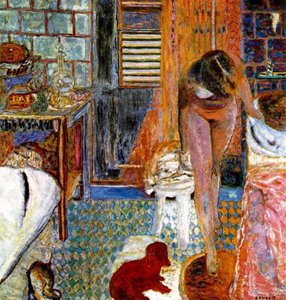 La toilette, ca Private1932
 The almond tree in blossom
 Le placard rouge (The Red Cupboard),1939

Есе до твору The Windows
 Топ-10 шедеврів імпресіонізму: картини, що змінили світ мистецтва | OriginalUniqueArtВідкрийте для себе 10 шедеврів імпресіонізму від Моне, Ренуара та Дега! Дізнайтесь історію створення культових картин, техніки та вплив на …
 Capturing Emotion: The Enchanting World of Romantic Illustration and the Art of Visual PoeticsExplore the evocative beauty of Romantic illustration. From Art Nouveau to Victorian classics, discover how master illustrators capture pro…
 Chasing the Sun: The Ethereal Magic of Window Light in Impressionist MasterpiecesDiscover the ethereal beauty of window light in Impressionist masterpieces. Explore a visual journey through Monet, Bonnard, and Van Gogh, …