
 Надіслати як листівку
 Поділитися
 Деталі витвору
 Посібник

 Завантажити
 Схожі екземпляри
 Слайд-шоу
 Q&A
Q&A Статистика
Female Fig Leaf


 Розгорнути текст
Мистецький твір, представлений на цій сторінці, захищений законом про авторське право, що унеможливлює легальне створення або продаж його ідентичної репродукції. Цей захист забезпечується відповідно до міжнародних угод, таких як Бернська конвенція та національним законодавством, зокрема положеннями, що викладені в Законодавство США про авторське право — Розділ 17. Всі права захищені. Будь-яке використання без дозволу заборонено.
Цей метод повністю відповідає нормам авторського права, оскільки він не передбачає копіювання чи дублювання захищеного твору мистецтва. Натомість це творче переосмислення — створення нового малюнка під впливом оригіналу, який не є його точним відтворенням.
Гікле / Художній принт
Друк جيкле або на полотні музейної якості з оперативним виготовленням та різноманітними варіантами фінішної обробки. ( Замовити картину ручної роботи Перейти до цифрових зображень)




































Обирайте з наших стандартних розмірів, що відповідають оригінальним пропорціям твору мистецтва.

Введіть необхідну ширину та висоту, щоб принт ідеально підійшов до вашої рами або стіни. Принт можна лише обрізати, але не можна зробити більшим за оригінал, тому при зміні пропорцій частина зображення буде втрачена. Перед друком ми надсилаємо вам цифровий макет для затвердження. Зображення на цій сторінці не відображає реальну обрізку — її можна побачити лише на макеті.
Доставка по всьому світу () за 2 тижні замість стандартних 4/5 тижнів. (3 Листопад)

Безкоштовна експрес-доставка по всьому світу

Високоякісне лляне полотно

Повне страхове покриття доставки

Гарантія повернення митних зборів

Гарантія точного відтворення кольорів

Політика повернення протягом 100 днів (лише у разі виявлення дефектів)

Гарантія повернення 100% коштів

Пропозиція на оптові замовлення
 Скляний варіант доступний лише для розмірів до 110 см

Female Fig Leaf
Гікле / Художній принт
Розмір репродукції
-


Підсумкова вартість
₴ 3609
A Paradox Embodied: Marcel Duchamp’s ‘Female Fig Leaf’
Marcel Duchamp's *Female Fig Leaf*, created in 1950 and later cast in bronze in 1961, is far more than a small-scale sculpture; it’s a potent distillation of the Dada movement’s rebellious spirit and Duchamp’s lifelong fascination with challenging artistic conventions. This work exists within a complex web of interconnected ideas, most notably its relationship to Duchamp's monumental *Etant donnés* (Given), a secret project he labored on for decades.Dada & The Rejection of Tradition
Born from the disillusionment following World War I, Dada was an artistic and cultural movement that vehemently rejected reason and logic, embracing instead absurdity, irrationality, and chance. Duchamp was a pivotal figure in this revolution, questioning the very definition of art. *Female Fig Leaf* perfectly embodies this spirit – it’s a provocative gesture against established norms, forcing viewers to confront their preconceived notions about beauty, representation, and artistic value.Form & Technique: A Reverse Impression
The sculpture depicts what appears to be a fragment of the female torso, but with a crucial twist: it is a *reverse* cast. Instead of an outward projection, it’s an indentation, a negative space molded into bronze. This immediately disrupts expectations and introduces a sense of unsettling ambiguity. The smooth, cool surface of the bronze contrasts sharply with the implied softness of flesh, creating a tactile tension. Duchamp initially created plaster molds, one gifted to Man Ray who oversaw the production of painted plaster examples, before the final edition in bronze was produced by Galerie Rive Droite in Paris.Symbolism & The Allusion to *Etant donnés*
The sculpture’s connection to *Etant donnés* is key to understanding its deeper meaning. It's believed to be based on a mold taken from the exposed genitalia of the female figure within that larger, hidden work – a three-dimensional realization of themes explored in Duchamp’s earlier painting, *The Bride Stripped Bare by her Bachelors, Even*. The title itself is deeply ironic. A “fig leaf” traditionally symbolizes modesty and censorship, yet here it represents an explicitly sexual form, albeit presented in a deliberately indirect and unsettling manner. This juxtaposition highlights Duchamp's playful subversion of traditional symbolism.Emotional Impact & Lasting Legacy
*Female Fig Leaf* isn’t intended to be conventionally beautiful or pleasing. It provokes thought, challenges assumptions, and invites interpretation. The sculpture evokes a sense of mystery, vulnerability, and perhaps even voyeurism. Its power lies in its ambiguity – it refuses easy answers and demands active engagement from the viewer. Duchamp's work continues to resonate with contemporary artists and collectors alike, influencing generations with its radical approach to artmaking and its enduring exploration of form, meaning, and perception.Collecting & Interior Design Considerations
- A Conversation Starter: This sculpture is guaranteed to be a focal point in any collection, sparking dialogue and intellectual curiosity.
- Minimalist Settings: Its sleek bronze form lends itself well to minimalist or modern interiors, providing a striking contrast against clean lines and neutral palettes.
- Placement & Lighting: Consider placement on a pedestal or within a niche, with focused lighting to accentuate the sculpture’s contours and texture.
- Conceptual Harmony: Pair with works that explore themes of sexuality, abstraction, or the subversion of traditional forms for a cohesive artistic statement.
Питання та відповіді
До якої епохи належить "Female Fig Leaf"?
«Female Fig Leaf» роботи Марсель Дюшан датується — Високе Середньовіччя періодом. Ця епоха створює історичний контекст твору.
Яке місце посідає «Female Fig Leaf» у творчому шляху Марсель Дюшан?
«Female Fig Leaf» належить до Mature Period Марсель Дюшан.
Де я можу переглянути попередній перегляд "Female Fig Leaf"?
Попередній перегляд «Female Fig Leaf» роботи Марсель Дюшан доступний на сторінці Перегляд у інтер'єрі твору.
Біографія митця
Дух революціонера: Життя та мистецтво Марселя Дюшана
Марсель Дюшан, який народився під іменем Анрі-Робер-Марсель Дюшан у 1887 році в Блейнвіль-сюр-Мер, Нормандія, був не просто художником; він був філософським провокатором, що докорінно змінив хід розвитку сучасного мистецтва. Його ранні роки, хоча й здавалися звичайними — він виріс у родині, де цінували мистецьку експресію, а обидва його брати побудували успішні кар'єри митців — вже тоді приховували ознаки майбутнього іконоборства. Спочатку Дюшан проходив класичну підготовку, опановуючи традиційні техніки та експериментуючи з постімпресіоністськими стилями. Однак цей академічний фундамент став не самоціллю, а трампліном для переосмислення самої природи мистецтва, його мети та визначення. Він не бажав просто відтворювати світ; він прагнув кинути виклик тому, як ми його сприймаємо, і що саме створює художню цінність. Ця невпинна інтелектуальна допитливість стала визначальною рисою його плідної творчості.Від кубізму до дадаїзму: Відмова від умовностей
Мистецький шлях Дюшана позначений постійною еволюцією, свідомим позбавленням усталених норм. Його перше залучення до кубізму, що проявилося в таких роботах, як Портрет гравців у шахи (1911), продемонструвало інтерес до фрагментованих форм і множинних перспектив — відхід від традиційної репрезентації. Проте він швидко вийшов за межі суто естетичних турбот, усвідомивши, що простого перерозподілу візуальних елементів недостатньо для вирішення глибинних питань, що вирували в його душі. Жахи Першої світової війни підживили це невдоволення, змусивши Дюшана прийняти дадаїзм — рух, народжений із розчарування та відмови від логіки, розуму й традиційних художніх цінностей. Саме в межах дадаїзму Дюшан по-справжньому почав демонтувати загальноприйняті уявлення про мистецтво. Його не цікавило створення красивих об'єктів; він прагнув провокувати думку, кидати виклик припущенням і викривати довільність естетичного судження. Цей період став часом народження його найбільш радикальної інновації: «ready-made» (готового речі).Ready-mades та підрив основ мистецтва
Впровадження ready-mades — звичайних промислових об'єктів, обраних і представлених як мистецтво — стало найважливішим внеском Дюшана у XX століття. Це не були просто знайдені предмети; це були навмисні акти художнього підриву. Взявши повсякденну річ, таку як пісуар (Фонтан, 1917), підписавши його «R. Mutt» і подавши на мистецьку виставку, Дюшан кинув виклик самому визначенню художньої майстерності та авторства. Чи була це рука художника, що створила твір, чи це була ідея художника? Це питання стало центральним у його практиці та заклало фундамент для концептуалізму. Інші відомі ready-mades, як-от L.H.O.O.Q. (1919) — репродукція листівки з Мона Лізою, на якій з'явилися вуса та еспаньйолка — були грайливою, але гострою критикою історії мистецтва та встановлених культурних ікон. Ці роботи не призначалися для милування їхніми естетичними якостями; вони мали провокувати дискусії та змушувати глядачів переглянути свої упередження про те, що є мистецтвом. Дюшан вірив, що мистецтво має жити в розумі, а не лише в очах.Спадщина та безсмертний вплив
Вплив Марселя Дюшана на наступні покоління митців є безмірним. Він фундаментально змінив наше розуміння мистецтва, проклавши шлях таким напрямам, як концептуалізм, мінімалізм, поп-арт та багатьом іншим. Його акцент на ідеї художника — концепції, що стоїть за твором — над його естетичними якостями продовжує надихати митців і сьогодні.- Кубізм: ранні дослідження роздроблених форм та просторової репрезентації.
- Дадаїзм: відмова від логіки, розуму та традиційних художніх цінностей у відповідь на Першу світову війну.
- Концептуальне мистецтво: акцент на ідеї художнього твору, а не на його естетичних характеристиках.
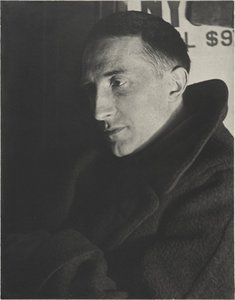
Марсель Дюшан
1887 - 1968 , Франція
Короткі факти
- Artistic Movement Or Style:
- Кубізм
- Дадаїзм
- Концептуальне мистецтво
- Artists Or Movements Influenced By This Artist:
- Концептуальне мистецтво
- Поп арт
- Мінімалізм
- Date Of Birth: 28 липня 1887 р.
- Date Of Death: 2 жовтня 1968 р.
- Full Name: Marcel Duchamp
- Nationality: Французький
- Notable Artworks:
- Фонтан
- Л.Х.О.О.К.
- Велике скло
- Боîte-en-valise
- Place Of Birth: Блейнвіль-сюр-Мер, Франція
Пов'язані статті

The Enduring Legacy of Bronze Sculpture: A Collector's Guide to Form & Cultural Significance
Explore the rich history & enduring appeal of bronze sculpture with expert insights for collectors at OriginalUniqueArt. Learn about casting techniques, iconic artists, and collecting tips to build a discerning art collection.

10 легендарних бронзових скульптур, що змінили мистецтво | OriginalUniqueArt
Відкрийте 10 легендарних бронзових скульптур, що змінили хід мистецтва! Дізнайтесь історії Мікеланджело, Родена та інших геніїв. Репродукції картин преміум-класу для вашого дому – на OriginalUniqueArt.com

The Enduring Legacy of Bronze: A Historical & Artistic Exploration for the Collector
Explore the rich history & enduring appeal of bronze sculpture with expert insights for collectors at OriginalUniqueArt. Learn about casting techniques, iconic artists, collecting tips & contemporary interpretations.

The Enduring Legacy of Bronze: History, Technique & Artistic Expression for the Collector
Explore the rich history & enduring appeal of bronze sculpture with expert insights for collectors at OriginalUniqueArt. Learn about casting techniques, iconic artists, and collecting tips.

10 Легендарних Бронзових Шедеврів, Які Змінили Мистецтво | OriginalUniqueArt
Відкрийте для себе 10 легендарних бронзових шедеврів, що змінили мистецтво! Історія створення, художні техніки та вплив скульпторів Ренесансу й Античності. Купуйте репродукції картин на OriginalUniqueArt.com – музейна якість для вашого дому.


