Romantic Landscape Painting · 1816
wivenhoe park (Джон Констебл, 1816)
Джон Констебл (1776–1837) створив wivenhoe park. Дата створення — 1816. Він належить до напряму Romantic Landscape Painting. Виконано в Oil On Canvas.
- 1816
- Oil On Canvas

 Переглянути в інтер'єрі

 Картина олією ручної роботи
 Надіслати як листівку
 Поділитися
 Інформаційна картка


 Завантажити
 Схожі екземпляри
 Рентгенівське дослідження
 Слайд-шоу
 Питання та відповіді

 Статистика
wivenhoe park коротко
- Назва
- wivenhoe park
- Художник
- Джон Констебл (1776–1837)
- Рік народження митця
- Іст-Берголт, Сполучене Королівство
- Дата
- 1816
- Матеріал
- Oil On Canvas
- Період
- 19th Century
- Сюжет
- landscape painting, rural england, cow herd, light & shadow, pastoral scene, british art
Що зображено на wivenhoe park?
A Symphony of Light and Pastoral Serenity
In the annals of English Romanticism, few works capture the ephemeral magic of the countryside as profoundly as John Constable’s Wivenhoe Park. Completed in 1816, this masterpiece serves as much more than a mere topographical record of an Essex estate; it is a poetic meditation on the harmony between humanity and the natural world. As the eye wanders across the canvas, one is immediately struck by the palpable sense of peace that pervades the scene. The lush, verdant meadows, dotted with grazing cows and spirited horses, evoke a pastoral ideal where time seems to slow, inviting the viewer into a realm of eternal tranquility. For the discerning collector or interior designer, this painting offers an unparalleled sense of calm, making it a foundational piece for any space intended to inspire reflection and grace.
Constable’s technical mastery is most evident in his revolutionary approach to light and atmosphere. Eschewing the rigid, static compositions of his predecessors, he employed a loose, expressive brushwork that allows the sunlight to appear as if it is actively dancing across the landscape. Through the delicate use of atmospheric perspective, Constable creates a breathtaking sense of depth, where distant trees dissolve into soft, hazy blues and greens, suggesting the moisture-laden air characteristic of the English climate. This interplay of brilliant sunshine and cool, dappified shade creates a dynamic tension that breathes life into the canvas, ensuring that the painting feels less like a frozen moment and more like a living, breathing ecosystem.
Historical Resonance and Symbolic Depth
Beyond its aesthetic splendor, Wivenhoe Park carries significant historical weight. Commissioned by Major General Francis Slater Rebow, the painting stands as a testament to the patronage system that allowed the Romantic movement to flourish in Britain. The subject matter—the Rebow family's estate—was not merely a display of landed wealth but a celebration of fertility and abundance. The presence of livestock and the subtle inclusion of figures tending to the land symbolize a symbiotic relationship between man and nature, a theme that resonated deeply during an era when the Industrial Revolution was beginning to irrevocably alter the British landscape. By focusing on this idyllic, untouched version of the countryside, Constable provides a nostalgic window into a vanishing way of life.
For those seeking to integrate fine art into a modern interior, a high-quality reproduction of this work offers more than just decoration; it brings a narrative of endurance and beauty. The painting’s ability to anchor a room with its soft palette and rhythmic composition makes it an ideal choice for creating sophisticated, soulful environments. Whether placed in a sunlit study or a grand living area, Wivenhoe Park continues to perform its original function: acting as a window into a world of sublime harmony, reminding us of the enduring power of the natural spirit.
Зображення високої роздільної здатності wivenhoe park
Суспільне надбання: художник помер у 1837 році.
Джон Констебл, wivenhoe park (1816). Суспільне надбання
Відповіді на запитання про wivenhoe park
У якому році було створено "wivenhoe park"?
«wivenhoe park» роботи Джон Констебл було створено у 1816 році.
Яка техніка була використана для створення «wivenhoe park» роботи Джон Констебл?
Для створення «wivenhoe park» Джон Констебл використав(ла) техніку Oil On Canvas. Саме ця техніка визначає матеріальну природу оригінального твору.
Що зображено на творі «wivenhoe park» роботи Джон Констебл?
«wivenhoe park» роботи Джон Констебл зображує: landscape painting, rural england, cow herd, light & shadow, pastoral scene, british art, romanticism, farm estate.
Чи можна вільно відтворювати зображення «wivenhoe park» роботи Джон Констебл?
«wivenhoe park» роботи Джон Констебл перебуває у є суспільним надбанням — термін дії авторського права закінчився. Цей статус визначає правила відтворення зображення твору.
Хто є автором "wivenhoe park"?
Автором твору «wivenhoe park» є Джон Констебл. Робота внесена до каталогу під іменем Джон Констебл.
До якого художнього напряму належить «wivenhoe park» роботи Джон Констебл?
Мистецький напрям, до якого належить «wivenhoe park» роботи Джон Констебл, — це Romantic Landscape Painting. Така класифікація дозволяє розмістити цей твір у контексті суміжних митців та творів мистецтва.
Який етап творчого розвитку Джон Констебл представляє твір "wivenhoe park"?
У межах творчого шляху Джон Констебл твір "wivenhoe park" належить до періоду Mature Period. Ця фаза дозволяє порівняти його з іншими роботами митця.
Скільки років було Джон Констебл, коли було створено «wivenhoe park»?
Джон Констебл створив(ла) «wivenhoe park» у віці 40 років. Митець народився(лася) у 1776, а дата створення твору — 1816.
Яким чином обґрунтовано статус авторського права на «wivenhoe park» роботи Джон Констебл?
«wivenhoe park» за авторством Джон Констебл перебуває у є суспільним надбанням — термін дії авторського права закінчився. Термін дії авторського права розраховується з року смерті митця; Джон Констебл помер(ла) у 1837.
Про художника Джон Констебл
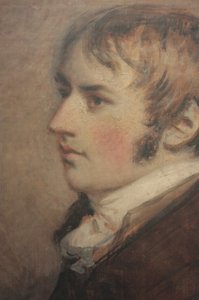
1776–1837, Сполучене Королівство
Джон Констебл
Ранні роки, сім'я та навчання Джон Констебл народився у 1776 році в селі Іст-Берголт, що в графстві Саффолк. Він був другим сином Голдінга та Енн (Воттс) Констебл. Його батько був заможним торговцем зерном і вугіллям, який володів Flatford Mill. Цей зв'язок із річкою та місцевою торгівлею означав, що ритми води та рух товарів були невід'ємною частиною повсякденного життя родини.
Також за участю Джон Констебл
 "The Hay Wain" -> "Вайн" (Vayn)1821
 Вид на Солсберійський собор з єпископських угіддя1823
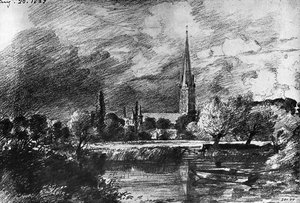 Собор Солсбері
 Соломенна вагонниця (деталі)1821
Есе до твору wivenhoe park
 Топ-25 шедеврів Джона Констебла: пейзажі Англії для вашого дому | OriginalUniqueArtВідкрийте для себе 25 найкращих шедеврів Джона Констебла! Англійські пейзажі, романтизм та емоційне світло в живописі. Репродукції картин в…
 25 Must-See Masterpieces at the Yale Center for British ArtExplore 25 iconic works from Turner to Hogarth at Yale Center for British Art. Discover every masterpiece on OriginalUniqueArt.com.
 British artworks of the 1800s19th-century British art featuring the masterpieces of John Constable, William Blake, and Thomas Lawrence. View the full collection at Orig…