() ·

A painting made for you, by hand

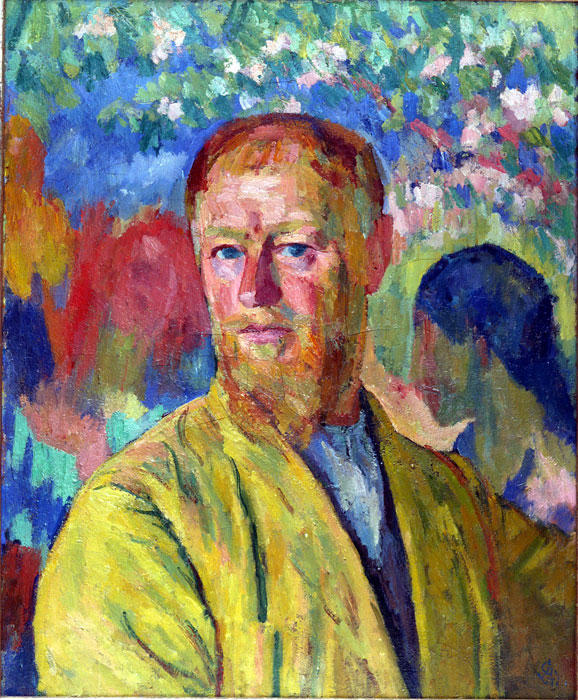
Self portrait

Олійная репродукція ручної роботи

Написана вручну олією на полотні у вашому розмірі та рамі, виготовлена на замовлення нашими художниками. ( Перейти до друку Перейти до цифрових зображень)

Біографія митця

Йоганн Джакомотті (1868-1933) – швейцарський живописець, відомий своїми мальовничими пейзажами Альп та впливом техніки дівізіонізму. Його роботи відображають перехід від імпресіонізму до експресіонізму, а також є важливим внеском у мистецтво Швейцарії початку 20-го століття.

from ·

Chapter 1

How large should it be?

Slide to change the size; the picture on the left shows the frame at its real width. The proportions of the original are kept.

Стандартний розмір
індивідуальний розмір
CM
INCH

Обирайте з наших стандартних розмірів, що відповідають оригінальним пропорціям твору мистецтва.

ширина
висота

Введіть необхідну ширину та висоту, щоб картина підійшла до вашої рами або стіни. Оскільки це ручний розпис, для зміни пропорцій художник може дописати трохи більше по краях або дещо обрізати композицію — вибір за вами. Перед початком роботи ми надішлемо вам цифровий макет для затвердження. Зображення, показане на цій сторінці, не є реальним результатом — лише макет відображає майбутній вигляд.

Chapter 2

How should it arrive?

Choose the edges of the stretched canvas

Choose your frame

Corner sample of the WhiteWrap canvas edge finish, stretched on масив дерева bars
White ₴1
Corner sample of the BlurSideWrap canvas edge finish, stretched on масив дерева bars
Blurside ₴1
Corner sample of the ExtendedWrap canvas edge finish, stretched on масив дерева bars
Extended ₴1
Corner sample of the P118B picture frame: формований полістирол, 5 cm wide and 3 cm thick
P118B ₴10
Corner sample of the P118H picture frame: формований полістирол, 5 cm wide and 3 cm thick
P118H ₴10
Corner sample of the P118W picture frame: формований полістирол, 5 cm wide and 3 cm thick
P118W ₴10
Corner sample of the P438Z picture frame: формований полістирол, 5.5 cm wide and 3.5 cm thick
P438Z ₴10
Corner sample of the P508JH picture frame: формований полістирол, 7 cm wide and 3.5 cm thick
P508JH ₴12
Corner sample of the P508YH picture frame: формований полістирол, 7 cm wide and 3.5 cm thick
P508YH ₴12
Corner sample of the P805H picture frame: формований полістирол, 5 cm wide and 3.5 cm thick
P805H ₴10
Corner sample of the P805Z picture frame: формований полістирол, 5 cm wide and 3.5 cm thick
P805Z ₴10
Corner sample of the P919BZ picture frame: формований полістирол, 7 cm wide and 3.5 cm thick
P919BZ ₴10
Corner sample of the P919G picture frame: формований полістирол, 7 cm wide and 3.5 cm thick
P919G ₴10
Corner sample of the P919XJ picture frame: формований полістирол, 7 cm wide and 3.5 cm thick
P919XJ ₴10
Corner sample of the P959ZH picture frame: формований полістирол, 5 cm wide and 3 cm thick
P959ZH ₴10
Corner sample of the P968JZ picture frame: формований полістирол, 6 cm wide and 4 cm thick
P968JZ ₴12
Corner sample of the W106C picture frame: масив дерева, 5 cm wide and 3 cm thick
W106C ₴8
Corner sample of the W218G picture frame: масив дерева, 5 cm wide and 3 cm thick
W218G ₴10
Corner sample of the W218JH picture frame: масив дерева, 5 cm wide and 3 cm thick
W218JH ₴8
Corner sample of the W218Y picture frame: масив дерева, 5 cm wide and 3 cm thick
W218Y ₴10
Corner sample of the W307PJ picture frame: масив дерева, 6 cm wide and 3 cm thick
W307PJ ₴10
Corner sample of the W316G picture frame: масив дерева, 6 cm wide and 3 cm thick
W316G ₴10
Corner sample of the W316PJ picture frame: масив дерева, 6 cm wide and 3 cm thick
W316PJ ₴8
Corner sample of the W316Y picture frame: масив дерева, 6 cm wide and 3 cm thick
W316Y ₴10
Corner sample of the W398PJ picture frame: масив дерева, 5 cm wide and 3 cm thick
W398PJ ₴8
Corner sample of the W4111J picture frame: масив дерева, 6.5 cm wide and 3.5 cm thick
W4111J ₴10
Corner sample of the W500HY picture frame: масив дерева, 7 cm wide and 5 cm thick
W500HY ₴15
Corner sample of the W500JH picture frame: масив дерева, 7 cm wide and 5 cm thick
W500JH ₴15
Corner sample of the W692G picture frame: масив дерева, 8 cm wide and 4 cm thick
W692G ₴12
Corner sample of the W849H picture frame: масив дерева, 5 cm wide and 3 cm thick
W849H ₴8
Corner sample of the W940BG picture frame: масив дерева, 7.5 cm wide and 4.5 cm thick
W940BG ₴15
Corner sample of the W953PJ picture frame: масив дерева, 6 cm wide and 3.5 cm thick
W953PJ ₴8
Corner sample of the H24-GOLD picture frame: різьблене дерево з левкасом, 10 cm wide and 6 cm thick
H24-GOLD ₴30
Corner sample of the H24-SILVER picture frame: різьблене дерево з левкасом, 10 cm wide and 6 cm thick
H24-SILVER ₴30
Corner sample of the H36-GOLD picture frame: різьблене дерево з левкасом, 15 cm wide and 6.5 cm thick
H36-GOLD ₴45
Corner sample of the H36-SILVER picture frame: різьблене дерево з левкасом, 15 cm wide and 6.5 cm thick
H36-SILVER ₴45

Moulding: . Overall size with the frame: .

Chapter 3

Who paints it, and should anything change?

Examples of what can be changed: Replace face with customer photo; Add pet (e.g., replace cat with dog); Include hidden message in background; Change background landscape or elements.
After order, OriginalUniqueArt.com team will email client for instructions and provide a mockup preview

Доставка по всьому світу () за 3–4 тижні замість стандартних 5 тижнів. (1 Листопад). Без жодних компромісів у якості.

Chapter 4

The finishing touches

A nameplate, as in a museum?

Деталі гравірування на бронзовій табличці

This elegant plaque features the artist's name and the title of the artwork, finely engraved for a timeless presentation.

It is made from bronze with a refined, elegant finish. The text is precisely laser-engraved for a sharp and permanent result. Measuring 9x2 cm, the plaque is compact yet easy to read. It's built to be durable and scratch-resistant, offering a professional, museum-quality look. Mounting is simple thanks to the included adhesive backing.

Деталі прозорої акрилової таблички

The plaque includes essential engraved details such as the artist's name, the title of the artwork, the date it was created, the type of media used-like oil on canvas or watercolor-a brief description of the piece, and a QR code that links to the complete artwork information.

It is crafted from clear acrylic, offering a sleek, modern appearance. The text is UV-engraved in black to ensure strong visual contrast. With a size of 10x15 cm, it ensures optimal readability. It comes equipped with two metal hooks for secure wall mounting. The plaque is designed to be weather-resistant, making it suitable for various environments, and it includes interactive features that work seamlessly with smartphone scanning.

Деталі чорної акрилової таблички

This elegant plaque includes engraved information such as the artist's name, the title of the artwork, the date it was created, the type of media used (like oil on canvas or watercolor), a short description of the artwork, and a QR code for quick access to more information.

The plaque itself is made from refined black acrylic with a premium finish. The text is laser-engraved in white for high contrast and readability. Its size is 10x15 cm, designed to be easy to read. It comes with two metal hooks for professional mounting. The design is sleek and fits any interior style. It is also weather-resistant and durable, with built-in digital integration for mobile compatibility.

A protective varnish?

When do you need it?

Chapter 5

Your painting, as you ordered it

Self portrait

Матеріал репродукції

Розмір репродукції

-

Видатний майстер-художник

Більше деталізації, витонченості та додаткового часу на створення твору

-

Рама для репродукції

-

-

Для творів мистецтва або репродукцій, розмір яких перевищує 105 см (приблизно 41 дюйм) з будь-якого боку, рама доставляється у вигляді розібраного комплекту. Такий метод гарантує безпечну доставку та запобігає пошкодженням під час транспортування.

Потребує професійного збирання — це не продукт для самостійного виготовлення (DIY).
Комплект має бути зібраний, а полотно натягнуте досвідченим майстром багетних робіт із використанням клейового дерева (не входить у комплект), щипців для натягування полотна та затискачів, щоб підрамник залишався рівним під час висихання клею. Неправильне збирання або нерівномірне натягування полотна може призвести до незворотного пошкодження твору мистецтва, що не підпадає під дію нашої гарантії.

  • У комплект входять усі бруски з цільного дерева, точно вирізані за розміром.

  • Збирається за допомогою гвинтів, що входять до комплекту, а також клейового розчину для кутових з'єднань, який не входить до комплекту і має бути підготовлений вашим майстром.

  • Потрібні професійні інструменти, які не входять до комплекту: щипці для натягування полотна (натягувач) та затискачі, щоб утримувати рейки рівно під час висихання клею.

Важливо:
Для з'єднання кутів потрібен клей для дерева, перекладини необхідно затиснути струбцинами до повного висихання клею, а для натягування полотна на зібрану раму знадобляться щипці для натягування полотна. Жоден із цих інструментів не входить до комплекту. Будь ласка, проконсультуйтеся з досвідченим майстром багетного оформлення перед замовленням рами такого розміру.

Етикетка експоната

-

-

Захисний лак

Глянцевий лак (підсилює яскравість кольорів, захищає від світла та вологи)

-

Персоналізувати мій витвір

Приклади можливих змін: заміна обличчя на фото клієнта; додавання домашньої тварини (наприклад, заміна кота на собаку); додавання прихованого повідомлення на фоні; зміна пейзажу або елементів фону.

-

Прискорено

Доставка по всьому світу () за 3–4 тижні замість стандартних 5 тижнів. (1 Листопад). Без компромісів у якості.

-

Експрес-доставка

Доставка по всьому світу () протягом 5 тижнів. (8 Листопад).

Включено в ціну

Підсумкова вартість

₴ 13486

Загальна вартість ₴ 13486

Скляний варіант доступний лише для розмірів до 110 см

Included with every order

  • Безкоштовна експрес-доставка по всьому світу
  • Високоякісне лляне полотно
  • Повне страхове покриття доставки
  • Гарантія повернення митних зборів
  • Гарантія точного відтворення кольорів
  • Політика повернення протягом 100 днів (лише у разі виявлення дефектів)
  • Гарантія повернення 100% коштів
  • Пропозиція на оптові замовлення

More about this painting

Переглянути в інтер'єрі Перегляд в AR Перейти до друку Перейти до цифрових зображень Надіслати як листівку
Деталі витвору Посібник Додати до улюблених Завантажити Схожі екземпляри Рентгенівське дослідження Слайд-шоу Q&A Статистика

In numbers

  • 1923the year it was painted
  • 29frames to choose from
  • standard sizes, in its own proportions
  • 5weeks to paint and deliver it
Джованні Джакомотті

Джованні Джакомотті

1868 - 1933, Швейцарія

Quick facts about Джованні Джакомотті

  • Artistic Movement Or Style: Пост-імпресіонізм, Експресіонізм
  • Artists Or Movements Influenced By This Artist: ['Альберто, Дієго, Бруно Джакомотті']
  • Artists Who Influenced This Artist: ['Джованні Сегантіні']
  • Date Of Birth: 7 березня 1868
  • Date Of Death: 25 червня 1933
  • Full Name: Giovanni Ulrico Giacometti
  • Nationality: Швейцарський
  • Notable Artworks:
    • У коров’ячій шаті
    • Каполаго взимку
    • Ранок на озері Сілс
  • Place Of Birth: Боргоново, Швейцарія

Біографія митця

A Life Painted in the Heart of Switzerland

Giovanni Ulrico Giacometti, born on March 7, 1868, in Stampa, a small village nestled within the Bergell region of Switzerland, was more than just a painter; he was a son of his land. His early life unfolded amidst the dramatic grandeur of the Swiss Alps, a landscape that would forever shape his artistic vision and become the very essence of his work. Growing up in a family of eight children—his father, Alberto, a skilled baker and café owner, and his mother, Annetta—Giovanni’s creative spirit was nurtured from a young age by his cousin, Augusto Giacometti, another accomplished painter. This familial connection ignited an initial spark of artistic curiosity that would eventually transform into a lifelong dedication to capturing the beauty and soul of Switzerland. His formal training began at the Kunstgewerbeschule in Munich in 1886, but he quickly realized that the school’s rigid academic approach didn't align with his burgeoning artistic sensibilities. A pivotal decision followed: he moved to Paris in 1891, seeking a more liberating environment and a chance to explore his own unique style.

The Transformative Influence of Giovanni Segantini

Paris proved to be a crucial turning point in Giacometti’s artistic development. It was there that he encountered the legendary Giovanni Segantini, a master painter renowned for his evocative depictions of the Swiss Alps and his innovative use of Divisionism—a technique characterized by applying small, distinct brushstrokes of color to create shimmering effects of light and atmosphere. Segantini wasn't merely an acquaintance; he became a mentor, a guiding force who opened Giacometti’s eyes to the sublime beauty of the mountains and instilled in him the principles of capturing their essence through vibrant color and dynamic composition. The Bergell region, with its towering peaks, deep valleys, and dramatic light, quickly became a constant source of inspiration for Giacometti, profoundly influencing his artistic style and emotional connection to the landscape. He spent considerable time studying Segantini’s techniques, particularly his masterful use of Divisionism, which he adopted as a fundamental element in his own work. This encounter marked a significant shift in Giacometti's artistic trajectory, moving him away from traditional academic painting towards a more expressive and luminous style.

Early Works and the Embrace of Divisionism

Giacometti’s early paintings are characterized by their bold colors, dynamic brushstrokes, and evocative depictions of the Swiss Alps. He skillfully employed Divisionist techniques to capture the play of light on snow-capped peaks, the shimmering reflections in alpine lakes, and the dramatic shadows cast by towering mountains. These works demonstrate his growing mastery of color theory and his ability to translate the visual experience of the landscape onto canvas. During this period, he experimented with various subjects, including portraits, landscapes, and still lifes, always striving to capture the essence of his surroundings with a sense of immediacy and emotional intensity. His early exhibitions in Zurich garnered attention for their innovative approach and striking beauty, establishing him as a rising star within the Swiss art scene. Notably, in 1898, he participated in an exhibition alongside Cuno Amiet and Ferdinand Hodler, showcasing his evolving style and solidifying his position among the leading artists of the time.

A Period of Exploration and Artistic Evolution

Following Segantini’s untimely death in 1894, Giacometti embarked on a period of artistic exploration and experimentation. He traveled extensively throughout Europe, immersing himself in different cultures and artistic traditions. During this time, he encountered various avant-garde movements, including Symbolism and Art Nouveau, which influenced his work with their emphasis on symbolism, decorative elements, and emotional expression. He also spent time in Rome and Naples, absorbing the influence of classical art and Italian landscape painting. Despite these diverse influences, Giacometti remained deeply rooted in his Swiss heritage, continually returning to the landscapes that had first captivated him. His style evolved during this period, becoming increasingly expressive and emotionally charged, reflecting his personal experiences and artistic insights. He began incorporating elements of Expressionism into his work, conveying a sense of urgency and emotional intensity through bold colors, distorted forms, and dynamic brushstrokes.

Legacy and Recognition

Giovanni Giacometti’s legacy extends far beyond his individual achievements as an artist. He played a crucial role in shaping the development of Swiss art at the turn of the 20th century, bridging traditional techniques with modern approaches and fostering a vibrant artistic community. His work is now recognized for its beauty, emotional depth, and innovative use of color and technique. His paintings are held in prestigious collections around the world, including the Musée d’Orsay in Paris and the Kunstmuseum in Basel. Furthermore, he was a respected figure within the Swiss art establishment, serving as a member of the Eidgenössische Kunstkommission (Swiss Federal Art Commission) from 1918-1921 and again from 1931-1932, demonstrating his commitment to supporting and promoting the arts. Giovanni Giacometti passed away on June 25, 1933, leaving behind a rich artistic legacy that continues to inspire and captivate audiences today. His family’s artistic lineage—including his sons Alberto, Diego, and Bruno—further solidifies his place as a pivotal figure in Swiss art history, a man who captured the soul of Switzerland on canvas for generations to come.


































