
 Переглянути в інтер'єрі
 Надіслати як листівку
 Поділитися
 Детальніше

 Завантажити
 Схожі експонати
 Рентгенівське дослідження
 Слайд-шоу
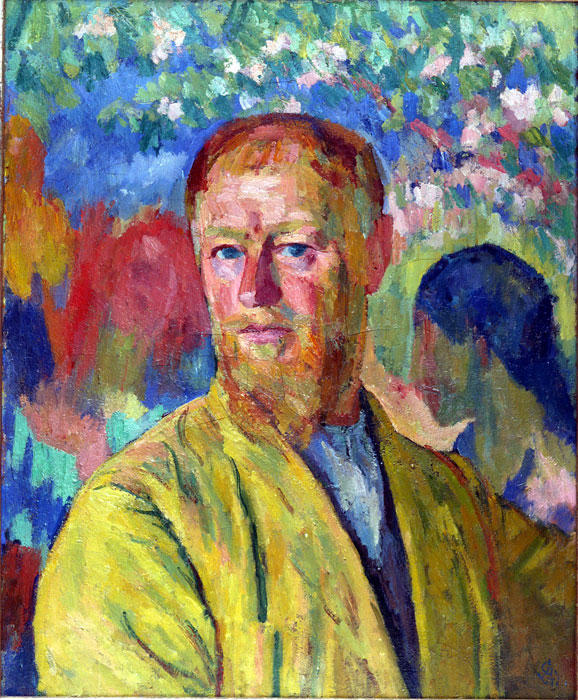
Self portrait


 Читати далі
Олійная репродукція ручної роботи
Написана вручну олією на полотні у вашому розмірі та рамі, виготовлена на замовлення нашими художниками. ( Замовити принт Купити цифрове зображення)




































Обирайте з наших стандартних розмірів, що відповідають оригінальним пропорціям твору мистецтва.

Ви можете вказати власні розміри, щоб репродукція ідеально підійшла до конкретної рами або інтер'єру. Якщо вибраний вами розмір не відповідає пропорціям оригіналу, ми або обріжемо полотно, або доповнимо картину додатковими елементами, промальованими вручну. Цифровий макет буде надіслано вам на затвердження перед початком виробництва.
Зверніть увагу, що попередній перегляд на екрані не відображає фактичне обрізання або розширення зображення. Тільки макет точно покаже остаточну композицію.
Хоча ми можемо виготовити виріб у нестандартному розмірі, для збереження оригінальних пропорцій рекомендуємо обирати варіанти зі встановленого списку.
Після оформлення замовлення команда OriginalUniqueArt.com зв'яжеться з клієнтом електронною поштою для отримання інструкцій та надасть попередній макет
Доставка по всьому світу () за 3–4 тижні замість стандартних 5 тижнів. (22 Серпень). Без жодних компромісів у якості.

Безкоштовна експрес-доставка по всьому світу

Високоякісне лляне полотно

Повне страхове покриття доставки

Гарантія відшкодування митних зборів

Гарантія точного відтворення кольорів

Політика повернення протягом 60 днів (лише у разі виявлення дефектів)

Гарантія повернення 100% коштів

Пропозиція на оптові замовлення
 Скляний варіант доступний лише для розмірів до 110 см

Self portrait
Матеріал репродукції
Розмір репродукції
-


Підсумкова вартість
$ 300
Біографія митця
A Life Painted in the Heart of Switzerland
Giovanni Ulrico Giacometti, born on March 7, 1868, in Stampa, a small village nestled within the Bergell region of Switzerland, was more than just a painter; he was a son of his land. His early life unfolded amidst the dramatic grandeur of the Swiss Alps, a landscape that would forever shape his artistic vision and become the very essence of his work. Growing up in a family of eight children—his father, Alberto, a skilled baker and café owner, and his mother, Annetta—Giovanni’s creative spirit was nurtured from a young age by his cousin, Augusto Giacometti, another accomplished painter. This familial connection ignited an initial spark of artistic curiosity that would eventually transform into a lifelong dedication to capturing the beauty and soul of Switzerland. His formal training began at the Kunstgewerbeschule in Munich in 1886, but he quickly realized that the school’s rigid academic approach didn't align with his burgeoning artistic sensibilities. A pivotal decision followed: he moved to Paris in 1891, seeking a more liberating environment and a chance to explore his own unique style.The Transformative Influence of Giovanni Segantini
Paris proved to be a crucial turning point in Giacometti’s artistic development. It was there that he encountered the legendary Giovanni Segantini, a master painter renowned for his evocative depictions of the Swiss Alps and his innovative use of Divisionism—a technique characterized by applying small, distinct brushstrokes of color to create shimmering effects of light and atmosphere. Segantini wasn't merely an acquaintance; he became a mentor, a guiding force who opened Giacometti’s eyes to the sublime beauty of the mountains and instilled in him the principles of capturing their essence through vibrant color and dynamic composition. The Bergell region, with its towering peaks, deep valleys, and dramatic light, quickly became a constant source of inspiration for Giacometti, profoundly influencing his artistic style and emotional connection to the landscape. He spent considerable time studying Segantini’s techniques, particularly his masterful use of Divisionism, which he adopted as a fundamental element in his own work. This encounter marked a significant shift in Giacometti's artistic trajectory, moving him away from traditional academic painting towards a more expressive and luminous style.Early Works and the Embrace of Divisionism
Giacometti’s early paintings are characterized by their bold colors, dynamic brushstrokes, and evocative depictions of the Swiss Alps. He skillfully employed Divisionist techniques to capture the play of light on snow-capped peaks, the shimmering reflections in alpine lakes, and the dramatic shadows cast by towering mountains. These works demonstrate his growing mastery of color theory and his ability to translate the visual experience of the landscape onto canvas. During this period, he experimented with various subjects, including portraits, landscapes, and still lifes, always striving to capture the essence of his surroundings with a sense of immediacy and emotional intensity. His early exhibitions in Zurich garnered attention for their innovative approach and striking beauty, establishing him as a rising star within the Swiss art scene. Notably, in 1898, he participated in an exhibition alongside Cuno Amiet and Ferdinand Hodler, showcasing his evolving style and solidifying his position among the leading artists of the time.A Period of Exploration and Artistic Evolution
Following Segantini’s untimely death in 1894, Giacometti embarked on a period of artistic exploration and experimentation. He traveled extensively throughout Europe, immersing himself in different cultures and artistic traditions. During this time, he encountered various avant-garde movements, including Symbolism and Art Nouveau, which influenced his work with their emphasis on symbolism, decorative elements, and emotional expression. He also spent time in Rome and Naples, absorbing the influence of classical art and Italian landscape painting. Despite these diverse influences, Giacometti remained deeply rooted in his Swiss heritage, continually returning to the landscapes that had first captivated him. His style evolved during this period, becoming increasingly expressive and emotionally charged, reflecting his personal experiences and artistic insights. He began incorporating elements of Expressionism into his work, conveying a sense of urgency and emotional intensity through bold colors, distorted forms, and dynamic brushstrokes.Legacy and Recognition
Giovanni Giacometti’s legacy extends far beyond his individual achievements as an artist. He played a crucial role in shaping the development of Swiss art at the turn of the 20th century, bridging traditional techniques with modern approaches and fostering a vibrant artistic community. His work is now recognized for its beauty, emotional depth, and innovative use of color and technique. His paintings are held in prestigious collections around the world, including the Musée d’Orsay in Paris and the Kunstmuseum in Basel. Furthermore, he was a respected figure within the Swiss art establishment, serving as a member of the Eidgenössische Kunstkommission (Swiss Federal Art Commission) from 1918-1921 and again from 1931-1932, demonstrating his commitment to supporting and promoting the arts. Giovanni Giacometti passed away on June 25, 1933, leaving behind a rich artistic legacy that continues to inspire and captivate audiences today. His family’s artistic lineage—including his sons Alberto, Diego, and Bruno—further solidifies his place as a pivotal figure in Swiss art history, a man who captured the soul of Switzerland on canvas for generations to come.
Джованні Джакомотті
1868 - 1933 , Швейцарія
Короткі факти
- Artistic Movement Or Style: Пост-імпресіонізм, Експресіонізм
- Artists Or Movements Influenced By This Artist: ['Альберто, Дієго, Бруно Джакомотті']
- Artists Who Influenced This Artist: ['Джованні Сегантіні']
- Date Of Birth: 7 березня 1868
- Date Of Death: 25 червня 1933
- Full Name: Giovanni Ulrico Giacometti
- Nationality: Швейцарський
- Notable Artworks:
- У коров’ячій шаті
- Каполаго взимку
- Ранок на озері Сілс
- Place Of Birth: Боргоново, Швейцарія

