Early Renaissance · 1442
The Annunciation (Фра Анджеліко, 1442)
Фра Анджеліко (1395–1455) створив The Annunciation. Дата створення — 1442. Він належить до напряму Early Renaissance. Виконано в Fresco. Екземпляр зберігається в Convento di San Marco у Флоренція, Італія. Розмір: 230 × 321 cm
- 1442
- Fresco
- 230 × 321 cm
- Convento di San Marco, Флоренція

 Картина олією ручної роботи
 Надіслати як листівку
 Поділитися
 Інформаційна картка


 Завантажити
 Схожі екземпляри
 Слайд-шоу
 Питання та відповіді

 Статистика
The Annunciation коротко
- Назва
- The Annunciation
- Художник
- Фра Анджеліко (1395–1455)
- Рік народження митця
- Віккьо, Італія
- Дата
- 1442
- Матеріал
- Fresco
- Розміри
- 230 × 321 cm
- Де подивитися
- Convento di San Marco, Флоренція, Італія
- Період
- Renaissance
- Сюжет
- annunciation, mary, gabriel, angel, fresco, medieval
Що зображено на The Annunciation?
A Moment of Divine Revelation: Fra Angelico’s “The Annunciation”
Fra Angelico's "The Annunciation," painted in 1442, is more than just a depiction of a pivotal biblical event; it’s an immersion into a realm of serene spirituality and exquisite detail. This fresco, housed within the walls of a Dominican monastery (though its exact location has shifted over time), captures the profound moment when the Archangel Gabriel announces to Mary that she will conceive and bear the son of God. The painting immediately draws the viewer in with its carefully orchestrated composition – a sense of quiet grandeur achieved through the strategic placement of arches, benches, and the central figures themselves.
The scene unfolds within a room bathed in a soft, diffused light, characteristic of Fra Angelico’s signature style. Earth tones dominate the palette—ochres, siennas, and umbers—creating an aged, almost timeless quality that speaks to the enduring nature of faith. This deliberate use of color isn't merely decorative; it evokes the atmosphere of a monastic setting, reflecting the contemplative life of the Dominican order. Notice how the artist masterfully employs *sfumato*, a technique borrowed from Leonardo da Vinci, softening edges and creating an ethereal haze that contributes to the overall sense of otherworldly beauty.
The Dance of Figures: Composition and Symbolism
At the heart of the composition are Mary and Gabriel. Mary, kneeling in humble reverence, gazes upwards with a mixture of surprise and acceptance. Her posture is graceful yet grounded, embodying both vulnerability and strength. The angel, rendered with delicate wings outstretched, presents the news with an air of solemnity and divine authority. The subtle shift in their gestures—Mary’s downward tilt of her head versus Gabriel's raised hand—creates a dynamic interplay between them, illustrating the exchange of this momentous revelation.
Beyond the central figures, details abound that enrich the narrative. The two benches flanking the scene aren’t merely architectural elements; they represent the earthly realm and the setting for this divine encounter. The presence of a third figure, partially obscured within the architecture – often interpreted as John the Baptist or even an attendant – adds to the sense of a sacred space unfolding before our eyes. The lilies held by Gabriel are a potent symbol of purity and virginity, directly referencing Mary’s role in salvation history.
A Masterclass in Early Renaissance Technique
Fra Angelico's skill as a painter is immediately apparent in the meticulous detail of "The Annunciation." He was renowned for his painstaking preparation – often sketching numerous studies before committing to fresco. This dedication is evident in the rendering of Mary’s garments, the folds of her veil, and the intricate details of Gabriel’s wings. The artist's use of *tempera* on gesso—a technique common at the time—allowed for layering colors and achieving remarkable luminosity.
- Layered Fresco Technique: Fra Angelico employed a meticulous process, starting with a rough ground (gesso) and building up layers of color to create depth and vibrancy.
- Sfumato Effect: The subtle blurring of lines and edges, particularly around the figures’ faces, contributes to the painting's ethereal quality.
- Symbolic Color Palette: The earth tones evoke a sense of monastic austerity and spiritual contemplation.
Emotional Resonance and Timeless Beauty
"The Annunciation" transcends its biblical subject matter, offering a profound meditation on faith, humility, and divine grace. It’s a painting that invites quiet reflection, prompting viewers to consider the transformative power of belief. Fra Angelico's ability to capture such intense emotion with such understated elegance is what secures this work’s place as one of the most beloved and enduring images of the Early Renaissance. OriginalUniqueArt offers exceptional reproductions of this masterpiece, allowing you to bring its serene beauty into your home or office – a testament to the timeless artistry of Fra Angelico.
У якому музеї зберігається The Annunciation?
Convento di San Marco
Флоренція, Італія
Святилище віри та мистецтва Монастир Сан-Марко постає як унікальне свідчення художньої спадщини Флоренції — місце, де дух Відродження переплітається з глибокою релігійною відданістю. Це не просто сховище шедеврів; він пропонує захопливу подорож назад у п’ятнадцяте століття, запрошуючи відвідувачів осмислити спадщину Фра Анджеліко та Джироламо Савонароли в межах стін чудово збереженого домініканського монастиря. Заснований у тринадцятому столітті як валломброзське монастирство, Сан-Марко перетворився на жвавий центр гуманістичної думки та художніх інновацій завдяки патронату Козімо де Медічі — вирішальному моменту, що забезпечив прихід реформованого домініканського ордену та започаткував епоху неперевершеної творчості.


Зображення високої роздільної здатності The Annunciation

Суспільне надбання: художник помер у 1455 році.
Інші розміри, кадри та цитування →Фра Анджеліко, The Annunciation (1442), Convento di San Marco. Суспільне надбання
Відповіді на запитання про The Annunciation
У якому музеї зберігається оригінал «The Annunciation»?
Оригінал «The Annunciation» роботи Фра Анджеліко зберігається в Convento di San Marco, Флоренція, Італія. Репродукція дозволяє прикрасити цим твором ваш дім.
У якому році було створено "The Annunciation"?
«The Annunciation» датована 1442 роком. Ця дата дозволяє визначити місце твору в творчому шляху Фра Анджеліко та відповідну епоху.
Яка техніка використана у творі "The Annunciation"?
Техніка виконання «The Annunciation» роботи Фра Анджеліко — Fresco. Репродукції мають на меті відтворити вигляд цієї техніки.
Які розміри оригіналу "The Annunciation"?
«The Annunciation» має розмір 230 x 321 cm в оригіналі. Оригінальні розміри є корисним орієнтиром під час вибору розміру репродукції.
Які сюжети зображені у «The Annunciation» роботи Фра Анджеліко?
«The Annunciation» роботи Фра Анджеліко зображує: annunciation, mary, gabriel, angel, fresco, medieval, spirituality, tuscan.
Чи є «The Annunciation» роботи Фра Анджеліко суспільним надбанням?
«The Annunciation» роботи Фра Анджеліко перебуває у є суспільним надбанням — термін дії авторського права закінчився. Цей статус визначає правила відтворення зображення твору.
Хто є автором "The Annunciation"?
«The Annunciation» було створено Фра Анджеліко. Інформація на цій сторінці описує оригінальний твір Фра Анджеліко.
До якого стилю належить "The Annunciation"?
«The Annunciation» роботи Фра Анджеліко належить до течії Early Renaissance. Цей напрям визначає стилістичний контекст твору.
Який етап творчого розвитку Фра Анджеліко представляє твір "The Annunciation"?
«The Annunciation» належить до Early Renaissance Фра Анджеліко.
Про художника Фра Анджеліко
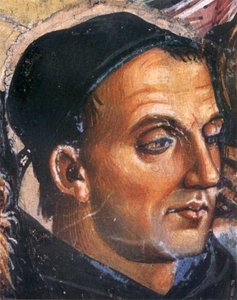
1395–1455, Італія
Фра Анджеліко
Ранні роки та духовне становлення Народившись під іменем Гвідо ді Пєтро в Муджелло, чоловік, який згодом стане відомим як Фра Анджеліко, розпочав свій шлях серед тосканських пагорбів поблизу Флоренції. Близько 1395 року він був відомий як Джованні да Фієзоле. Його ранні роки були сформовані спокійним ландшафтом цього регіону. Зрештою, молодий Джованні вступив до Домініканського ордену у Ф’єзоле.
Також за участю Фра Анджеліко
 Благовіщення1430
 Мадонна з Дитиною, Святиники та Розп'яття
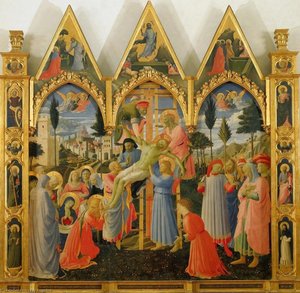 Від положення Христа
 Страшний суд1431
Есе до твору The Annunciation
 Divine Beauty: The 25 Most Iconic Masterpieces by Fra AngelicoJourney through the divine beauty of Fra Angelico's finest works. Explore 25 iconic Renaissance masterpieces, from ethereal frescoes to sac…
 The Enduring Legacy of Fresco: Technique, History & Artistic ExpressionExplore the rich history & enduring artistry of fresco painting. Discover techniques from Giotto to Michelangelo, conservation efforts, & m…
 Sacred Narratives: Decoding the Iconography and Artistry of the AnnunciationExplore the profound symbolism and mastery behind Renaissance Annunciation paintings. Discover the secrets of these sacred masterpieces now.