Geometric Abstraction · 1954
Study for the (Фернан Леже, 1954)
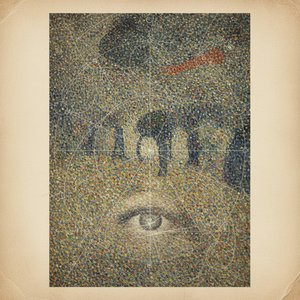
Фернан Леже (1881–1955) створив Study for the . Дата створення — 1954. Він належить до напряму Geometric Abstraction. Виконано в Acrylic On Canvas. Екземпляр зберігається в Museu do Caramulo у Caramulo, Portugal. Розмір: 38 × 44 cm
- 1954
- Acrylic On Canvas
- 38 × 44 cm
- Museu do Caramulo

 Переглянути в інтер'єрі

 Картина олією ручної роботи
 Надіслати як листівку
 Поділитися
 Інформаційна картка


 Завантажити
 Схожі екземпляри
 Рентгенівське дослідження
 Слайд-шоу
 Питання та відповіді

 Статистика
Study for the коротко
- Назва
- Study for the
- Художник
- Фернан Леже (1881–1955)
- Рік народження митця
- Аржантан, Франція
- Дата
- 1954
- Матеріал
- Acrylic On Canvas
- Розміри
- 38 × 44 cm
- Де подивитися
- Museu do Caramulo, Caramulo, Portugal
- Сюжет
- musical performance, geometric forms, modern landscape, instrument ensemble, urban scene, animal presence
Що зображено на Study for the ?
A Symphony of Form and Feeling: Exploring Fernand Léger’s “Study for Breakfast”
Fernand Léger's "Study for Breakfast," completed in 1954, transcends mere representation; it embodies the very spirit of Pointillism—a technique championed by Georges Seurat and embraced wholeheartedly by Léger as a means to convey dynamism and immediacy. This unassuming landscape isn’t simply depicted as it appears before our eyes; instead, Léger meticulously constructs it from countless tiny dots of pigment, creating an illusion of depth and texture that defies conventional painting methods. The resulting image pulsates with energy, mirroring the rhythms of daily life—a quiet morning scene rendered with astonishing precision. It's a masterful demonstration of how abstraction can serve as a conduit for emotion and observation simultaneously.- Style: Pointillism – Léger’s signature style prioritizes optical mixing over blending pigments on canvas, resulting in vibrant hues that shimmer and shift subtly under the light.
- Technique: Léger employed a painstaking process of applying dots of color—typically yellow, red, and blue—to build up layers of tonal variation. This method demanded immense patience and meticulous attention to detail, reflecting Léger’s unwavering commitment to his artistic vision.
Historical Context: Embracing Modernity Amidst Postwar Uncertainty
Created in the aftermath of World War II, “Study for Breakfast” speaks to a broader cultural preoccupation with rebuilding and redefining beauty after devastation. Léger’s stylistic choices—the geometric abstraction and the deliberate fragmentation of form—were deliberately antithetical to the prevailing artistic trends of his time, signaling a rejection of Impressionism's focus on fleeting sensations and an embrace of the machine age’s influence on visual perception. This bold stance positioned Léger as a pioneer of abstract expressionism, anticipating developments that would reshape the landscape of 20th-century art.Symbolic Resonance: The Quiet Power of Observation
Despite its apparent simplicity, “Study for Breakfast” is laden with symbolic significance. Léger’s use of dots—representing individual particles and conveying movement—suggests a fascination with scientific principles and an attempt to capture the underlying order of nature. The muted palette contributes to a mood of contemplative serenity, inviting viewers to contemplate the beauty found in everyday moments. It's a subtle reminder that even amidst turbulent times, art can offer solace and inspire wonder.Emotional Impact: Capturing Essence Through Precision
Ultimately, Léger’s “Study for Breakfast” succeeds in conveying an emotional resonance far exceeding its visual surface. The artist doesn’t aim to evoke sentimental feelings but rather to distill the essence of a scene—the feeling of warmth, light, and stillness—into a meticulously crafted composition. This achievement underscores Léger's profound understanding of how abstraction can communicate complex ideas and sensations with remarkable effectiveness. It remains an enduring testament to his artistic genius and a captivating example of Pointillist artistry.У якому музеї зберігається Study for the ?
Museu do Caramulo
Caramulo, Portugal
Симфонія сталі та душі Розташований серед зелених хвилястих пагорбів Серра-ду-Caramulo в центральній Португалії, Museu do Caramulo постає як захопливий парадокс — святилище, де точність машинобудування зустрічається з безмежною глибиною людської творчості. Це не просто сховище реліквій; це живий діалог між двома, на перший погляд, несумісними світами. Заснований візіонерами — братами Абелом та Жуаном де Ласерда, музей є свідченням спільної пристрасті, яка відмовилася бачити межі між ревом двигуна та безмовною грацією мазка пензля.


Зображення високої роздільної здатності Study for the

Суспільне надбання: художник помер у 1955 році.
Інші розміри, кадри та цитування →Фернан Леже, Study for the (1954), Museu do Caramulo. Суспільне надбання
Відповіді на запитання про Study for the
Де сьогодні можна побачити «Study for the» роботи Фернан Леже?
Оригінал «Study for the» роботи Фернан Леже зберігається в Museu do Caramulo. Репродукція дозволяє прикрасити цим твором ваш дім.
У якому році було створено "Study for the"?
«Study for the» роботи Фернан Леже було створено у 1954 році.
Яка техніка виконання у «Study for the» роботи Фернан Леже?
Техніка виконання «Study for the» роботи Фернан Леже — Acrylic On Canvas. Репродукції мають на меті відтворити вигляд цієї техніки.
Які розміри оригінального твору «Study for the» роботи Фернан Леже?
«Study for the» має розмір 38 x 44 cm в оригіналі. Оригінальні розміри є корисним орієнтиром під час вибору розміру репродукції.
Що зображено на творі "Study for the"?
Сюжетами твору "Study for the" є musical performance, geometric forms, modern landscape, instrument ensemble, urban scene, animal presence, domestic setting, pointillism technique.
Чи не захищений твір "Study for the" авторським правом?
Статус авторського права для «Study for the» роботи Фернан Леже: цей твір є є суспільним надбанням — термін дії авторського права закінчився. Це визначає, чи можна вільно створювати репродукції зображення.
Хто є автором твору "Study for the"?
«Study for the» приписують Фернан Леже.
До якого художнього напряму належить «Study for the» роботи Фернан Леже?
«Study for the» роботи Фернан Леже належить до течії Geometric Abstraction. Цей напрям визначає стилістичний контекст твору.
Який етап творчого розвитку Фернан Леже представляє твір "Study for the"?
У межах творчого шляху Фернан Леже твір "Study for the" належить до періоду Mature Period. Ця фаза дозволяє порівняти його з іншими роботами митця.
Про художника Фернан Леже

1881–1955, Франція
Фернан Леже
The Life of Fernand Léger The story of Fernand Léger begins in the village of Argentan, located in the Orne region of Lower Normandy. He arrived into this world on February 4, 1881, as an only son. His early years were shaped by the quietude of the French countryside and the presence of his mother, Marie-Adèle Daunou. His father, a man who made his living as a cattle dealer, passed away when Fernand was still a young boy, leaving the child to be raised by his mother in a household marked by her piety and a certain self-effacing nature.
Також за участю Фернан Леже
 Місто1919
 Механік1920
 Трьох жінок1921
 Нюди в лісі1910

Есе до твору Study for the
 Індустріальний Естетизм: 10 Шедеврів Мистецтва, Що Відображають Еру Машин та Металу | OriginalUniqueArtВідкрийте для себе 10 шедеврів мистецтва, що передають дух індустріальної епохи! Дізнайтесь історії Моне, Піссаро та інших художників. Репр…
 Georges Seurat: Pointillism, Perception & the Scientific Foundations of Modern ArtExplore the revolutionary art of Georges Seurat and the science behind Pointillism. Discover chromoluminarism, optical mixing, and the last…
 Mastering the Machine Age: The Top 25 Fernand Léger ArtworksImmerse yourself in the vibrant world of Fernand Léger. Explore 25 iconic masterpieces of Cubism and Tubism, from bold geometric forms to m…