
 Олія на полотні
 Все про Panic Terror

































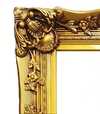
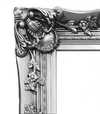

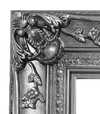


 Для творів мистецтва або репродукцій, розмір яких перевищує 105 см (приблизно 41 дюйм) з будь-якого боку, рама доставляється у вигляді розібраного комплекту. Такий метод гарантує безпечну доставку та запобігає пошкодженням під час транспортування.


Identification of Panic Terror by Ernst Barlach
In 1912, the sculptor Ernst Barlach carved a moment of raw friction into Baltic birch. The work, titled Panic Terror, captures a sudden, violent collision between two human forms. It is a physical knot of resistance and weight. The wood bears the marks of a struggle that feels both immediate and ancient.
This sculpture by Ernst Barlach emerged from a period of mounting tension in Europe. The figures are locked in a desperate, intertwined dance of power and vulnerability. One man dominates the other, their bodies pressed together in a heavy, wooden embrace. The grain of the birch follows the tension of their limbs. It is a study of the human body under the pressure of sudden, overwhelming force.
The piece exists as a quiet, heavy presence. It holds the weight of a single, sharp breath caught in the throat. The struggle is frozen in the grain.
Composition and Visual Elements of the Work
Two men are locked in a brutal struggle. One figure dominates the other, pressing down from above. They are intertwined in a heavy, physical wrestling match. Both men wear coats that cling to their moving forms. The second man is caught in a moment of visible distress. Their bodies create a knot of resistance and weight.
The interaction is a sudden, sharp collision of limbs and intent. Every gesture captures the raw intensity of their combat. The scene is set against a plain white wall. This neutral backdrop pushes the dark, heavy shapes of the figures forward. The struggle exists in a vacuum of light and shadow. A quiet tension remains in the stillness of the wood.
Materials and Artistic Technique Used
The sculpture is carved from Baltic birch. This wood carries a raw, tactile quality that anchors the figures in a physical reality. The grain of the timber meets the sharp edges of the struggle. Every notch in the grain follows the tension of the wood.
Subtractive carving defines the form. The artist removed material to reveal the underlying structure of the two men. This method emphasizes the contours of the bodies and the weight of their movement. The Expressionist style rejects smooth, idealized surfaces. Instead, the work relies on distorted forms and exaggerated musculature to convey a sense of inner turmoil. The wood is shaped by what is taken away.
Exhibition History and Collections
The wooden figures have moved through several significant stages of public viewing. In 1913, the sculpture was presented at the 26. Ausstellung der Berliner Secession. It later traveled to the 25. Biennale Venedig in 1950. These appearances placed the struggle of the carved wood before international audiences, far beyond its initial creation.
The work is held within the Staatliche Kunsthalle Karlsruhe collection. It has been documented in scholarly records, including the 1994 Katalog der Skulpturen. The grain of the Baltic birch remains preserved within these institutional walls. A quiet weight remains in the wood.
Related Works by Ernst Barlach
The artist’s hand moved through many forms, seeking the weight of the human condition. Early in his development, he produced Die Krautpflückerin, a major sculpture that signaled his emerging voice. This path led toward the heavy, emotional resonance found in works like The Singing Man. These figures carry a specific gravity, a sense of being anchored to the earth through their very substance.
Symbolism often took shape through the tension of the body. In Frenzy (Der Berserker), the physical form becomes a vessel for deeper meaning, much like the Shepherd in a Storm. These works do not merely occupy space; they inhabit it with a quiet, heavy presence. The wood and bronze hold the memory of the struggle within their grain.
The shadow of conflict eventually darkened his output. Following his time as an infantry soldier, his sculptures turned toward the visceral pain of war. Der Rächer emerged as a powerful anti-war sculpture, a response to the devastation he witnessed. The shapes remain sharp, stripped of ornament, leaving only the essential ache of existence. A single, silent shadow remains.
Питання та відповіді
Panic Terror — це ручна робота чи принт?
Написано вручну: професійний художник відтворює Panic Terror олією на лляному полотні.
Який розмір мені обрати для Panic Terror?
Розміри варіюються від 31.3 x 32.0 cm (₴9867) до 237.1 x 242.1 cm (₴104712); у таблиці на цій сторінці наведено доступні варіанти та їхню вартість.
Скільки триває доставка?
Доставка займає від 4 до 5 тижнів із безкоштовною експрес-доставкою по всьому світу; на цій сторінці також доступна опція термінового виготовлення. Ви можете повернути товар протягом 100 днів і отримати повне відшкодування без жодних додаткових умов.
Де знаходиться оригінал Panic Terror?
Оригінал зберігається в колекції Staatliche Kunsthalle Karlsruhe, Карлсруе.
Яку техніку використав(ла) Ernst Barlach для створення Panic Terror?
Wood
 Надіслати як листівку
 Поділитися
 Деталі витвору
 Інформаційна картка


 Завантажити
 Схожі екземпляри
 Слайд-шоу
 Питання та відповіді

 Статистика


