Pictorialism · 1920
Sunflower (Едуард Стеichen, 1920)
Едуард Стеichen (1900–1973) створив Sunflower. Дата створення — 1920. Він належить до напряму Pictorialism. Виконано в Acrylic On Canvas. Екземпляр зберігається в Джордж-Эйстманский музей у Рочестер, Сполучені Штати Америки. Розмір: 19 × 24 cm
- 1920
- Acrylic On Canvas
- 19 × 24 cm
- Джордж-Эйстманский музей, Рочестер

 Переглянути в інтер'єрі

 Картина олією ручної роботи
 Надіслати як листівку
 Поділитися
 Інформаційна картка


 Завантажити
 Схожі екземпляри
 Рентгенівське дослідження
 Слайд-шоу
 Питання та відповіді

 Статистика
Sunflower коротко
- Назва
- Sunflower
- Художник
- Едуард Стеichen (1900–1973)
- Рік народження митця
- Біванж, Люксембург
- Дата
- 1920
- Матеріал
- Acrylic On Canvas
- Розміри
- 19 × 24 cm
- Де подивитися
- Джордж-Эйстманский музей, Рочестер, Сполучені Штати Америки
- Рух
- Pictorialism
- Період
- 19th Century
- Сюжет
- sunflower, edward steichen, photography, art, landscape, composition
Що зображено на Sunflower?
A Luxembourgian Seed Takes Root: The Genesis of “Sunflower”
Edward Steichen’s 1920 painting, "Sunflower," isn’t merely a depiction of a flower; it's a poignant distillation of memory, displacement, and the enduring search for belonging. Born in the small, unassuming village of Bivange, Luxembourg, in 1879 – a region steeped in history and shadowed by the shifting borders of Europe – Steichen’s early life was marked by an emigration to America at just eighteen months old. This relocation, a common experience for Luxembourgers facing economic hardship, instilled within him a profound sense of rootlessness, a feeling that would subtly permeate his artistic vision throughout his career. The painting itself emerges from this context; it's not simply a botanical study but a visual echo of a past left behind, a yearning for stability amidst constant change.
Steichen’s journey to America was fueled by the hope of opportunity and a desire to escape the limitations imposed by his birthplace. He quickly immersed himself in the vibrant artistic scene of Milwaukee, Wisconsin, where he honed his skills as a lithographer and began experimenting with photography – a medium that would ultimately become his defining voice. This early exposure to both visual arts laid the groundwork for his later ability to capture light, texture, and emotion with remarkable precision.
The Pictorialist’s Palette: Technique and Style
“Sunflower” exemplifies Steichen's mastery of the pictorialist style – a movement that sought to elevate photography to the level of fine art. The painting is rendered in tempera and oil on canvas, utilizing a muted palette dominated by earthy browns, ochres, and subtle greens. These colors evoke the rich soil from which the sunflower springs, grounding the image in a sense of naturalism while simultaneously lending it an air of quiet contemplation. Steichen’s brushwork is deliberately soft and blended, creating a hazy, dreamlike quality that obscures sharp details and invites the viewer to lose themselves within the scene.
The composition itself is carefully constructed. The sunflower dominates the center of the frame, its broad petals radiating outwards in an explosion of color and form. Steichen employs a technique known as *sfumato*, borrowed from Renaissance painting, to soften edges and create a sense of atmospheric perspective. This blurring effect not only adds depth but also contributes to the painting’s overall mood of melancholy and nostalgia. The lighting is particularly noteworthy – a diffused, almost ethereal glow that seems to emanate from within the flower itself, suggesting an inner life and vitality.
Symbolism in Bloom: Memory, Displacement, and Resilience
The sunflower, as a symbol, carries layers of meaning. Historically, it has represented adoration, loyalty, and longevity – qualities that resonate deeply with Steichen’s own experiences. The flower's tendency to follow the sun is often interpreted as a metaphor for seeking guidance and direction in life, a theme particularly relevant to an artist grappling with displacement and uncertainty. The painting can be seen as a visual representation of Steichen’s own journey – his departure from Luxembourg, his struggles to find acceptance in America, and his ongoing quest for artistic fulfillment.
Furthermore, the sunflower's association with remembrance is significant. It’s often used as a symbol of mourning and remembrance, connecting to the broader context of Steichen’s life – marked by personal loss and the challenges of adapting to a new culture. Despite these hardships, however, “Sunflower” ultimately conveys a sense of resilience and hope. The flower's vibrant colors and upward-reaching form suggest an enduring spirit, a testament to the human capacity for growth and renewal.
A Legacy in Light: Steichen’s Enduring Influence
Edward Steichen’s “Sunflower” stands as a powerful example of his artistic vision – a synthesis of technique, symbolism, and personal experience. His pioneering work in photography and painting profoundly influenced generations of artists, shaping the course of modern visual culture. Today, reproductions of this evocative image continue to captivate viewers with their quiet beauty and poignant message. It serves as a reminder that even amidst displacement and hardship, there is always room for growth, remembrance, and the enduring pursuit of light.
У якому музеї зберігається Sunflower?
Джордж-Эйстманский музей
Рочестер, Сполучені Штати Америки
Спадщина, викарбувана світлом Розташований серед безтурботного, зеленого ландшафту Рочестера, штат Нью-Йорк, цей музей постає не просто як пам'ятка мистецтву, а як монумент самому винайденню візуального оповідання. Музей Джорджа Істмена — це набагато більше, ніж сховище фотографій та кінострічок; це живе свідчення безмежного людського прагнення зафіксувати миттєвості, зберегти ефемерні спогади та поділитися глибокими видіннями. Заснована візіонером та підприємцем Джорджем Істменом — людиною, яка зробила фотографію доступною для кожного завдяки своїм революційним камерам Kodak — ця установа втілює надзвичайне злиття технологічних інновацій, художнього самовираження та архітектурної величі.


Зображення високої роздільної здатності Sunflower

Protected by copyright: these files are for personal reference, not a licence to republish.
Едуард Стеichen, Sunflower (1920), Джордж-Эйстманский музей.
Відповіді на запитання про Sunflower
Де сьогодні можна побачити «Sunflower» роботи Едуард Стеichen?
Оригінал твору «Sunflower» можна побачити в Джордж-Эйстманский музей, Рочестер, Сполучені Штати Америки.
У якому році було створено «Sunflower» роботи Едуард Стеichen?
«Sunflower» роботи Едуард Стеichen було створено у 1920 році.
Яка техніка використана у творі "Sunflower"?
«Sunflower» виконано в техніці Acrylic On Canvas.
Які реальні розміри має «Sunflower» роботи Едуард Стеichen?
Розмір оригіналу «Sunflower» роботи Едуард Стеichen становить 24 x 19 cm.
Що зображено на творі «Sunflower» роботи Едуард Стеichen?
Тематика, представлена у «Sunflower» роботи Едуард Стеichen, включає sunflower, edward steichen, photography, art, landscape, composition, color, 1920. Разом вони підсумовують зміст твору.
Чи можна вільно відтворювати зображення «Sunflower» роботи Едуард Стеichen?
«Sunflower» роботи Едуард Стеichen перебуває у все ще перебуває під захистом авторського права. Цей статус визначає правила відтворення зображення твору.
Хто є автором твору "Sunflower"?
Автором твору «Sunflower» є Едуард Стеichen. Робота внесена до каталогу під іменем Едуард Стеichen.
До якого стилю належить "Sunflower"?
«Sunflower» — це твір у стилі Pictorialism. Назва течії вказує на художню традицію, до якої належить цей твір.
Який етап творчого розвитку Едуард Стеichen представляє твір "Sunflower"?
У межах творчого шляху Едуард Стеichen твір "Sunflower" належить до періоду Early Period. Ця фаза дозволяє порівняти його з іншими роботами митця.
Про художника Едуард Стеichen

1900–1973, Люксембург
Едуард Стеichen
Життя на перетині світів: Художня Одіссея Едуарда Стеїхена Едуард Жан Стеїхен, пізніше відомий як Едуард Стеїхен, був постаттю, що виходила за межі простих категорій. Народившись у 1879 році в маленькому люксембурзькому селі Біванж, він здійснив надзвичайну подорож від своїх європейських коренів до статусу одного з найвпливовіших митців Америки — не лише як фотограф, а й як живописець, куратор та візіонер, який переосмислив наше сприйняття візуальної культури. Ранні роки його життя були позначені значним переїздом: у 1881 році родина Стеїхена емігрувала до Ганкока, штат Мічиган, у пошуках нових можливостей. Ця зміна оточення прищепила юному Едуарду відчуття відстороненості та, можливо, загострила його здатність до спостереження — якості, що глибоко вплинули на його художнє бачення.
Також за участю Едуард Стеichen
 Le Tournesol (The Sunflower)1920
 Behind-the-scenes photograph, Paying the Piper1921
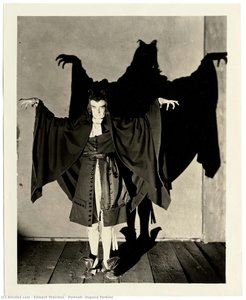 Portrait, Osgood Perkins1923
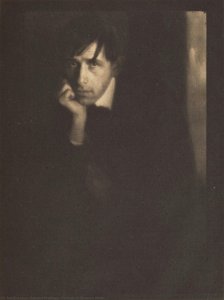 Portrait of Clarence White1905
Есе до твору Sunflower
 Pictorialism Unveiled: How the Aesthetic Revolution Transformed Photography into Fine ArtExplore the revolution of Pictorialism. Discover how visionary photographers moved beyond documentation to transform the lens into a fine a…
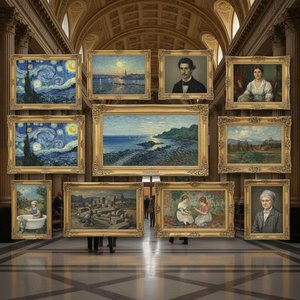 Топ-10 шедеврів XIX століття: мистецтво та історія для вашого домуПориньте у світ мистецтва XIX століття! Від Моне до Ван Гога – відкрийте 10 шедеврів імпресіонізму, реалізму та романтизму. Репродукції кар…
 Sunlight on Canvas: The Radiant Symbolism of Yellow Flowers in Impressionist ArtExplore the profound symbolism of yellow flowers in Impressionist art through expert analysis. Discover the light of the masters today.